Awaji Island (淡路島, Awaji-shima) is an island in Hyōgo Prefecture, Japan, in the eastern part of the Seto Inland Sea between the islands of Honshū and Shikoku. The island has an area of 592.17 square kilometres (228.64 square miles). It is the largest island of the Seto Inland Sea.
As a transit between those two islands, Awaji originally means "the road to Awa", the historic province bordering the Shikoku side of the Naruto Strait, now part of Tokushima Prefecture.
Check out the beaches, especially on the more sparsely settled northern coast. They're a popular nearby summer getaway for Kansai-ites. There are also a number of hot springs (onsen), the best known of which are Awaji's largest town Sumoto and the mildly radioactive (!) waters of Iwaya adjacent to the northern bridge.
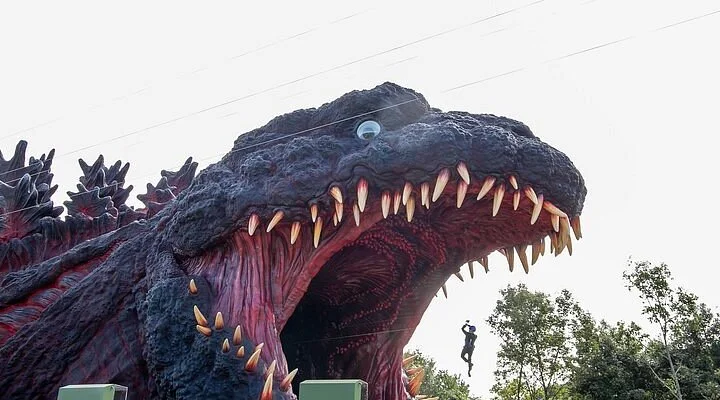
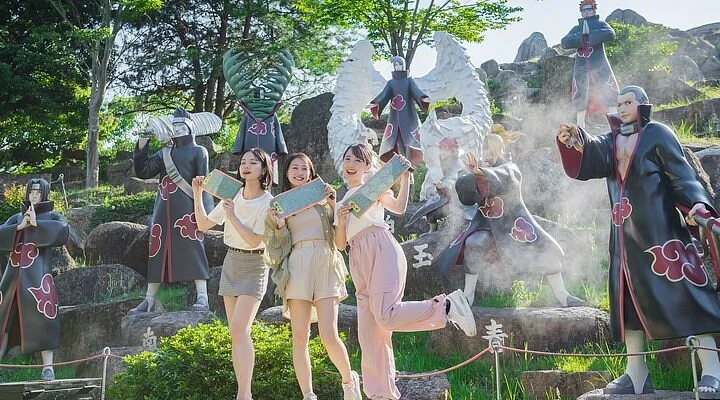
Today's Awajishima is known primarily for its bridges and onions. The current total population hovers around 150,000, and (unlike most rural areas in Japan) is slowly on the rise due to the improved connections to the mainland. Scattered here and there are a number of herb and biwa (loquat) farms. The southern coast has a hideous but huge concrete statue of the Buddhist deity Kannon and the inevitable Onokoro Amusement Park.
Awaji is famous for their onions, fish and cheese.
Awaji has a scattering of ryokan and minshuku, concentrated in the hot spring areas. There are also a number of campsites, especially on the less populated western coast.
Public transport is limited to very occasional buses. Awaji Kotsu posts the bus schedule (only available in Japanese). Unusually for Japan, there are no trains on the island. If you don't have your own set of wheels, hitchhiking is a viable option.
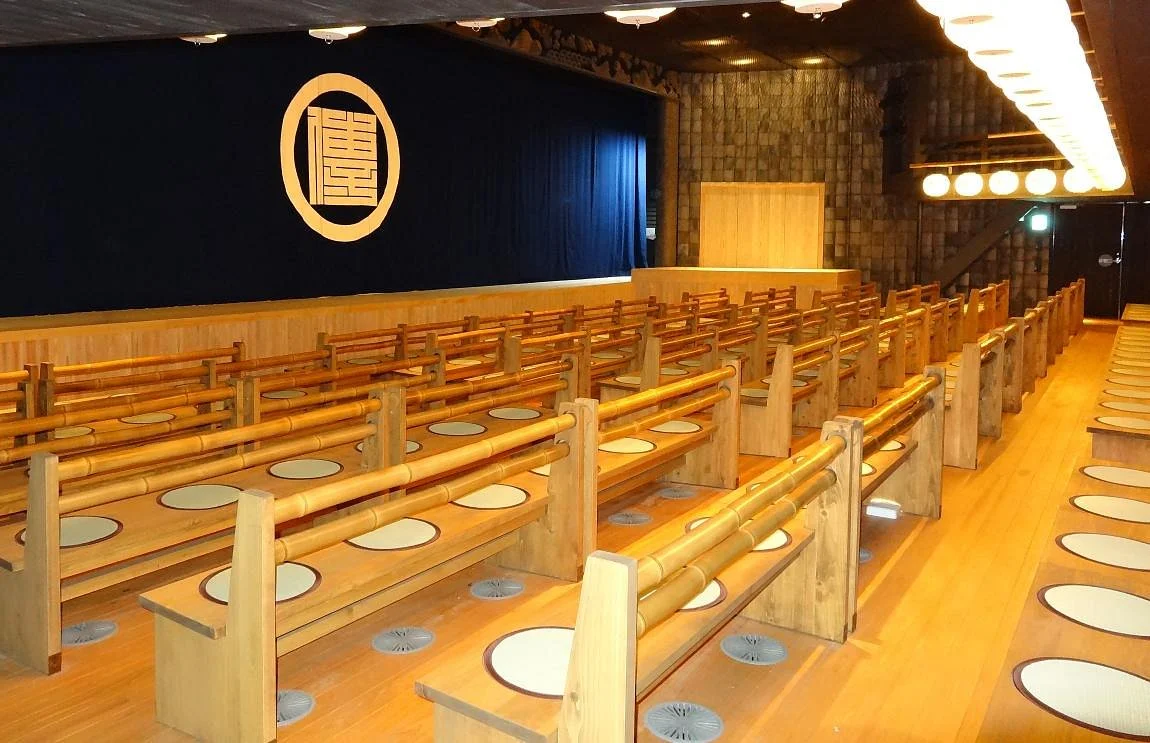
= Awajishima has some claim to being the oldest settled area in Japan; the Kojiki mentions it under the name "Onokoroshima" and burial mounds (kofun) dating back thousands of years have been found on the island. The ningyo joruri puppet theater, which has evolved into bunraku, seems to originate from Awajishima.
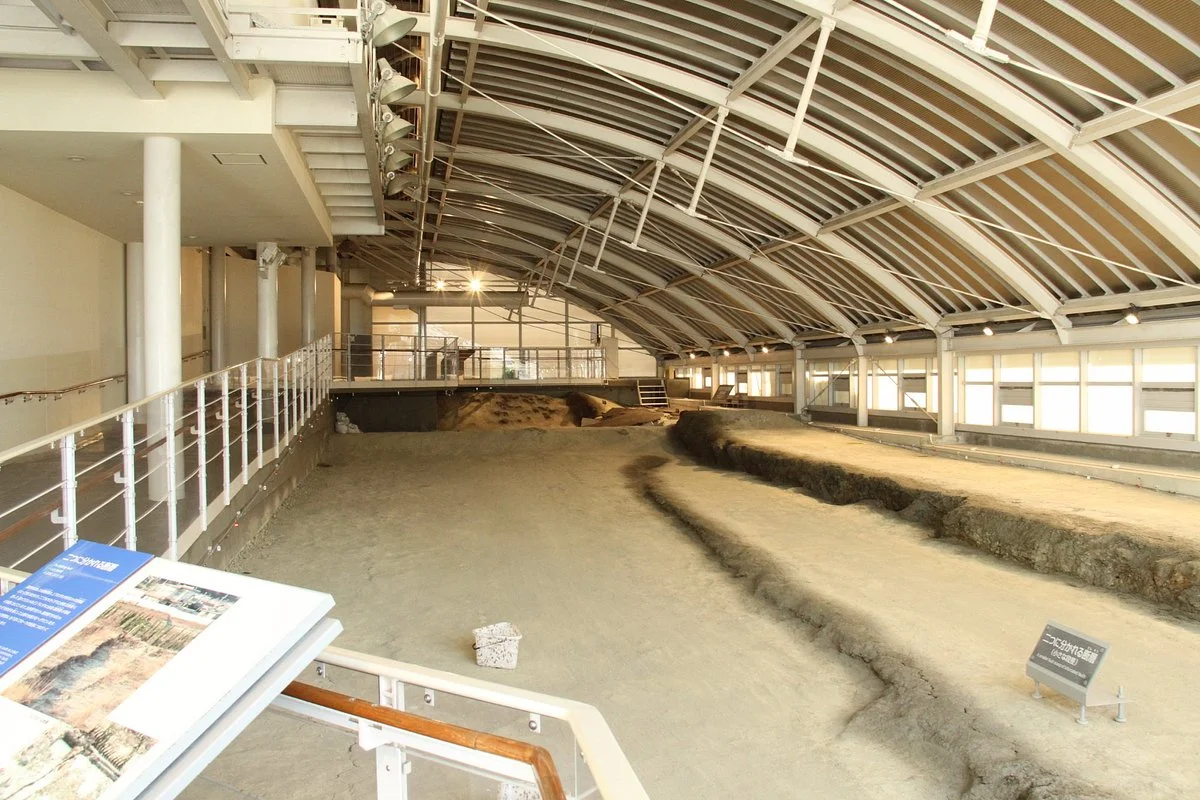
Awajishima made a very unusual but brief appearance on the world stage as the epicenter of the Great Hanshin Earthquake of 1995 that killed over 6000 people. However, Awajishima was (and remains) far less built up than the suburbs of Kobe across the bay, which took the brunt of the damage. It was also the island where the England soccer team stayed during the World Cup in 2002.