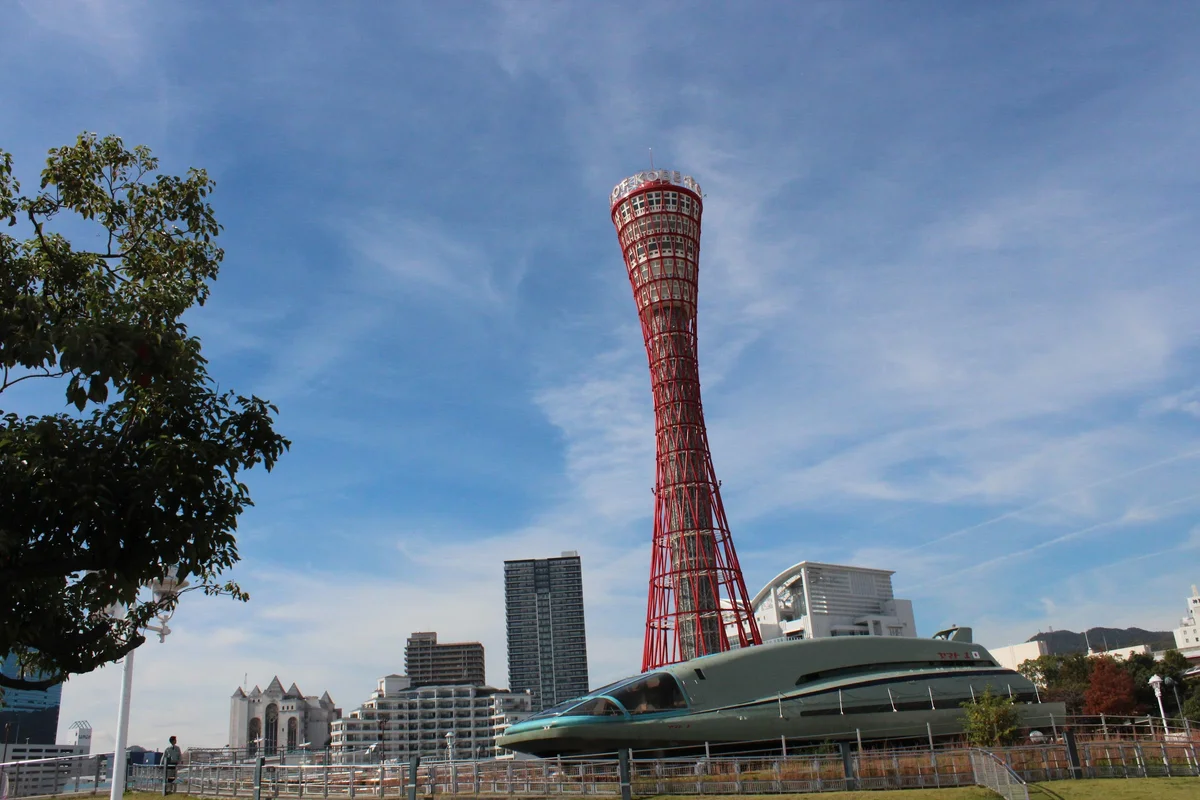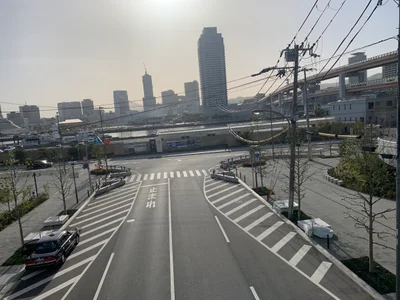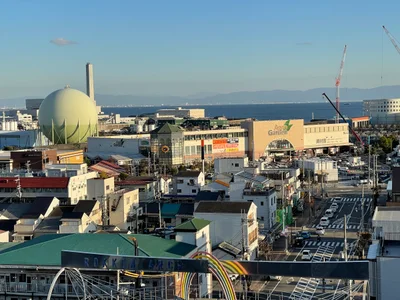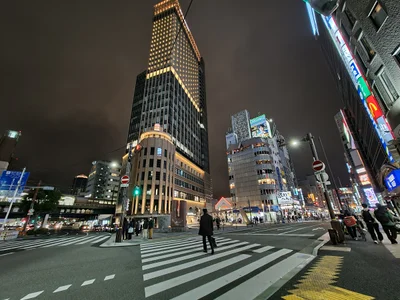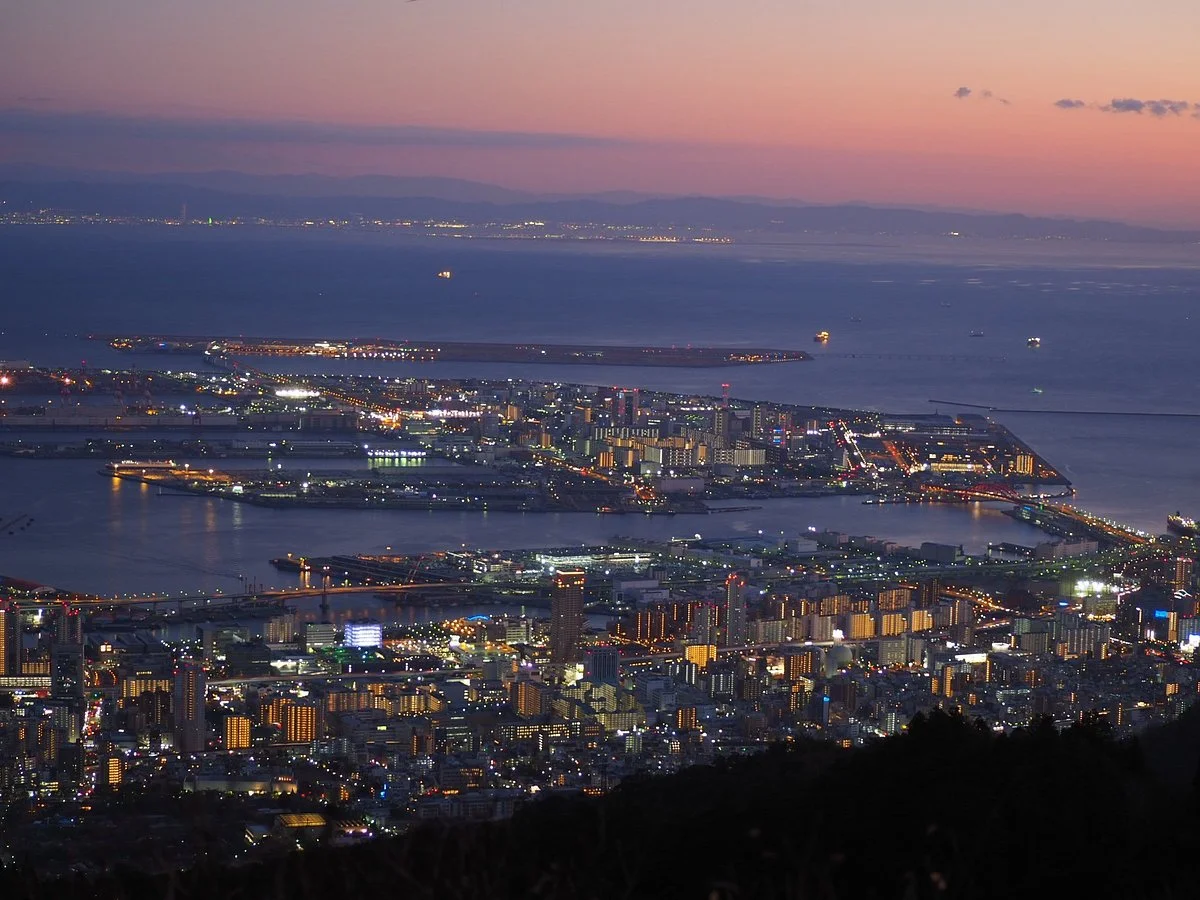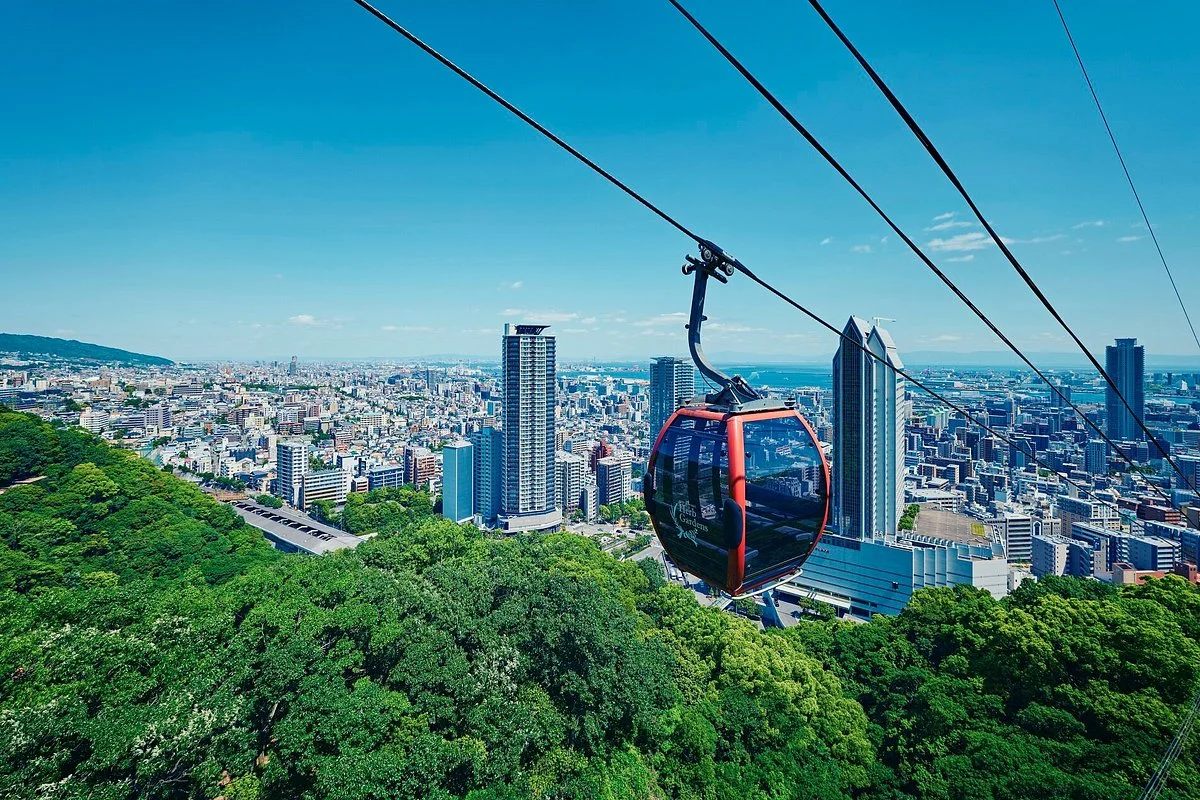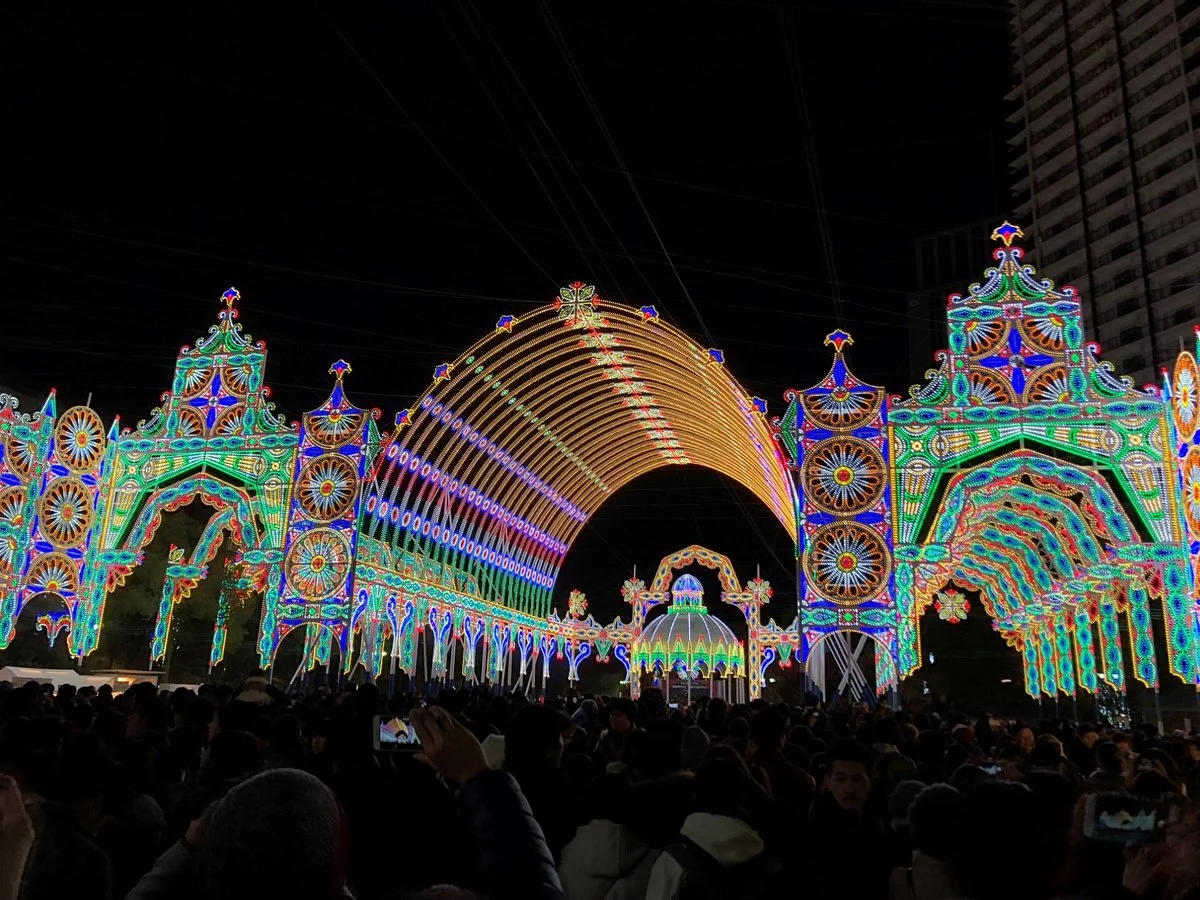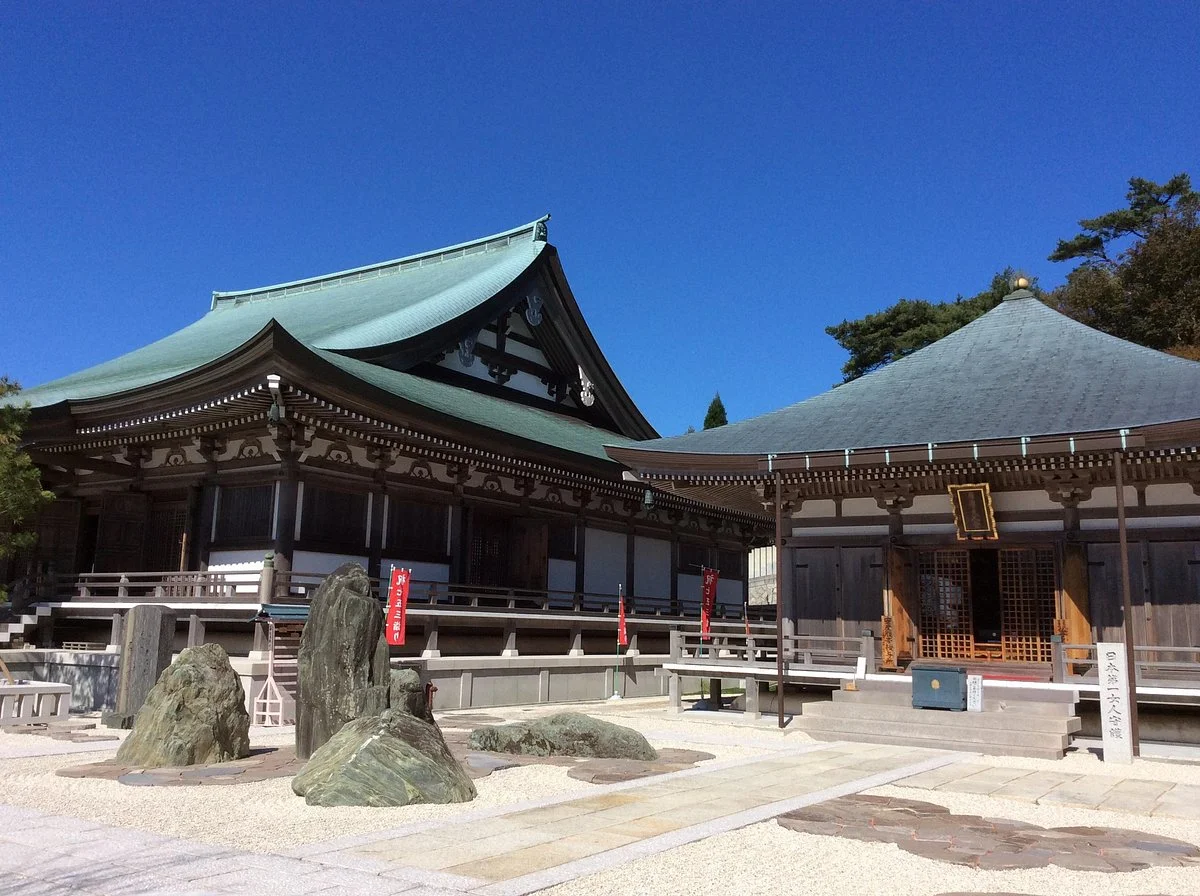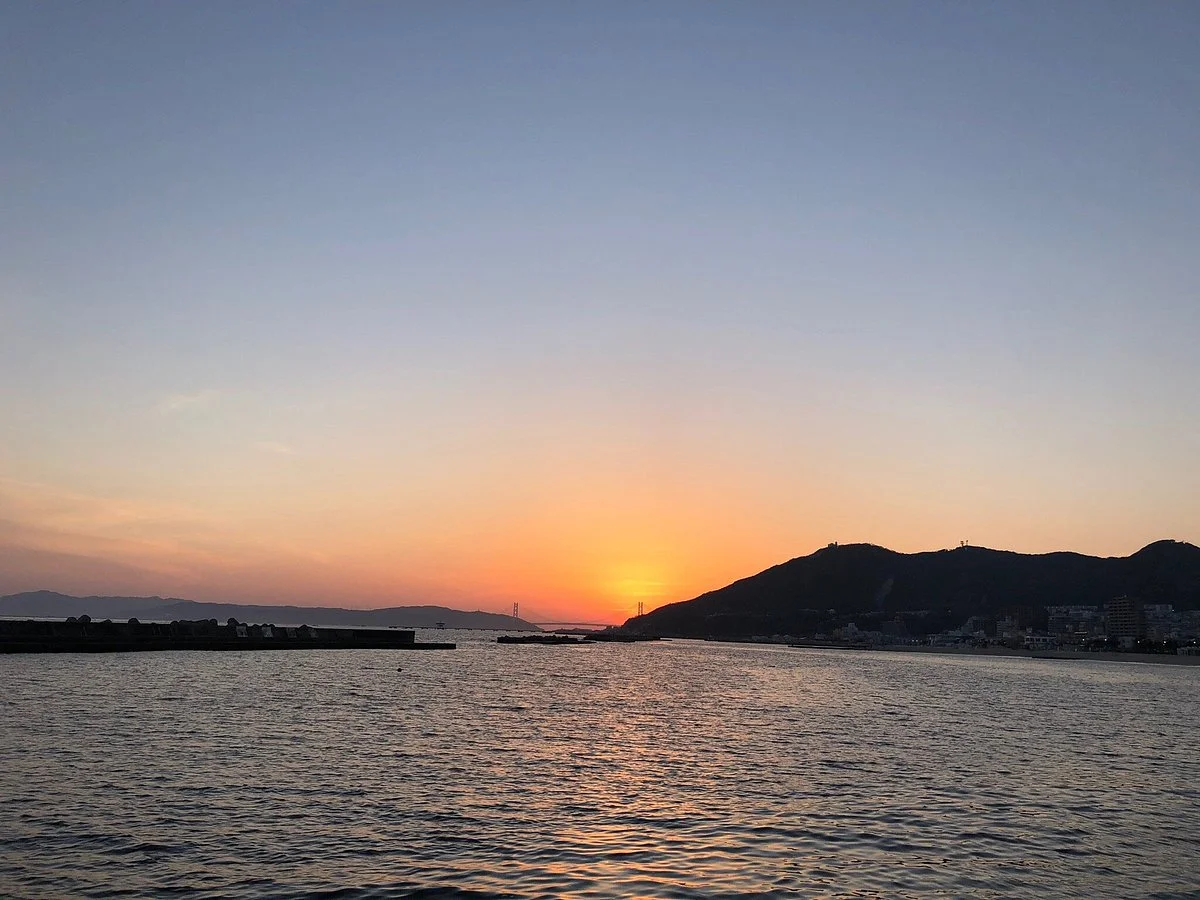
Kobe ( KOH-bay, Japanese: [koꜜːbe] ; officially 神戸市, Kōbe-shi) is the capital city of Hyōgo Prefecture, Japan. With a population around 1.5 million, Kobe is Japan's seventh-largest city and the third-largest port city after Tokyo and Yokohama. It is located in the Kansai region, which makes up the southern side of the main island of Honshū, on the north shore of Osaka Bay. It is part of the Keihanshin metropolitan area along with Osaka and Kyoto. The Kobe city centre is located about 35 km (22 mi) west of Osaka and 70 km (43 mi) southwest of Kyoto.
The earliest written records regarding the region come from the Nihon Shoki, which describes the founding of the Ikuta Shrine by Empress Jingū in AD 201. For most of its history, the area was never a single political entity, even during the Tokugawa period, when the port was controlled directly by the Tokugawa shogunate. Kobe did not exist in its current form until its founding in 1889. Its name comes from Kanbe (神戸, an archaic title for supporters of the city's Ikuta Shrine). Kobe became one of Japan's designated cities in 1956.
Kobe was one of the cities to open for trade with the West following the 1853 end of the policy of seclusion and has retained its cosmopolitan character ever since with a rich architectural heritage dating back to the Meiji era. While the 1995 Great Hanshin earthquake diminished some of Kobe's prominence as a port city, it remains Japan's fourth-busiest container port. Companies headquartered in Kobe include ASICS, Kawasaki Heavy Industries, and Kobe Steel, while over 100 international corporations have their Asian or Japanese headquarters in the city, including Eli Lilly and Company, Procter & Gamble, Boehringer Ingelheim, and Nestlé. The city is the point of origin and namesake of Kobe beef, the home of Kobe University, and the site of one of Japan's most famous hot spring resorts, Arima Onsen.
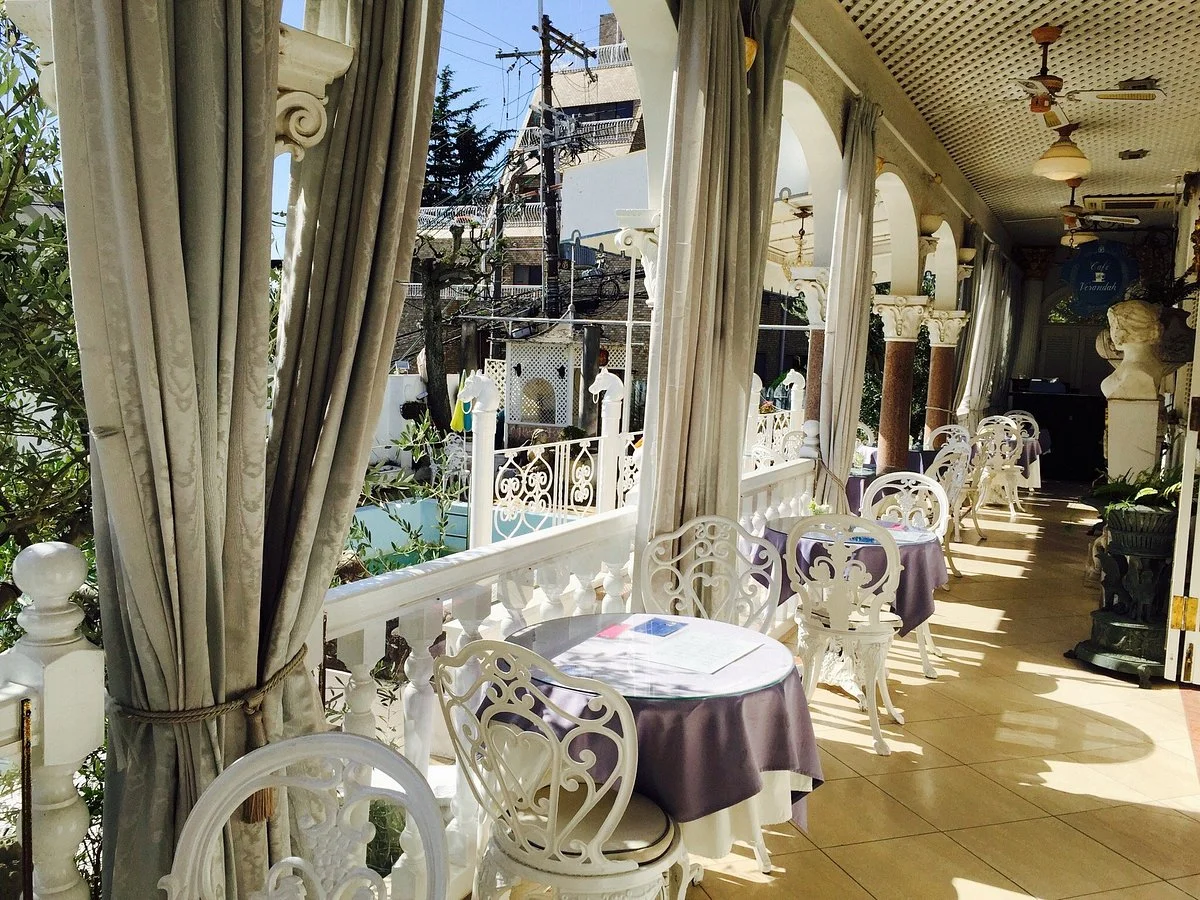
Kobe's main attraction for the Japanese is its concentration of Western-style houses, some dating back to the days when Kobe was opened for foreign trade in 1868. Europeans who grew up in similar scenery may find them less fascinating.
Kobe has many restaurants offering international cuisine.
Kōbe is known worldwide for its Kobe beef, exquisitely marbled, very fatty and very expensive beef. Recommended for a splurge, but expect to pay close to ¥10,000 per 100 grams. At the opposite end of the culinary spectrum is sobameshi (そば飯), a concoction of fried rice and noodles mixed together, which is cheap, filling and pretty much unique to Kobe. For dessert lovers, Kobe is also famous among the Japanese for its cheesecakes.
= Kobe's specialty are tachinomiya, literally stand-and-drink bars.
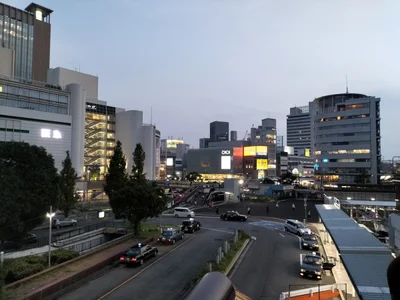
Kōbe's shopping is clustered around the Sannomiya train station and the Center-Gai shopping arcade leading off from it. Many of the unassuming little cafes and specialty shops in the arcade in fact have histories tracing back well over a hundred years.
Piazza Kōbe (ピアザ神戸) and Motokō Town (モトコータウン) are the two names of essentially one long arcade where all manner of second-hand goods are sold. These stores are underneath the JR lines, running from Sannomiya station, past Motomachi Station, to Kōbe Station. Motoko sells a variety of things such as books, clothes, shoes, accessories, knives, lighters, toys...... You can get heaps of things.
Kōbe has a wide variety of accommodation, ranging from love hotels near Shin-Kobe to luxury hotels by the waterfront. If you're looking for cheaper alternatives, ask at the tourist information office in Sannomiya station (they speak English).
If you don't find a hotel, Osaka is only 20 minutes away on the JR line for ¥390.
=
From Kobe Airport, the Port Liner light rail to Sannomiya Station runs about every 10 minutes (18 minutes, ¥330). Sannomiya Station offers connections to the Japan Rail (JR), Hanshin, Hankyu and subway lines. From there, a small trip on the subway will link you to the Shin-Kobe bullet train station (¥200). If coming from Sannomiya to the airport, be sure to board a train marked "Kobe Airport", as some head to the Kita Futo branch line instead.
Kansai International Airport (KIX) is 70 km from Kobe and is the nearest international airport. The fastest way to get there is on the Kaijo Access high-speed ferry from Kobe Airport, which runs every 45 minutes (29 minutes, ¥1,850 or ¥1,000 for foreign visitors). However, if you are coming from or going to Sannomiya Station or Rokko Island, it's nearly as fast and less of a hassle to take the Airport Limousine bus (60–75 minutes, ¥2,000 one-way, ¥3,00 round-trip, bus stop 6). Alternatively, you can take the JR Kanku Kaisoku (関空快速) rapid to Osaka station and change there to the Shin-kaisoku (新快速 - Special Rapid) that runs to both Sannomiya and Kobe stations (90 minutes, ¥2,410).
Itami Airport (ITM), officially known as Osaka International Airport but catering almost entirely to domestic flights, is 30 km northeast of Kobe. Airport buses operate service to/from Sannomiya Station (40 minutes, ¥1,050). This airport is convenient for passengers arriving Tokyo-Haneda and Tokyo-Narita International Airport from overseas, with connecting flights (may offer baggage through service, depending on flights).
A cosmopolitan port city with an international flavor, hemmed in by Mt. Rokko, Kōbe is often ranked as the best place for expatriates to live in Japan. The city has a population of over 1.5 million people (2019).