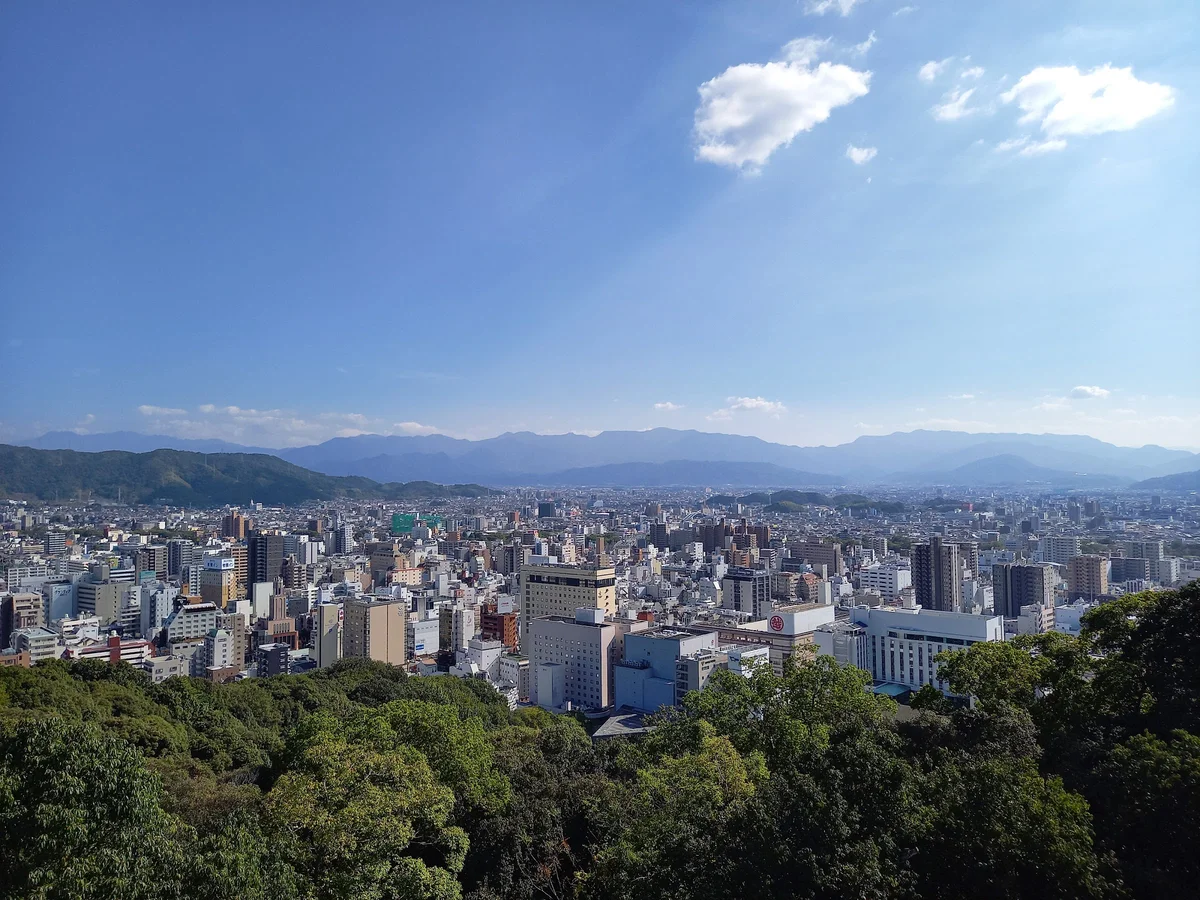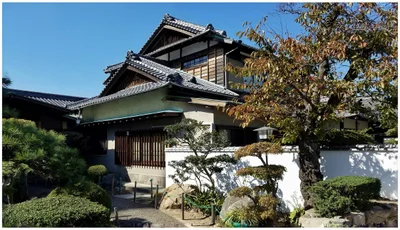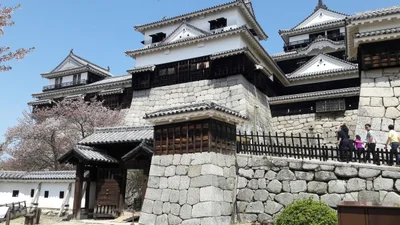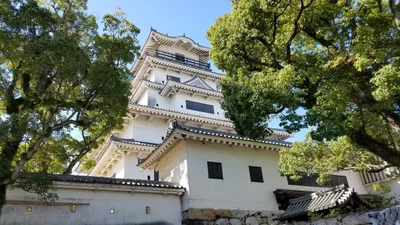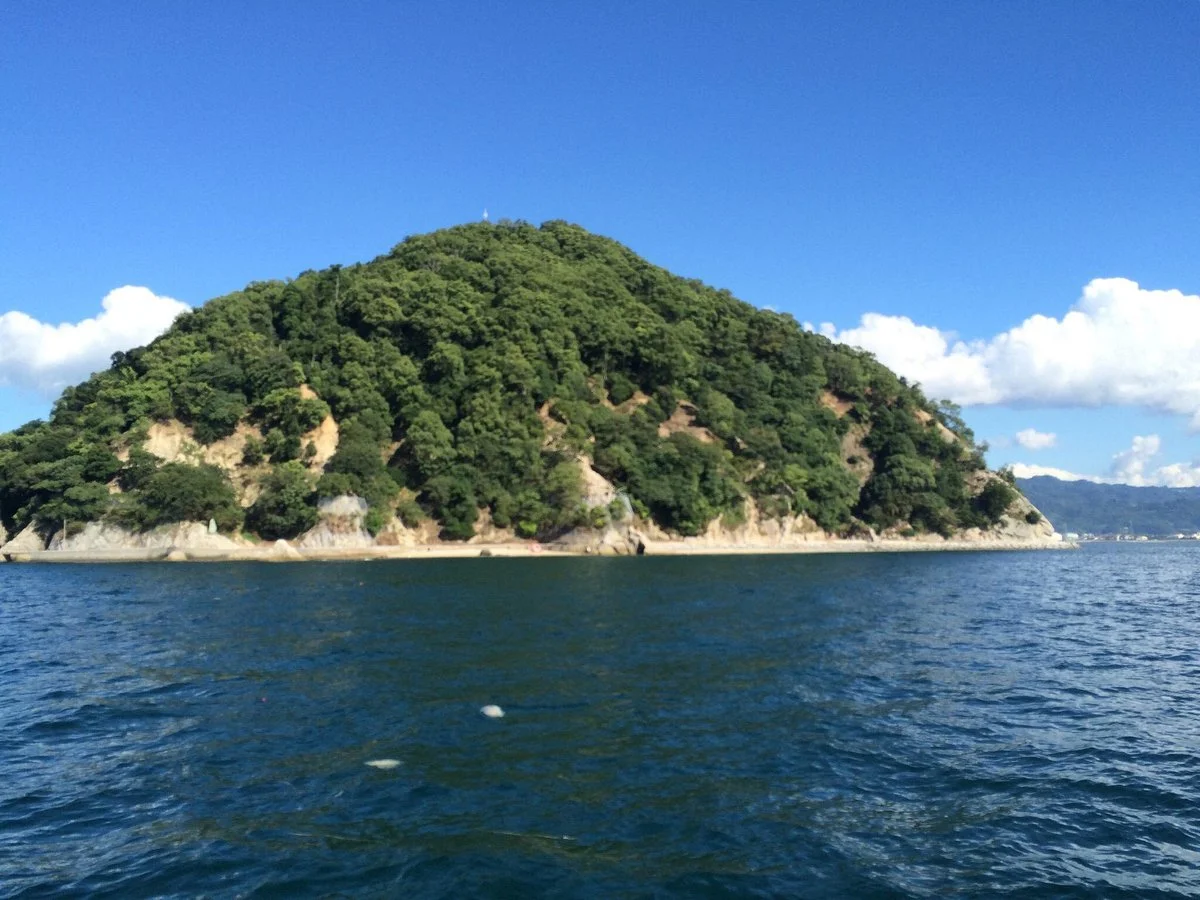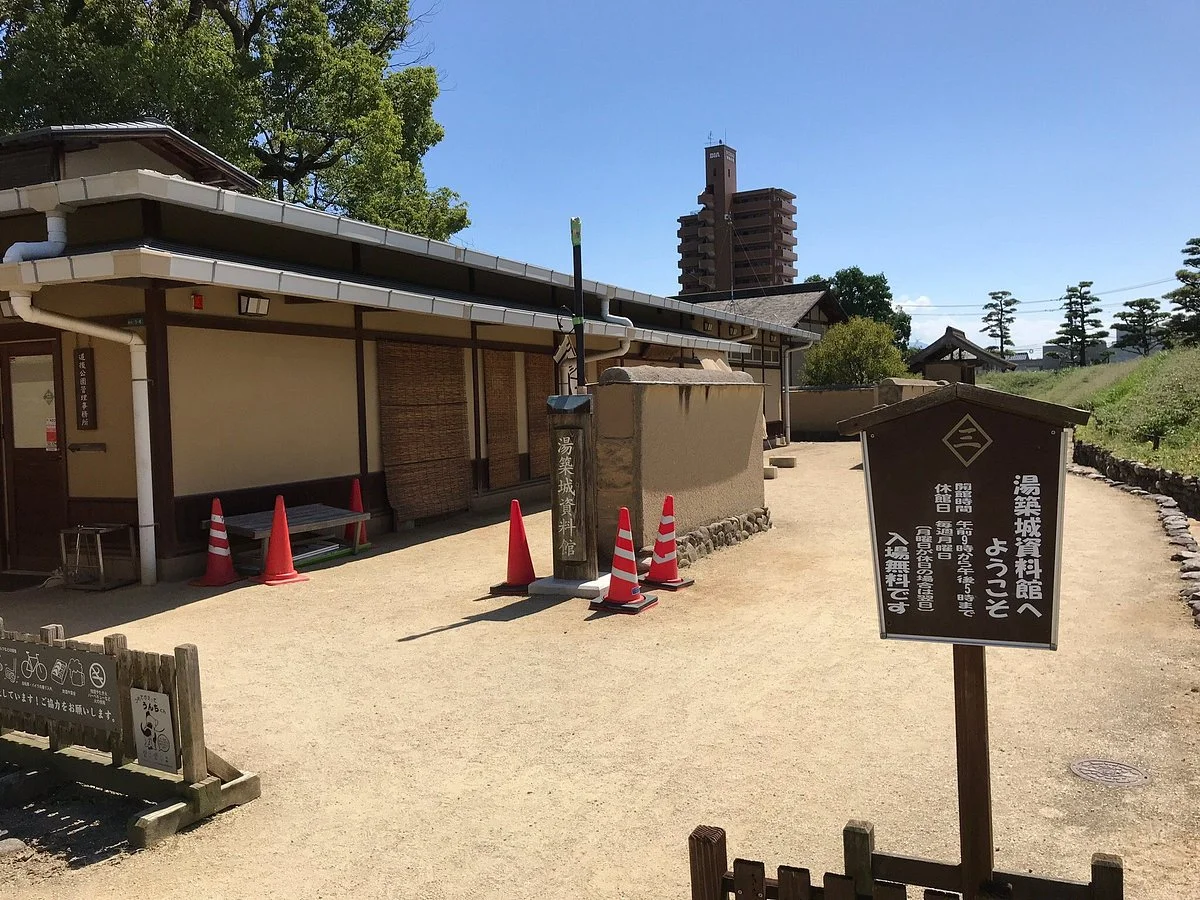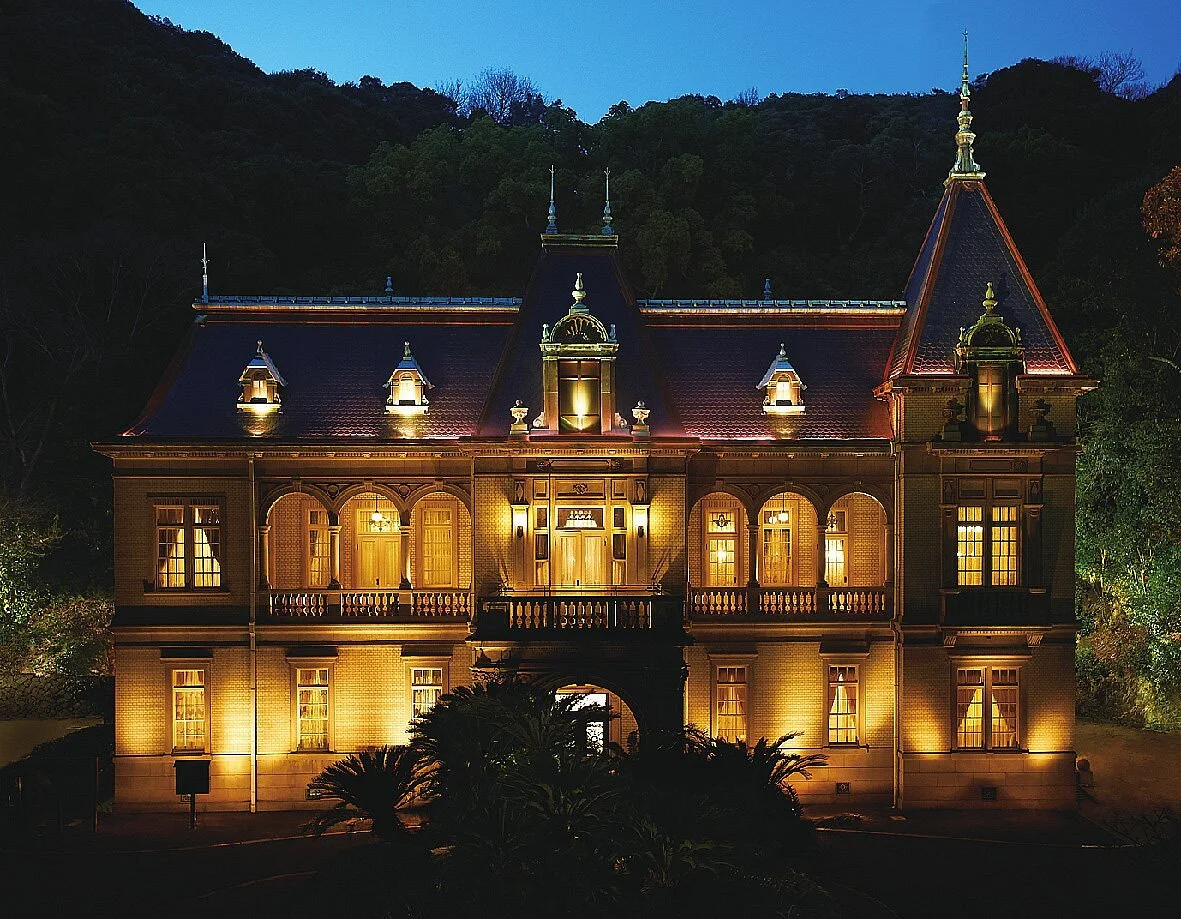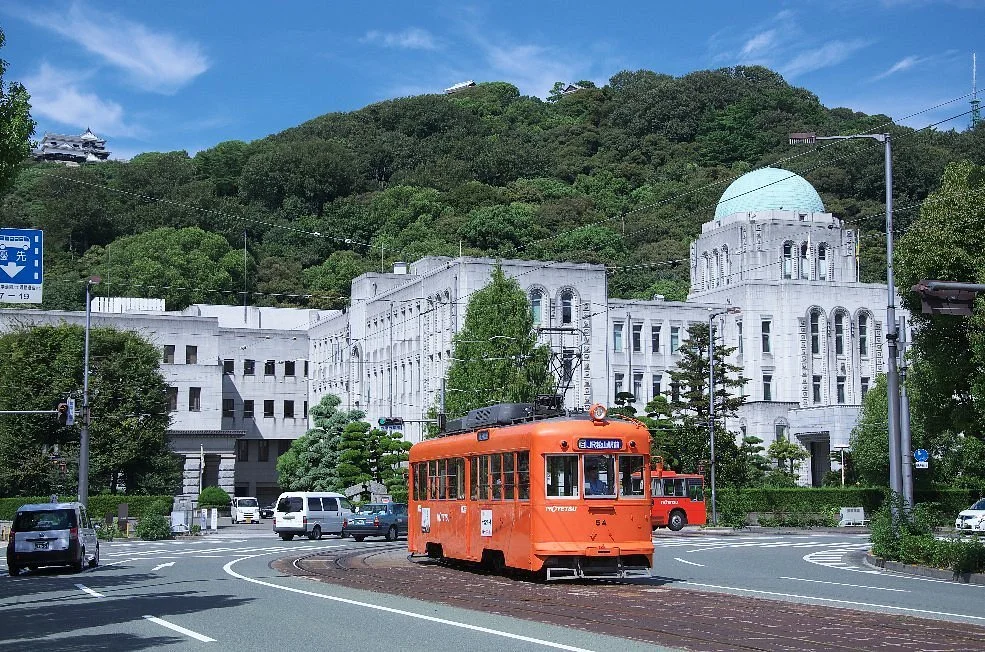
Matsuyama (松山市, Matsuyama-shi, Japanese: [matsɯꜜjama]) is the capital city of Ehime Prefecture, on the island of Shikoku, in Japan and is also Shikoku's largest city. As of 1 October 2022, the city had an estimated population of 505,948 in 243,541 households and a population density of 1200 persons per km2. The total area of the city is 429.35 square kilometres (165.77 sq mi).
While having read Sōseki's novels or Shiki's haiku is by no means essential to enjoy most of these sites, it will probably represent the difference between whether you find them evocative pieces of history or just a pleasant collection of Meiji-era buildings.
In January 2019, renovation works started on the Dogo Onsen Honkan during which the bath house is closed partially over the period of seven years. During the first of two phases of the renovation works, two small baths on the first floor remain open to visitors (one for each gender), while the rest of the building, including the rest areas on the second and third floors, gets closed. Some parts of the building will be covered up by scaffolding; however, some of the building's sides (the front and north sides during the first phase of the renovations) will intentionally be kept free of scaffolding to reduce the impact on tourism. — Address: 5-6 Yunomachi, Dōgo — Phone: +81 89-943-8342 — Website: http://www.dogo.or.jp/
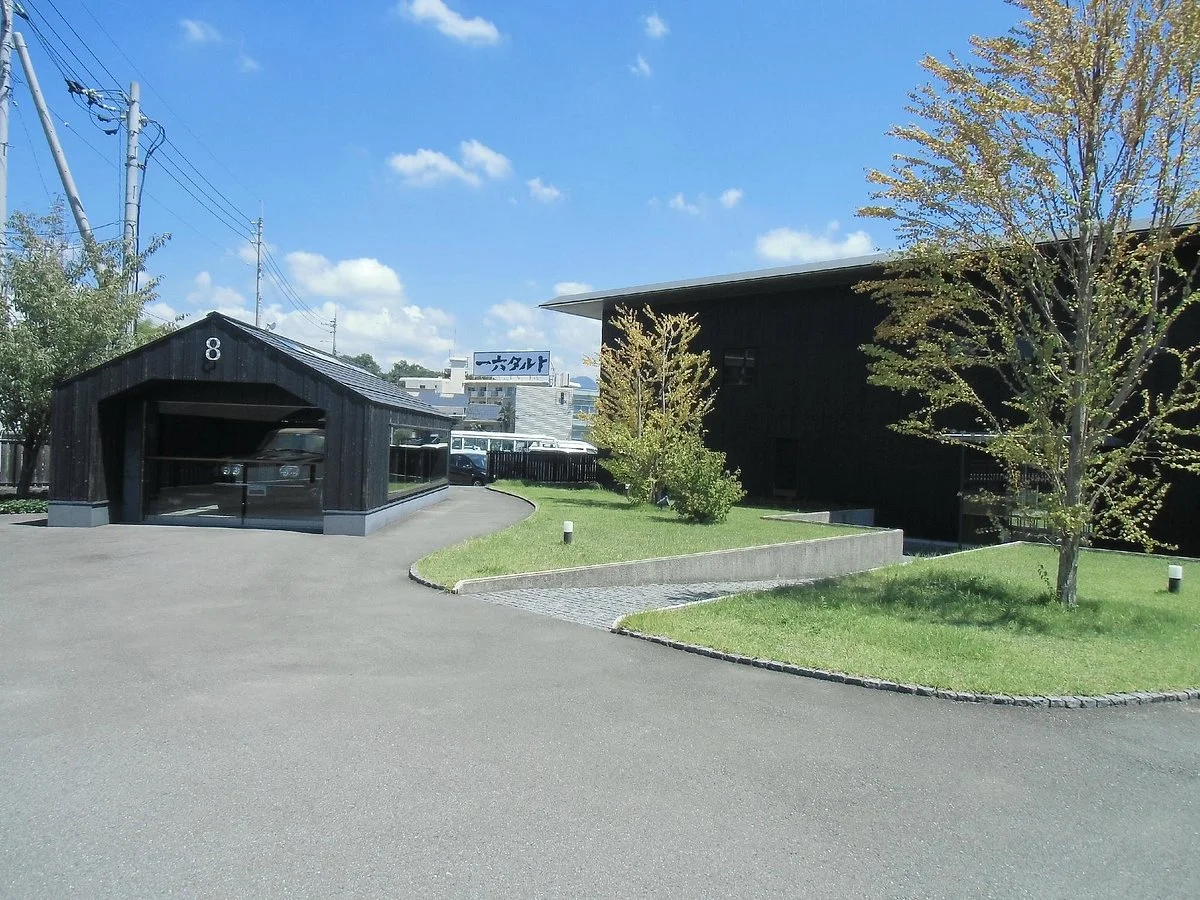
Matsuyama is a great place to indulge a sweet tooth. Botchan dango (坊ちゃん団子) headline every sweet shop in town. They're skewered rice dumplings covered in bean paste dyed with green tea, eggs, and azuki beans. This soft, sweet snack was popularized by Sōseki, who had such a weakness for them that he included the treats in Botchan. Another local favorite are the cute little tarts (タルト). Originally derived from Nagasaki's Castella cake in the 1600s, the Matsuyama variety replaces jam with azuki bean paste, and rolls up the cake.
For a healthier sweet, citrus fruits come in a multitude of species, including iyokan (grapefruit-like) and dekopon (huge, orange and puckered). mikan (mandarin orange) are mainly harvested in the fall and are very cheap, but they're so treasured that they are used as offerings to ancestral spirits first - living people eat them only some days later.
The drinking district is fairly well-concentrated; the streets around the Okaido Arcade are the place to begin a bar crawl.
A stroll around Dōgo Onsen, particularly the Yunomachi shopping corridor, will turn up plenty of tourist-oriented souvenir shops. Look for Iyo Kasuri cloth, which was traditionally woven with thread-dyed indigo, but is now made in many vibrant hues and is used for clothing, toys and accessories. (Kasuri means "splashed pattern".) Another item of note is Tobe pottery, which boasts a history of over 220 years. Designated a National Traditional Craft, it's valued for its thickness and simplicity, and the sensual contrast of the indigo against pristine white ceramic ware. Shops in Yunomachi sell Tobeyaki, but Tobe the town is not far from Matsuyama if you'd prefer to go to the source.
The Gentangai Arcade, just east of Shieki, is the place to look for more contemporary and eclectic items.
If you plan on staying for an extended period of time (or believe you will spend more than ¥2000 on transportation), you may want to buy an IC Card at Shieki, which gives 10% discounts on all Iyotetsu transportation (including taxis).
Traveling on foot is an entirely viable way of getting around downtown at a comfortable pace.
With a population of 510,000 (2019), Matsuyama is the largest city on Shikoku, though still noticeably sleepier than cities of comparable size on the Japanese mainland. The city is in a river basin formed by the flow of the Ishite and Shigenobu rivers, and nestled between the Ishizuchi mountain range to the south and Takanawa Mountains to the north. The center of town is Matsuyama-shi Station (松山市駅, "Shieki" for short), south of Matsuyama Castle, which serves as a hub for local trams, buses, and the private Iyotetsu train line. JR Matsuyama Station is a short walk west.
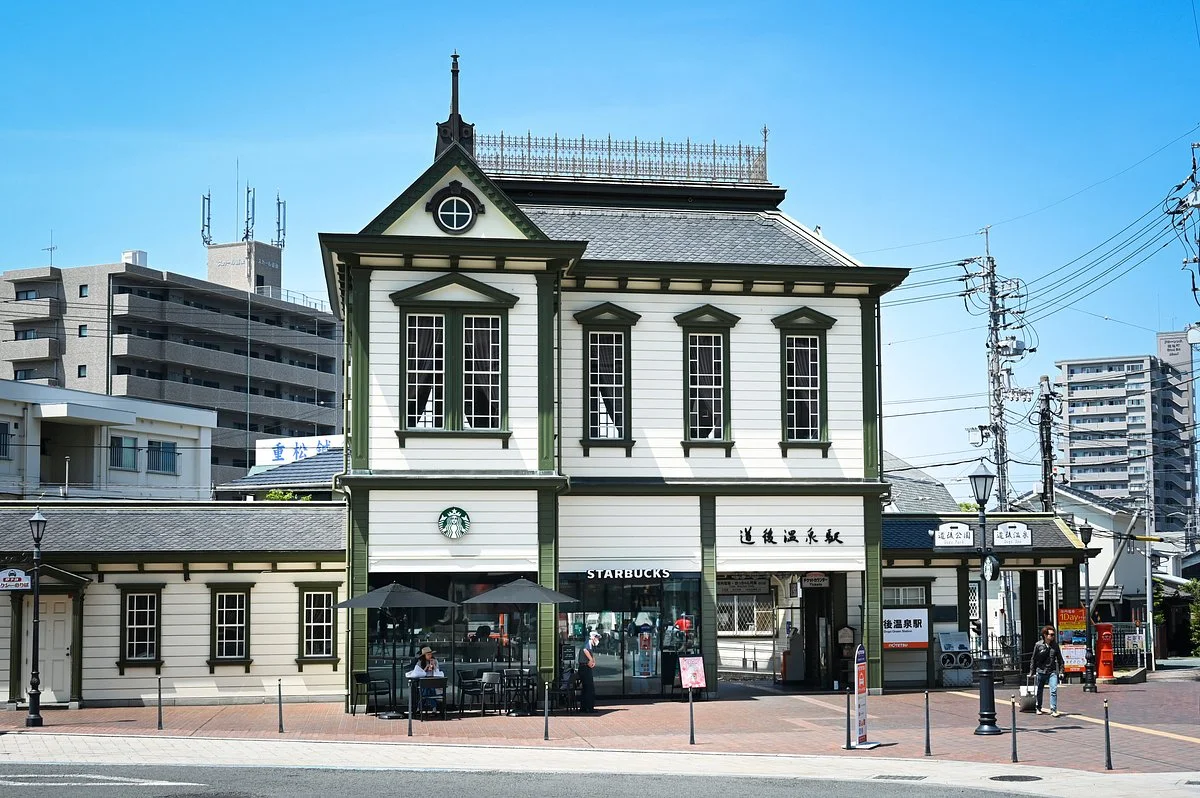
The climate of Matsuyama is overall mild and temperate — somewhat balmy in summer, with most rainfall occurring in late spring, and almost no snow in winter. However, the city's star attraction — Dōgo Onsen (道後温泉) — is a good time in any season, drawing serious hot spring enthusiasts and newcomers alike to its steamy waters. This public bathhouse is thought to be the oldest in Japan, a claim reinforced by its mention in the second oldest book of Japanese history, Nihon Shoki (720 AD).
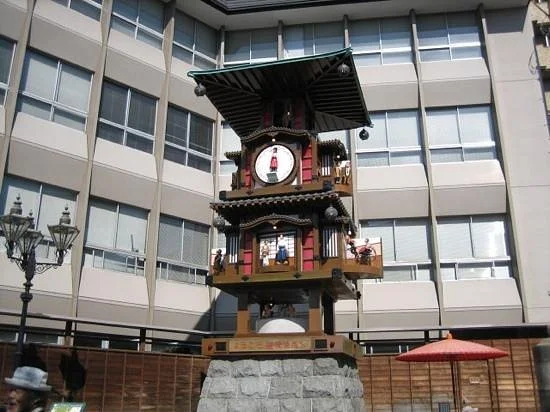
But Dōgo and its surroundings are better known for their place in another classic Japanese book, Botchan (1906). Renowned novelist Natsume Sōseki (夏目漱石) wrote Botchan while living and working in Matsuyama as a teacher. Although the area does not come off well in the Edo-phile's description, the town nevertheless celebrates the connection with a variety of events and displays.
Sōseki’s friend and mentor, Masaoka Shiki (正岡子規), was a native of Matsuyama and one of the four great masters of haiku. Born to a lower class samurai family, Shiki had a modest childhood. Thanks to his education and an uncle in public office, Shiki was able to enter Tokyo Imperial University to study philosophy and politics, and later became a journalist covering the Russo-Japanese War. His literary career began when he started criticizing the Edo period's iconic haiku artist Matsuo Bashō and praising Yosa Buson, whose work he felt was brief yet refined. Shiki is credited with revitalizing Japanese poetry and modernizing its themes, thus making the short verse once again relevant to modern Japanese culture.
Matsuyama's bastions of literary pride span centuries, and many of the city's attractions celebrate that heritage with unabashed cheer. In the words of one native, referring the character from Botchan (not the pop star): "We don't have geisha — we have Madonna!"