Get around Due to the merger in 2004, Saijō encompasses a wide area of about 509 km². Local help or basic Japanese may be useful in getting around anywhere outside the stations on the main JR Yosan line.
Public transportation within Saijō can be somewhat limited as trains and buses come and go infrequently. But it is extensive.
Taxis are available at all seven stations on the JR Yosan Line that lie within the Saijō city limits between about 07:00 and just after midnight. They run later on important nights of the festival. Expect to pay about ¥1200 for 3 km, with the price quickly rising per kilometer after that.
There are two useful regional bus lines run by Setouchi Bus that pass through Saijō hourly from the morning to about 20:00. The express lines run from nearby Niihama to Imabari or Matsuyama and stop at many places throughout Saijo depending on the line. On top of these main regional lines, there are many local lines that branch off into quieter areas, especially in Tanbara and Saijo proper. Japanese knowledge is recommended if you want to use the bus system.
For sightseeing, a dedicated bus runs between Iyo-Saijō station and the Asahi Brewery. There is also a bus that leaves from Saijō station with limited runs in the morning to a lift used to visit Mount Ishizuchi, which is on the southern border of Saijō.
Rental bicycles are available at the Saijō Tourism Center next to Iyo-Saijō station for ¥200/hour. Most of Saijō is relatively flat and easily bikeable.
Read more See • • Shikoku Railway Culture Museum — This lovely museum houses a first-generation 0 Series Shinkansen bullet train car and a JNR Class DF50 diesel locomotive (No. DF50 1), and a building displaying three more historical train cars. One building is dedicated to Shinji Sogō, known as the "father" of the bullet train, who is from the Saijō area. — Directions: on your right when exiting Iyo-Saijō station — Website: http://s-trp.jp/
• • Kōmyō-ji — A beautiful modern Buddhist temple designed by legendary architect Tadao Ando. — Directions: 15 minutes walk from Iyo-Saijō station, on your right — Website: http://www.koumyouji.com/
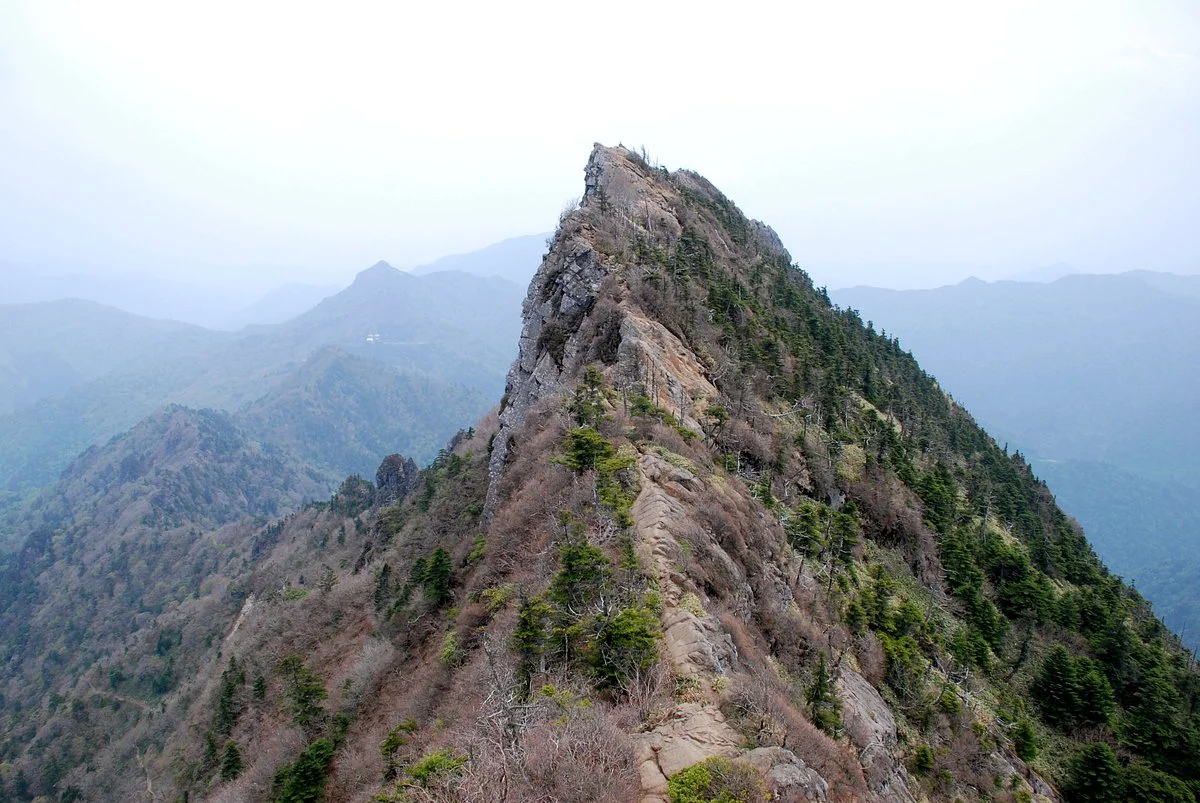
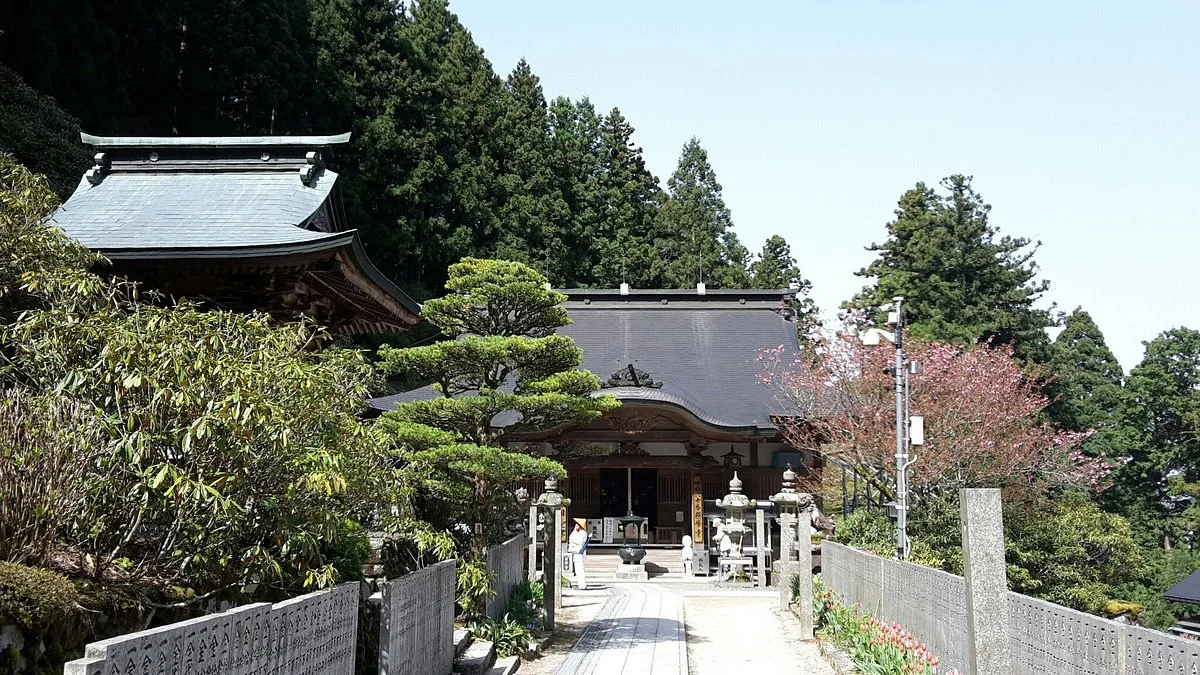
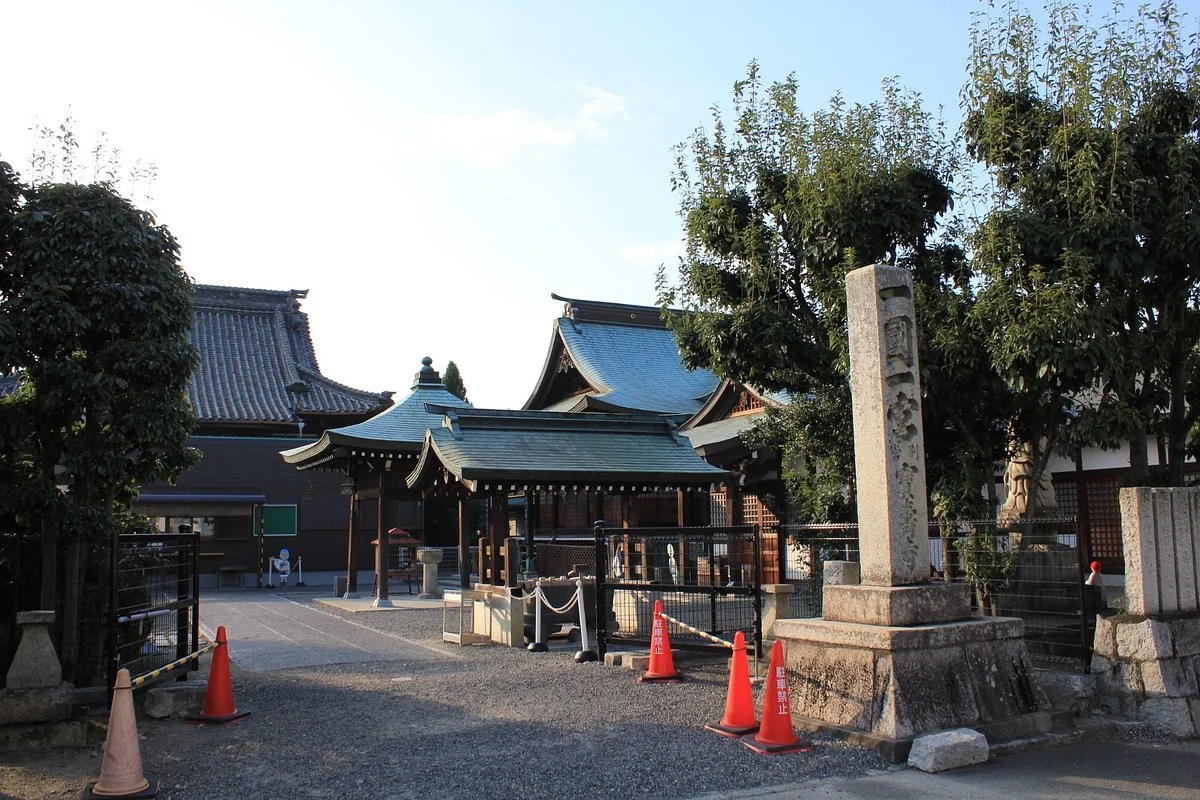
Temples 60 through 64 on the Shikoku 88 Temple Pilgrimage fall within Saijo city limits. Temple 60, Yokomineji (横峰寺) is considered the most difficult temple to reach because of its lack of access by ropeway and the tough climb to get there. The closest rail access is from Iyo-Komatsu (伊予小松) station, where you will also find nearby temples 61 and 62, Ko-onji (香園寺) and Hojuji (宝寿寺, respectively. Temple 63, Kichijoji (吉祥寺) is an easy walk from Iyo-Himi (伊予氷見) station. Walk up the road without crossing the train tracks and make a right at the first small street, at the next corner it will be on your right. Temple 64, Maegameji (前神寺) is at the foot of Mt. Ishizuchi, and like Yokomineji it is particularly hard to access by walking. The closest train stop is, again, Iyo-Himi station. If you are interested in visiting these temples, it might be easiest to arrange to go with a bus tour with Setouchi Travel Company (in Japanese).
The Kamo river runs through Saijo highway between Iyo-Saijo (伊予西条) and Ishizuchi-yama (石鎚山) stations, and at the river there is a particularly pretty spot for cherry blossom viewing where the river comes down from the mountains and meets Route 11. From the station, take a 10 minute walk down Ekinishidori until you reach a fountain and uchinuki (water spring for which Saijo is famous), make a left there and continue until you reach the road on the other side. Make a left at that road until you reach Route 11, right before it becomes the bridge over the Kamo River. Cross the road, then walk right toward the bridge. Make a left atop the levee (hill) next to the river until you reach a street lined with trees. You will reach a park and if you continue up this street there is a pleasant hill you can hike up, the entire hike is about 25 minutes, and affords pleasant city views, particularly in the early morning or late afternoon/evening.
Also, if you ride the train to Ishizuchijinja Station (石鎚神社駅), it is about a ten minute walk from there to the entrance road to Ishizuchi Shrine (not to be confused with access to hiking the mountain, which is more easily done by taking a bus from Saijo station to the ropeway.) The shrine is in homage to the spirit of Mt. Ishizuchi, and is a secluded and nice place to visit with commanding views of the surrounding area. Just head toward giant red gate, visible from the station platform.
File:Yokominezi0ɾ.jpg|Yokomineji
File:Koonji 02.JPG|Ko-onji
File:Hojuji 01.JPG|Hojuji
File:Mikkyozan Kichijoji 02.JPG|Kichijoji
File:Maegamizi01.jpg|Maegameji
Read more Do • Saijō, Himi, and Tachibana Autumn Festivals - The busiest festivals are in the area of Old Saijō and run from October 14–17 at three shrines in the city. The largest of the three is the Isono Shrine Festival from October 15-16th. This festival starts just after midnight and is recommended for the atmosphere alone. The Saijō festivals feature over 100 hand-carried portable shrines known as danjiri, which are up to 5 meters tall and weigh over 600 kilograms. One part of the Old Saijō festivals is the "kawa-iri" (entering the river), where a dramatic scene takes place on the Kamogawa river near the route 11 bridge involving many of the danjiri trying to block the way of the "mikoshi" - a massive lantern covered portable shrine that is said to carry a venerated Shinto deity. Smaller but still impressive festivals take place in Himi and Tachibana around the same time as in Saijo festival. These festivals take place at shrines in more rural parts of Saijō and have a very intimate atmosphere. They are rarely visited by people from outside the town. The festivals feature temporary markets with Japanese festival food and plenty of displays of pride and strength by the danjiri as they roam the city carried by singing men and women in traditional clothing. Detailed information on the festivals in Saijō, Himi, and Tachibana be found in Japanese here. If you are in town for the festivities, be prepared to be offered lots of food and drinks by fellow festival-goers. Saijō's citizens are known in Ehime as matsuri-baka ("crazy about the festival") because of the size and intensity of their fall festival.
• Komatsu, Tanbara, and Toyo Autumn Festivals - There are many other autumn festivals that one can catch with proper planning in the areas of Komatsu, Tanbara and Toyo. Komatsu's festival usually starts later than Saijo's. On the first night, the danjiri congregate at Komatsu Elementary School to show off their strength as those carrying them shout, "Sorya!". Then they are carried in a procession for many kilometers along old roads between harvested rice fields. Often a local child is beating a taiko drum inside as the danjiri-bearers sing old songs. It is recommended that you tag along. On the final night the Danjiri move from their home areas and gather at Mishima Shrine, located atop a mysterious kofun.
Some of the younger locals who are not tied to any particular danjiri-carrying group are known to hop from festival to festival to party for as long as possible.
• Aqua Route - This walking tour starts at the Saijō Tourism Center, which is on the right when exiting Iyo-Saijō station, next to the Shikoku Railway Culture Center. Saijō is as famous for its clear mountain spring water as for its festival, maybe even more so. These water springs naturally bubble up in the town and have been built into springs called uchinuki (http://www.city.saijo.ehime.jp/life/3/28/122/). The Saijō Tourism Center can give you a map (English available) and short description of a route through town to many of these springs. Bring your own bottle and drink the fresh water, which many citizens pump directly into their homes! The route goes by the grounds of the old Saijō Castle, now Saijō High School, which still has a moat and castle gate. It also goes by some pleasant fountains and tree-lined avenues.
Read more Drink On the road in front of the station are several Japanese style pubs. Also about a 10-minute walk from the station is a street that has the majority of bars in Saijo. Making a left from the station onto Ekinishidori, cross the street and make a right onto the street directly after Iyokko ramen. About 3 blocks up this street are a string of pubs and bars, including the highly recommended '''World's End Cafe'''. The owner speaks a fair bit of English, and can make any drink you can think of if you can describe it to him. It also has a fair amount of imports and microbrewery beers, with Kirin on tap.
Read more