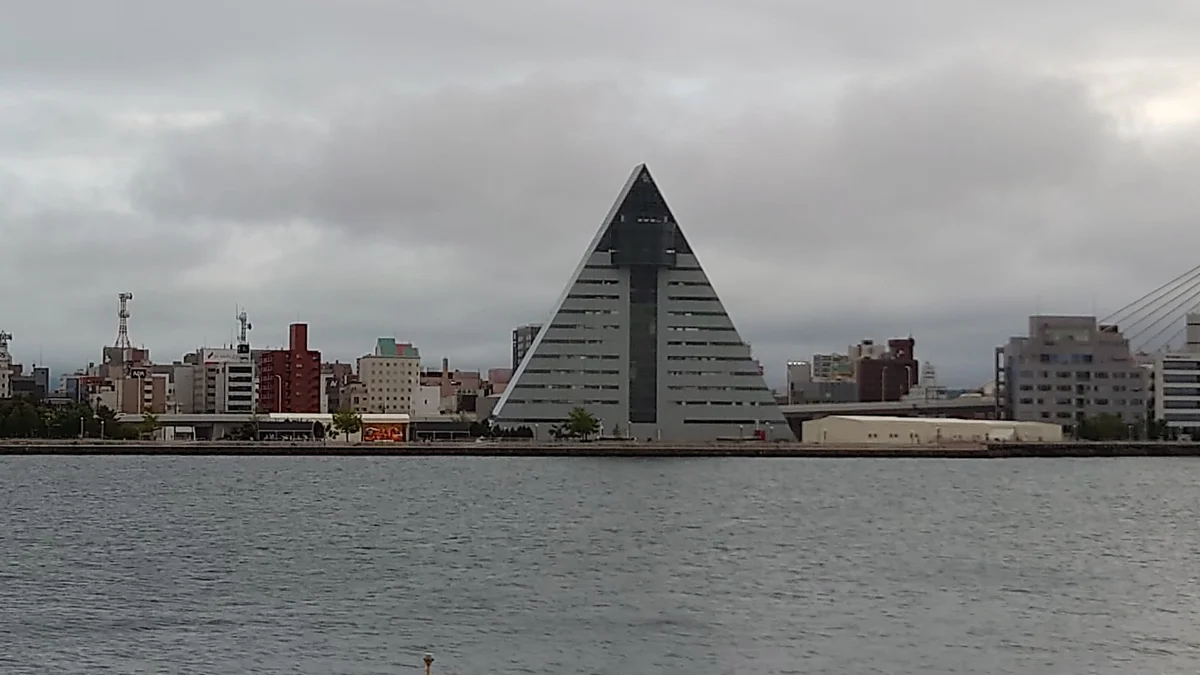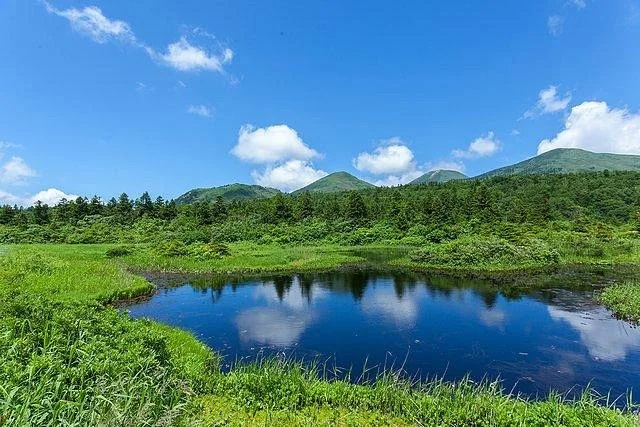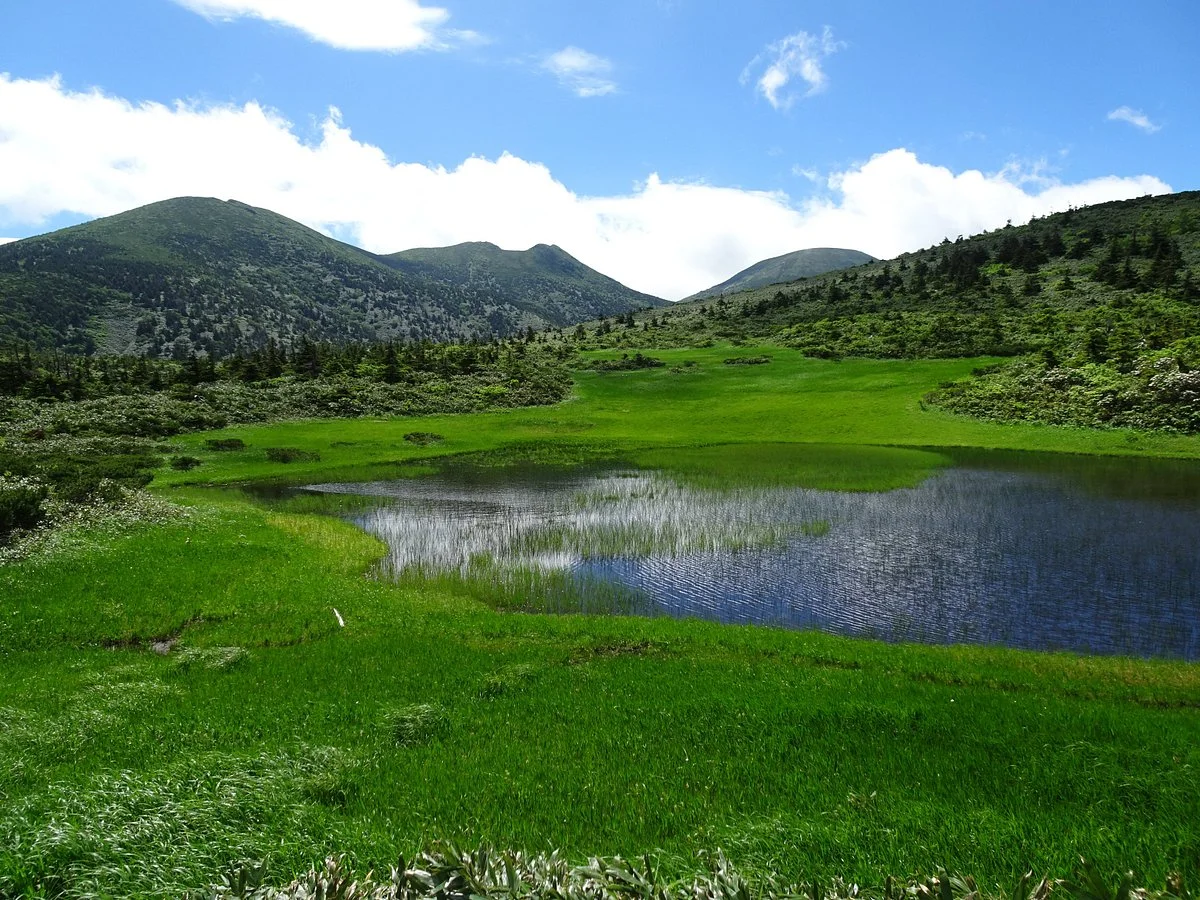
Aomori Prefecture (青森県, Aomori-ken) ([a̠o̞mo̞ɾʲikẽ̞ɴ]) is a prefecture of Japan in the Tōhoku region. The prefecture's capital, largest city, and namesake is the city of Aomori. Aomori is the northernmost prefecture on Japan's main island, Honshu, and is bordered by the Pacific Ocean to the east, Iwate Prefecture to the southeast, Akita Prefecture to the southwest, the Sea of Japan to the west, and Hokkaido across the Tsugaru Strait to the north. Aomori Prefecture is the 8th-largest prefecture, with an area of 9,645.64 km2 (3,724.20 sq mi), and the 31st-most populous prefecture, with more than 1.18 million people. Approximately 45 percent of Aomori Prefecture's residents live in its two core cities, Aomori and Hachinohe, which lie on coastal plains. The majority of the prefecture is covered in forested mountain ranges, with population centers occupying valleys and plains. Aomori is the third-most populous prefecture in the Tōhoku region, after Miyagi Prefecture and Fukushima Prefecture. Mount Iwaki, an active stratovolcano, is the prefecture's highest point, at almost 1,624.7 m (5,330 ft).
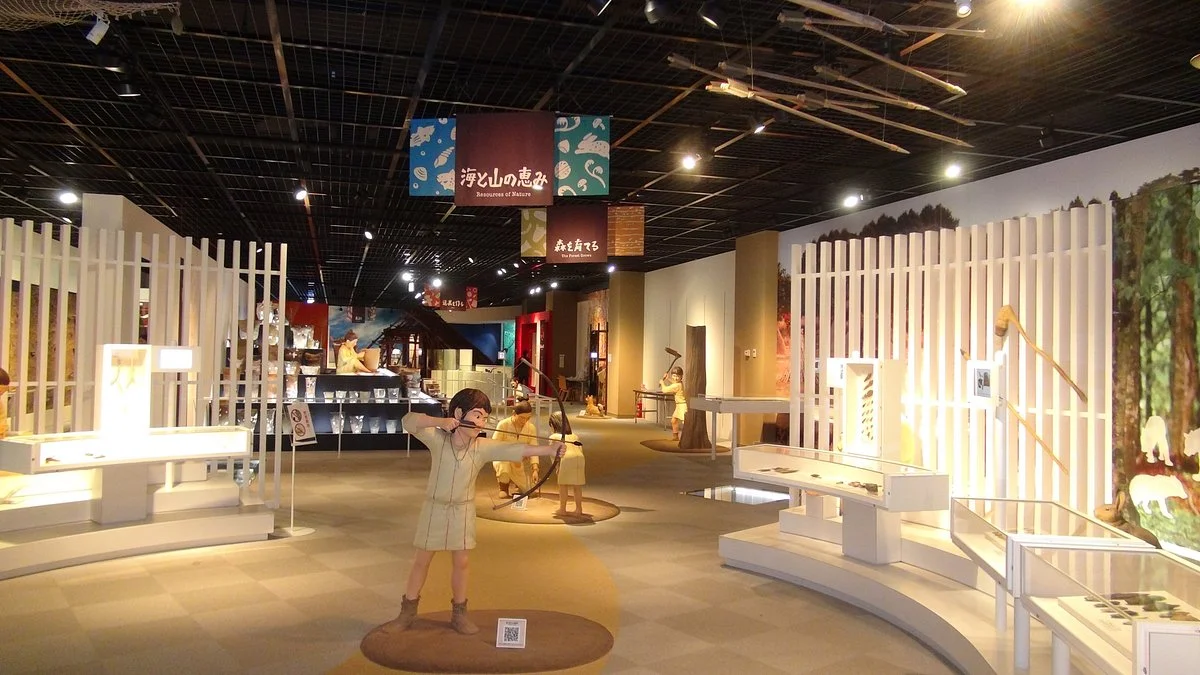
Humans have inhabited the prefecture for at least 15,000 years, and the oldest evidence of pottery in Japan was discovered at the Jōmon period Odai Yamamoto I site. After centuries of rule by the Nanbu and Tsugaru clans, the prefecture was formed out of the northern part of Mutsu Province during the Meiji Restoration. Though the prefecture remains dominated by primary sector industries, it also serves as a transportation hub due to its location at the northern end of Honshu.
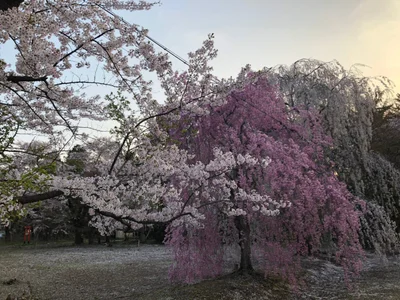
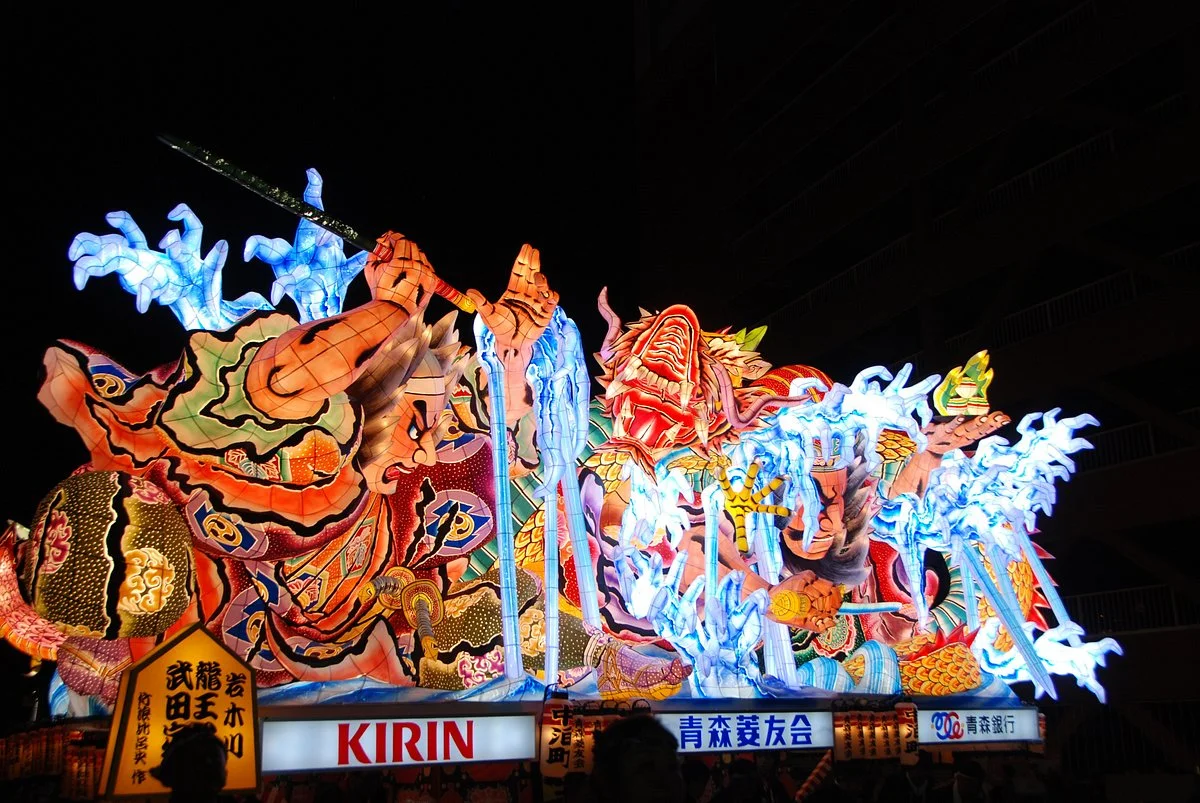
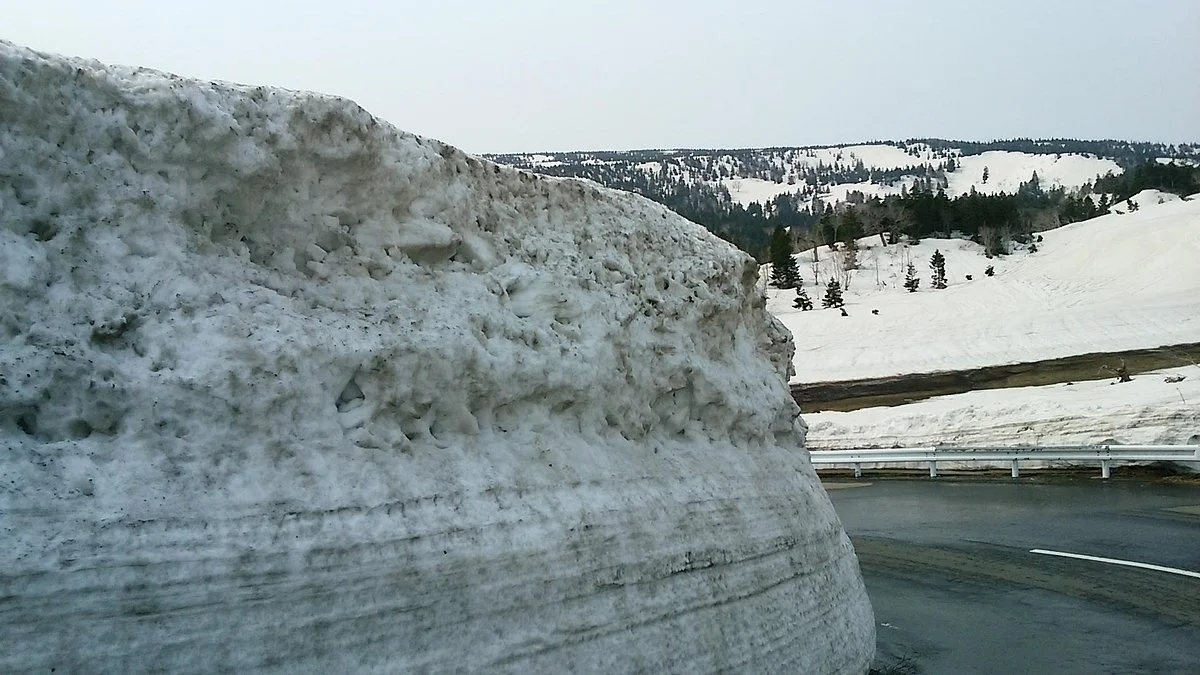
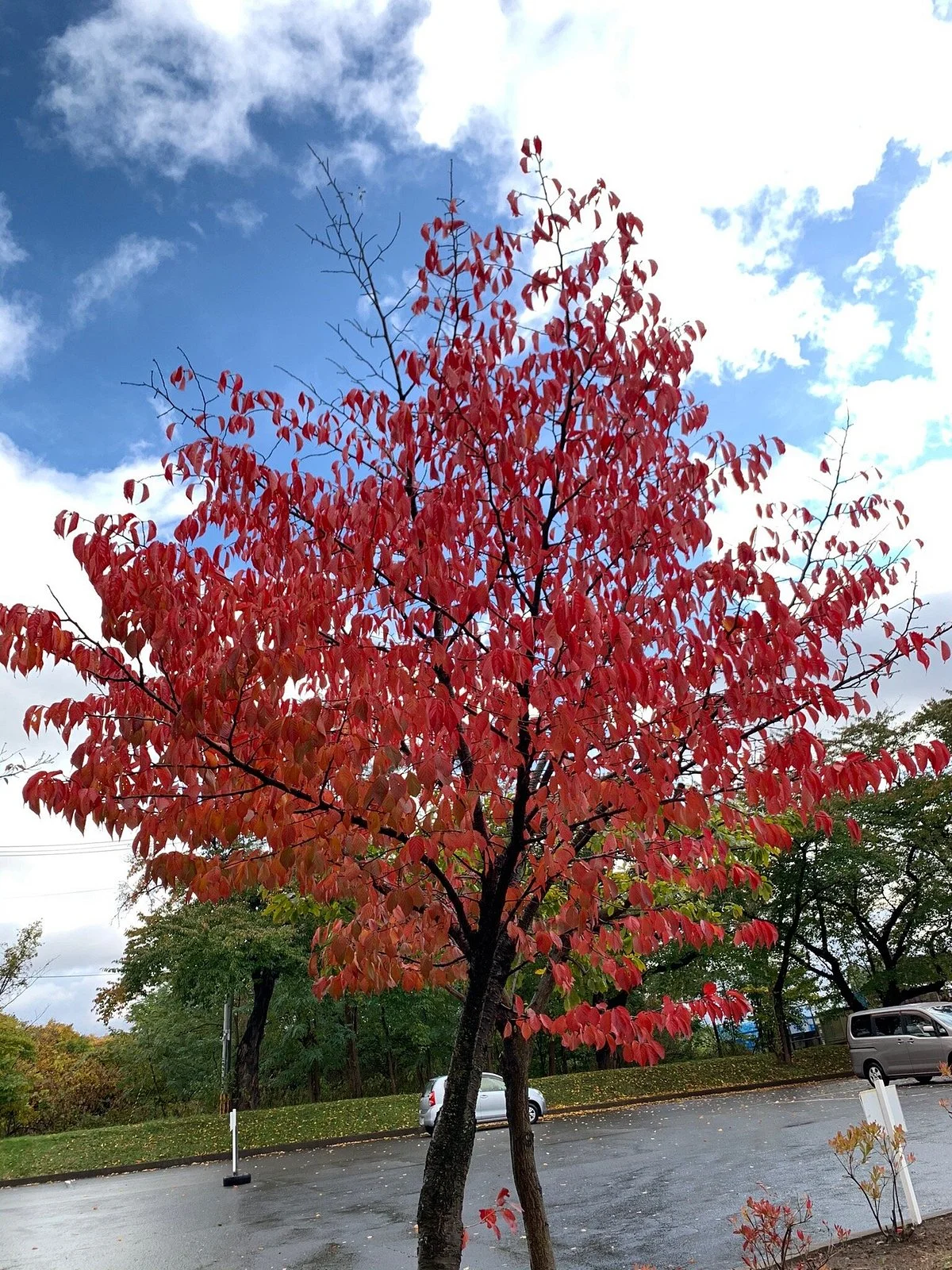
In spring, see the cherry blossom festival and fireworks in Kanagi and the rapeseed blossoms in Shimokita's Yokohama Town. In summer, see towering lanterns pulled through the streets at Goshogawara's Tachi-Nebuta festival, and elaborate expanding floats at Hachinohe's Sansha Taisai. See the rice art in Inakadate Village on the Tsugaru Peninsula. In the fall, see the maple leaves in Kuroishi. In the winter, see the "snow monsters" made by frozen trees in the Hakkoda mountains in Towada-Hachimantai National Park.
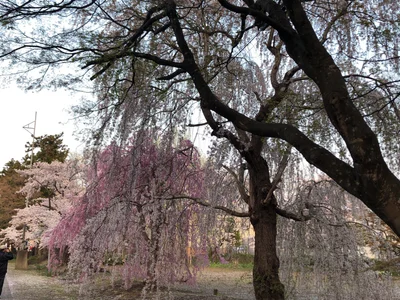
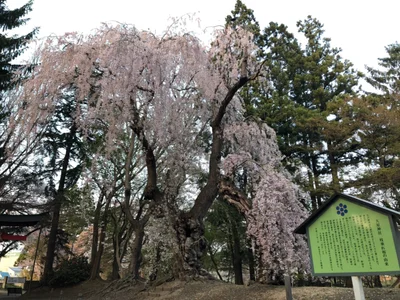
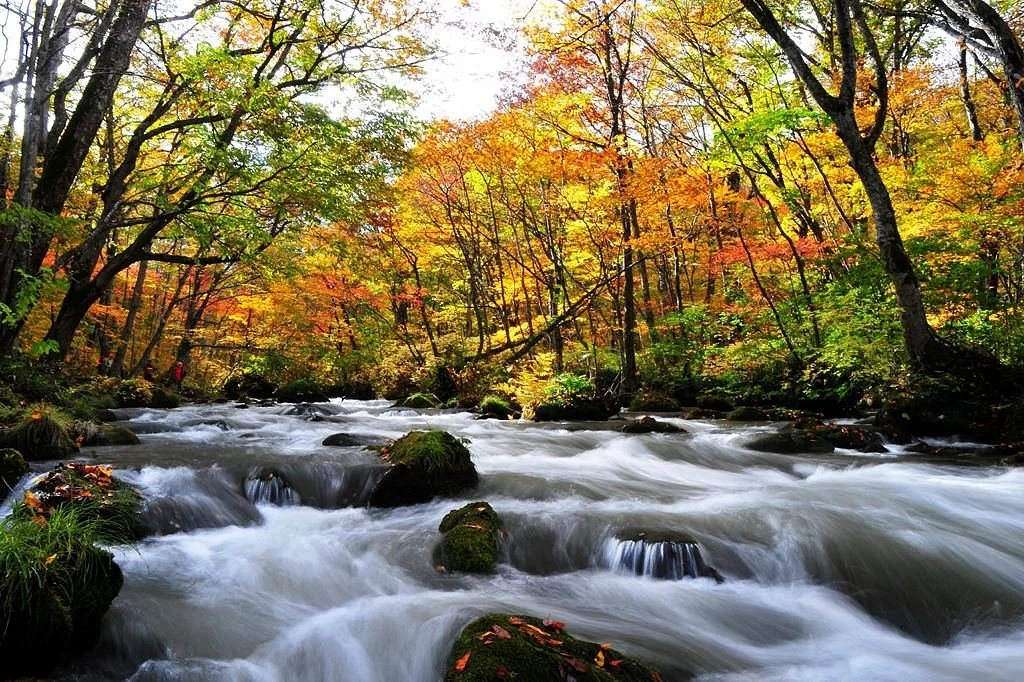
In August, rent a haneto costume and participate in Aomori's exciting Nebuta festival. In the fall, hike among the waterfalls and autumn foliage at Oirase Gorge in Towada-Hachimantai National Park. In the winter, there is excellent skiing and snowboarding in Ajigasawa and Mt. Hakkoda. In spring, picnic at Hirosaki Castle, one of the most famous cherry blossom viewing sites in Japan.
Besides the obvious seafood (especially scallops and Tuna), Aomori is famous for its apples.
Aomori has local sake (Denshu, Momokawa), wine (Shimokita Wine), and beer (Tawazako).
No information available
No information available
JR East, the Aoimori Railway, and the Tsugaru Railway serve most of the major towns, but some destinations will require a car. Municipal and private bus companies go to many of the popular tourist sites.
No information available