Get around The tourist attractions are all within walking distance of each other, near Kintai-kyo and the Nishiki River. Buses run from JR Iwakuni Station (¥240, 15 minutes) and Shin-Iwakuni (¥280, 15 minutes). A cheery cartoon map near the station makes it look like an easy walk, but the route is considerably longer (about 1 hour) and less direct than drawn. If you'd like to walk, though, head west on Route 2 from JR Iwakuni Station toward the Nishiki River.
Read more Eat Iwakuni's main claim to culinary fame is a special kind of sushi, which is made with a square mold — not rolled in seaweed — and has some special flavorings such as chrysanthemum.
Iwakuni has become renowned for having an insane variety of ice cream. Within this small courtyard there are no fewer than 3 different ice-cream stores specializing in unusual flavors of soft-serve. One has 25 to choose from, another 50, and the smallest yet most famous of the lot has a whopping 100 flavors of ice cream including such classics as blueberry, chocolate, and garlic. You've probably seen this place on TV before, and if you haven't, well, you have now because the 100 flavor store plays the segment from their last encounter on loop on a monitor out the front. Loudly. The area is rather pretty and tends to attract a lot of stray cats (and if you're lucky, kittens) so feel free to let your inner child out for a bit and sit down licking ice cream whilst petting a happy feline. Joy. It's about 50 meters northwest of the bridge.
There are a few food tents near the bridge and Kikko Park, serving hot dogs, chicken, and other summer favorites.
• • Hangetsuan — Built in 1869 to serve as an Officer's Club of the Japanese Navy, this restaurant specializes in ayu, a kind of sweet fish that's often caught by the cormorant fishermen of Iwakuni. If you enjoy the food and the atmosphere, ask about overnight lodgings. — Address: Iwakuni 1-17-27 — Hours: 10:30-22:00 — Price: Lunch sets from ¥2500, dinner ¥4000 — Phone: +81 827-41-0021 — Website: http://hangetuan.com/
• • Kohama — Serves the finest dish of them all, Hiroshima-style okonomiyaki. — Address: Marinuno-machi 4-3-4 — Hours: Daily 11:00-22:00 — Price: ¥1000 — Phone: +81 827-22-8044
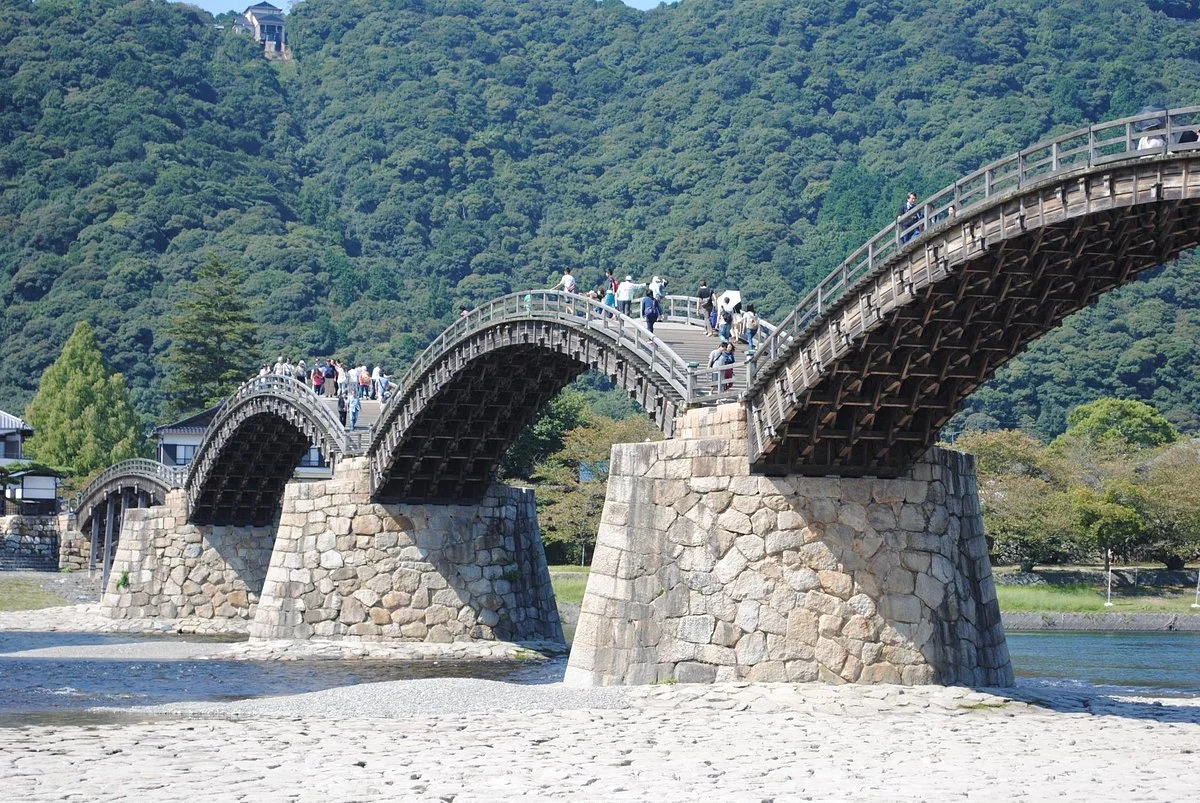
Read more See • • Kintai-kyo — Only samurai used to be able to cross the arches of this long, magnificent bridge. These days, the river it spans has been reduced to a trickle, and anyone willing to fork over the admission can go back and forth as they please. The 210-m original was built in 1673 using only wood — no metal nails — but the present structure is a 1953 reconstruction. — Address: Iwakuni 1-2 — Price: ¥300 adults, ¥150 children. After the ticket office is closed, you're on the honor system to leave the admission fee in the box out front
• • Kikko Park — A pleasant green spot on the other side of the bridge, with some lovely flower gardens, large sprinklers for a soak on a summer day, and a popular cherry blossom viewing spot in April. Expect to meet some chatty locals here. The entrance to the park is overseen by a statue of Hiroyoshi Kikkawa, the feudal lord who directed the construction of the Kintai-kyo; the park was built on the grounds of the Kikkawa family home. There are two museums in the park for visitors interested in samurai culture and feudal Iwakuni. — Address: Yokoyama 2-6-51 — Hours: 24 hr
• • Chōko-kan — A library with historical documents and scroll paintings. — Hours: Tu-Su 09:00-17:00 — Price: free
• • Kikkawa Museum — Dedicated to the aforementioned family of warlords, and including some of their weapons. — Hours: Th-Tu 09:00-17:00 — Price: ¥500
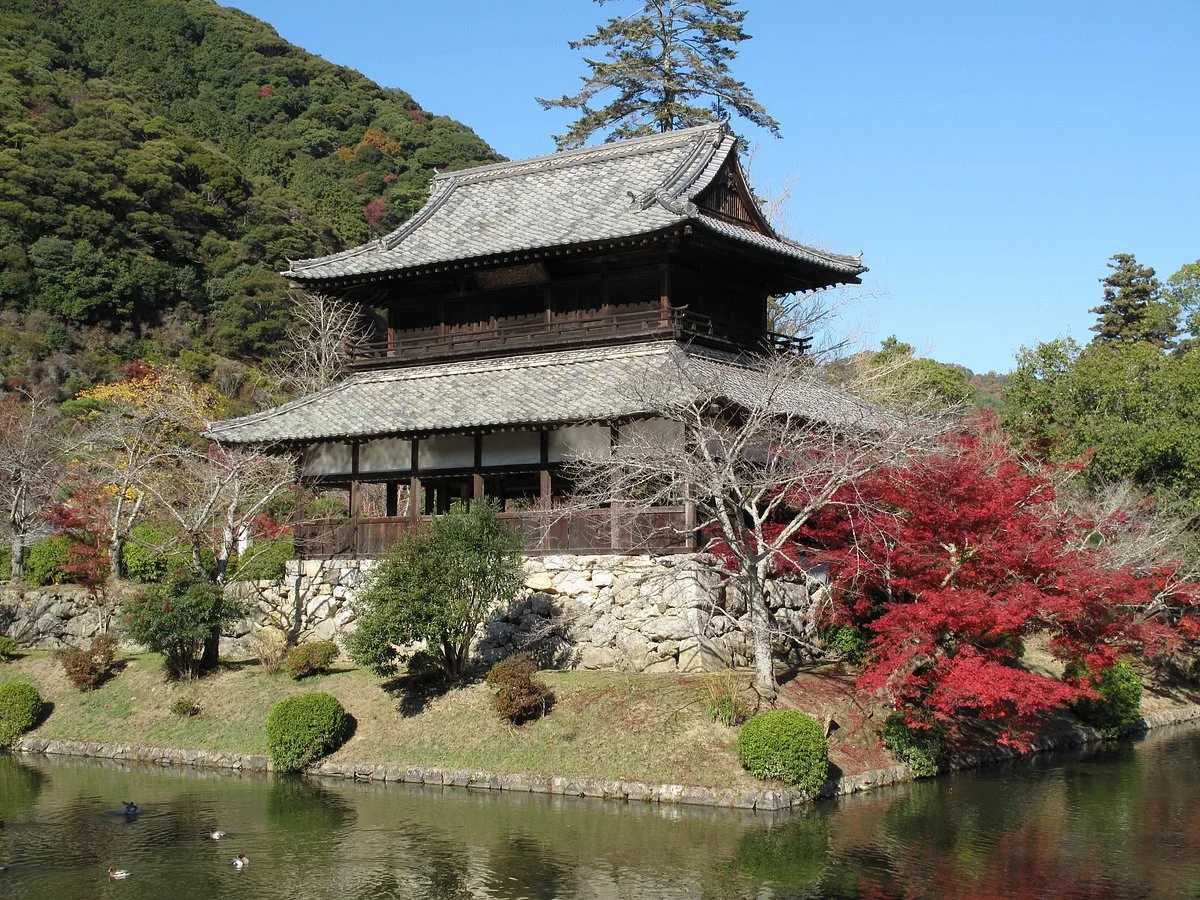
• • Nagaya Gate — At the south end of the park, you'll see the dramatic gate, the home of the Kagawa family who were the Kikkawa's principal samurai retainers.
• • Mekata Residence — The home of another family of Kikkawa retainers. (Don't try to enter either, though; they're still private residences.) — Directions: also near the park
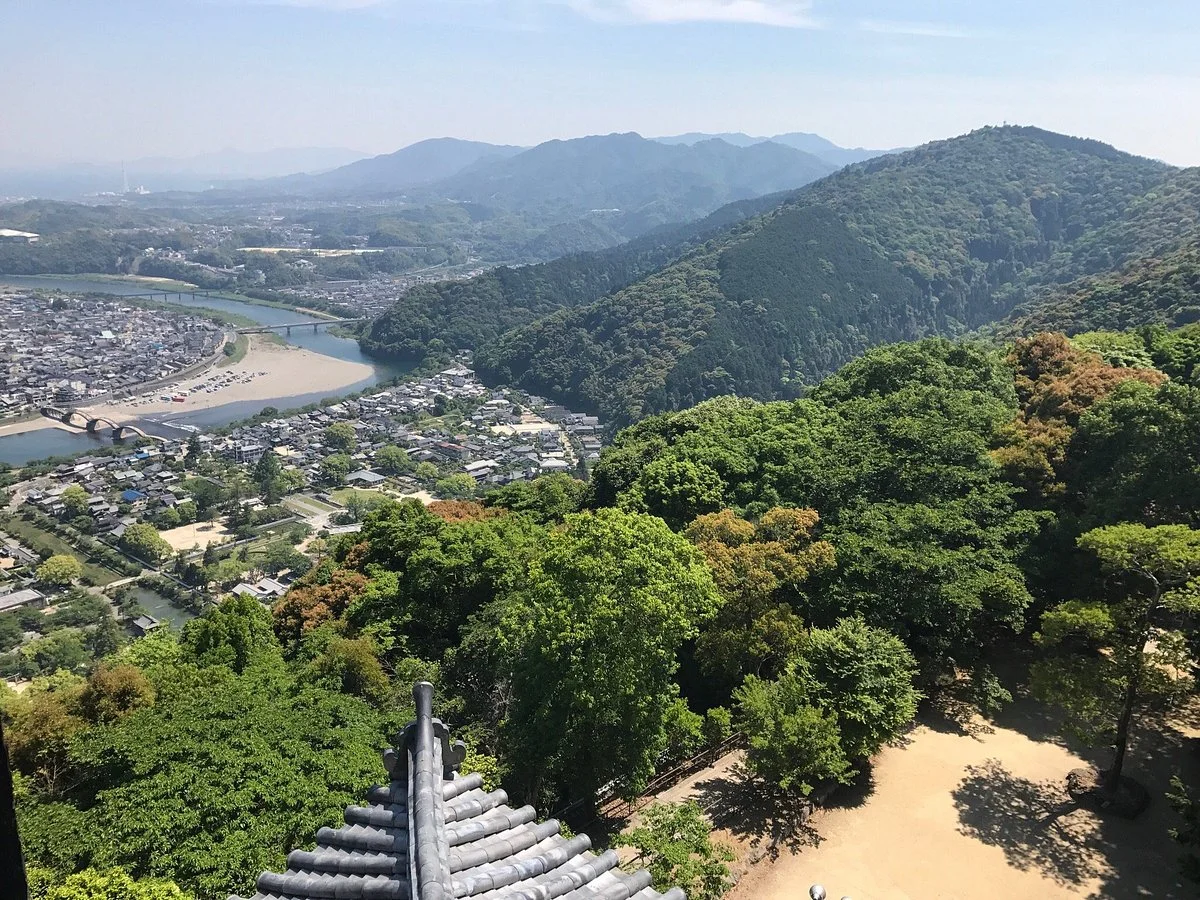
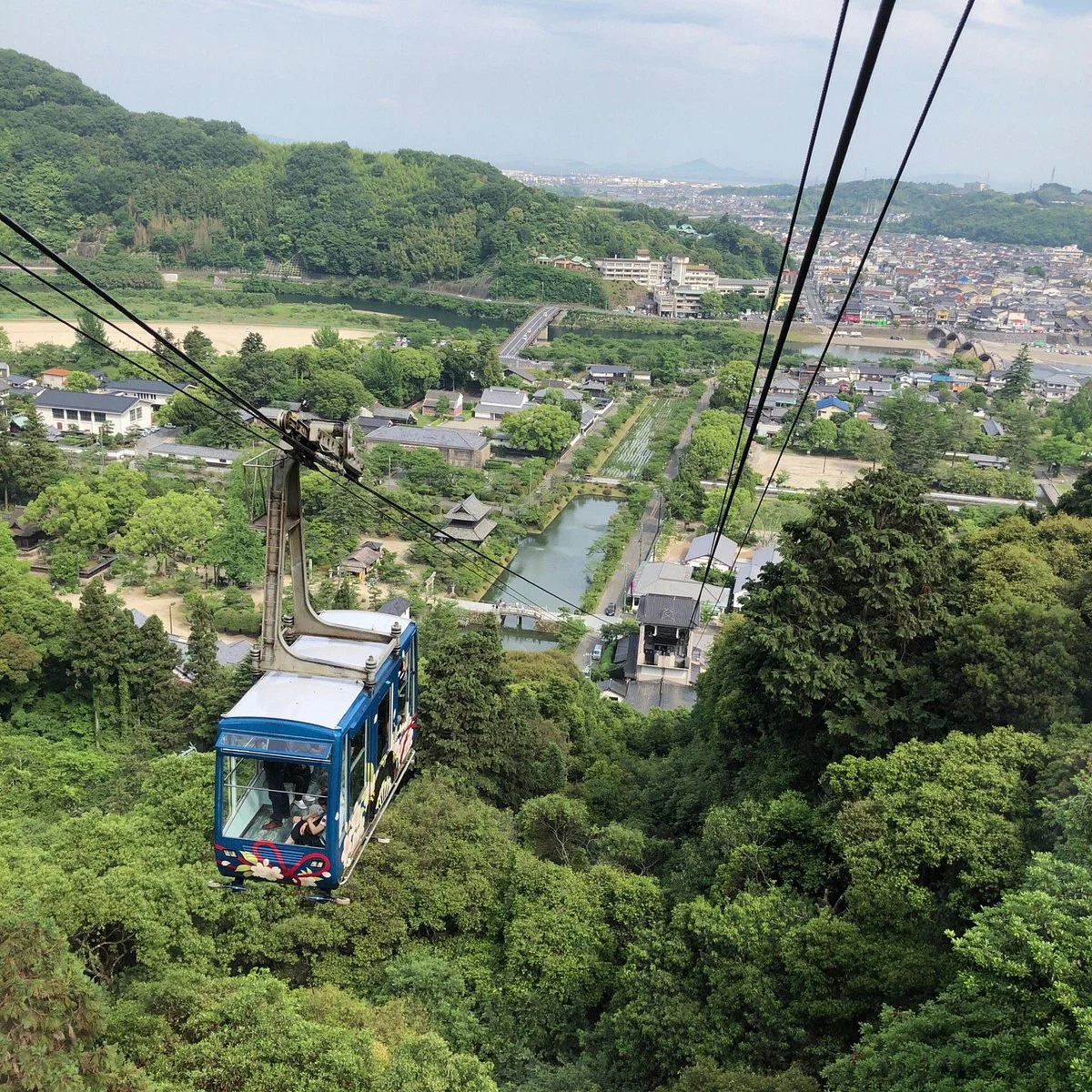
• • Iwakuni Castle — Although the original castle only stood for seven years, that was excuse enough for a reconstruction during the 1960s. The foundations of the original lie a short distance behind the new one; the builders apparently decided to move it closer to the cliff for scenic purposes. Inside the castle is a small historical museum. — Directions: about a five-minute walk from the cable-car station on Shiro-yama — Hours: Daily 09:00-16:30 — Price: ¥260 — Phone: +81 827-41-1477 — Email: kankou@city.iwakuni.lg.jp — Website: http://kankou.iwakuni-city.net/iwakunijyo.html
• • Iwakuni Art Museum — Art and artifacts about samurai life, including some remarkable sword exhibits. The admission is a bit steep, but you'll find better English information here than elsewhere. — Address: 2-10-27 Yokoyama — Hours: Mar-Nov: F-W 09:00-17:00; Dec-Feb: F-W 09:00-16:00 — Price: ¥800 adults, ¥200 children — Phone: +81 827-41-0506 — Website: http://www.iwakuni-art-museum.org/english/
• • White Snake Museum — Dedicated to the white snakes that are native to the Iwakuni area (not the hair metal band.) As they are messengers of Benten, the Japanese goddess of wealth, an encounter with the white snakes is considered good luck. — Address: Imazumachi 6-4-2 — Hours: 09:00-17:00 — Price: free, but zealous attendants tend to ensure that foreign guests make the ¥100 donation for an English pamphlet — Phone: +81 827-43-4888 — Website: http://www.shirohebi.com/index.html
Read more Do The ancient Japanese art of cormorant fishing (ukai) is a popular summer pastime; every night in June, July, and August, teams of fishermen in traditional dress use trained cormorant birds to catch fish. (The birds get to eat the small fry, but a ring around their necks keeps them from swallowing big ones.) With torches lighting the way, it's a memorable spectacle, and Iwakuni is one of the best places in Japan to see it due to the relatively smaller crowds. If you're not content watching from the banks of the river, you can join a boat () for ¥3500 adults, ¥2600 children. Boarding is 6:30PM next to Kintai-kyo, and fishing is from 20:00-21:00.
• • Underground Kingdom Mikawa Muvalley — An entire adventure theme park located underground. The premise of the adventure is based on ancient writings found in a mineshaft that leads to questions about whether the world and its history is really as we perceive it to be. The ancient underground kingdom appears to have been inspired by Mayan culture, at least as far as the statues, art, and motifs used. They have a variety of mission quests with tasks you can complete, panning for gold, digging for gemstones, as well as caves and waterfalls, a restaurant, and an onsen. — Website: https://muvalley.com/
• • Tokotoko Train — A 40-minute sightseeing train that travels through a "Dream Tunnel" that is filled with pictures made of fluorescent glowing stones, to Sozukyo Onsen. — Directions: Just outside of Nishikicho Station — Price: ¥650 (Discounts for those who come via Nishikicho Station) — Website: http://nishikigawa.com/tokotoko-train/
Read more