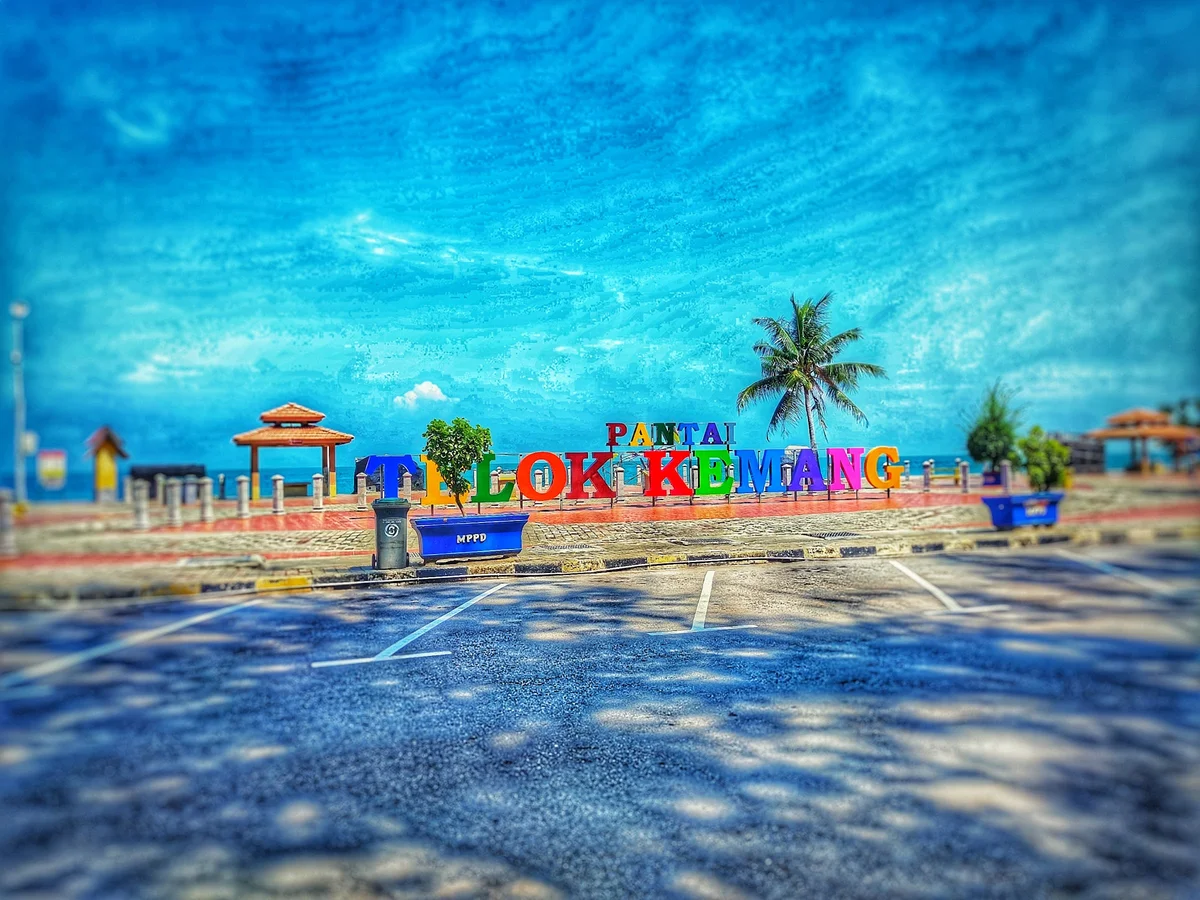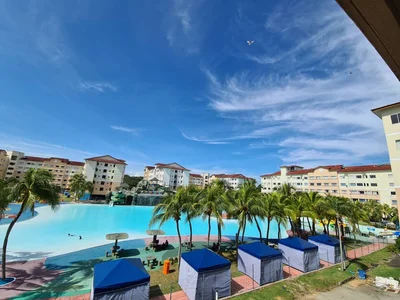
Port Dickson (Negeri Sembilan Malay: Podeksen, Jawi: ڤورت ديکسن), colloquially referred to as PD is a beach resort in Port Dickson District, Negeri Sembilan, Malaysia. It is the second largest urban area in Negeri Sembilan after Seremban, its state capital. The town's administration is run by the Port Dickson Municipal Council (Malay: Majlis Perbandaran Port Dickson; MPPD), formerly known as the Port Dickson Sanitary Board (Malay: Lembaga Kesihatan Port Dickson) from 29 March 1928 until 28 February 1950, Port Dickson Town Board (Malay: Lembaga Bandaran Port Dickson) from 1 March 1950 until 30 November 1979, Port Dickson District Council (Malay: Majlis Daerah Port Dickson) from 1 December 1979 until 1 February 2002.
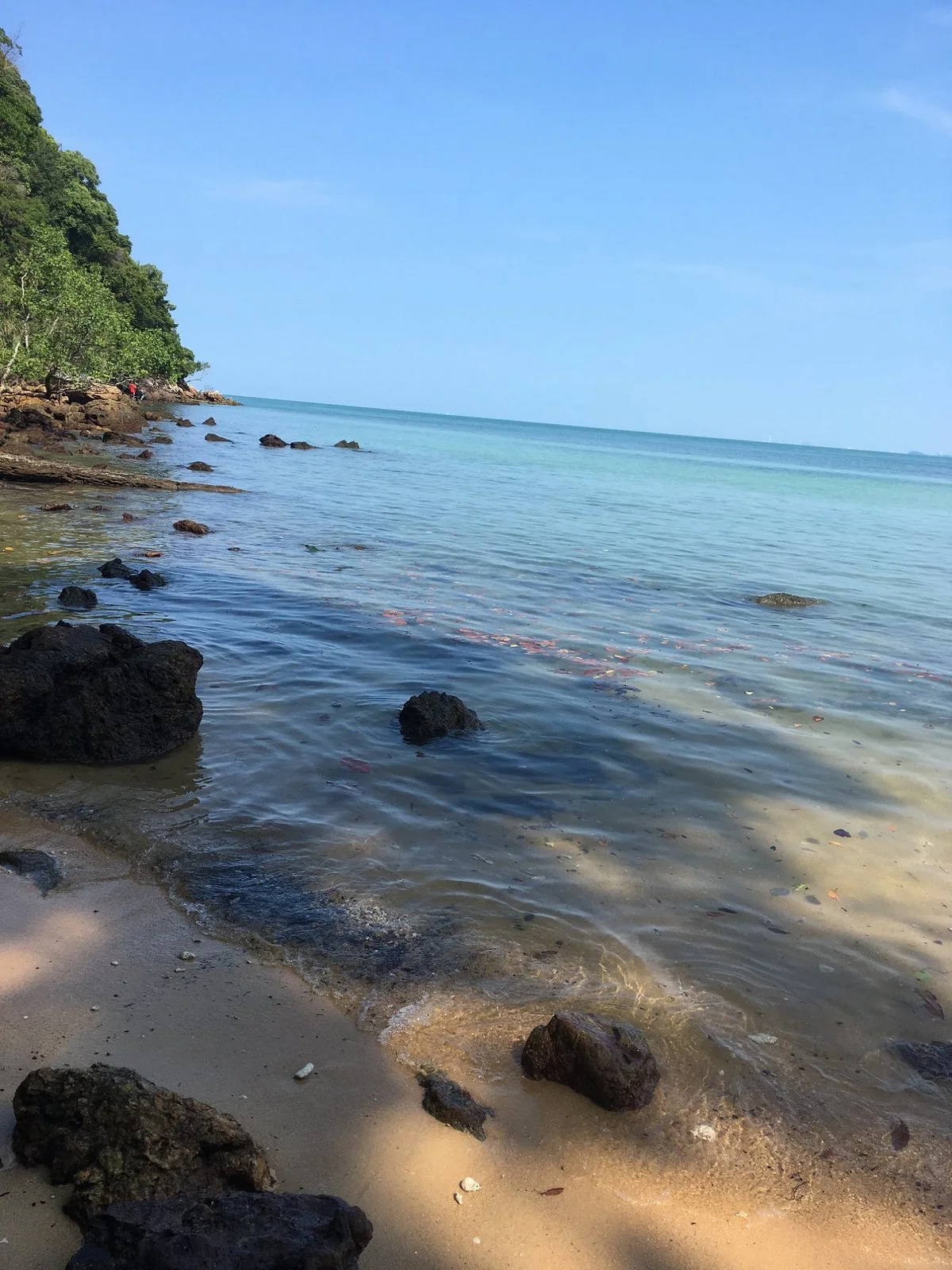
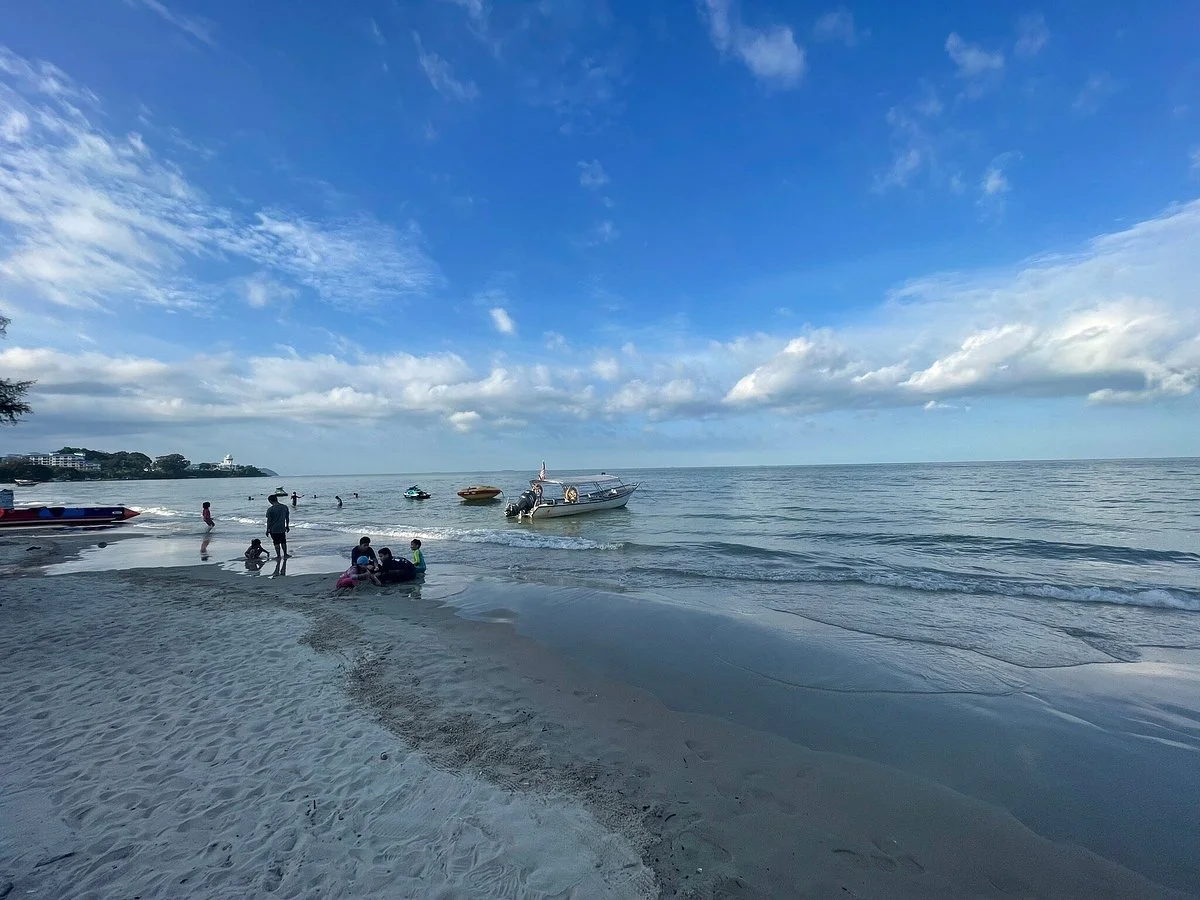
There are many beaches on the coast along Port Dickson. Leisure activities which are available such as water-skiing, canoeing, snorkeling and wind surfing. Ask at your hotel reception for arrangements to utilise these facilities. If you enjoy sailing, arrange to have temporary membership at the yacht club. One of the best things in Port Dickson is fishing. But due to pollution and development, the fish stocks in Port Dickson are severely depleted. Fishing is now best done of in a boat or in the kelong. Beach fishing is not recommended unless you are looking for ikan sembilang (catfish).
For those who are into gastronomic activities, one can get a taste of the hot and spicy local cuisine. There’s fish cooked in thick gravy of coconut milk and the killer cili padi which is guaranteed to make your mouth and eyes smart. One can also try the rendang (beef cooked with coconut milk and a rich assortment of spices). This is normally eaten with "lemang", glutinous rice cooked in bamboo.
A few famous restaurants are Seaview and Curry House along Jalan Pantai, Mak Mah next to the Shell gate entrance and "Restaurant SN Mohhamad" in Port Dickson town area next to the post office. Every first Saturday of the month, there is a night market in Port Dickson Town, which is full of varieties of food and fruits. Besides that, Country Home is also a very famous restaurant in Lukut. The Famous PD Eating Point is popular with Chinese and Western delicacies. In Port Dickson also you cannot miss trying a nasi lemak stall known as Wak Rahman, considered one of the most famous nasi lemak stalls. If you go to the town side there are many restaurant choices awaiting such as Restoran Abu Bakar, SN Mohammad, and a lot more. The marketplace is another interesting food festival in Port Dickson at which you are exposed to variety of foods ranging from Chinese, Indian, Malay, and international cuisine. Among the famous and well-known is home made putu mayam sold by Abdul Rahman bin K. Ismail, the founder and owner of Bismi Putu Mayam. Don't miss the delicious homemade putu mayam by Bismi Putu Mayam. This putu mayam is also available for functions and gathering.
If you happen to have a craving for Western food, El Cactus is a reasonable choice. If you have Malaysian taste buds you may enjoy their Mexican food: nachos, burritos, fajitas, quesadillas, etc. Don't expect authenticity - for example, they use roti bread instead of taco shells, and chimichangas are made with carrots. They also have pizza, pasta, etc., and the frozen lime margaritas are amazing!
As in other towns in Malaysia, alcohol is expensive and there are no bars as such. Some of the resorts have bars though, which can get lively at weekend and during Malay holidays.
There's an extremely colourful (literally and figuratively) night market on Saturday nights near the town centre, where you can buy everything from fresh fish and vegetables to shoes and T-shirts.
Port Dickson is a gazetted entry point for Malaysia, used mainly for ferries from Dumai. For information on visa requirements, see Malaysia | Get in section.
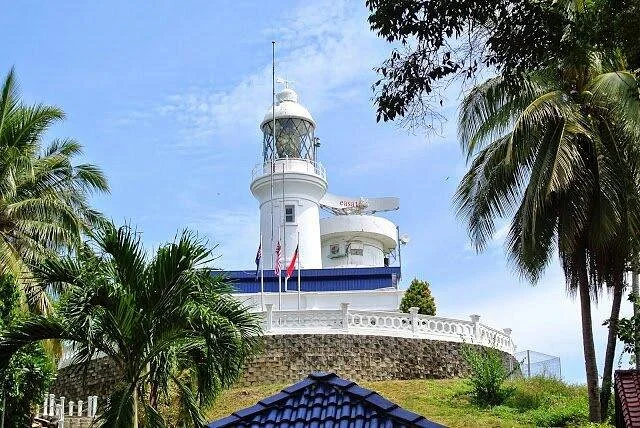
A taxi rank is right next to the bus station. Happily, it seems to be the only main town in Malaysia where taxis get commission for taking you to certain hotels. You shouldn't pay more than RM15 to get as far as Blue Lagoon/lighthouse which is right at the end of the strip. There is also a local bus that toodles along the coast to the Blue Lagoon and back, maximum RM2.