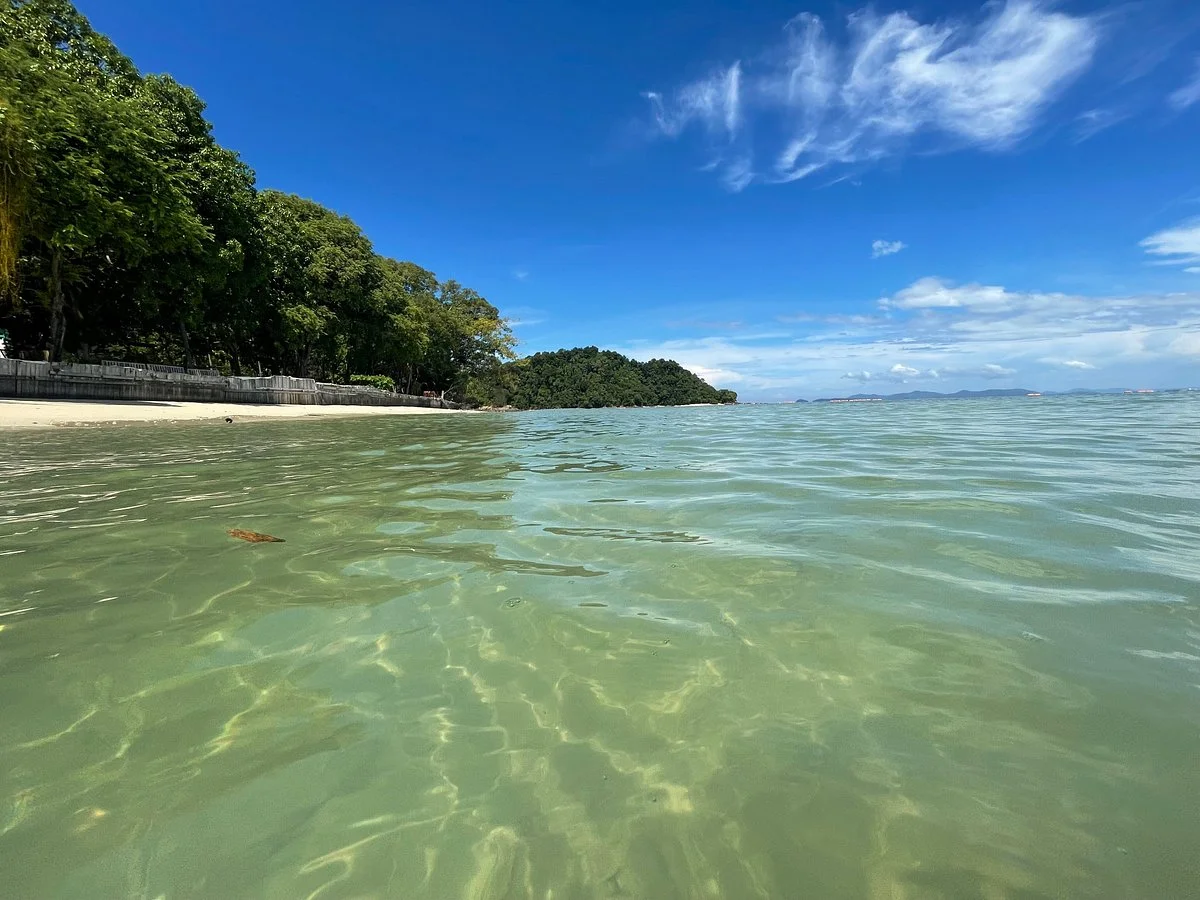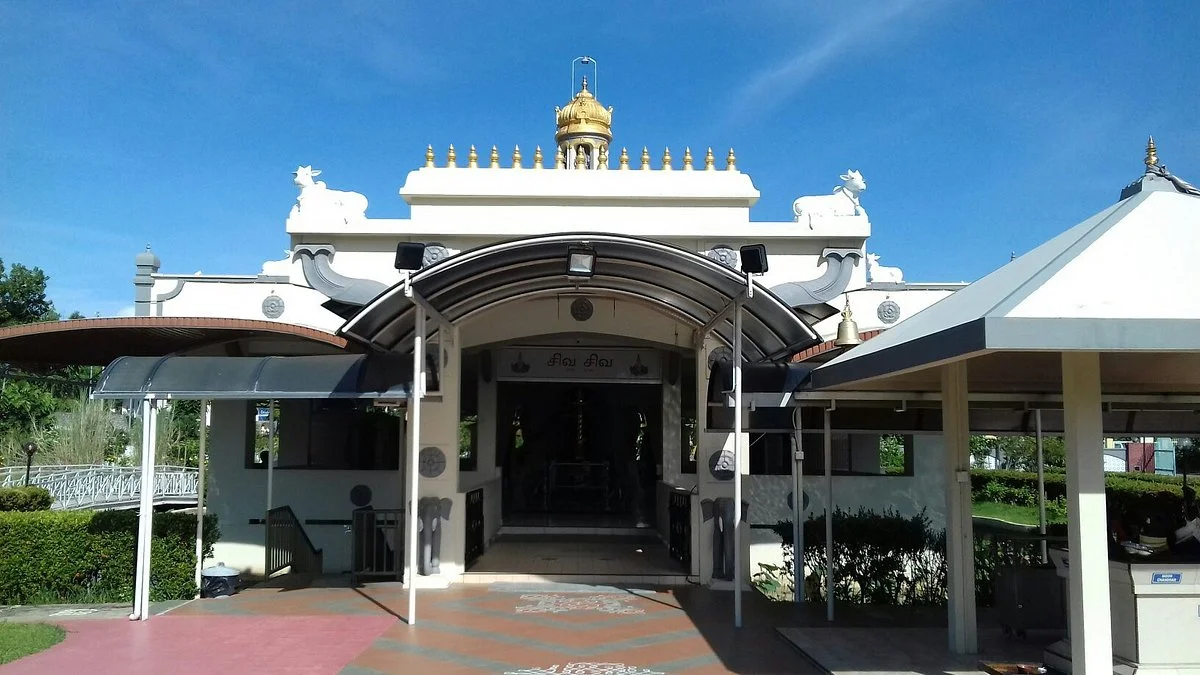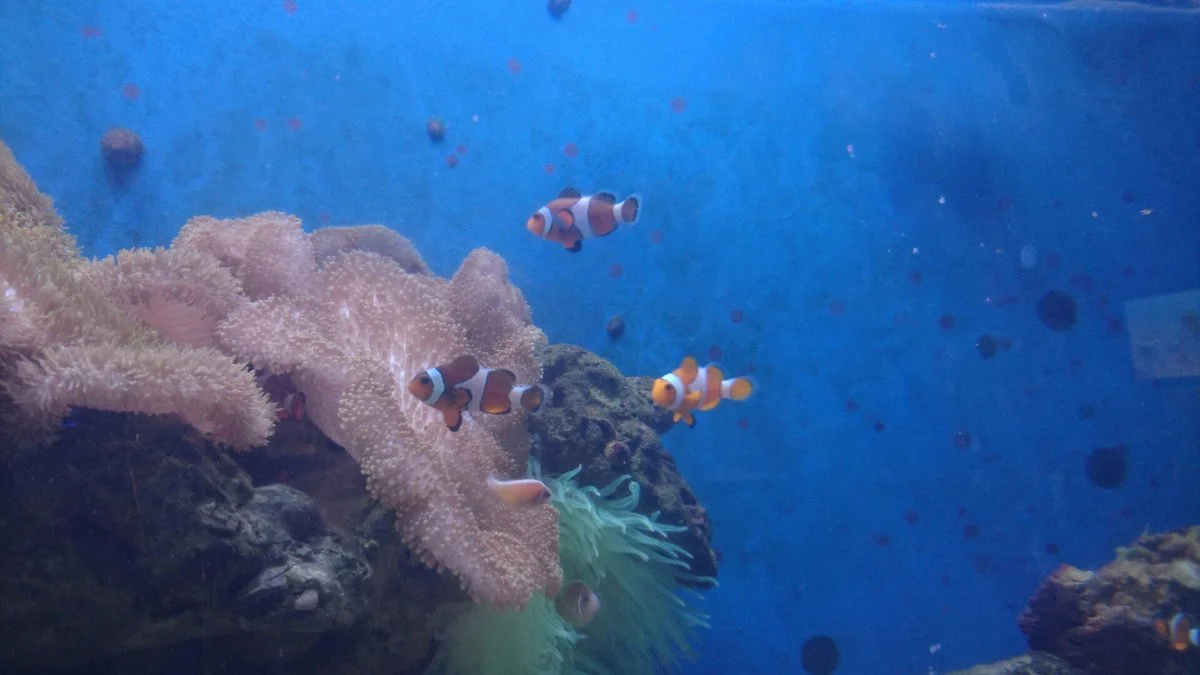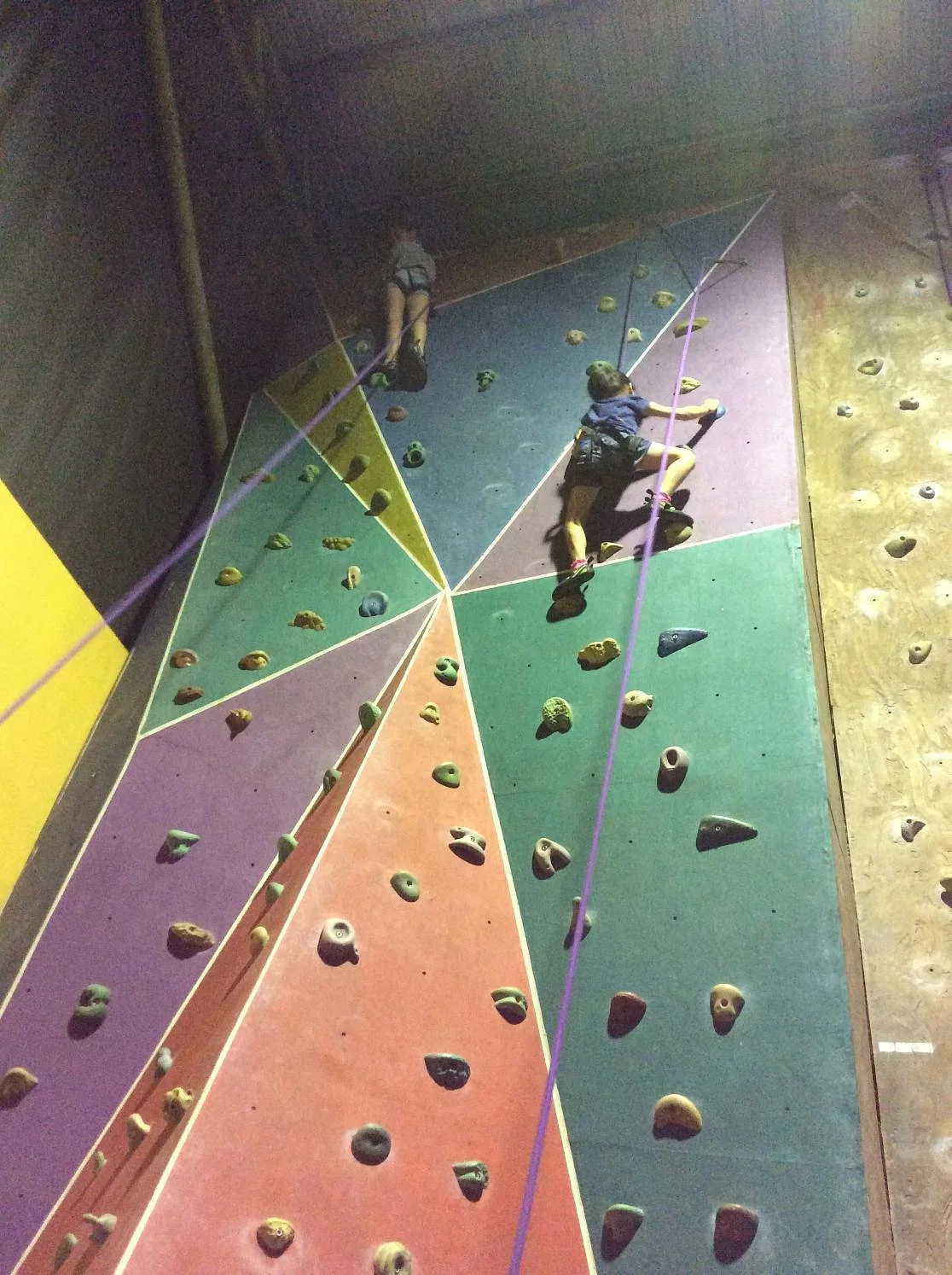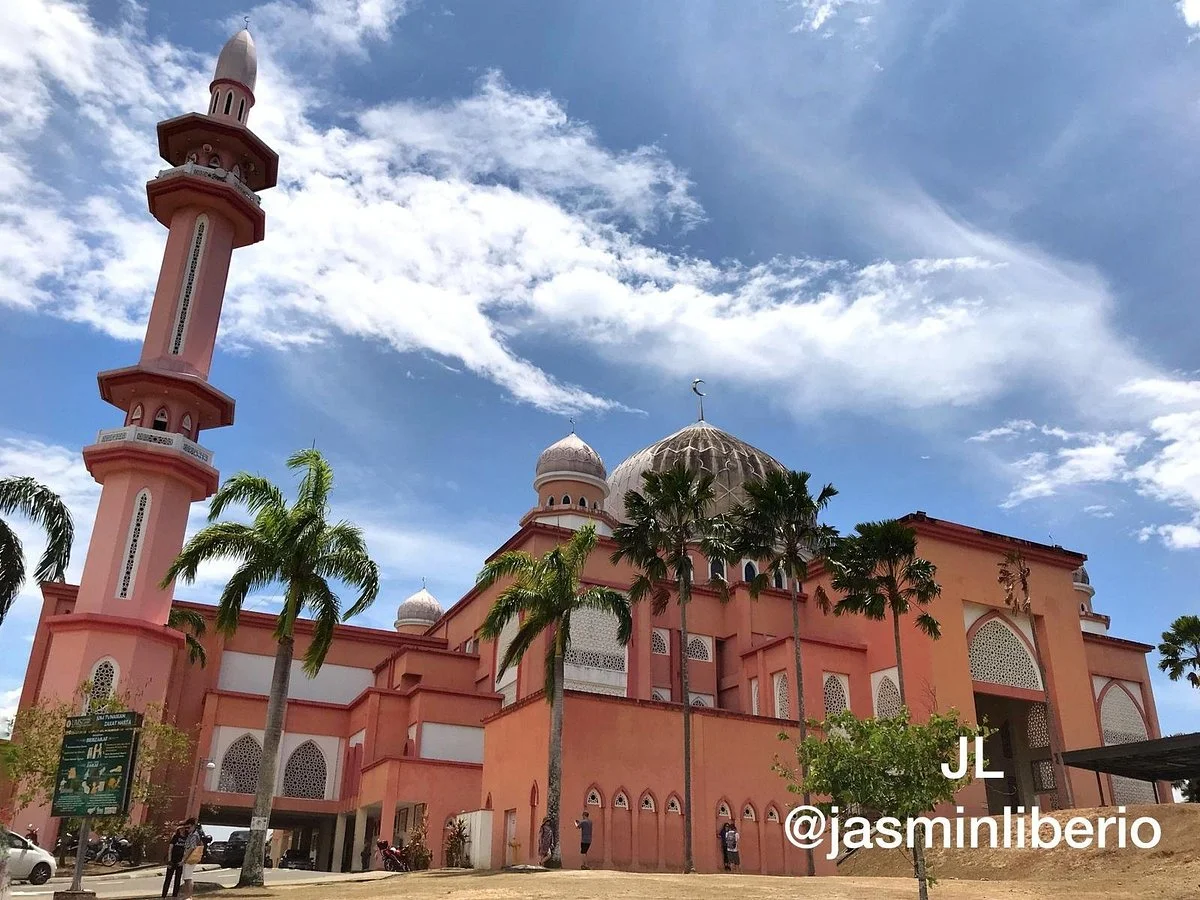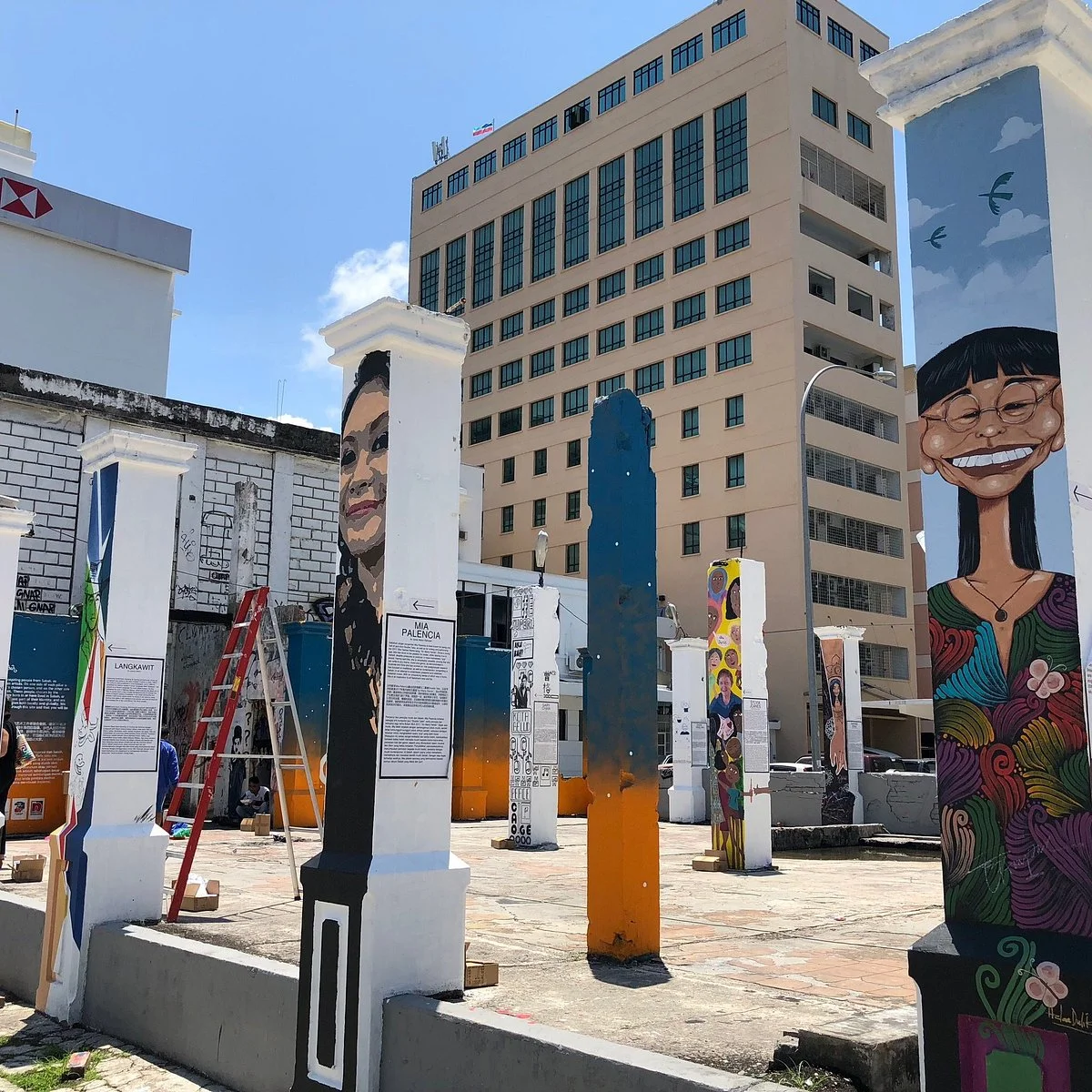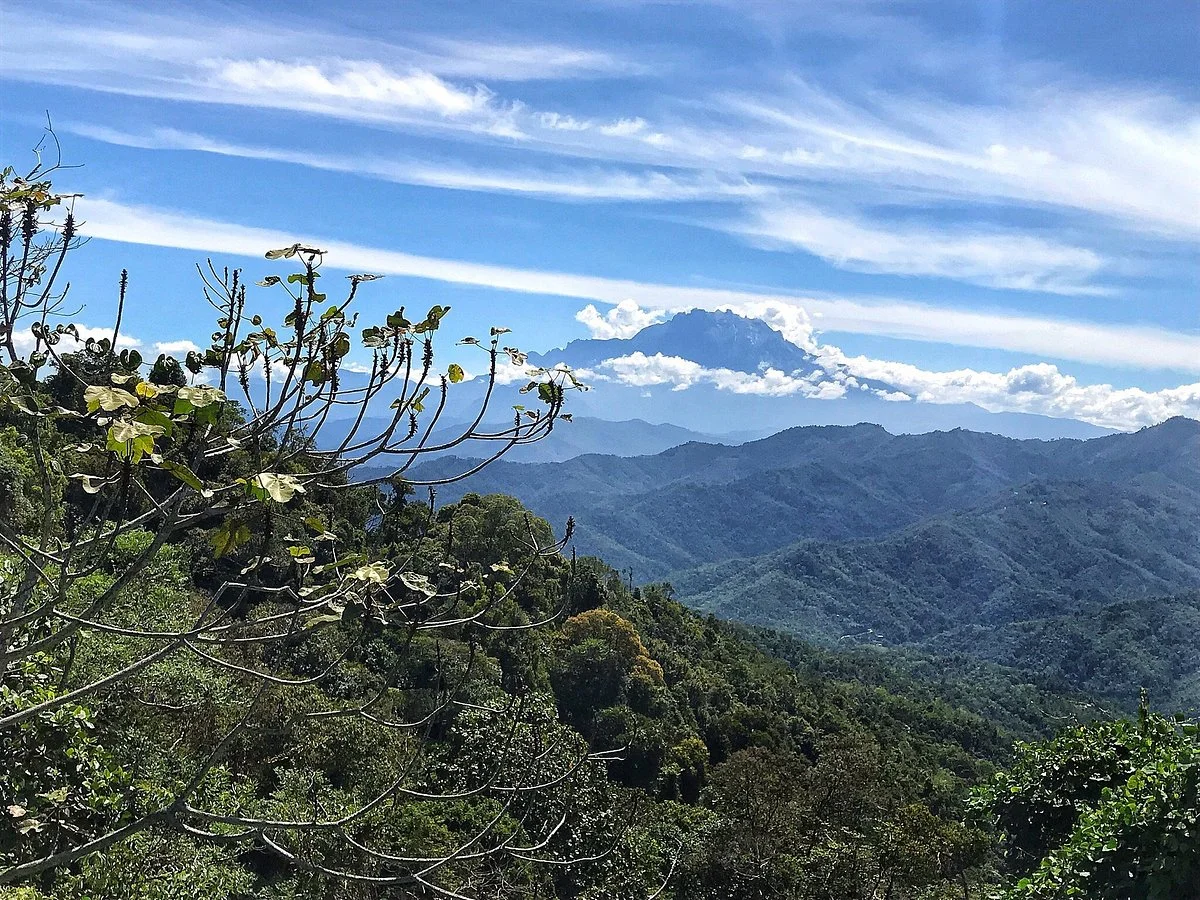
Kota Kinabalu (Malaysian: [ˈkota kinaˈbalu]; formerly known as Jesselton), colloquially referred to as KK, is the state capital of Sabah, Malaysia. It is also the capital of the Kota Kinabalu District as well as the West Coast Division of Sabah. The city is located on the northwest coast of Borneo facing the South China Sea. The Tunku Abdul Rahman National Park lies to its west and Mount Kinabalu, which gave the city its name, is located to its east. Kota Kinabalu has a population of 452,058 according to the 2010 census; when the adjacent Penampang and Tuaran districts are included, the metro area has a combined population of 628,725. The 2020 Census revealed an increase in the municipal population to 500,421, while the wider area including the Penampang and Putatan districts had a population of 731,406.In the 15th century, the area of Kota Kinabalu was under the influence of Bruneian Empire. Historically, the Kadazandusuns called the area by the name of Dondoung. In the 19th century, the British North Borneo Company (BNBC) first set up a settlement near the Gaya Island. However, it was destroyed by fire in 1897 by a local leader named Mat Salleh. In July 1899, the place located opposite to the Gaya Island was identified as a suitable place for settlements. Development in the area was started soon after that; and the place was named "Api-api" before it was renamed after Sir Charles Jessel, the vice-chairman of BNBC, as "Jesselton". Jesselton became a major trading port in the area, and was connected to the North Borneo Railway. Jesselton was largely destroyed during World War II. The Japanese occupation of Jesselton provoked several local uprisings notably the Jesselton Revolt but they were eventually defeated by the Japanese. After the war, BNBC was unable to finance the high cost of reconstructions and the place was ceded to the British Crown Colony. The British Crown declared Jesselton as the new capital of North Borneo in 1946 and started to rebuild the town. After the formation of Malaysia, North Borneo was renamed as Sabah. In 1967, Jesselton was renamed as Kota Kinabalu, Kota being the Malay word for City and Kinabalu after the nearby Mount Kinabalu. Kota Kinabalu was granted city status in 2000.
Kota Kinabalu is often known as KK both in Malaysia and internationally. It is a major tourist destination and a gateway for travellers visiting Sabah and Borneo. Kinabalu Park is located about 90 kilometres from the city and there are many other tourist attractions in and around the city. Kota Kinabalu is also one of the major industrial and commercial centres of East Malaysia. These two factors combine to make Kota Kinabalu one of the fastest-growing cities in Malaysia.
Kota Kinabalu is a cultural melting pot. Here Chinese meet Malays and Bruneis, Javanese, Filipinos and even a couple of Europeans, all of whom have brought along their own cuisine. Try out the many specialties offered at the various kedai kopi (often in buffet form making it easy to order) and shun fast food chains.
For meals, head to the outdoor food stalls fronting the sea or coffee shops along the streets. The less adventurous could make a beeline for fast food outlets in the Centrepoint shopping centre while those with deeper pockets could try the pier-side restaurants just after the open air fish market. The promenade restaurants between the Filipino Craft Market and the fish market are poor value and only frequented by tourists. Try SEDCO Square in the evening for top value.
The main entertainment areas in Kota Kinabalu can be found in KK Waterfront (opposite Warisan Square) and Times Square. Other areas include Pantai Street, Jalan Datuk Salleh Sulong. There are also smaller bars concentrated in the areas of Inanam, Likas, Donggongon and Penampang Baru, these areas are out of the KK city and are not within walking distance of KK city centre they are more local district centres. Types of drinking places popular in Kota Kinabalu are café/coffee shops for breakfast, open air bars, karaoke joints and a few nightclubs. Nightclubs and bars have live bands performing almost everyday except Mondays. Some karaoke joints have private rooms for big groups who prefer some privacy. Some nightclubs and karaoke bars have hostesses especially for male customers in exchange for buying them 'ladies drink'. Intuition would be needed if you need to look for or avoid these establishments as they are not explicit.
Popular souvenirs include coffee and all sorts of foods made from durian.
Kota Kinabalu has accommodation from expensive to cheap. This is such a changing price market the best way to check prices is the internet pages such as Sabahbah.com, MySabah.com Sabah tourism.com, or Trip Advisor searches until you find the price you want.
= There are direct international flights from these destinations to Kota Kinabalu: Bandar Seri Begawan, Brunei (Royal Brunei Airlines), Hong Kong (Air Asia), Manila, Philippines (Cebu Pacific & Philippines AirAsia), Seoul Incheon & Busan South Korea (Air Busan, Air Seoul, Jeju Air & Jin Air), Singapore (AirAsia, Malaysia Airlines & Scoot), Taipei, Taiwan (Malaysia Airlines, AirAsia),
Domestic fights from the following cities: Johor Bahru, Kota Bharu, Kuala Lumpur, Kuching, Kudat, Labuan, Lahad Datu, Lawas, Limbang, Miri, Mulu, Penang, Sandakan, Sibu, Tawau. Operated by MASWings, Malaysia Airlines and AirAsia.
Terminal 1 and Terminal 2 are on different sides of the runway. Terminal 1 is accessible from Jalan Kepayan near Kepayan and Terminal 2 is accessible from Jalan Mat Salleh in Tanjung Aru. There are ATMs and a currency exchange in Terminal 1 but if you're arriving late it will almost certainly be closed and the ATMs are not always working. Make sure you've got some Malaysian ringgit before you arrive as you'll need it for the taxi or the bus. If you find yourself having just arrived and without any ringgit, you can have a taxi take you to an ATM on the way to wherever you're staying. There is free Wi-Fi within the departure zone of the airport. There is hostel at the airport, Skypod that charged RM39/night in 2017 including wi-fi and breakfast. They also offer 4-hour transit stays. — Website: http://www.malaysiaairports.com.my/index.php/component/content/article/177
Kota Kinabalu is a growing city of around 500,000 inhabitants. Economic growth has resulted in urbanisation of the city reaching adjacent districts of Penampang and Putatan with a total population of almost 800,000. Its growth and importance is due to being the administrative capital, a major transportation hub, growing port, manufacturing hub, growing tourism and because it is the major gateway into Sabah and East Malaysia. Kota Kinabalu was granted city status in 2000, becoming the sixth city. It is the sixth largest urban/metropolitan area in Malaysia.
Kota Kinabalu was known as Jesselton while under British colonial rule from the late 1800s until 1963 when the British left and after Sabah became part of Malaysia. Most of the town was destroyed due to bombings during World War II hence there are not many pre-war historical sites around the city. Before the British arrived, the area was also known by a number of other names such as Deasoka (below the coconut tree), Singgah Mata (pleasing to the eye), Api-Api (fire!) and Gaya Bay.
The people of Kota Kinabalu are Chinese, Kadazandusun, Bajau, Brunei Malays, and there is significant migrant population from Indonesia and Philippines, many of whom are naturalised citizens. There are also many migrant/expat population from India and a growing number from Korea.
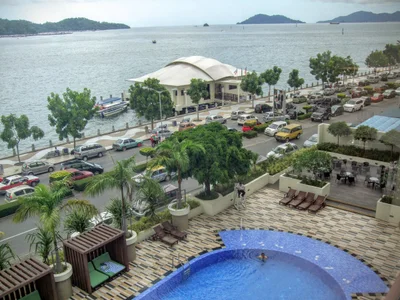
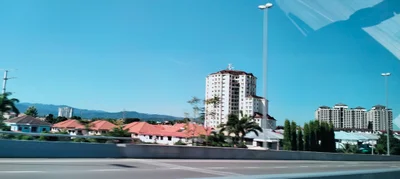
Central Kota Kinabalu is often referred to as Kota Kinabalu City Centre or the Central Business district (CBD) or simply Downtown KK and is on the narrow coast overlooking Gaya Island. This is where most hotels, travel agents, transportation bases and most of the action are found. Most of the city centre lies on reclaimed land due to a shortage of land in the area, as it is blocked in by Bukit Bendera (Signal Hill).
District areas which lie within the city centre include Sadong Jaya, Api-Api, Asia City, Bandaran Berjaya, Sinsuran, Kampung Air, Segama, Pantai Street, Gaya Street, Jesselton Point. Just outside the City centre are the Districts towards the South and East are Karamunsing, Sembulan, Tanjung Aru and Sutera Harbour, Kepayan, Penampang, Putatan, Donggongon.
Due to lack of land in the city centre, other important commercial areas have sprouted outside CBD. Some of these areas have been long in existence as small townships (pekan) such as Luyang, Inanam and Menggatal and in adjacent districts of Penampang (Donggongon) and Putatan, and residential-commercial areas such as Alam Mesra, Kingfisher and 1Borneo near Menggatal; Lintas, Penampang Baru and Bundusan.
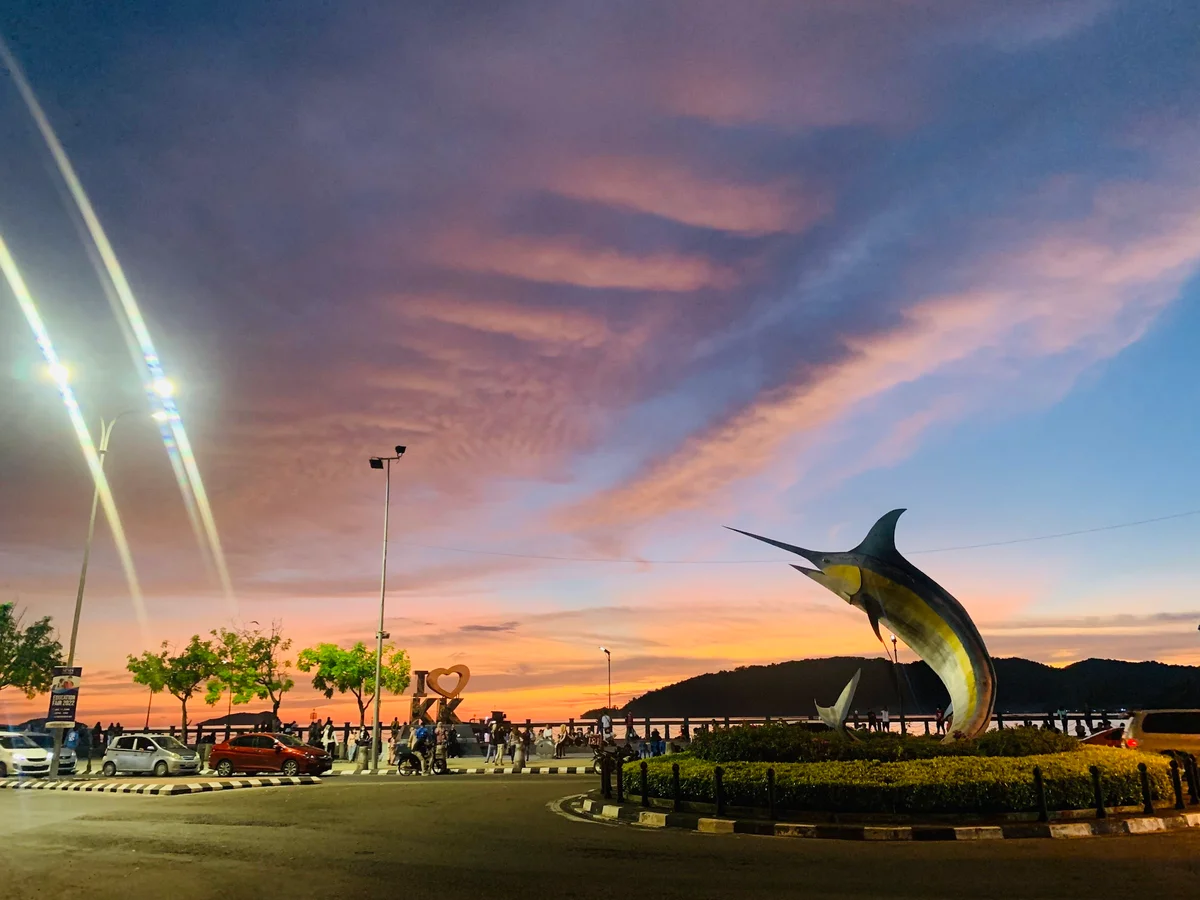
The climate in KK is characterised by uniform year-round temperature of 32°C (avg. high) and 22°C (avg. low). Rain falls quite often with occasional dry periods. Low rainfall begins in January till April, increasing in May till August, intensifying in September till November and slows down in December. The weather in KK and the immediate area can vary throughout the day/night bringing rainfall for short periods to heavy evening rain. The position of KK is protected by the shape of the coast and harbour and from behind by the Crocker Range of nearby hills. Occasionally the weather rolls in directly from the sea over the city, but mostly the heavy weather blows around and past KK providing some beautiful skies and cloud formations making for stunning sunsets. Away from the on shore breeze travelling further in land by as little as 16 km it can be extremely humid, and rain at this point is very welcome. The weather is a major factor in road/driving accidents and care should be taken, with mobile devices and the internet you can now get weather updates to the spot you are visiting hour by hour.