Kharkhorin (Mongolian: Хархорин) is a town and sum (district) center in Övörkhangai Province in Mongolia. The sum population was 13,828 (1994), 13,964 (2000), and 14,765 (2017). The population of Kharkhorin town itself was 14,765 in 2017 and covered an area of 20.5 km2.
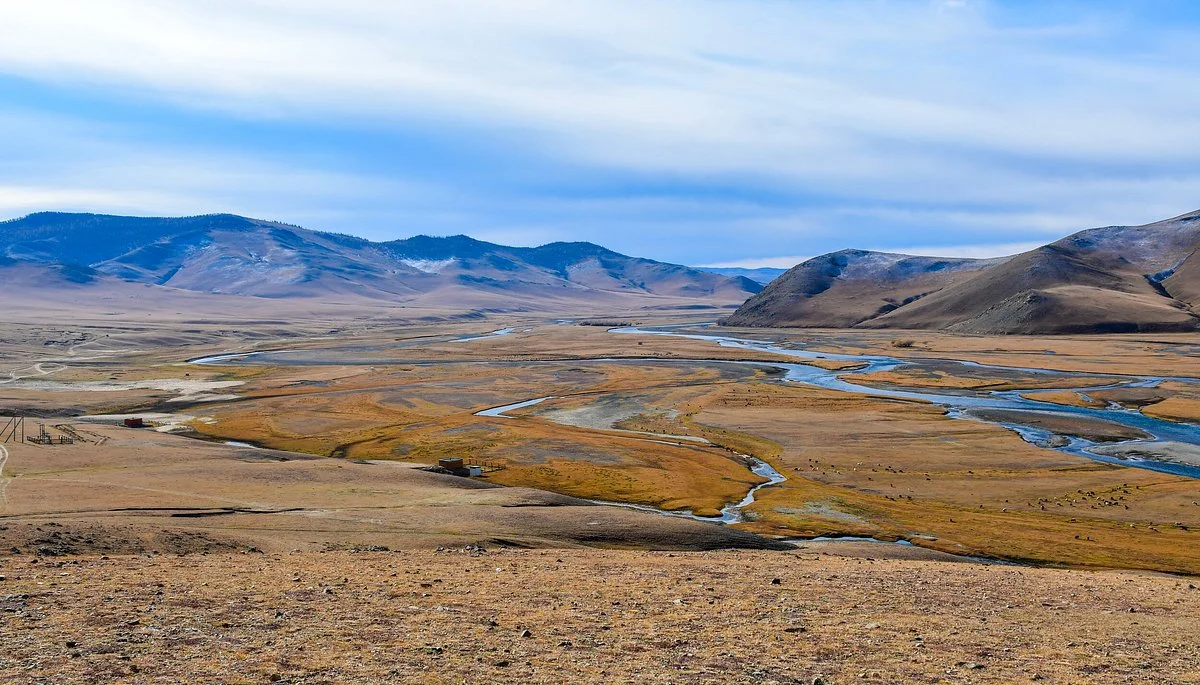
Kharkhorin is located at the lower end of the upper valley of the Orkhon River which is included within UNESCO's World Heritage Site Orkhon Valley Cultural Landscape. The location marks the easternmost foothills of the Khangai Mountains, where they meet the rolling steppe of central Mongolia.
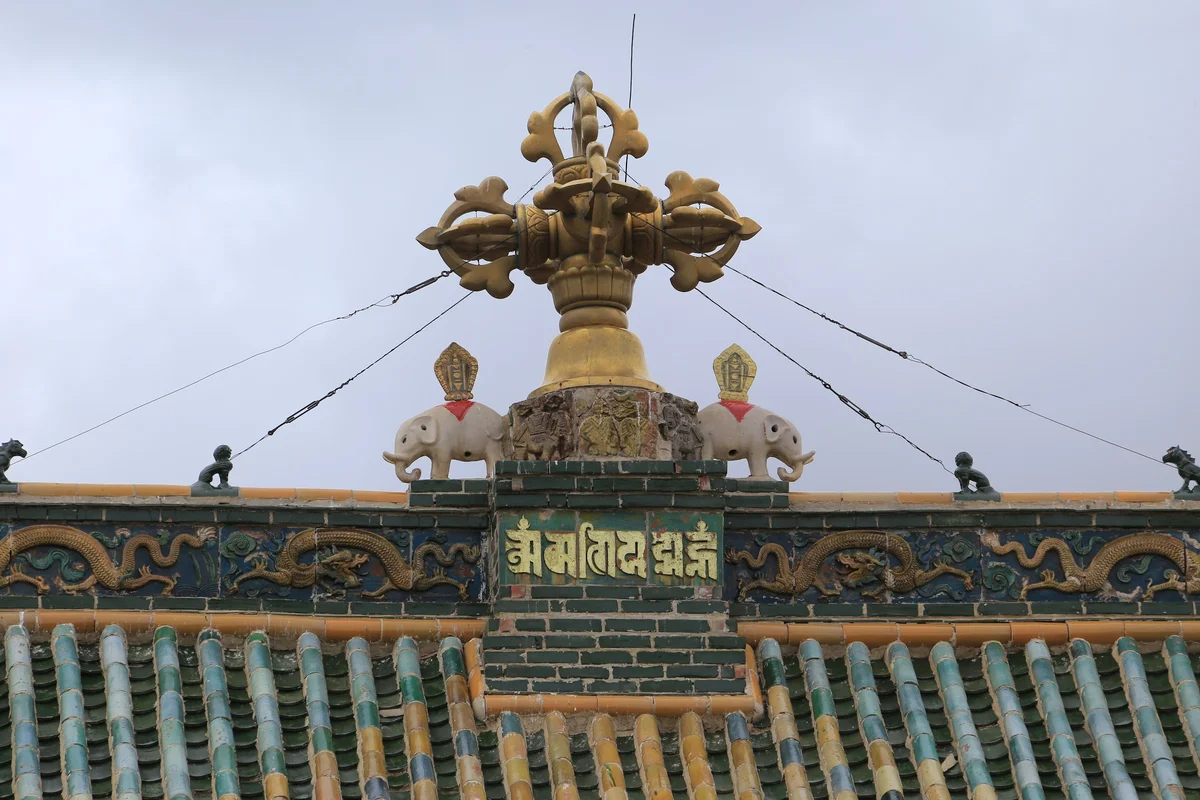
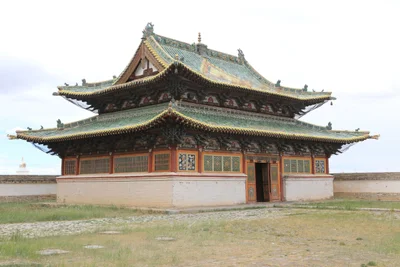
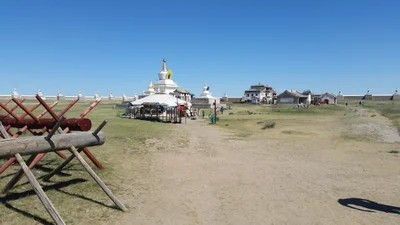
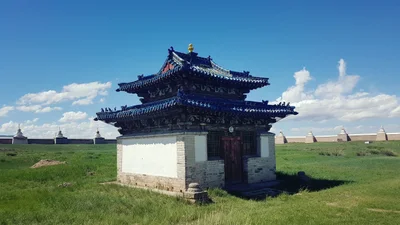
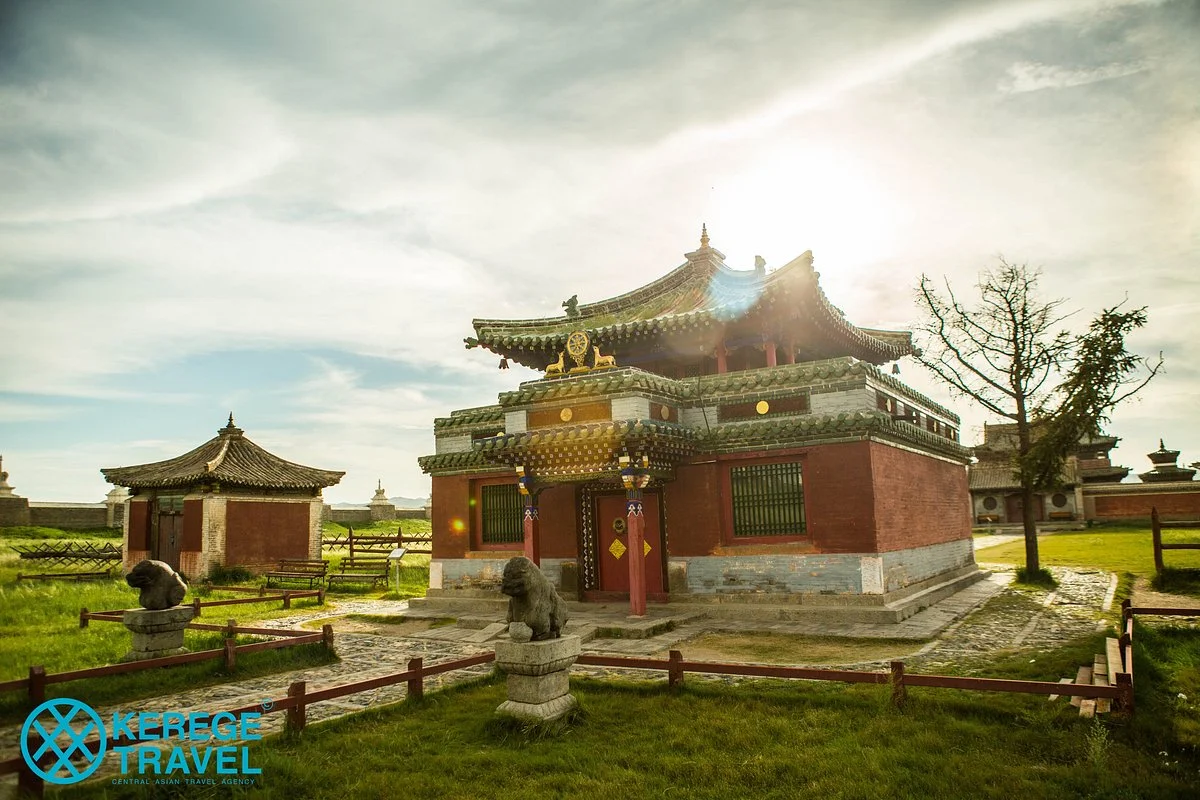
Nearby are the ruins of the ancient town of Karakorum (also known as Kharkhorum or Qara Qorum) which, for a short time, served as the capital of the Mongol Empire under Ogedei Khan. Another Kharkhorin landmark is Erdene Zuu monastery and its famous phallic rock. The important Paleolithic archaeological site of Moiltyn-am is located near the bridge over the Orkhon River, just west of the settlement. A modern resort is south of Kharkhorin at Khujirt on the Orkhon River.
Kharkhorin's principal sources of income are tourism and agriculture. Water from the Orkhon River serves to irrigate crops on the large plain east of the town. The Kharkhorin Airport (KHR/ZMHH) has one unpaved runway and is served by regular flights from and to Mongolia's capital, Ulan Bator.
During the summer, there are several restaurants in the shopping area. The white hotel between Erdene Zuu Monastery and the shopping area, on the North side of the canal serves meals.
Several small cafes were open during the day near the container shopping area 1.5km west of the Erdene Zuu monastery.
There are several Hotels, guest houses and ger camps.
While the Mongols were primarily nomadic peoples who didn't establish permanent settlements, Karakorum eventually became the site of the imperial ordu (literally a "collection of traveling tents" but later used by Mongolic and Turkic peoples to refer to settlements) where the main Khan held courts and received tributes. Since the vast majority of the "buildings" that made up the imperial ordu were felt or animal skin tents that could easily be moved, there aren't many physical remnants of buildings.
The region around Karakorum was the site of capital "cities" for numerous nomadic polities, including the Göktürks, the Uighur Khaghanate, and the Xiongnu, before becoming the site for the Mongol capital. William of Rubruck, a Flemish missionary, visited the site in 1254 and left accounts of the city and of the Khan, which are the best extant primary sources describing what the city was like. By the time the Mongol Empire was partitioned into four quadrants (the Golden Horde, the Ilkhanate, the Chagatai Khaganate, and the Empire of the Great Khan/Yuan Dynasty China), Kublai was the Khan who ruled over Karakorum, but after the defeat of Song China the capital was moved to Shangdu (the Xanadu of Marco Polo's travels) in China proper and Karakorum became nothing more than a simple provincial administrative center before fading into myth and obscurity. Karakorum was later decisively destroyed by Xu Da, a Ming-era general who took control of the town and destroyed it purely out of spite.
Karakorum, being the seat of Mongol political power during the height of the empire, was most likely the site where Tibetan Buddhism was introduced to Mongolia proper. The Erdene Zuu Monastery in/near Karakorum is the oldest Buddhist monastery in Mongolia, and was built by reusing stones from the ancient site of Karakorum.