Yangon (Burmese: ရန်ကုန်; pronounced [jàɰ̃.ɡòʊɰ̃]), formerly romanized as Rangoon, is the capital of the Yangon Region and the largest city of Myanmar (also known as Burma). Yangon served as the capital of Myanmar until 2006, when the military government relocated the administrative functions to the purpose-built capital city of Naypyidaw in north central Myanmar. With over five million people, Yangon is Myanmar's most populous city and its most important commercial centre.
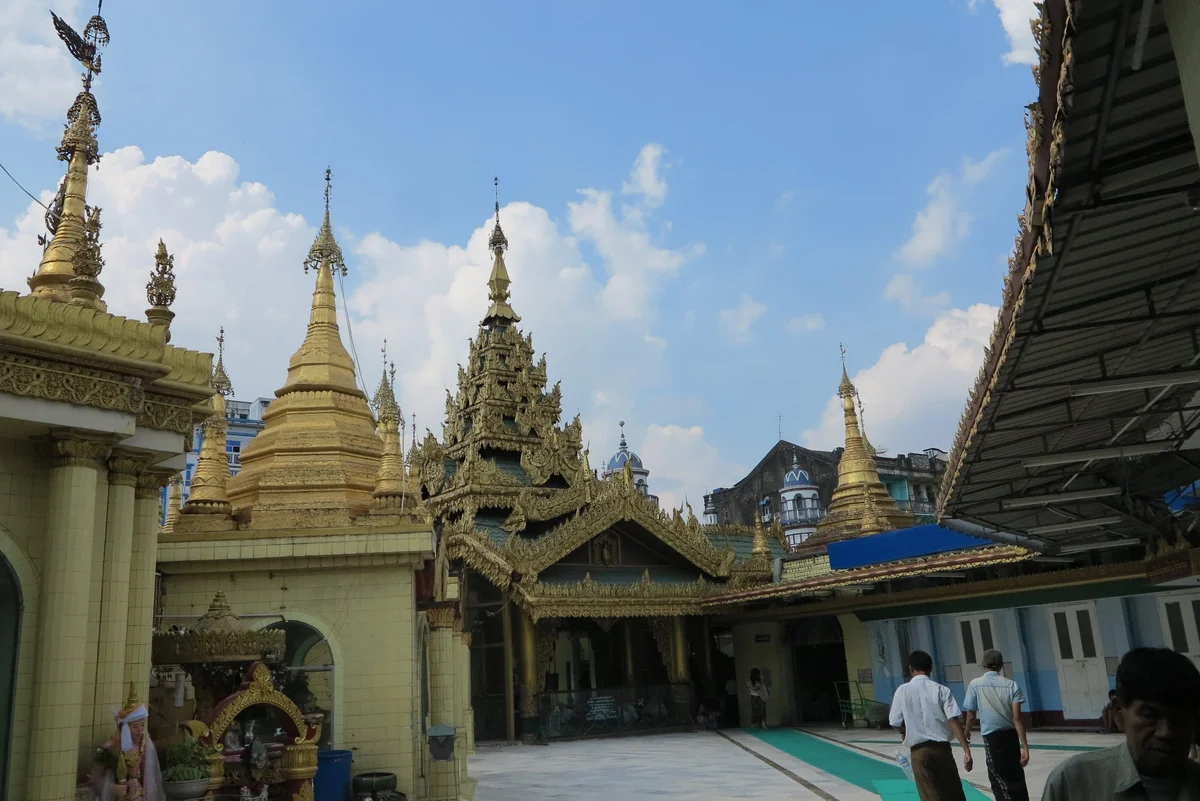
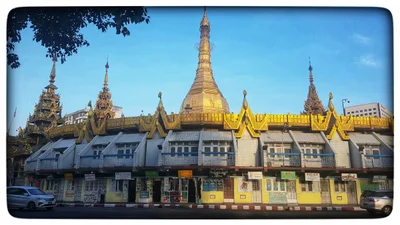
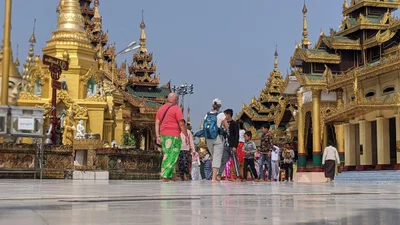
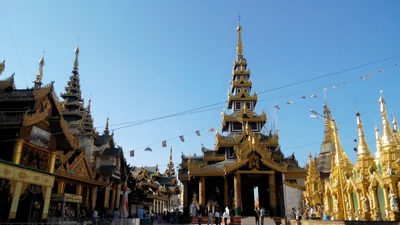
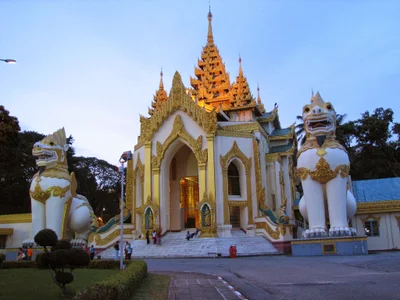
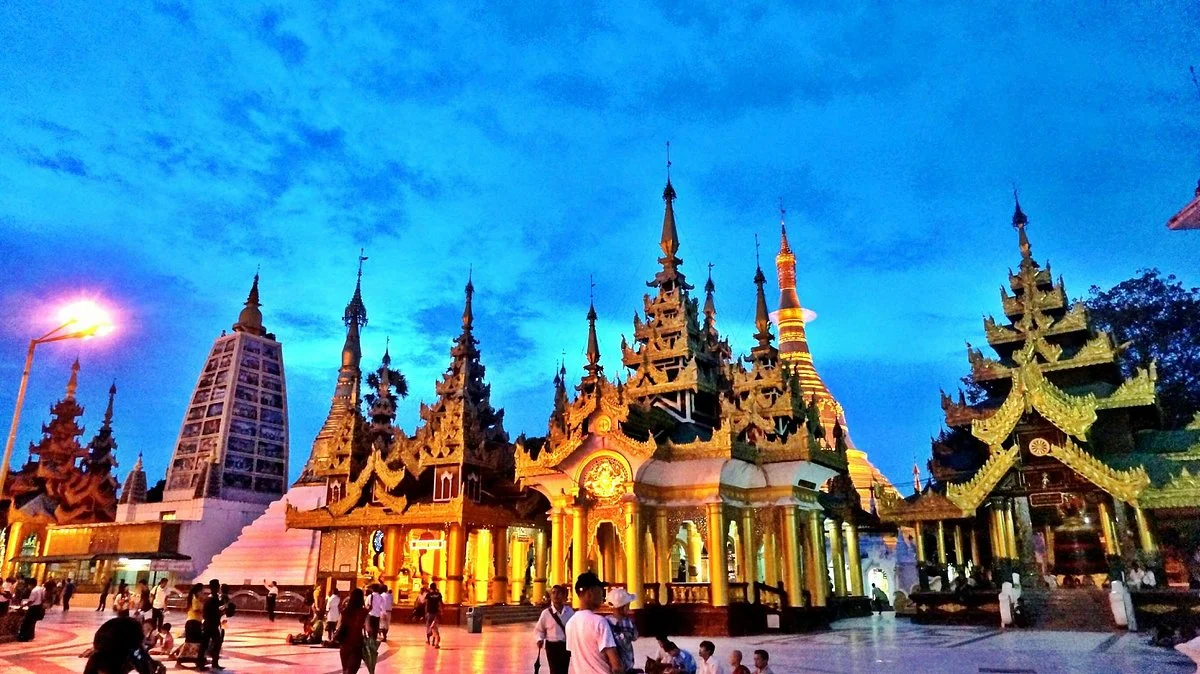
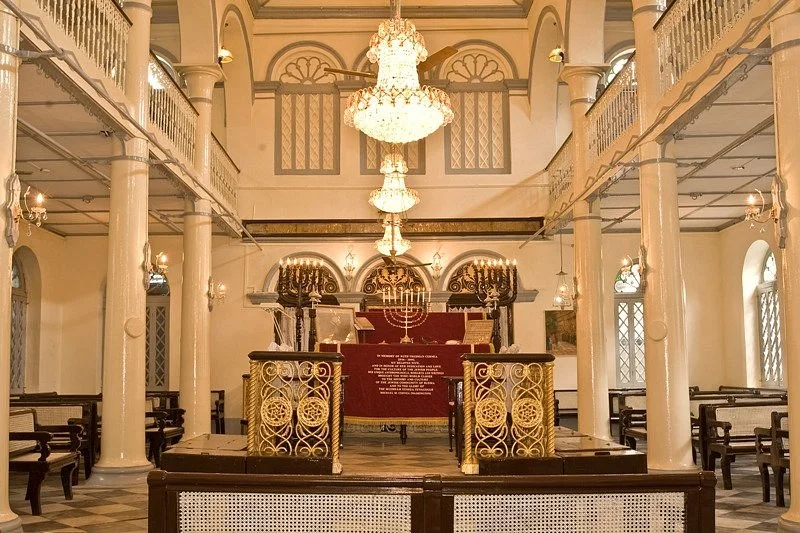
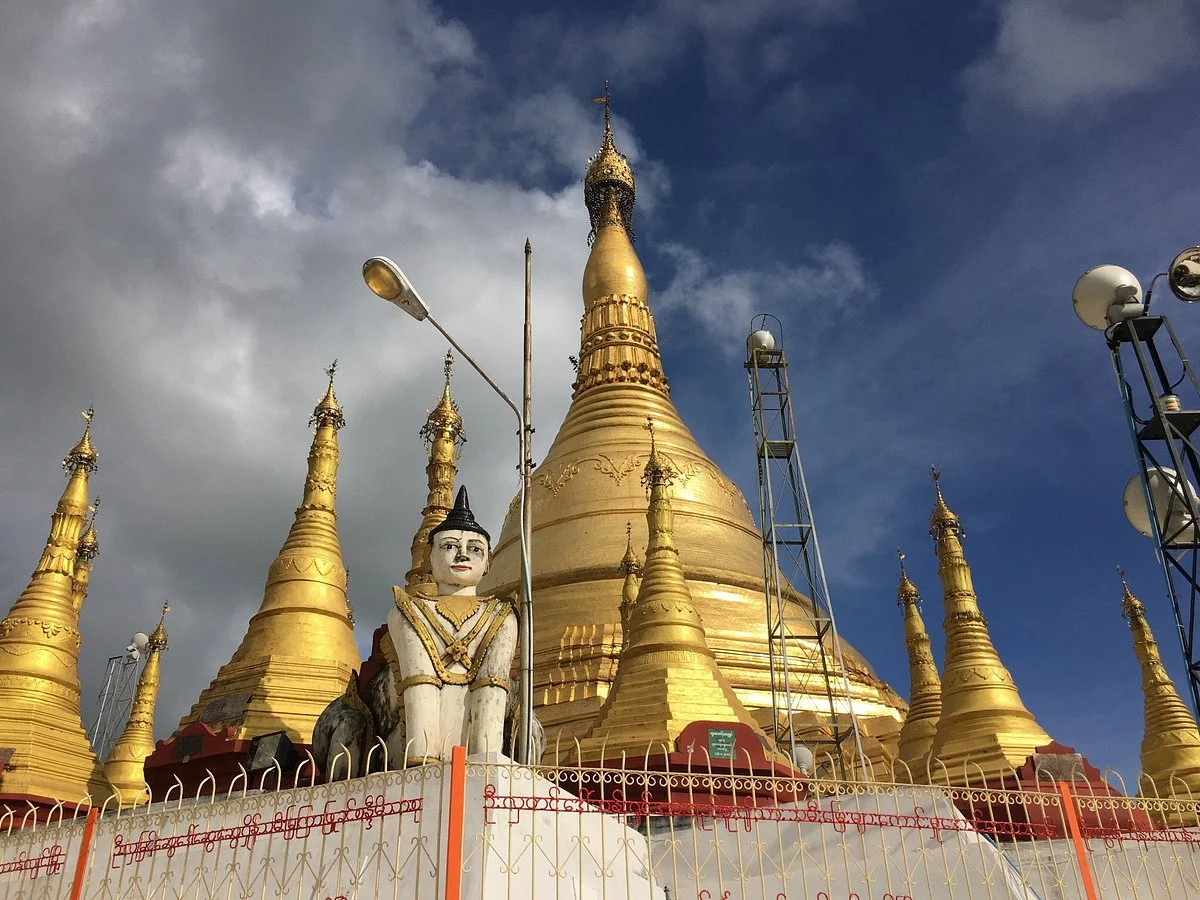
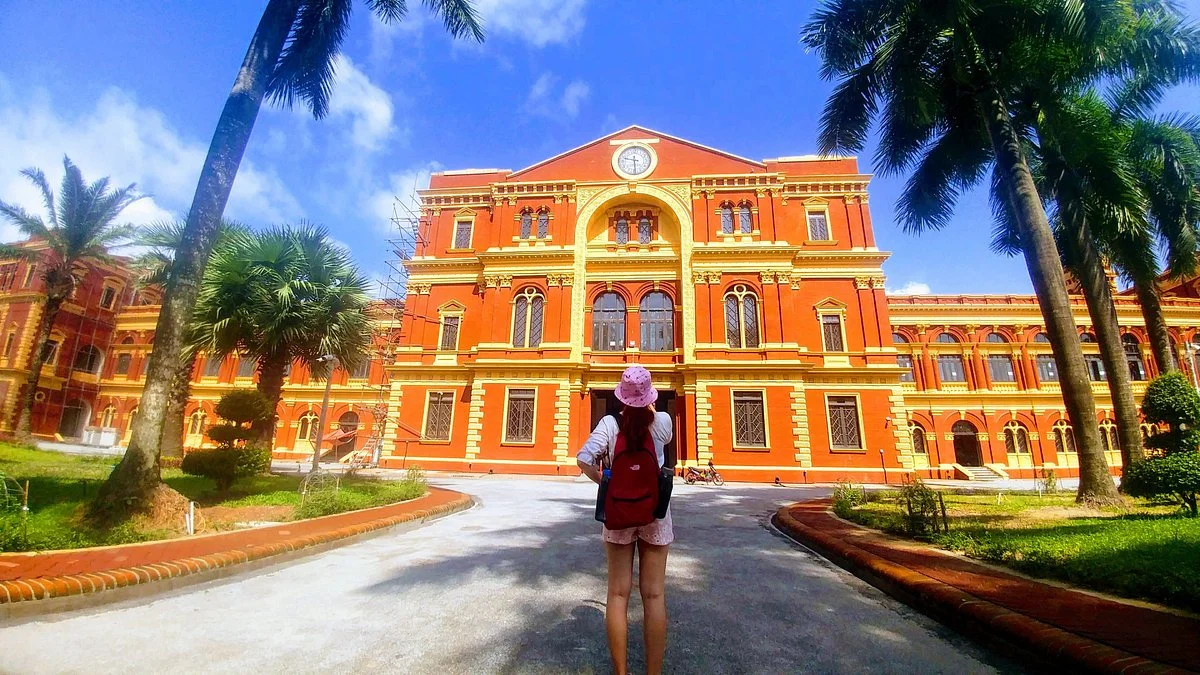
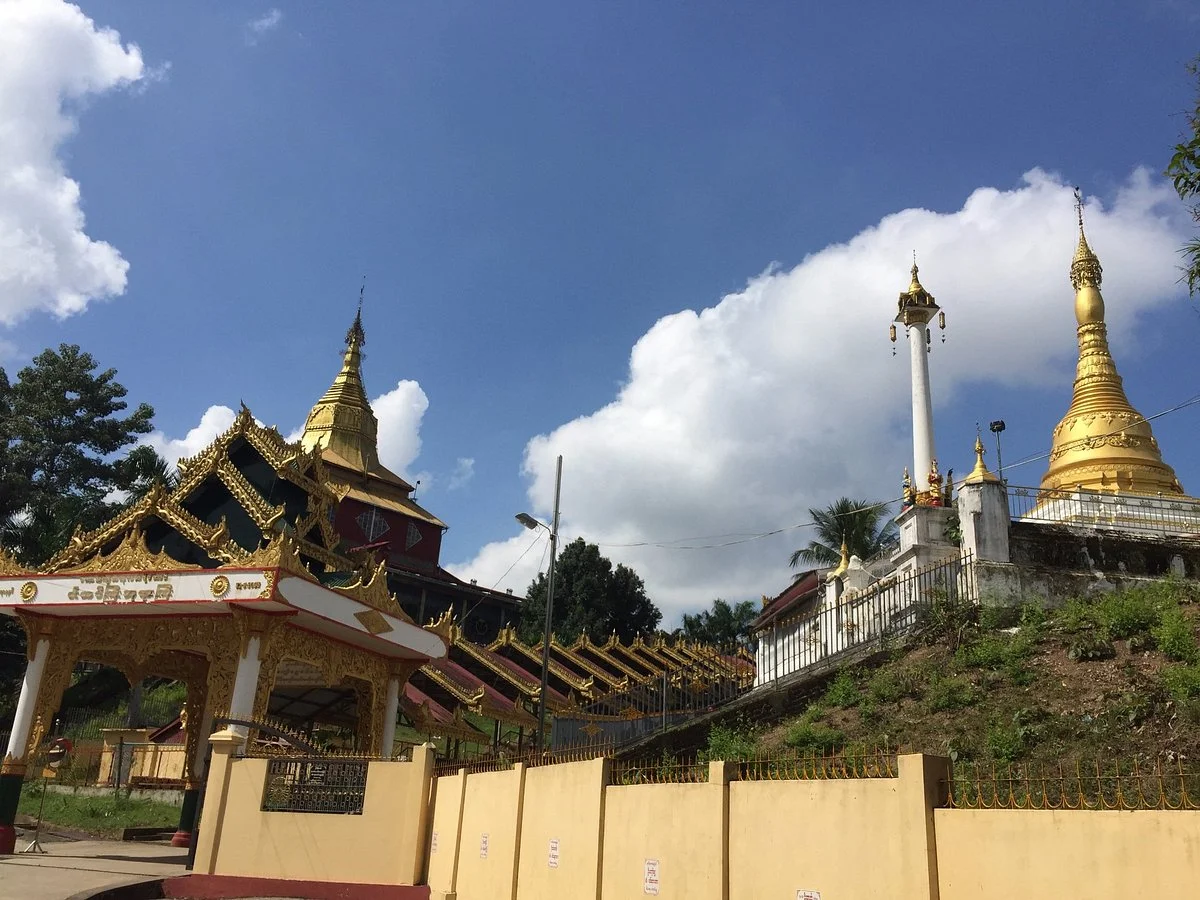
Yangon boasts the largest number of colonial-era buildings in Southeast Asia, and has a unique colonial-era urban core that is remarkably intact. The colonial-era commercial core is centered around the Sule Pagoda, which is reputed to be over 2,000 years old. The city is also home to the gilded Shwedagon Pagoda – Myanmar's most sacred and famous Buddhist pagoda.
Yangon suffers from deeply inadequate infrastructure, especially compared to other major cities in Southeast Asia, such as Jakarta, Bangkok or Hanoi. Though many historic residential and commercial buildings have been renovated throughout central Yangon, most satellite towns that ring the city continue to be profoundly impoverished and lack basic infrastructure.
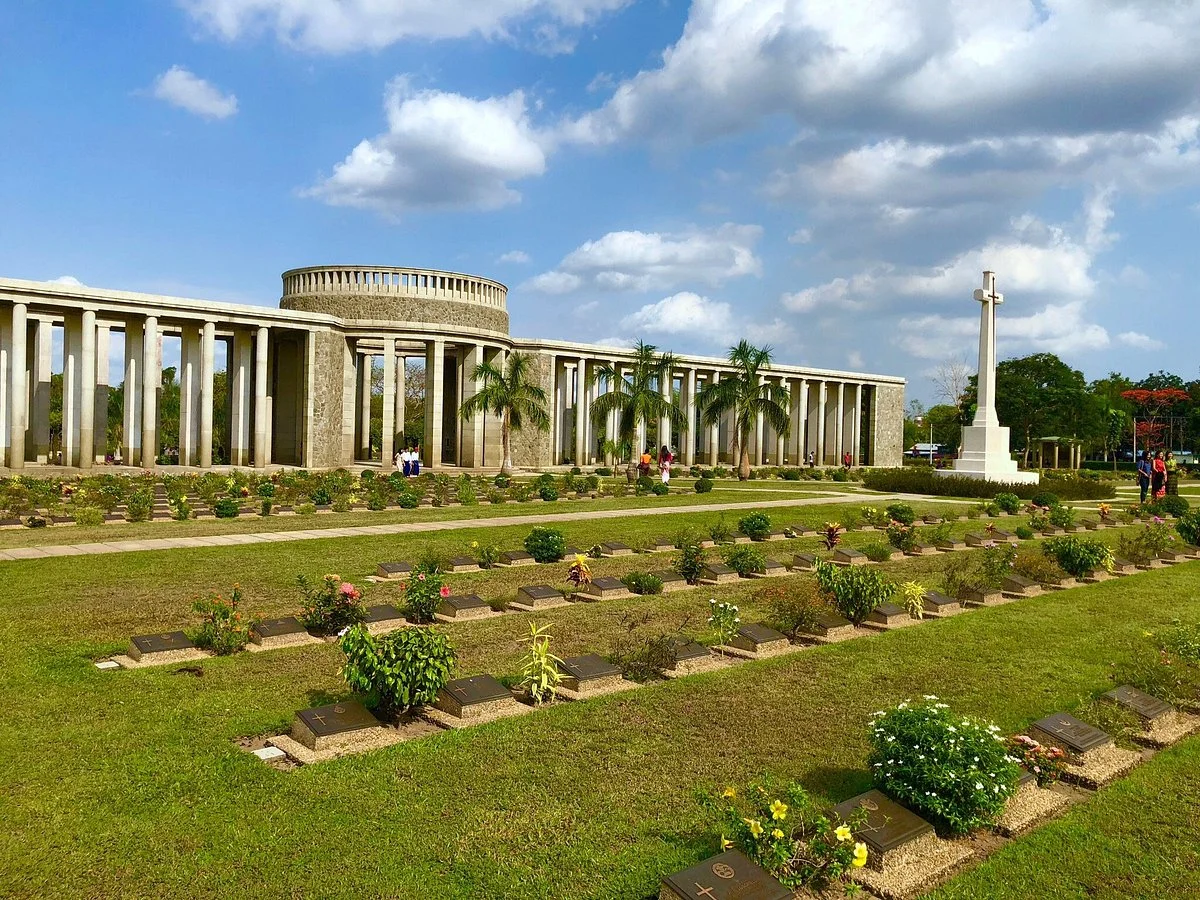
Relatively untouched by development compared of other major Southeast Asian cities, the city centre of Yangon is full of historical sights. Yangon is perhaps the best preserved example of a European colonial capital in Southeast Asia.
Yangon has seen an explosion of restaurants in the last ten years and a wide selection of international cuisines is available: Italian, Japanese, Thai and Korean. Local cuisine reflects the multi-ethnic nature of the city and the country. Along with Bamar food, there are a large number of Indian and Chinese restaurants as well as a few places specializing in ethnic Shan food. Fast food restaurants (usually with table service) serving burgers and pizza, and a few cafes complete the scene.
The cost of food ranges considerably. Restaurants and cafes in hotels and the airport charge prices that are normal in Western countries, yet at a streetside stall a whole meal costs 500–2,000 kyat.
Biryani, a rice and meat dish with roots in the Mughal Empire, is a speciality and there are many biryani restaurants (dan-PAO-sain in Burmese) in the city centre, especially along Anawratha Rd. The three main competing restaurant chains (all halal, but vegetarian biryani is usually available) are Yuzana, KSS (Kyet Shar Soon), and Nilar.
Nightlife in Yangon is split between local bars or "beer stations" as they are called which close early (around 21:00-00:00), but offer drinks at bargain prices (about 800 kyat for a pint glass of Myanmar Beer, local whiskies cost 2,000 kyat a glass). Expect to get a lot of attention when going to the local bars, since theses places are not frequented by foreigners. Drinking is not culturally acceptable for women in Burma, so don't expect to pick up any girls except in nightclubs and Western-style venues, local bars are places where men meet to talk and chew betel nut (very popular in Myanmar).
In stark contrast to local bars are the trendy cocktail bars and nightclubs that are springing up in the more modern areas of town, this is where you will find the expatiates and wealthy Westernized locals. Drinks are expensive and the DJs are unreliable- but expect a more or less Western experience, girls drink, most venues are LGBT friendly and all "the people" are there.
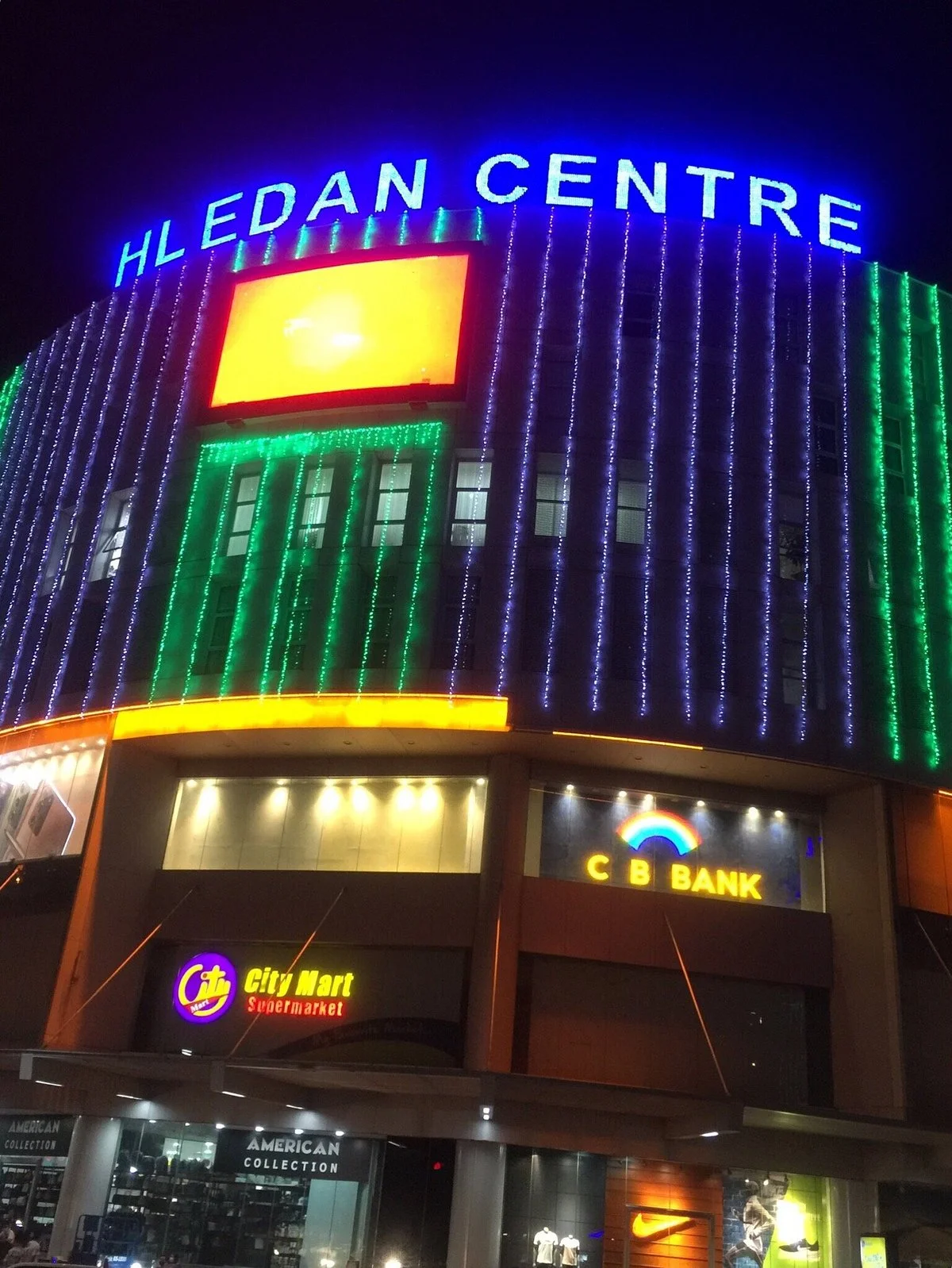
Valuable and expensive woodcraft, gemstones, food ingredient, and souvenirs. Shopping is fun in Yangon for variety of things being available, unlike other crowded countries, foreigners can visit on certain times view things without distraction. Bargaining is expected, although tourists will be charged higher prices. Street vendors in the centre are not allowed to open their shops until 18:00, by government mandate.
Accommodation in Yangon is comparatively much more expensive than the likes of Bangkok, Ho Chi Minh City or Bali.
Rooms are abundant except at the height of the tourist season (Dec-Jan), and then only in the popular backpacker hotels. Reservations are almost never necessary. Tourists can still pay in US$ (bring only newer US$ banknotes in good condition), but the kyat is more commonly used now. Credit cards are increasingly accepted at hotels.
Budget hotels are mostly away from city centre. The upside is that the hotels are quieter, the city centre can be quite noisy, and you get a little more room for your money. You'll need a taxi to get to the main sight, the Shwedagon Pagoda anyway. The downside is that most restaurants are in the city centre, a long walk or taxi ride away and choices outside the centre are limited, usually with the only choice being a restaurant attached to the hotel with indifferent cuisine and which may be closed if business is slow. Pazundaung and Botataung Townships seem to have the highest concentration of budget hotels. Some rooms, the cheaper ones, in many budget hotels have no windows. There are a few budget central hotels but, except for a couple, are quite shabby.
Mid-priced hotels are scattered about the city, with one set concentrated in the few blocks around Sule Pagoda and a second set just north of the Shwedagon Pagoda. Luxury hotels are concentrated around Kandawgyi Lake or city centre.
Rates for hotels are usually quoted as single/double. The room is usually the same but you pay a little extra, about US$5-10, if two people share the room. Breakfast is almost always included and the quality and variety increases with the cost of the hotel. In a budget hotel, expect a banana, an egg, some bread and coffee made from "coffee mix" (a pre-packaged mix of coffee powder, milk powder and lots of sugar).
An important factor in choosing a hotel is electricity. Electricity supply is subject to frequent breaks anywhere in the city. Mid-priced hotels usually have their own generators while budget hotels either do not or have a limited supply: lights will work till 23:00, fans may or may not work, air conditioning never does even if fitted in the room unless state-supplied electricity is available. Ask when you book what the electricity situation is and, if there is no generator, what you can expect on the days that you are there.
=
Getting there/away:
International:
Domestic: