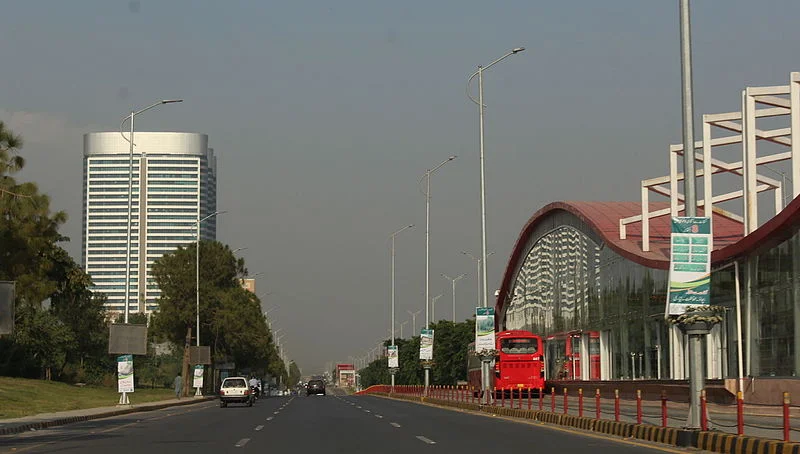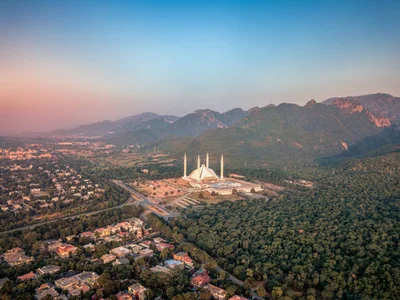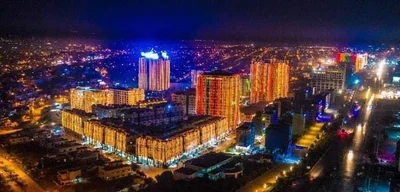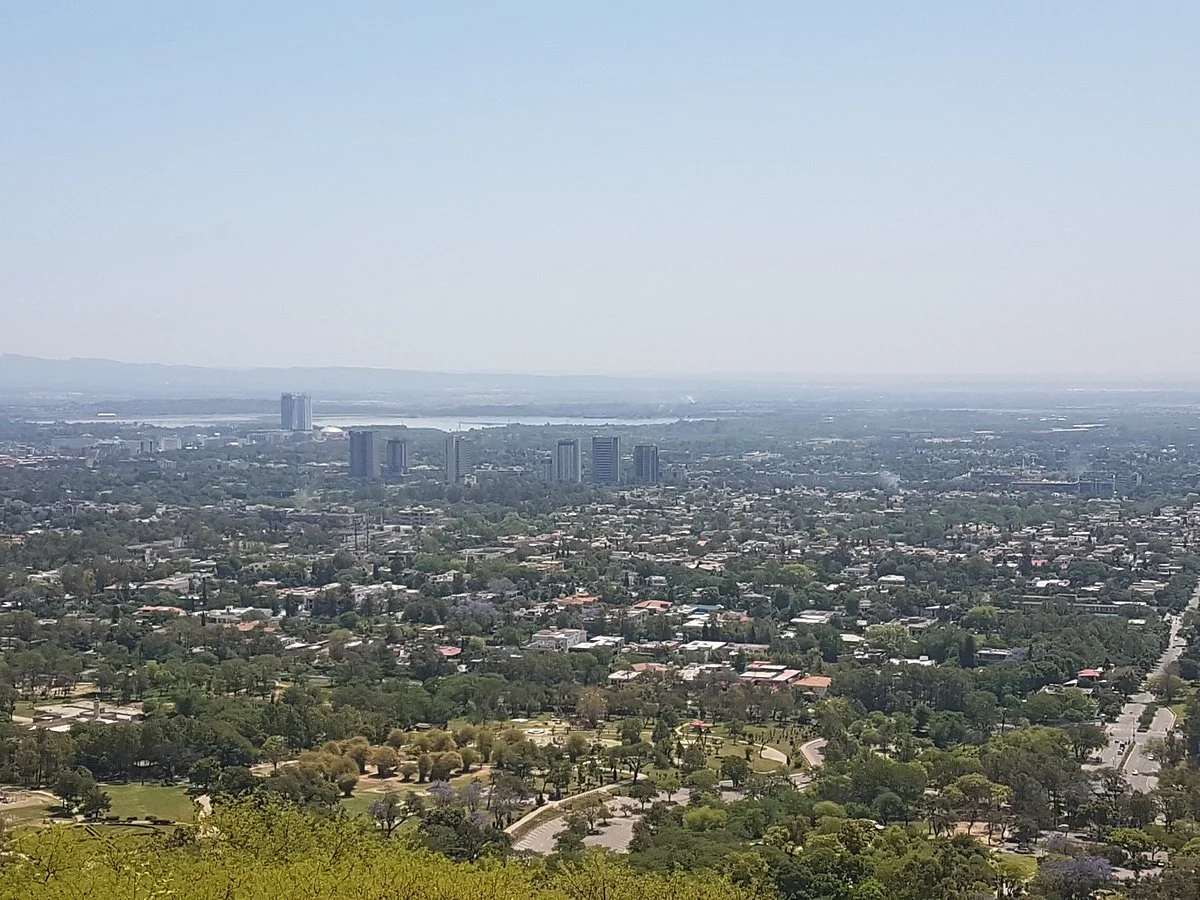
Islamabad (; Urdu: اسلامآباد, romanized: Islāmābād, ; transl. 'City of Islam') is the capital city of the Islamic Republic of Pakistan. It is the country's ninth-most populous city with a population of over 1.2 million people and is federally administered by the Pakistani government as part of the Islamabad Capital Territory. Built as a planned city in the 1960s and established in 1967, it replaced Karachi as Pakistan's official national capital.
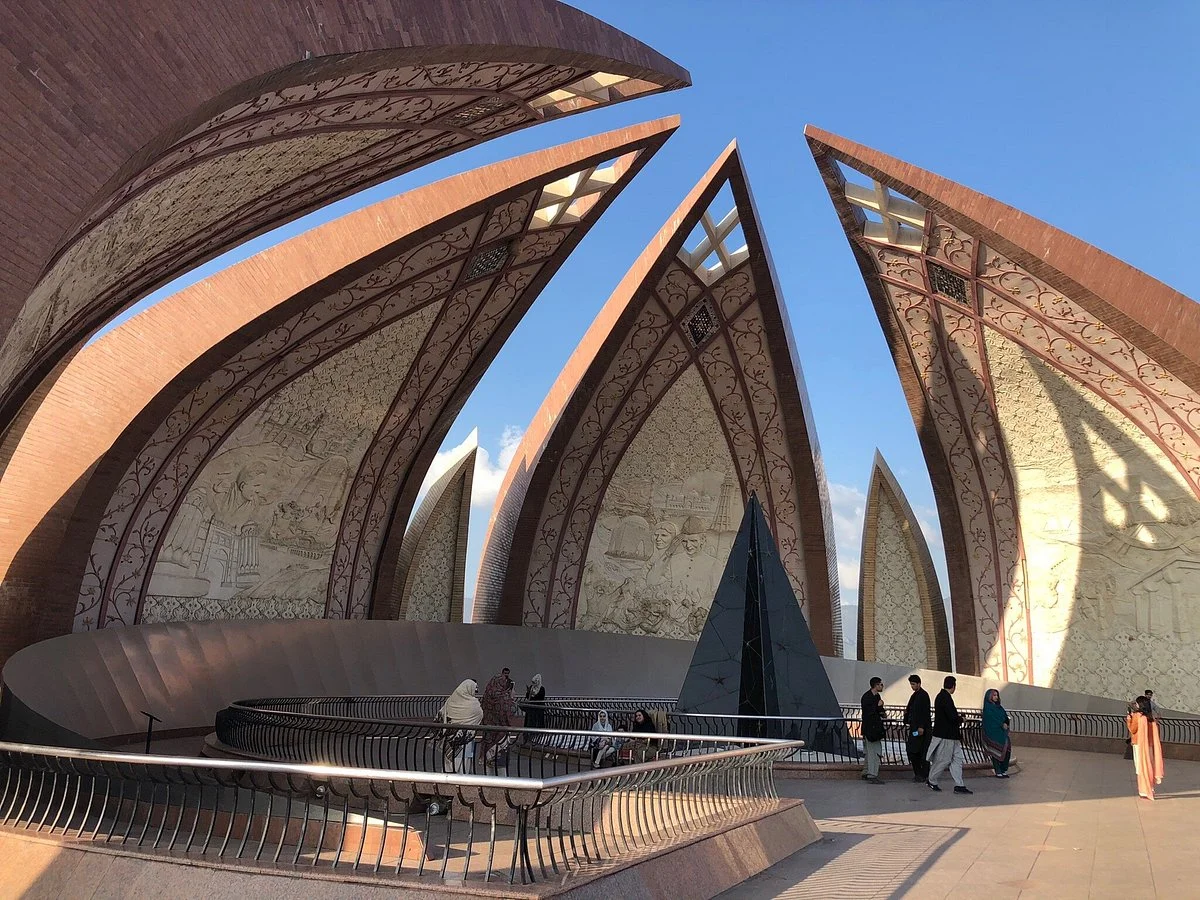
The Greek architect Constantinos Apostolou Doxiadis developed Islamabad's master plan, in which he divided it into eight zones; administrative, diplomatic enclave, residential areas, educational and industrial sectors, commercial areas, as well as rural and green areas administered by the Islamabad Metropolitan Corporation with support from the Capital Development Authority. Islamabad is known for its parks and forests, including the Margalla Hills National Park and the Shakarparian. It is home to several landmarks, including the country's flagship Faisal Mosque, which is the world's fifth-largest mosque. Other prominent landmarks include the Pakistan Monument and Democracy Square.Rated as Gamma + by the Globalization and World Cities Research Network, Islamabad has the highest cost of living in Pakistan. The city's populace is dominated by both middle and upper-middle class citizens. Islamabad is home to twenty universities, including Bahria University, Quaid-e-Azam University, PIEAS, COMSATS University, and NUST. It is also rated as one of the safest cities in Pakistan and has an expansive RFID-enabled surveillance system with almost 2,000 active CCTV cameras.
=
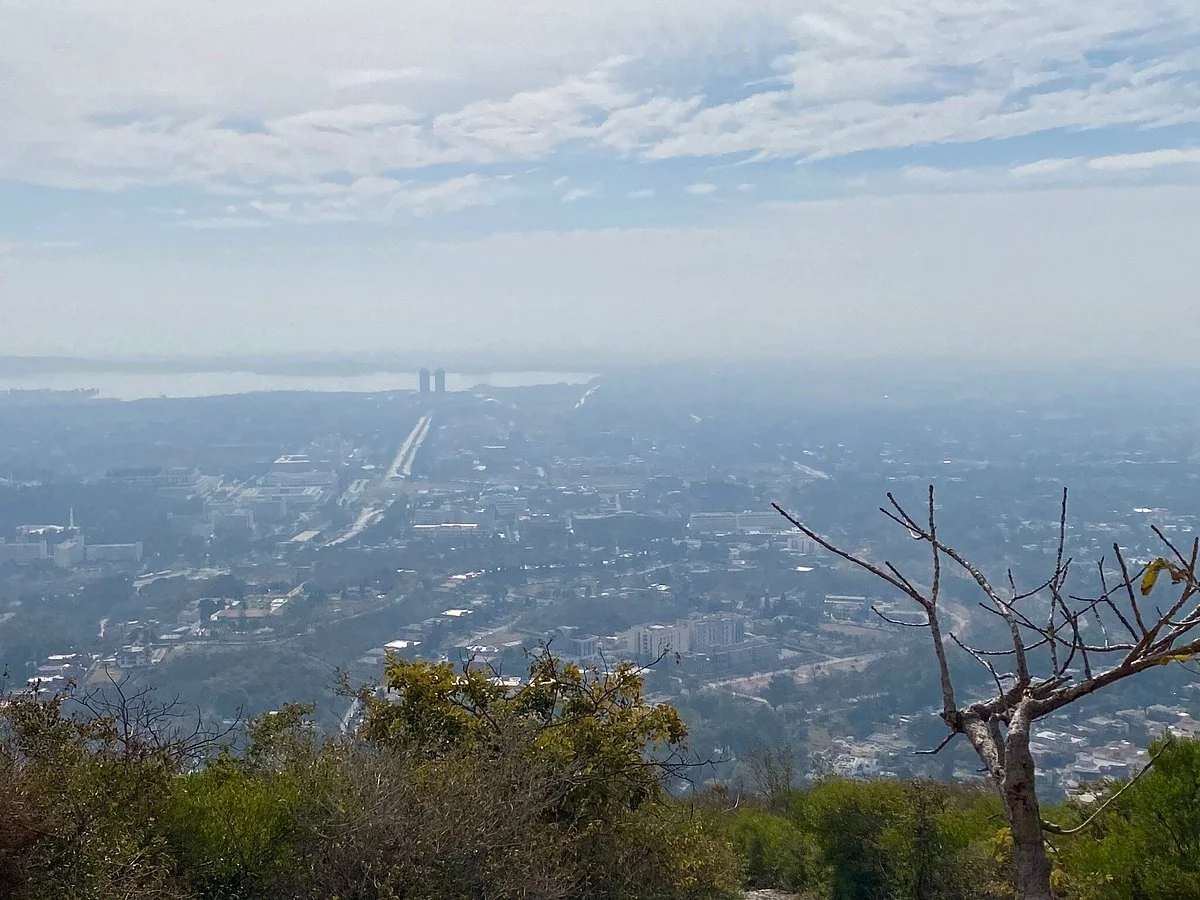
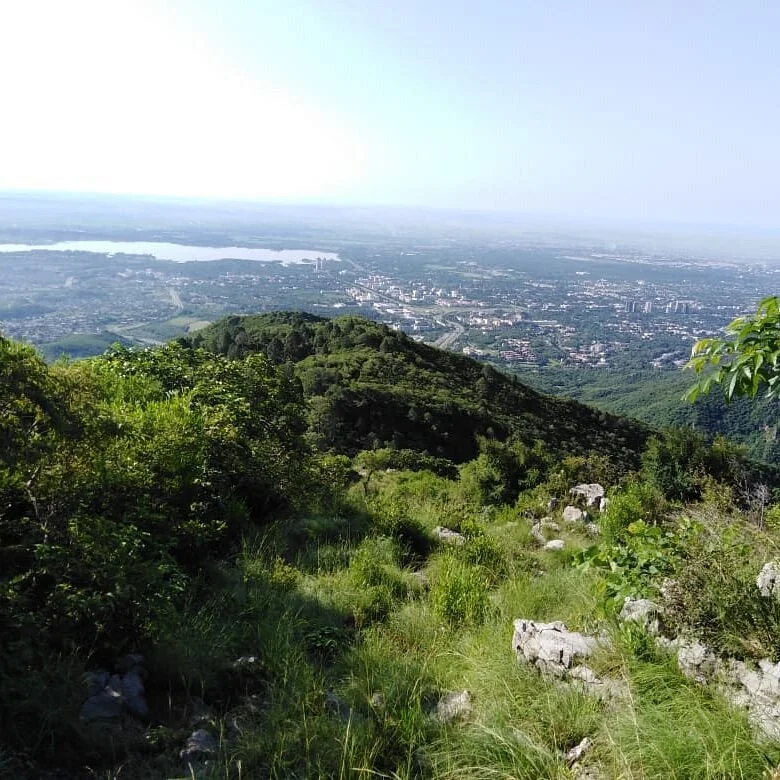
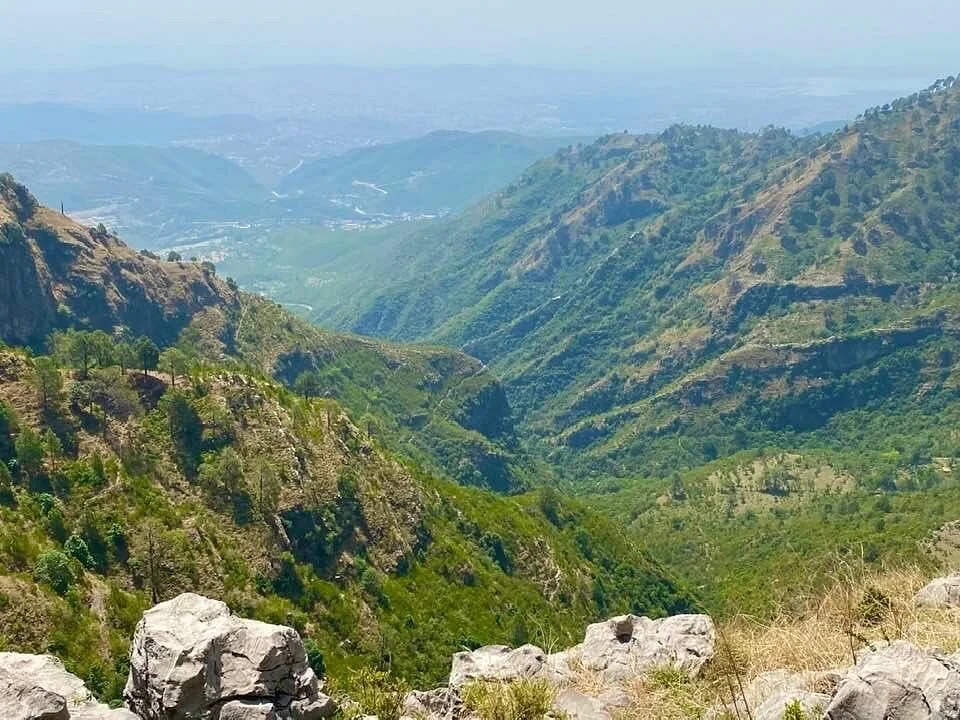
The Margalla Hills are effectively foothills of the Himalayas – and are very easily accessible from Islamabad. However these are quite big, steep hills, and shouldn't be underestimated – if you are planning on a walk up to the top of the first ridge (i.e. where the shuttered Monal restaurant is) then sturdy footwear, a large water bottle, and a change of t-shirt are necessary (good chance you'll be drenched in sweat by the time you get to the top). Between March and November it is best to start walking in the early morning (before 7:30AM, or 6:30AM in the height of summer) as it is uncomfortably hot during the day.
Go karting - F1 Traxx - Lake View Park (Rawal Lake) - there is another track in Bahria Town, Rawalpindi
Climbing - there is a climbing wall in Rawal Lake's Lake View Park
Para Gliding – at Margalla Hills. The Pakistan Adventure Foundation is the place to call, reservations are recommended.
Cycling – Mountain biking is fast becoming a much-loved activity because of the weather and the terrain. If you're in the mood for some adventurous cycling down one of Islamabad's beautifully scenic bike trails, get your bike ready. Information can again be had from the ASG's hiking publication. Cheap bikes can be purchased for Rs 6,000-10,000 in Islamabad and Rawalpindi. Alternatively you can hire decent quality bikes from K2Riders - based in F8/2.
At first glance the visitor may feel that Islamabad offers little to excite the taste-buds, however beneath the surface there is a thriving restaurant scene. There are many typical dhabbas (small restaurants) which offer traditional food. Many of the better restaurants are away from the main markets of F6 and F7. Most do not serve alcohol, but some allow you to bring your own. Call ahead to ask.
For ease of use restaurants are organised by sector:
Drinking alcohol in public is nominally banned although most of the top end hotels have their own bars, as do some of the larger embassies if you befriend a diplomat. The windowless basement sports bar in the Marriott is probably the most frequented of the hotel bars.
Most Pakistanis though would find it extremely rude and offensive if you show or drink alcohol in public. Night Life is exists, but it's not easy to find. There are no open 'night clubs' in the city - however periodic special events are organised in various venues about once every two months - spread by word-of-mouth. Less excitingly some of the embassy clubs in the diplomatic enclave have 'dance parties' and the like but these tend to be exclusively expatriate and rather low brow.
Non-Muslim visitors can obtain from the local police a so-called 'non-Muslim declaration'. This permit gives you the right to legally buy a limited amount of alcoholic drinks like bottles of wine or beer. For instance, Pakistan's small Christian minority is by law allowed to consume alcohol.
Try local brands like Murree Brewery, in addition to that there are other brands such as Budweiser and Bavaria with non-alcoholic beer. There is a small off-license around the side of the Marriot hotel (next to the dry cleaners) - you'll need a 'non-Muslim declaration' (or maybe just a foreign passport if you turn on the charm) to be able to buy anything.
In soft drinks, all the usual western brands are available but better to try local limca cola which makes "pop" sound when opened. you can also try Pakola; Pakistan's premier soft drink brand which is available in different flavours like Ice cream soda, Lychee, Orange, Raspberry, Apple sidra, Vino, Double cola, Bubble up etc. A 'fresh lime 7-up' is a better alternative for people who don't like standard soft drinks.
In other drinks try strawberry milk shakes and dhamaka soda (dhamaka means bang - the bang that happens when one opens the bottle) from Jinnah super market.
Each sector having its own central shopping area (or markaz) where all local amenities are found. Some of the more popular markazes are the F6 Markaz (aka Supermarket) F7 Markaz (aka Jinnah Market), G6 Markaz (aka Melody Park), G9 Markaz (aka Karachi Company) and so on. There isn't much going on in the markets of F8, G7 an G8 that would interest the tourist. Each markaz has its own peculiarities and each one is worth visiting individually. However most things are catered for in each markaz, i.e. clothing, shoes, fast food etc. There's always a real buzz in the evenings when all the shoppers come out, particularly in the run up to Eid.
Although the majority of the population in Islamabad traditionally have been employees of the Federal Government, the wealth of the Musharraf years fuelled a boom in Islamabad and it has become an important financial and business centre. In the last decade there have been vast changes in the city's traditional reputation. From it being a typical 9-to-5 city, Islamabad has become more lively with many new restaurants and hotels springing up to service this new wealth. A lot of international food chains have opened, and generally a great improvement in night life with increasing shopping areas opening till late. However, during winter season streets are considerably quiet after dark.
Even now, Islamabad remains a city where people come from all over the country to enjoy its peaceful, noise-free atmosphere with a lot of greenery and nice surrounding scenery. It also serves as a base camp for people from the south and coastal areas like Karachi, visiting relatively lush valleys such as Swat and Kaghan together with northern areas like Gilgit, Hunza, Skardu and Chitral in the Himalayas mountains.