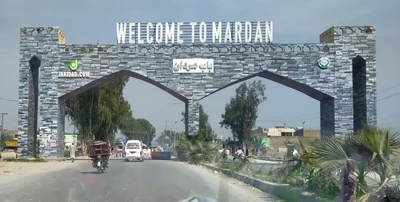
Mardān (Pashto and Urdu: مردان; Urdu ; Pashto: ) is a city in the Mardan District of Khyber Pakhtunkhwa Province, Pakistan. Located in the Valley of Peshawar, Mardan is the second-largest city of Khyber Pakhtunkhwa (after Peshawar). It is a fast-growing city that experienced a population boom in the latter half of the twentieth century.
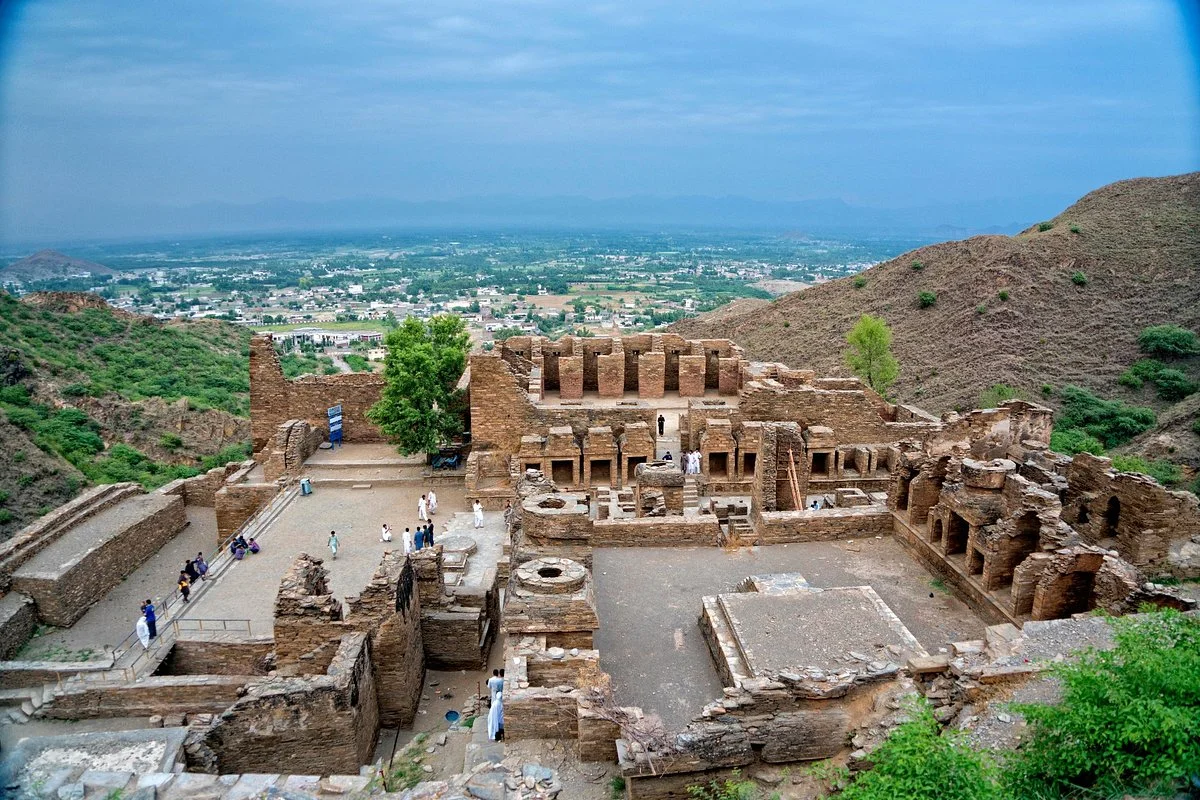
Around 1800 BCE, the area around Mardan was part of the homeland of the Gandhara grave culture. Rock edicts of the ancient Indian King Ashoka in the nearby Shahbaz Garhi, written in the right-to-left Kharosthi script, date from the Mauryan period (mid-200s BCE) and represent the earliest irrefutable evidence of writing in South Asia. The nearby Takht-i-Bahi which has remains of an ancient Buddhist monastery was listed as a UNESCO World Heritage Site in 1980.
A number of newly opened restaurants provide local and international dishes at good prices.There are a number of new restaurants and cafes like "The Bakery Cafe", Italian Pizza, Sheliton Hotel, Pizza Hut, Royal Hotel and Marhaba Bakery.The special Badayoni Paira of Mardan are famous all over the region.All of these cafes are located on Nowshera Road.
There are a number of shopping plazas with standard shops like The Mall of Mardan", the Mega Mart, Ocean Mall, Home Center, Khobsurat Mall and Yousaf Sons. There are a number of under construction plazas emerging around the Nowshera Road and Bacha Khan Monument. Prices are a bit higher but the services are of great standards.
There's only a limited number of trains to Mardan. However, the nearby town of Nowshera is located along the main railway line connecting Peshawar with the rest of the country.
Travelling by bus is very common and there are numerous daily departures from most Pakistani cities to Mardan. Few companies offers online ticketing so it is always advised to buy tickets at the station.
Mardan is the largest city in Khyber Pakhtunkhwa after the provincial headquarters, Peshawar. Mardan is well known in the area for its hospitable people. Mardan is also famous for its archaeological importance, particularly the Buddhist stupas of Takht-e-Bhai. Asia's biggest sugar mill is also situated in Mardan.