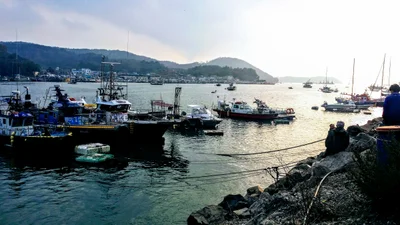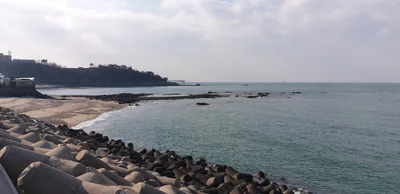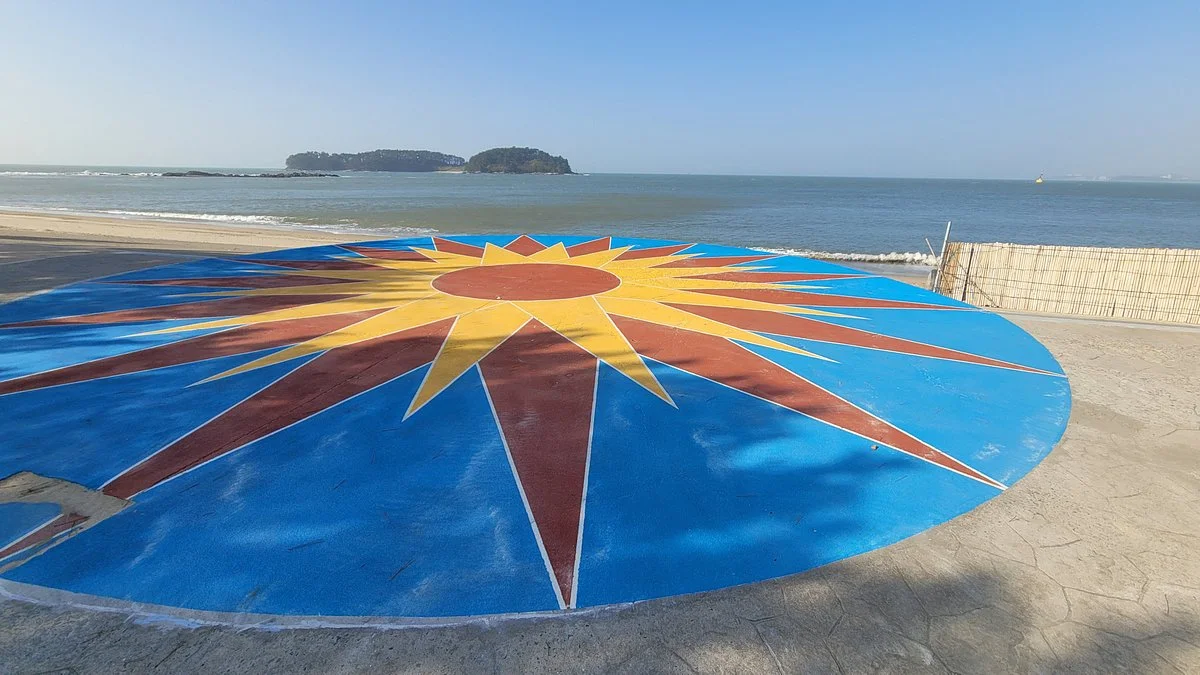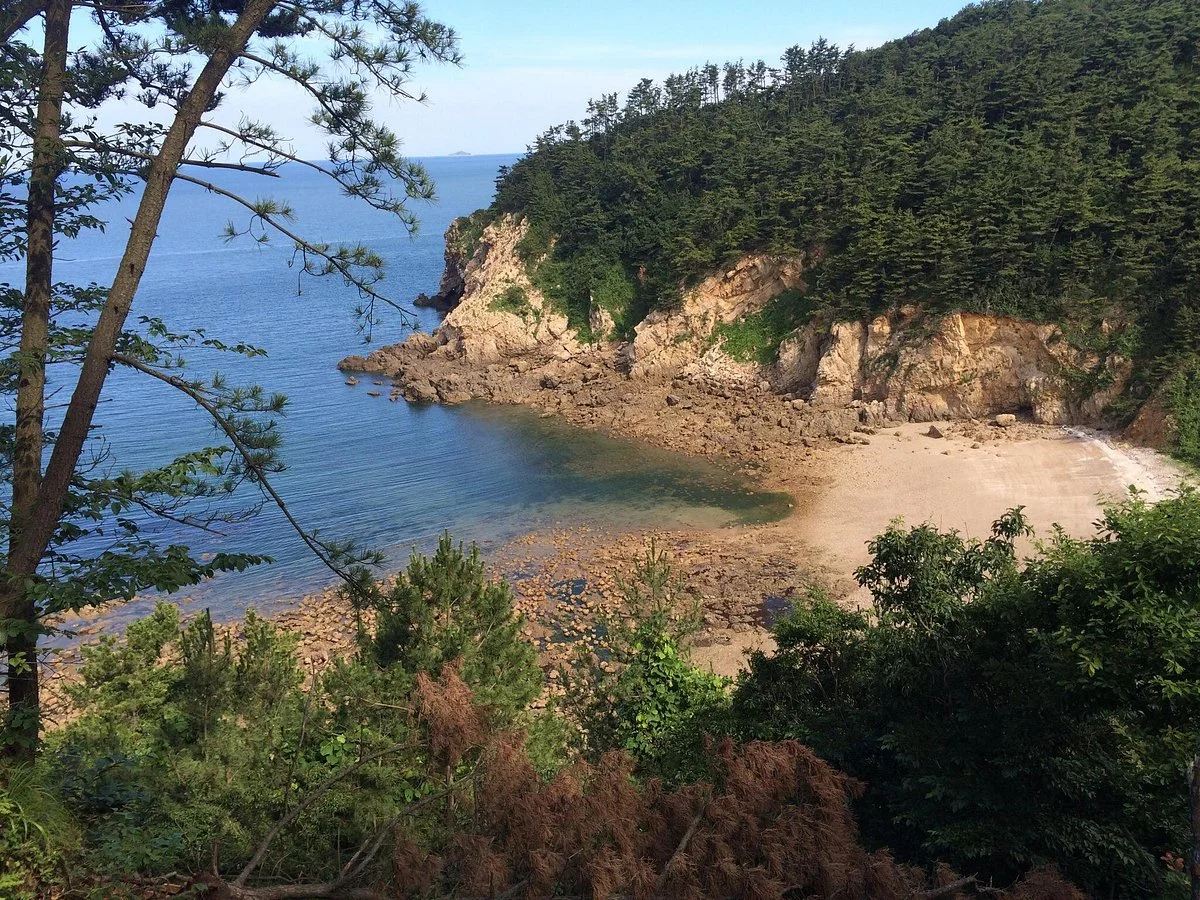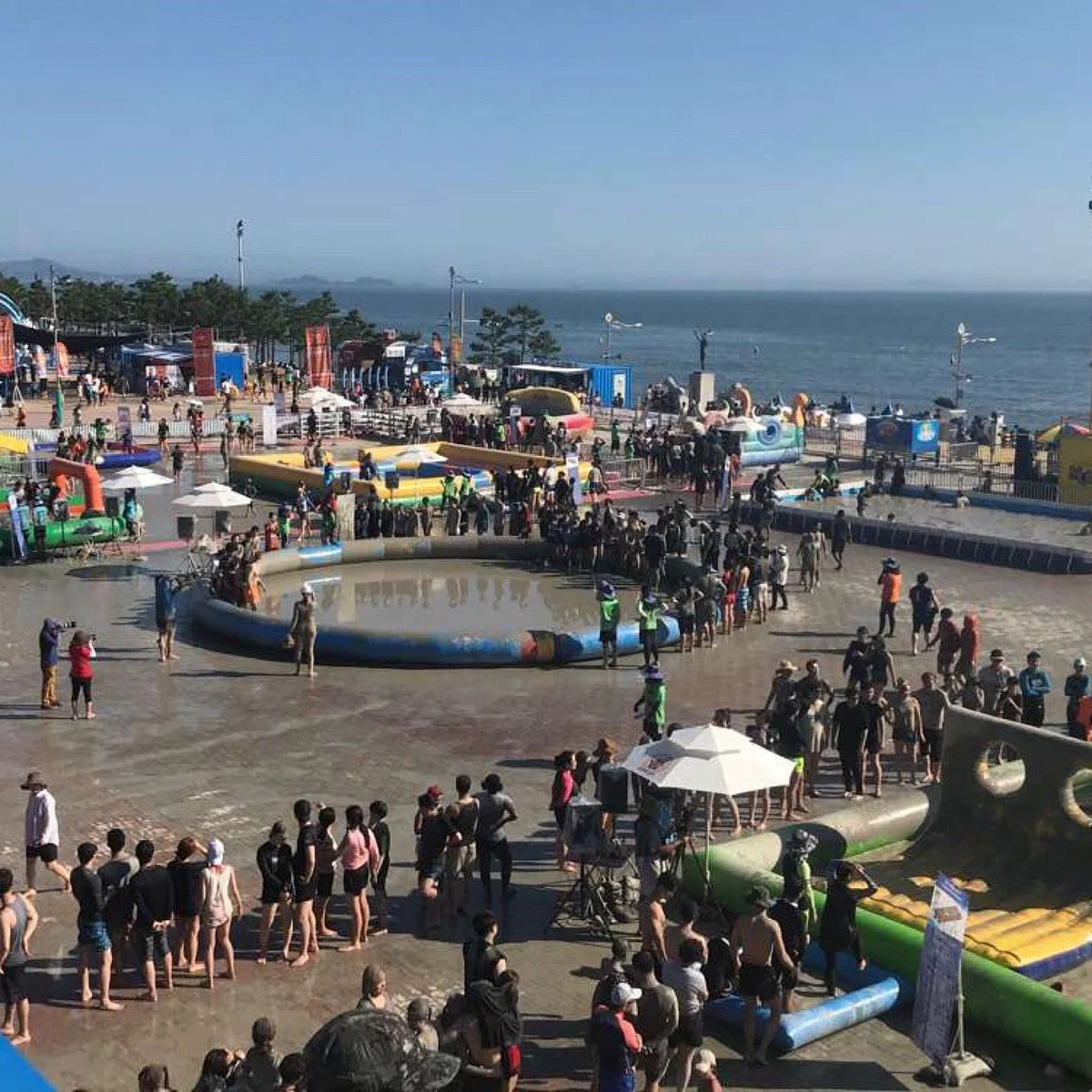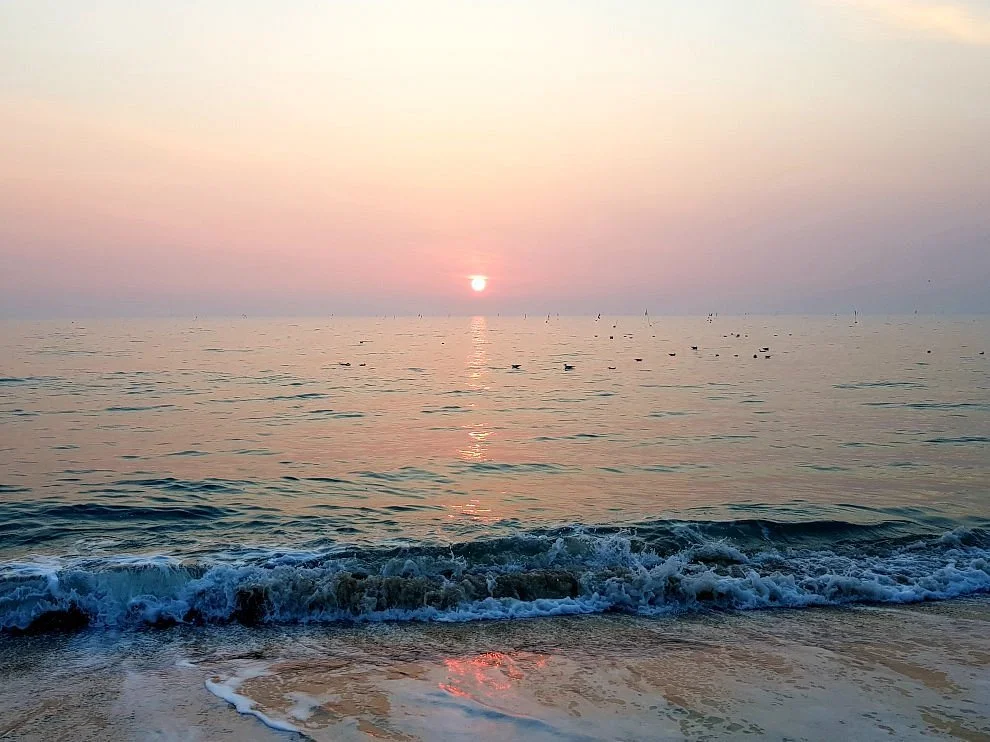
Boryeong (Korean pronunciation: [po.ɾjʌŋ]), commonly known as Daecheon, is a city in South Chungcheong Province, South Korea. It is located on the coast of the Yellow Sea. It lies on the Janghang Line railroad, which connects it to Seoul via the Gyeongbu Line. It is also connected to the Seohaean Expressway. Boryeong is known around Korea for its beaches, particularly Daecheon Beach, and its annual mud festival around July, Boryeong Mud Festival. The city's beach-mud is widely touted for its cosmetic properties. As elsewhere along the southwest coast of the Korean peninsula, there are numerous small islands, many of which are connected by ferry to Daecheon Port.
Boryeong gained its present boundaries in 1995, with the merger of Boryeong-gun and Daecheon City. Previously, the 2 entities were separated in 1986, and before that time had been united under the name Boryeong County (Boryeong-gun) since the Joseon Dynasty.
There are many restaurants in Boryeong, of which most offer fresh seafood. There are also other types including Korean Barbecue restaurants and Galbi Houses.
In Boreyong Town there are several restaurants between the bus terminal and Emart which serve Western food, such as Raracost, McDonald's and Fex.
There are basically 3 kinds of accommodation available in Boryeong.
The most popular ones are motels. They are easy to be found because they are all over the place in this beach area. There are also many hotels. You can tell the difference between a motel and a hotel by the size of the building. Buildings that are more than 5 stories and larger in size are hotels. The quality of the room is not much different, but they have more facilities that customers can use such as spas, swimming pools and restaurants.
If you do not mind experiencing a Korean-style house for couple of days "minbak" (a private residence temporarily taking lodgers) is the one for you. In fact, there are more "minbaks" than any other accommodation, because for many people there, it's become another way to make a living.