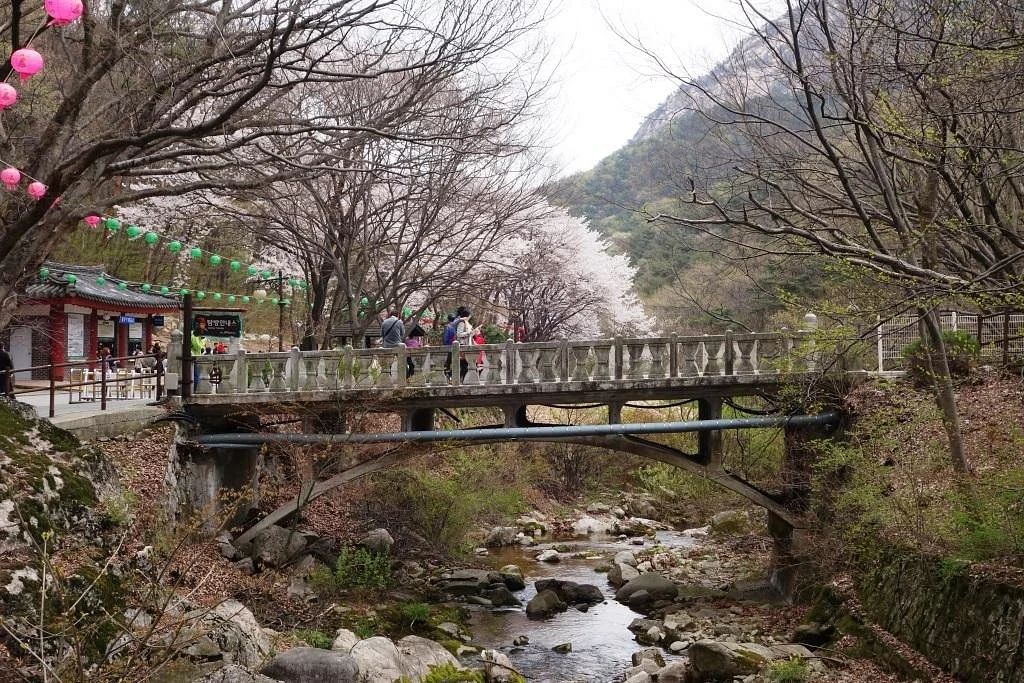
Gongju (Korean: 공주; Korean pronunciation: [koŋ.dzu]) is a city in South Chungcheong province, South Korea.
92 reviews
71 reviews
36 reviews
27 reviews
• Maehyang — Traditional Korean cuisine. — Address: 18, Baekmigoeul-Gil — Phone: +82 31-881-3161
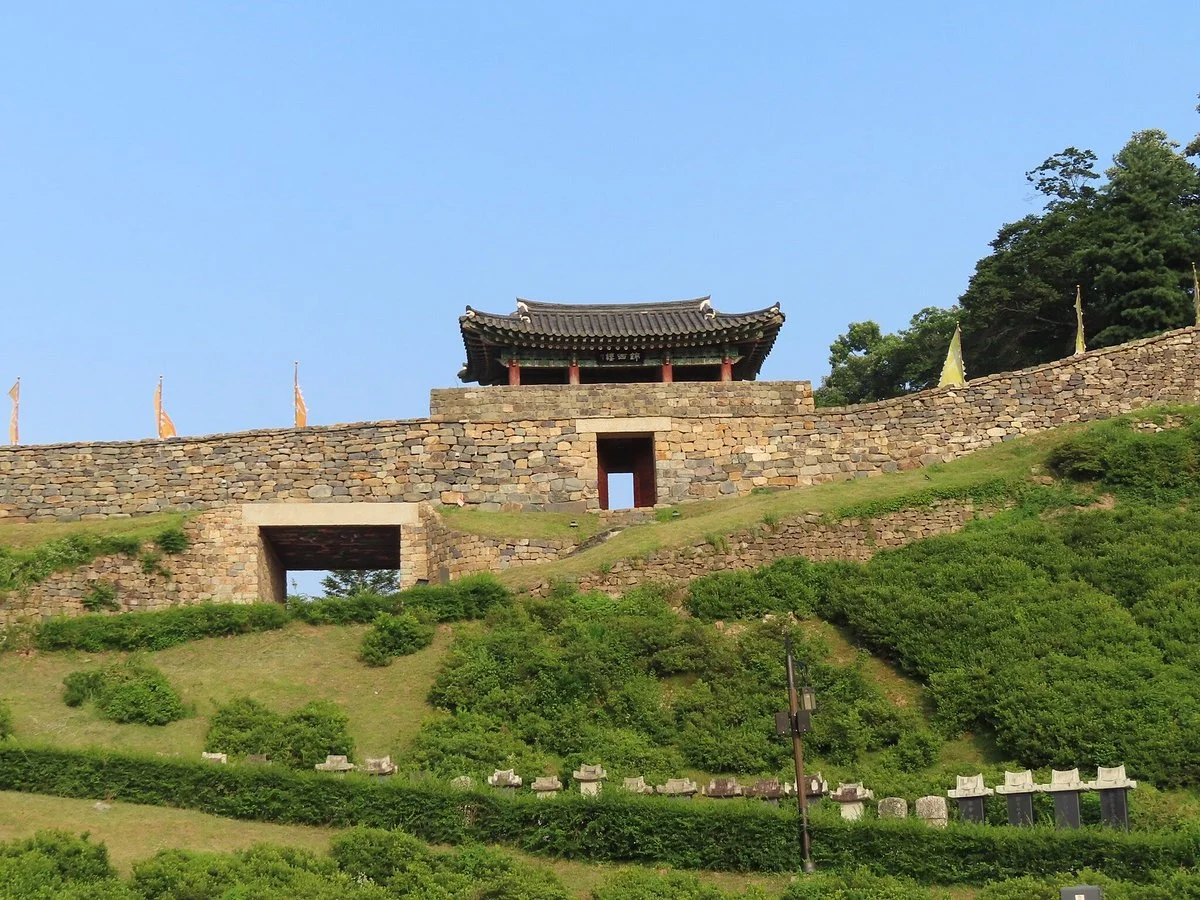
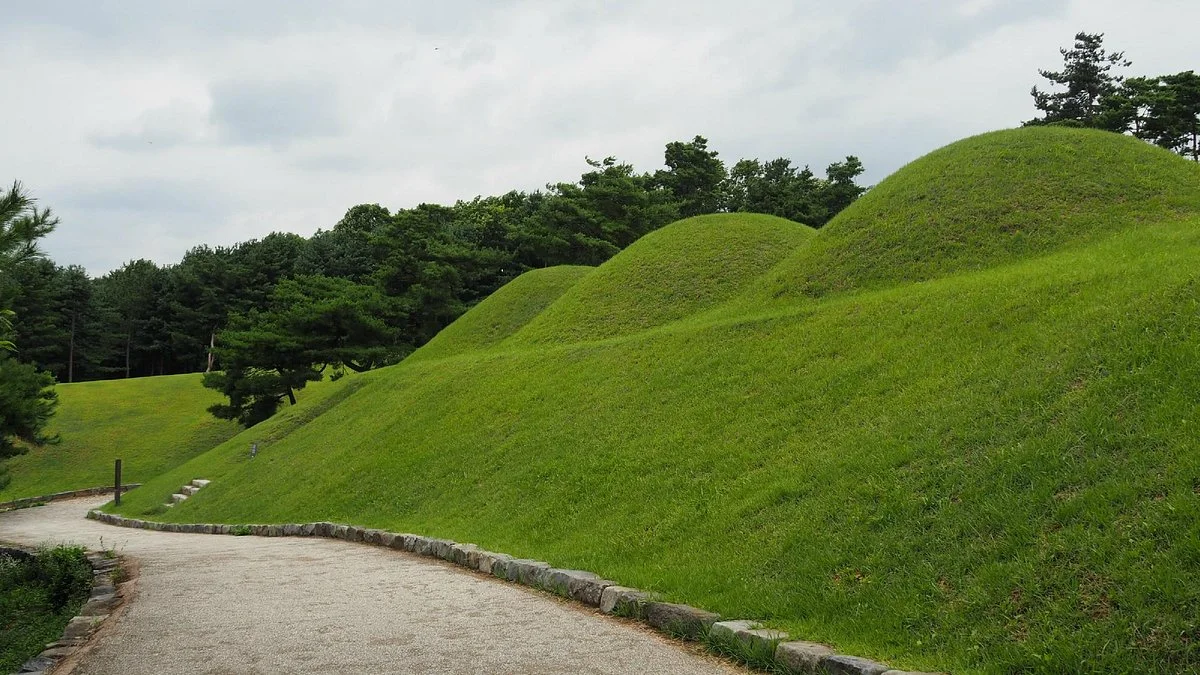
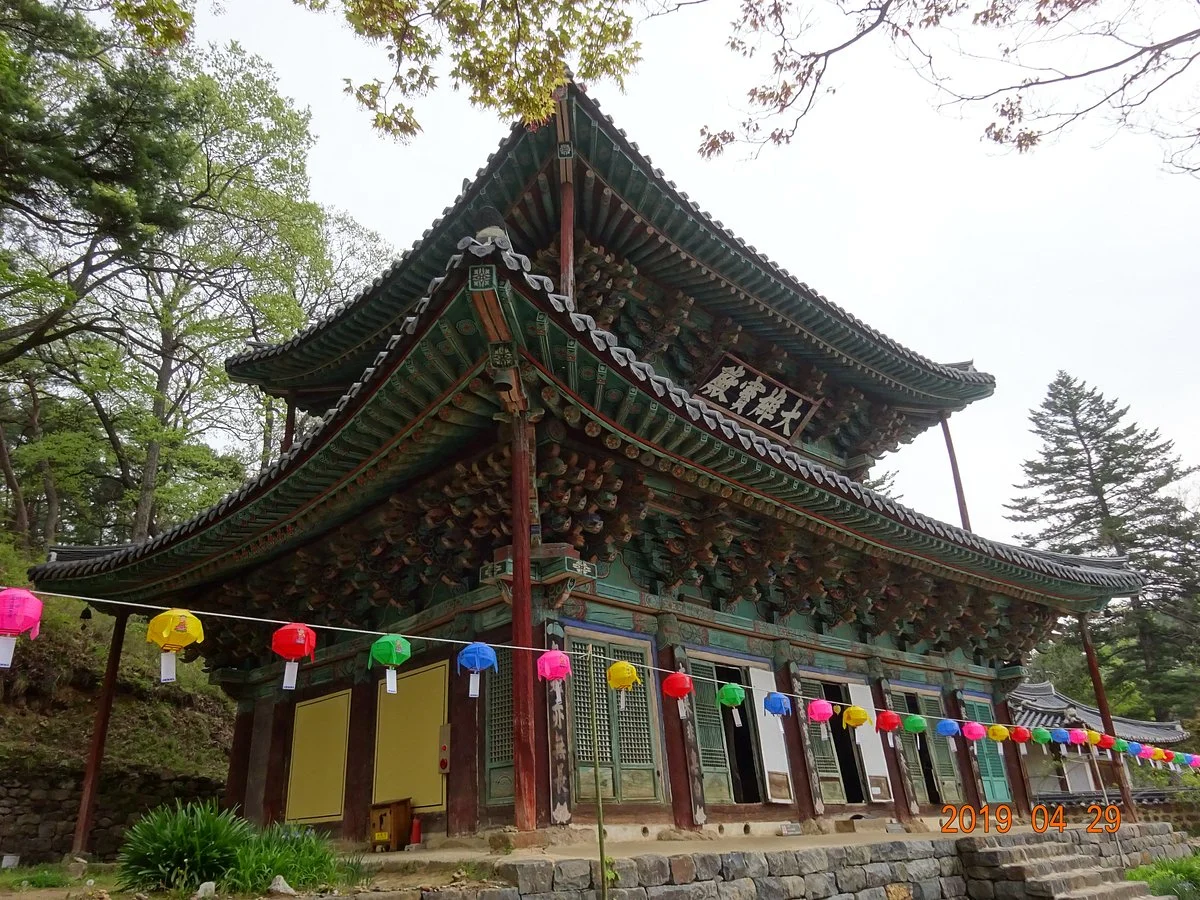
• • Gongsan Fortress — A 1,500-year-old mountain-top fortress looming over the Geumgang River. You might need a decent amount of imagination to get the most out of this place, as much of the fortress is a series fenced off grassy rectangles marking the estimated site of the ancient Baekje Royal Palace and associated structures. A decent amount of information is provided around the various sites in both Korean and English. Perhaps the most architecturally unusual part of the fortress is the Lotus Pond (Yeonji, 연지) Also contains Yeongeunsa Temple and Baekje Folk Village Land the latter of which is, much of the year, little more than a humongous carpark but hosts an annual festival (see Do). If you visit outside of the festival, it doesn't mean you can't join the locals in merrily tossing stones at the archery targets around the perimeter. — Price: Adults ₩1200 • • Changing of the Guards — A show held every Saturday and Sunday in April, May, June, September and October each year. — Address: South gate of Gongsan Fortress — Hours: 11AM-4PM • • Songsan-ri Burial Mounds — A series of 7 tombs, 6 of which were discovered and suibsequently looted during the 1910-1945 Japanese occupation and as such their owners remain unknown. The 7th however, the Tomb of King Muryeong (Muryeong wangreung, 무령왕릉), was accidentally discovered by a Korean historian in 1971 and as such both the relics within, and the identity of the tombs owner were recovered and thus making it the star attraction of the city. Well, at least it would be if it weren't locked up tight behind an opaque door along with the rest of the tombs. You are however free to poke around a scale reproduction of Muryeong's tomb as well as tombs #5 and #6 in the adjacent grassy knoll. Extensive information in Korean, English and Japanese. — Address: Beonji 120, Gyo-dong — Directions: Bus routes #1 and #25. On foot, its about a 10 minutes walk from Gongsan Fortress; follow the major road east through the humongous arch outside the main gate. — Hours: 9AM-6PM, 9AM-5PM in winter. — Price: Adults ₩1500 — Phone: +82 41-840-2836 • • Gongju National Museum — Museum housing many of the actual artefacts recovered from King Muryeong's tomb. The treasures are unusual in that they are primarily metalcrafts, including pottery, swords, jewelry crafted from gold, silver and burnt-wood and some excruciatingly uncomfortable looking pairs of bronze shoes. Upstairs a second exhibit focuses on the ancient culture of South Chungcheong Province. — Address: Jeongjisa-gil 30, Ungjin-dong 360 — Directions: Bus route #8. On foot, follow the road around the hill north of the Songsan-ri Burial Mounds, or walk the signposted trail direct from behind tomb #1. — Hours: 9AM-6PM weekdays, 9AM-7PM weekends and holidays with some extended Saturday hours during vacation periods — Price: Admission requires a ticket, but tickets are free — Phone: +82 41-850-6300 — Website: http://gongju.museum.go.kr • • Jeongjisan Relic Site — The only relics you'll find here are the traces of local residents having foraged for medicinal plants to sell at the markets, as the hill itself, deemed the likely site of Binjeon Hall — a hall where the body of King Muryeong and his queen had been placed for 27 months prior to the funeral — actually stands empty and bare. Regardless, the hill provides quite possibly the best view of both the Geumgang River and Gongsan Fortress in the entire town. — Address: San No.1 Gumseong-dong — Directions: Follow the well-signposted but unsealed path from the back part of the burial mound complex, or alternately, climb the sealed road beside the highway bridge over the Geumgang River. — Price: Free • • Hannok Village — A new estate has been built between the Songsan-ri Burial Mounds and the Gongju National Museum in the traditional wooden hannok style, a true rarity in modern-day Korea. Makes for an interesting and convenient detour. — Address: 충남 공주시 관광단지길 12 — Price: Accommodation: 80,000~250,000won — Phone: +82 507-1433-2828 • • Magoksa Temple — A head temple of the Jogye Order of Korean Buddhism. One out of seven to be inscribed on the UNESCO World Heritage List in 2018.
• • Baekje Cultural Festival — Advertised as one of Korea's three national festivals (the other two representing the Silla and Goguryeo Dynasties), this is held in both Gongju city and adjacent Buyeo annually from mid-September to mid-October. The Gomanaru National Drama Contest is held at a similar time. — Address: Baekje Folk Village Land in Gongsan Fortress • • Archery — There's an archery range between the Hannok village and Gongju National Museum.
In Singwan many foreigners frequent Iyagi Kage (referred to by foreigners as Art Bar.) It is located above pasta buono on the third floor, across the street from CNA.