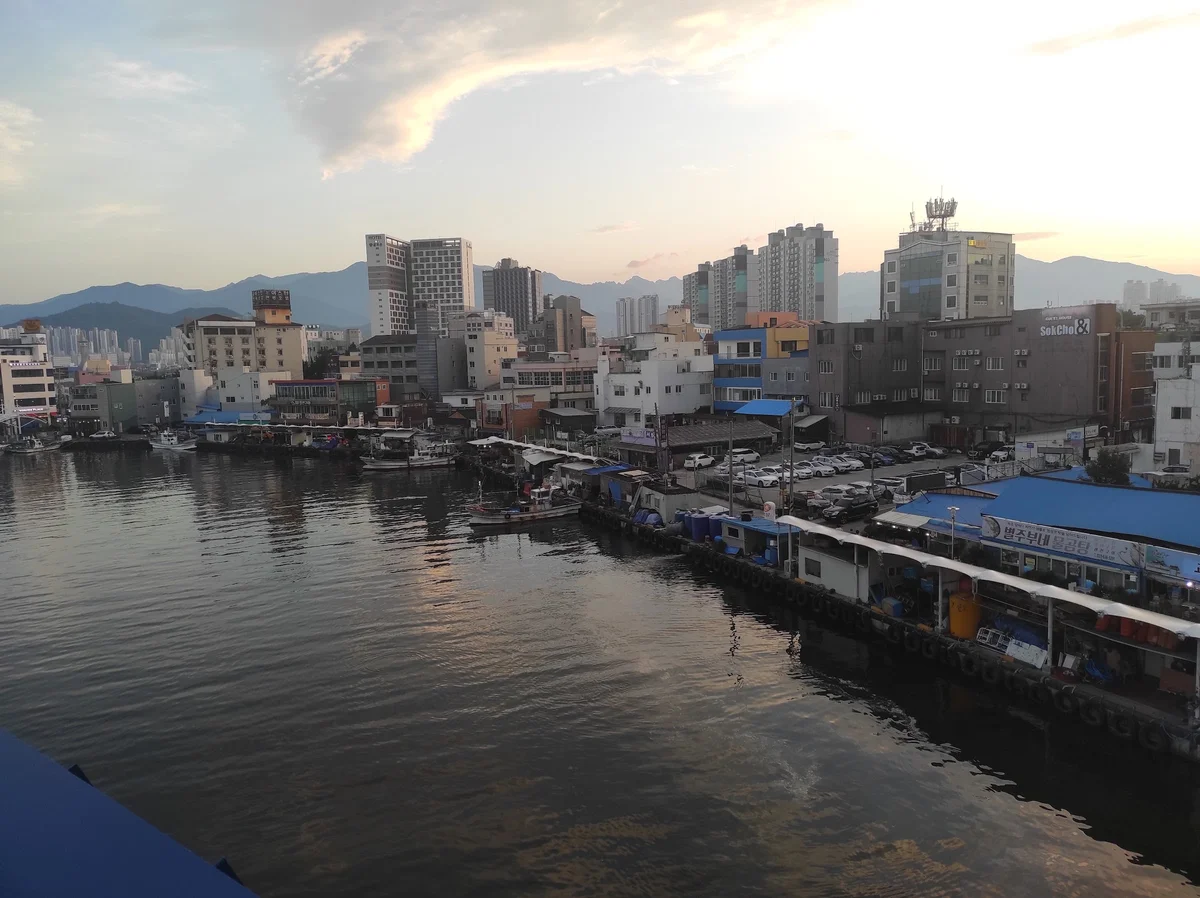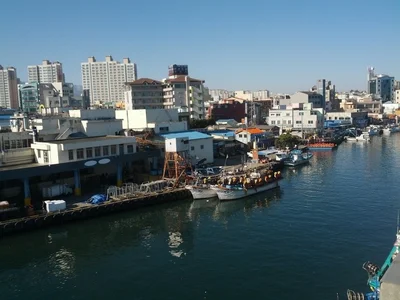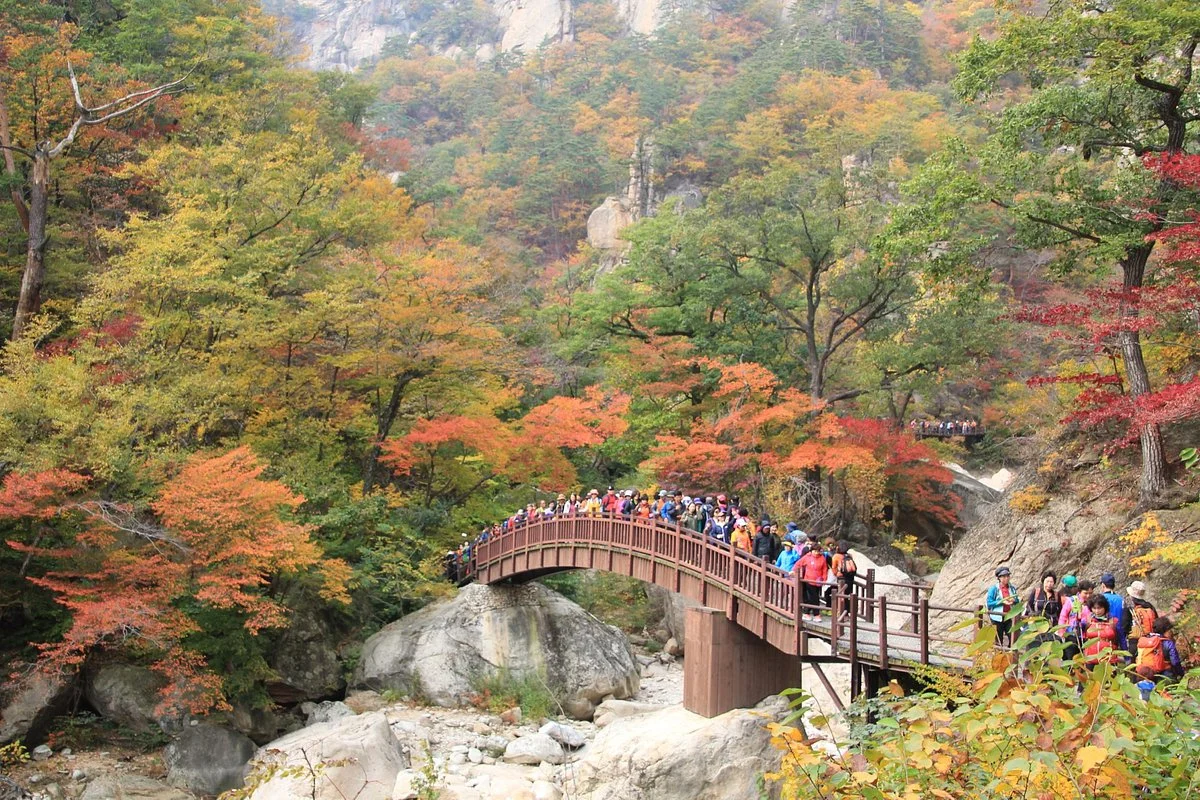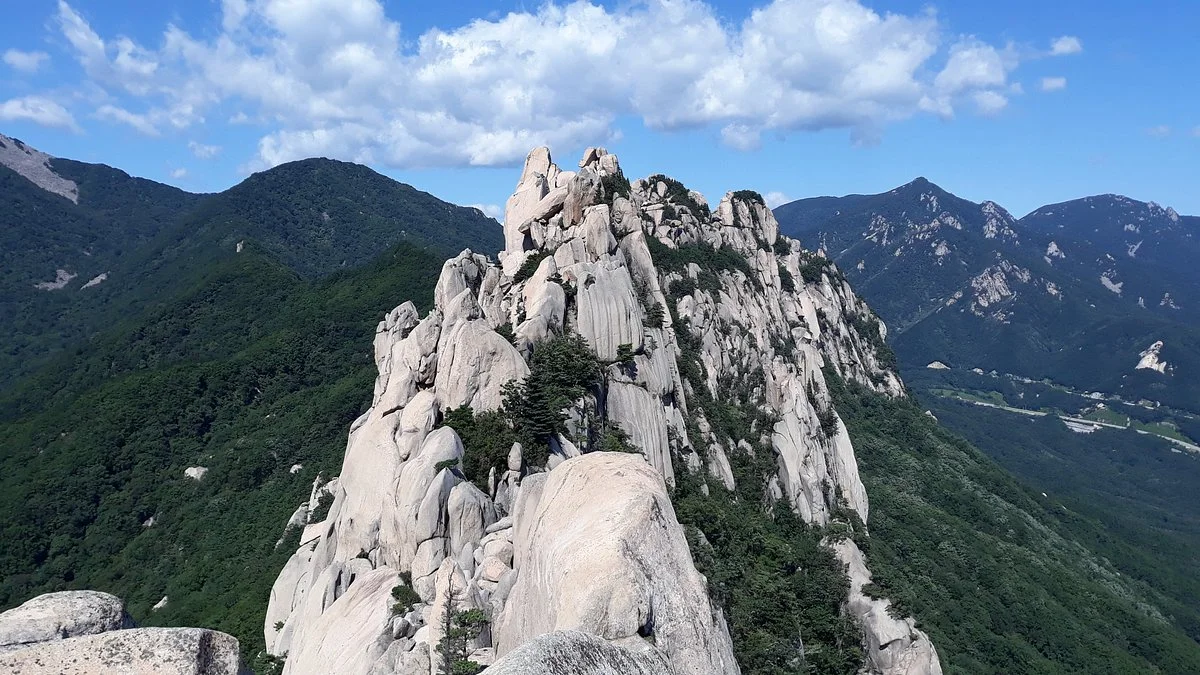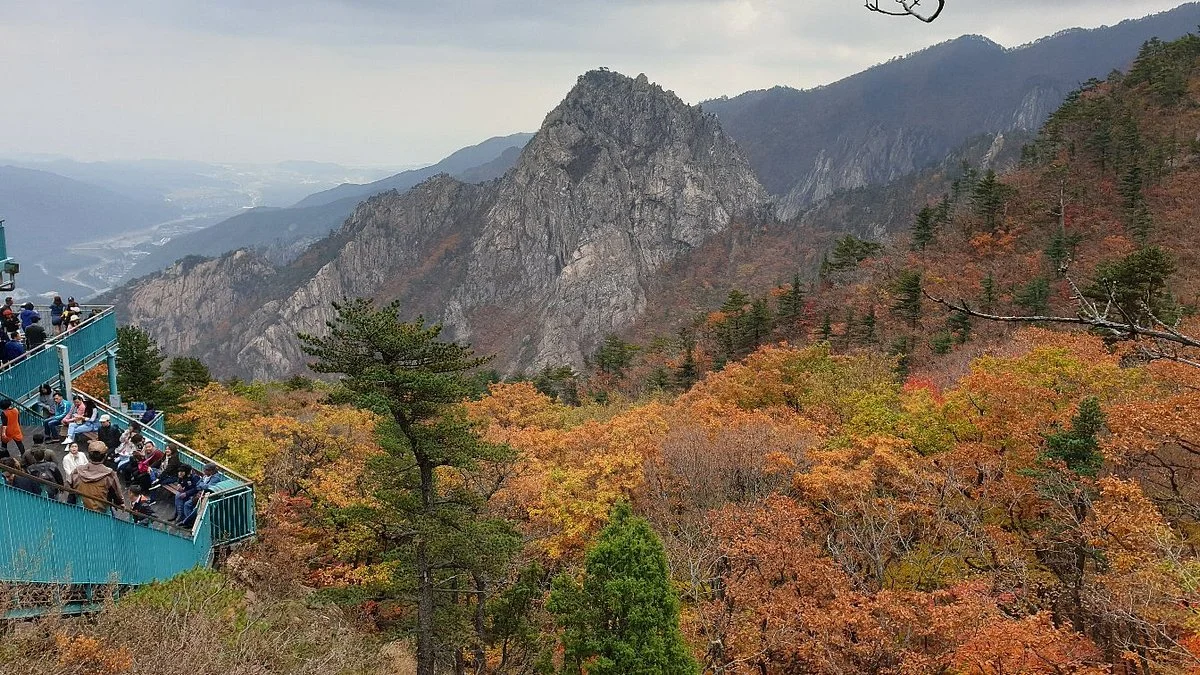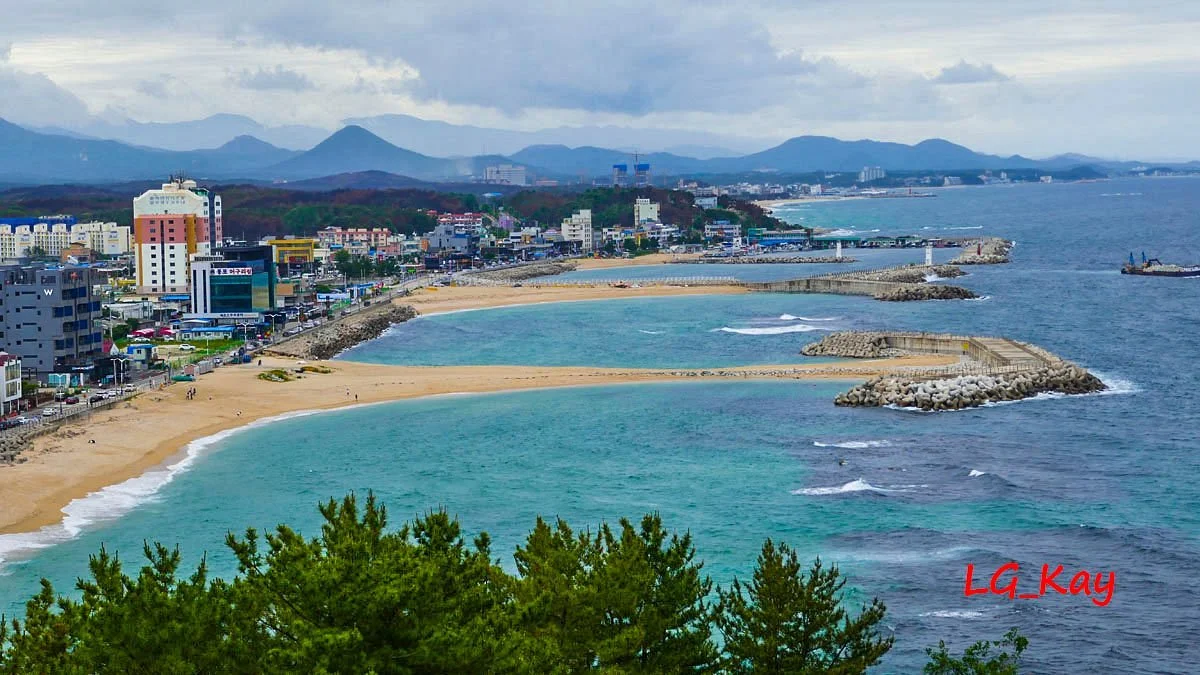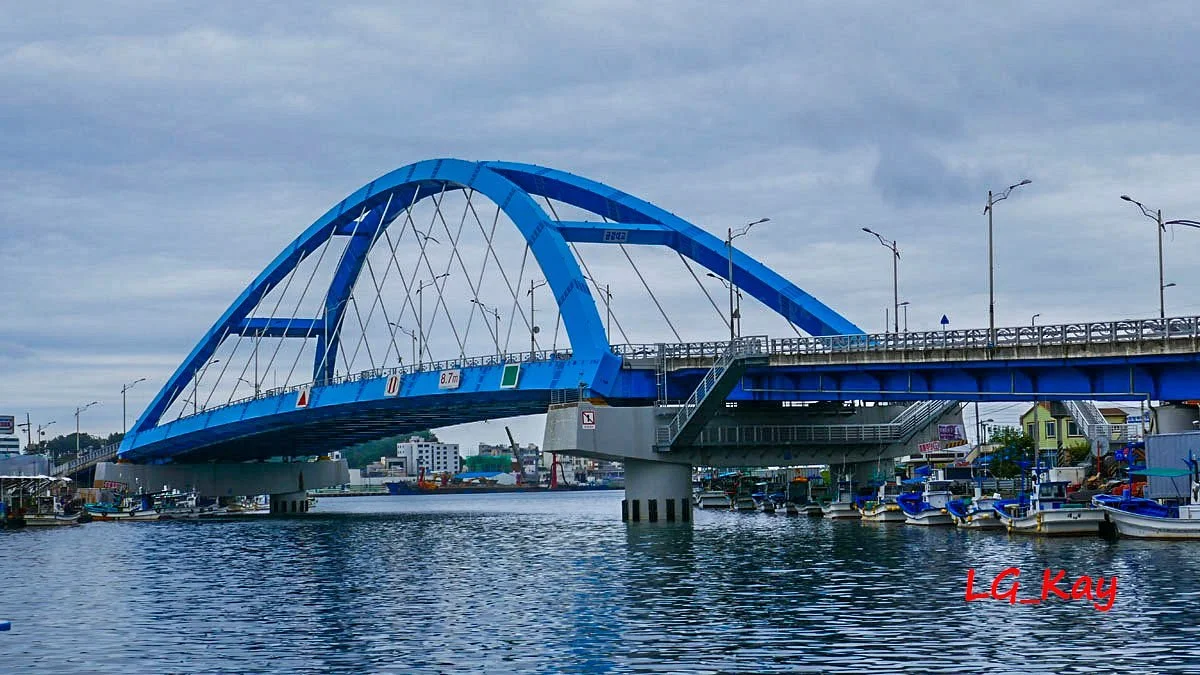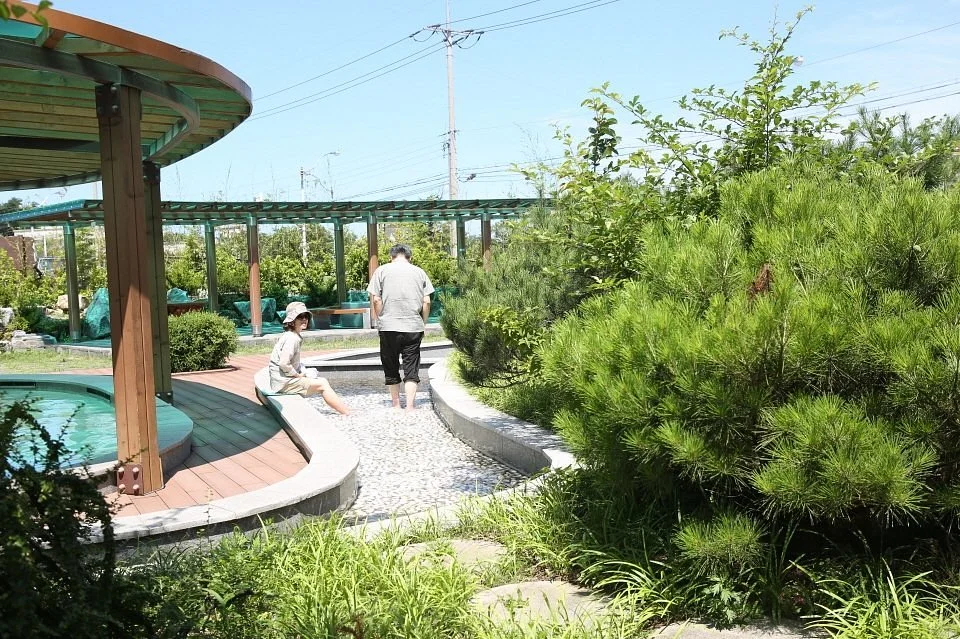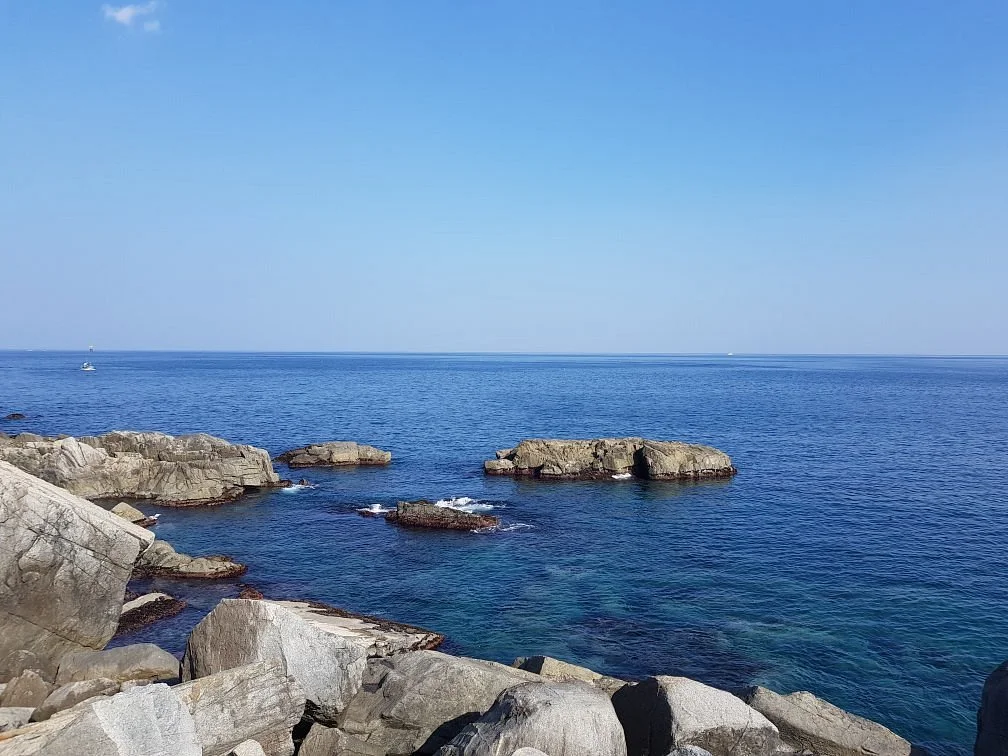
Sokcho (Korean: 속초; (Korean pronunciation: [sʰo̞k̚.tɕʰo̞])) is a city and major tourist hub located in the northeast of Gangwon Province, South Korea.
Bikes are available from outside the GS25 Sokcho Tower Branch (next to the Sokcho Tower). They cost approximately 20,000 won/day to rent and there are a range of sizes. Call 0505-929-7000 for more info (updated Sep 2023).
Sokcho is not filled with the plethora of hofs (restaurants with a drinking atmosphere), but almost all restaurants serve beer and soju (sweet potato wine, 20% proof). Beer and soju usually cost around ₩5,000 in restaurants.
If you're lost without an essential and are having trouble finding it try the E-mart near the express bus terminal. Also, fans of dried squid can find a whole package of squid for only ₩10,000, which is the same price, if not less, that most restaurants sell one squid for.
= Buses leave the Seoul Express Bus Terminal approximately every 30 minutes. It takes around 2:30 - 3:00 hours and buses arrive at the Sokcho Express Bus Terminal. Tickets are approximately ₩15,000 per person. There is rarely need to get tickets in advance.
Buses leave from Dong Seoul Bus Terminal (Gangbyeon Station Line 2) to Sokcho every 30 minutes.
From Chuncheon, they are 17 buses per day leaving from 06:15 until 20:00. The ride takes 2 hours and costs ₩13,400. Buses from Gangneung costs ₩6,300.
The bus terminals in the jurisdiction include 'Sokcho Express Bus Terminal' and 'Sokcho Intercity Bus Terminal'. The two terminals are in the southern and northern parts of Sokcho, respectively, and are about 3 km away, so be careful.
The city buses in the jurisdiction are Donghae Commercial Express and Gangwon Passenger, and T-money and Cashbee are used for transportation cards. Some postpaid transportation cards are not available, so be careful.
New BS has a high proportion, and there are diesel and electric buses. Donghae-si is the only city bus in the Yeongdong area where gas cars roll.
=
Sokcho is a sprawling city but transport by bus is easy. Bus routes are available through the Naver map app but timetables are not given.
The two bus terminals (intercity and express) are at some distance from one another. City buses leave regularly for Seoraksan National Park. The bus leaves irregularly for Osaek (south Seoraksan) from the intercity bus terminal.