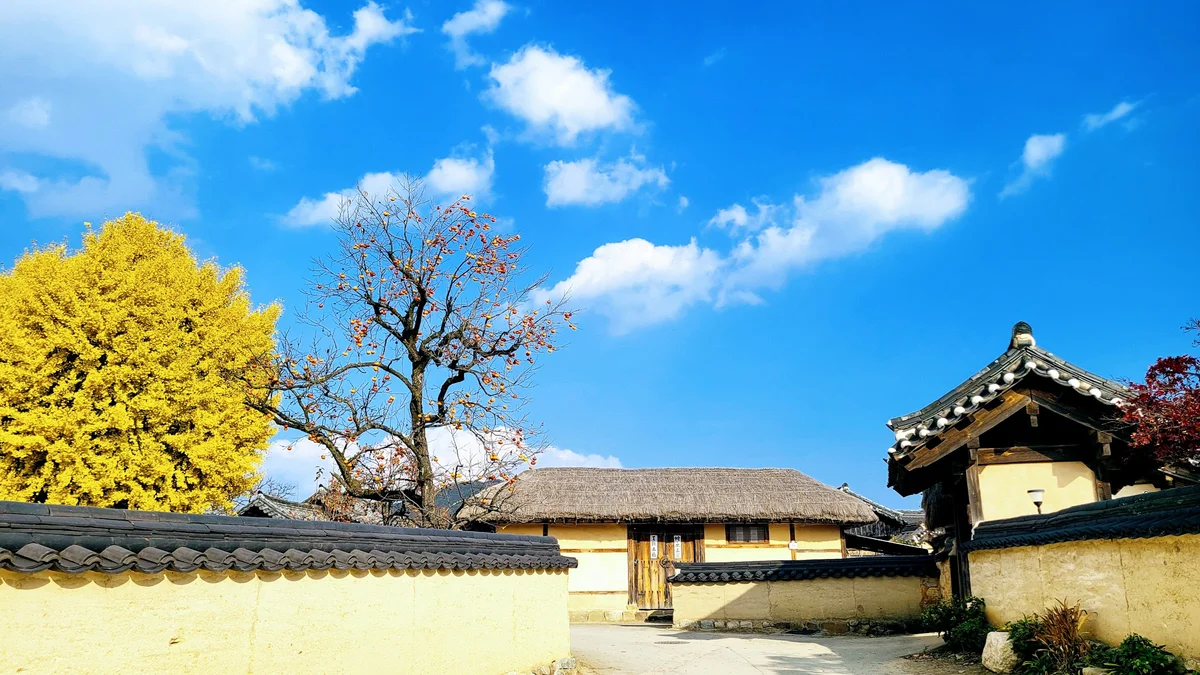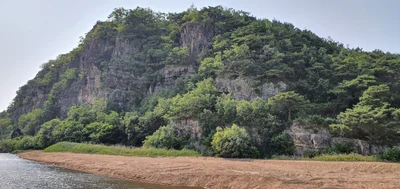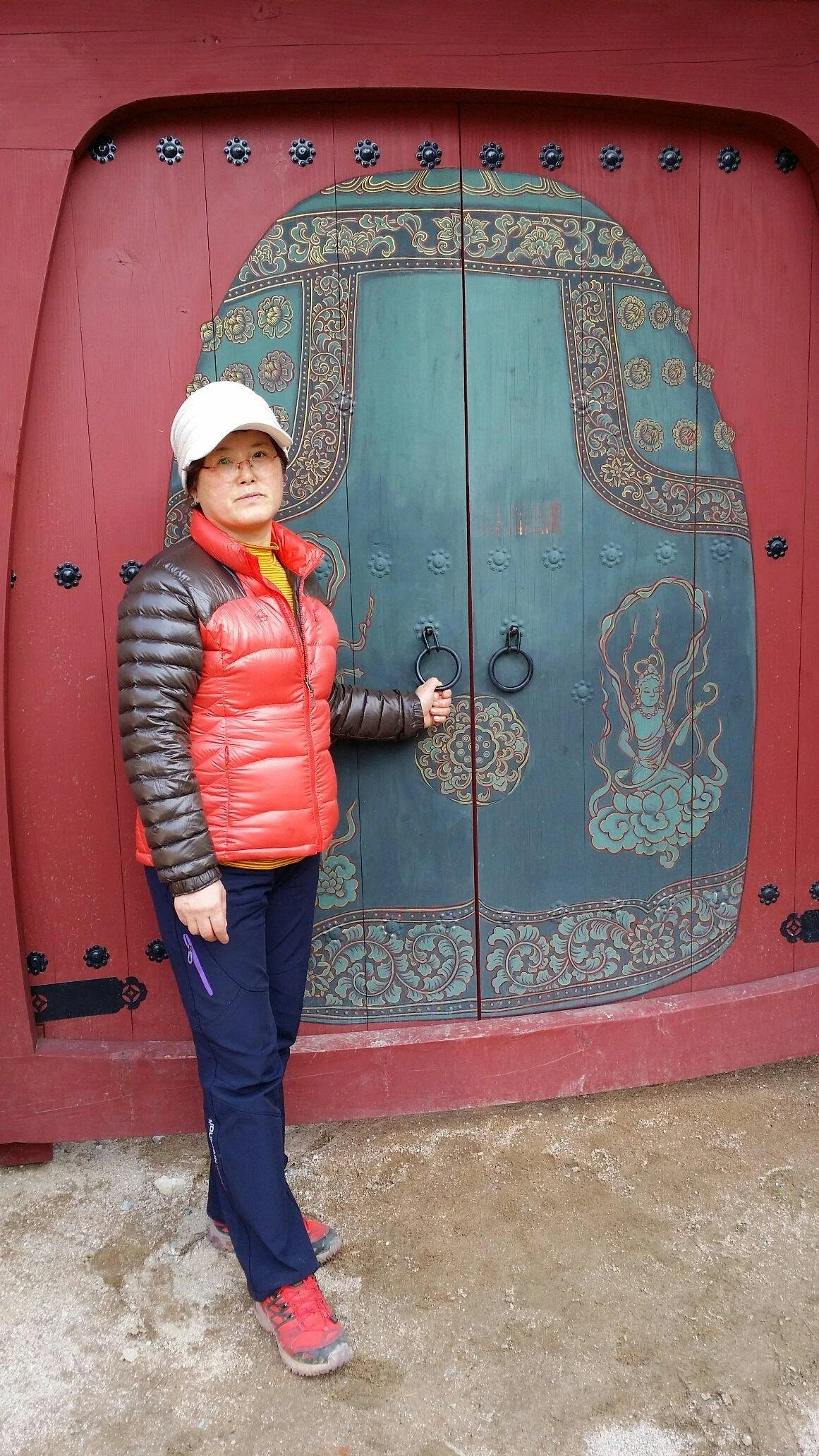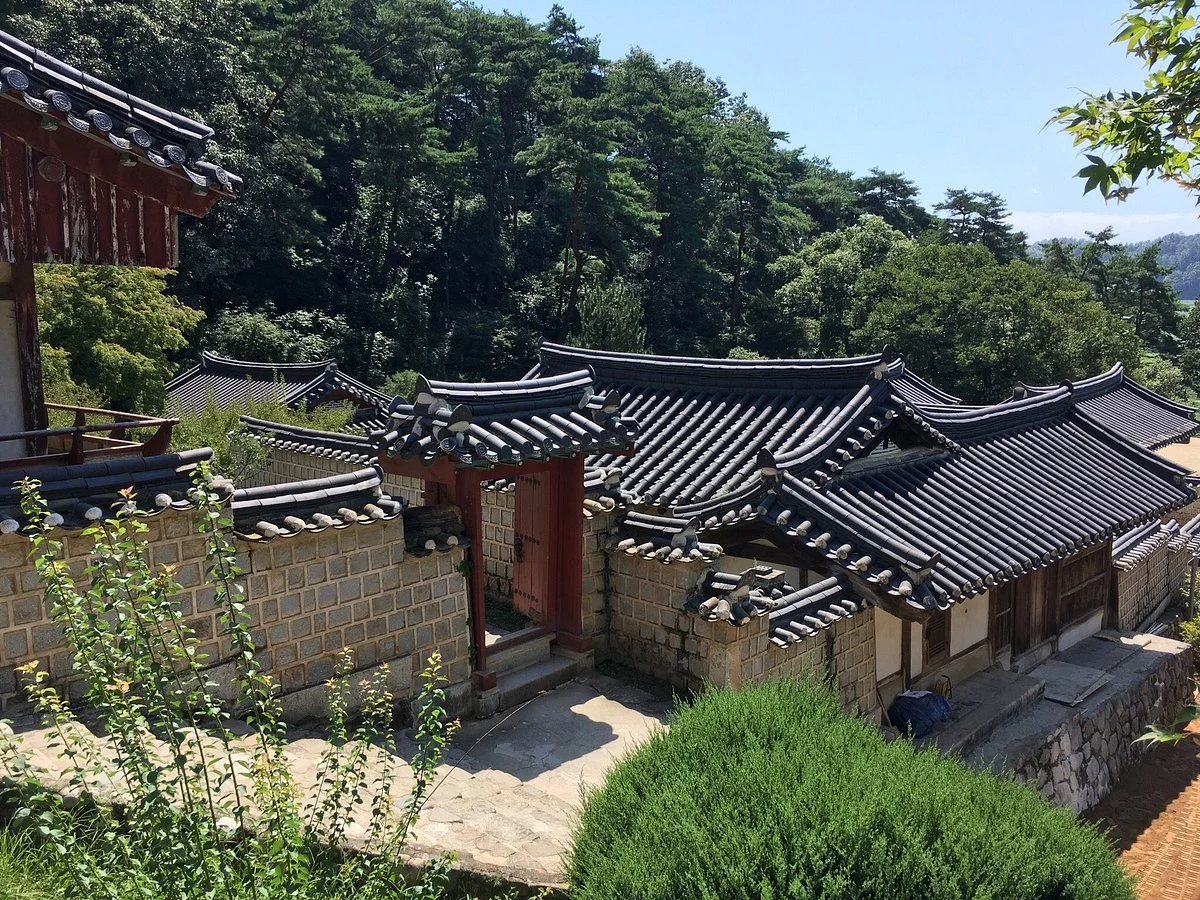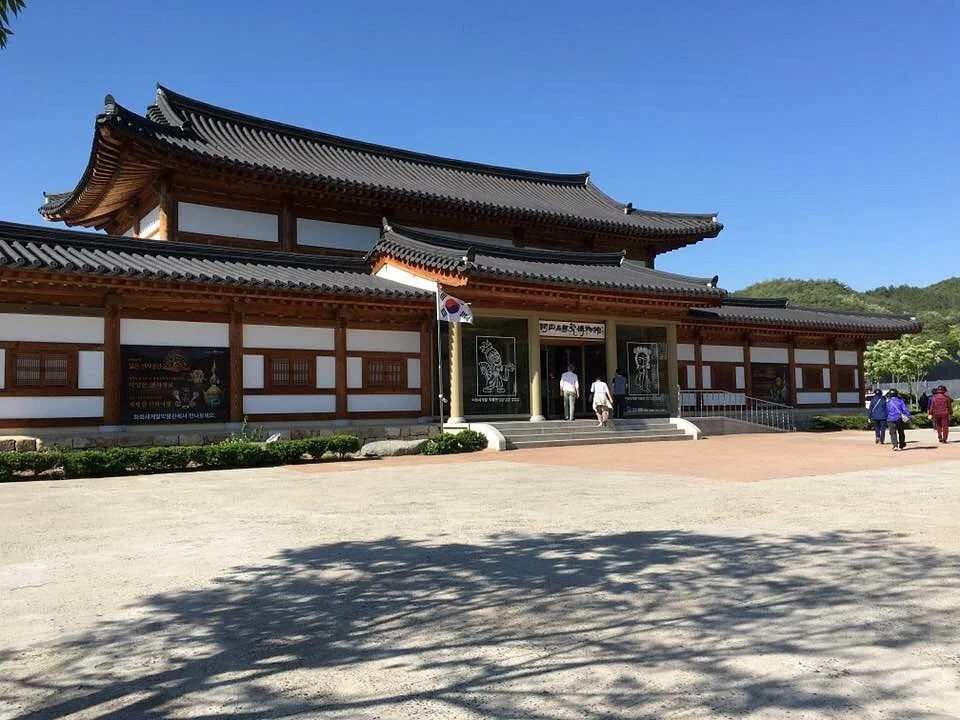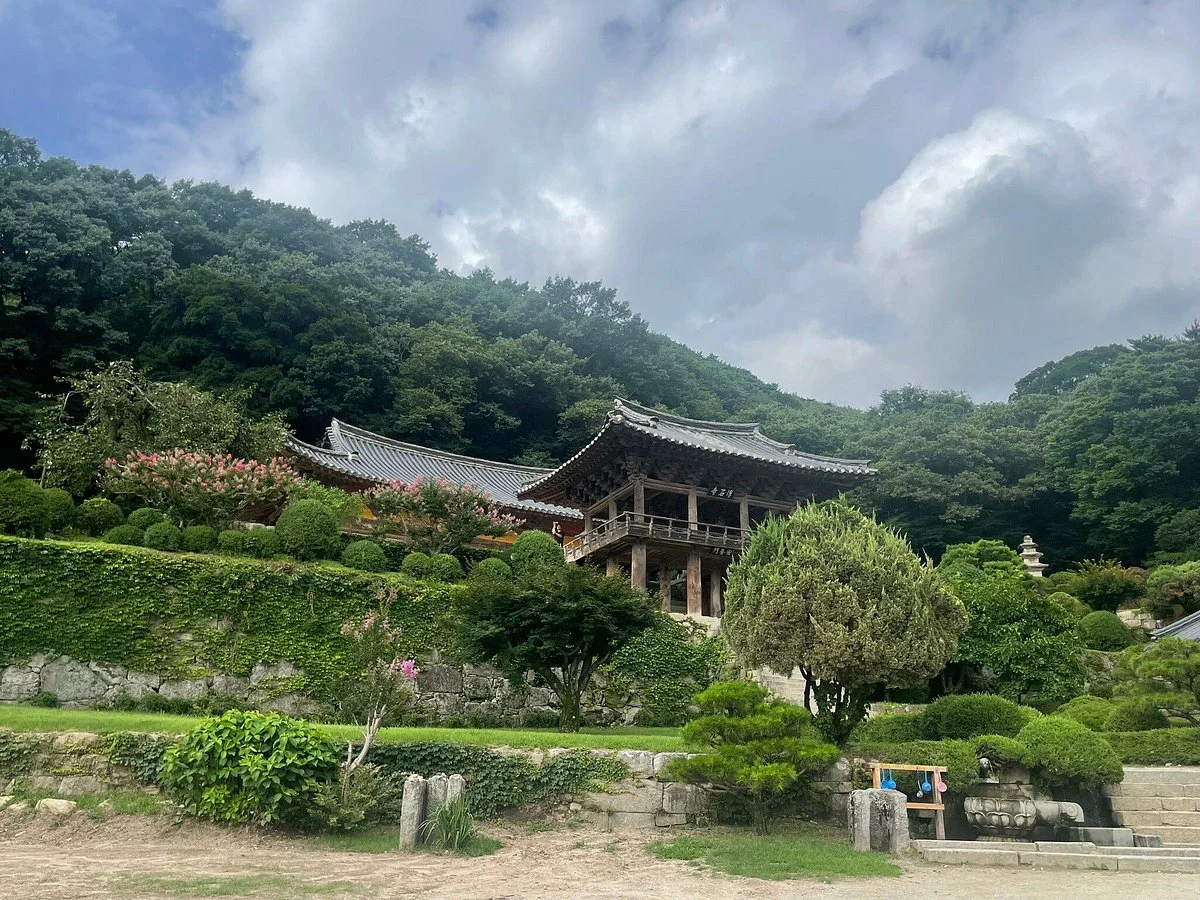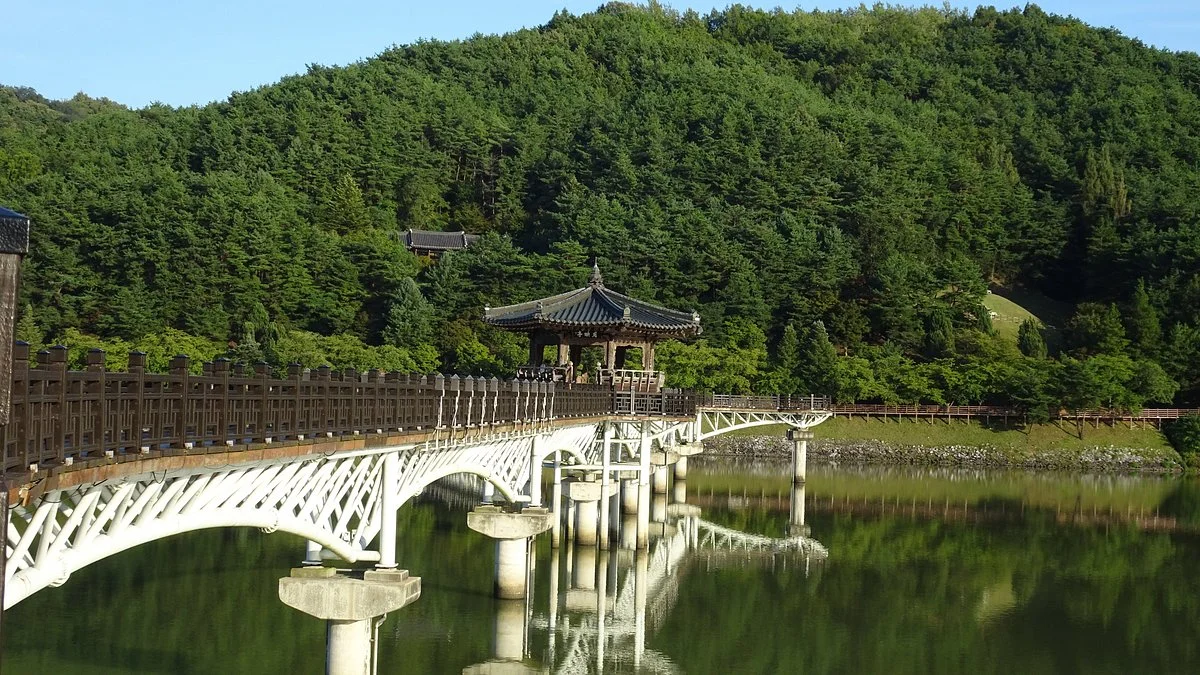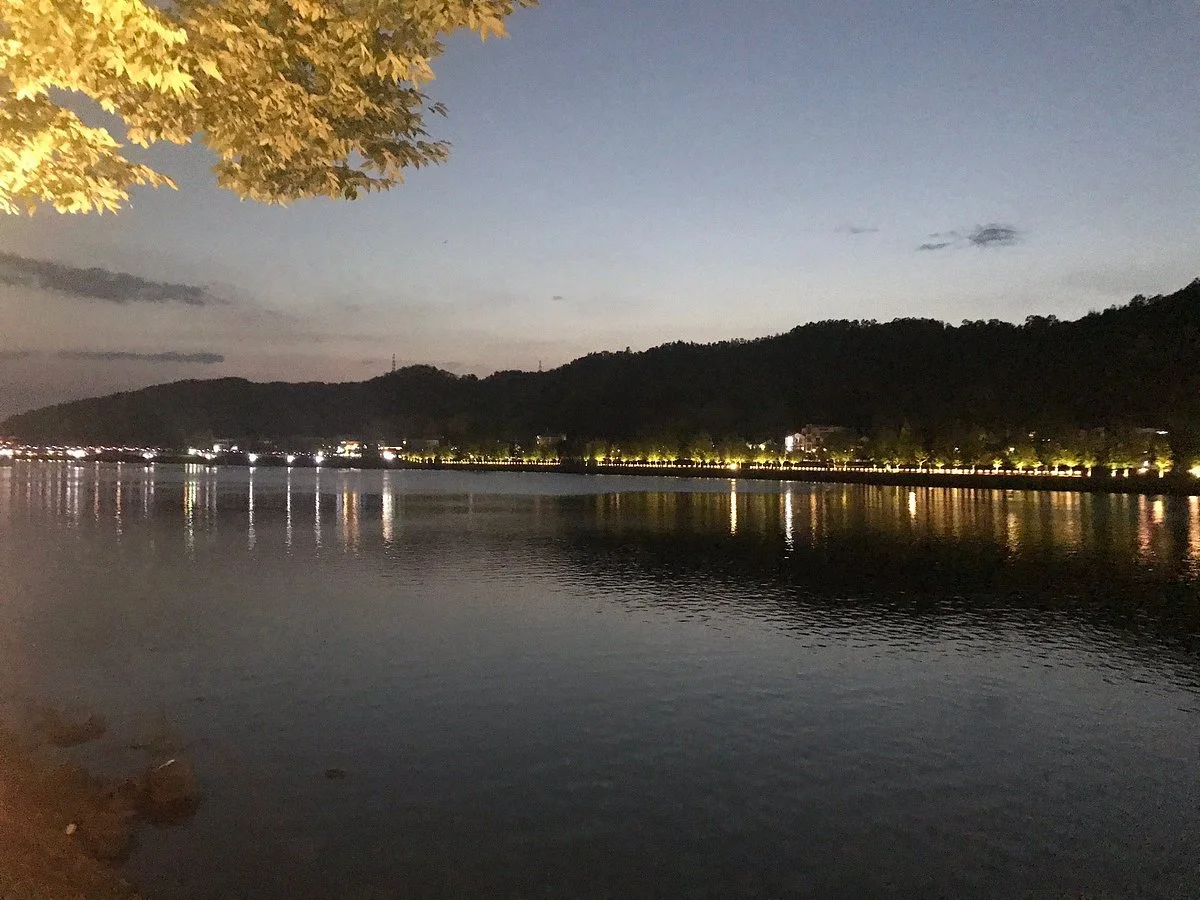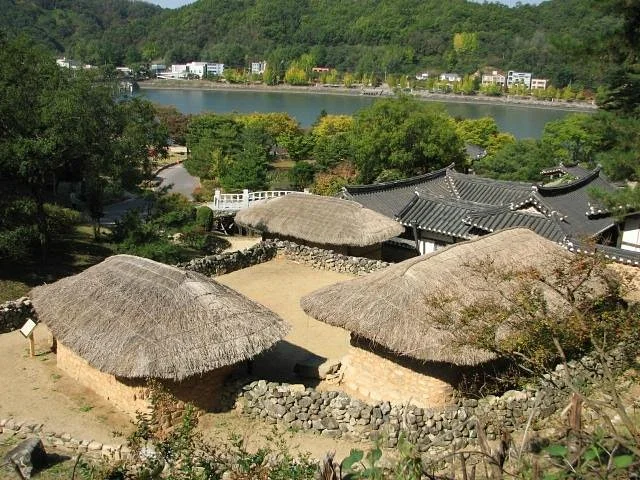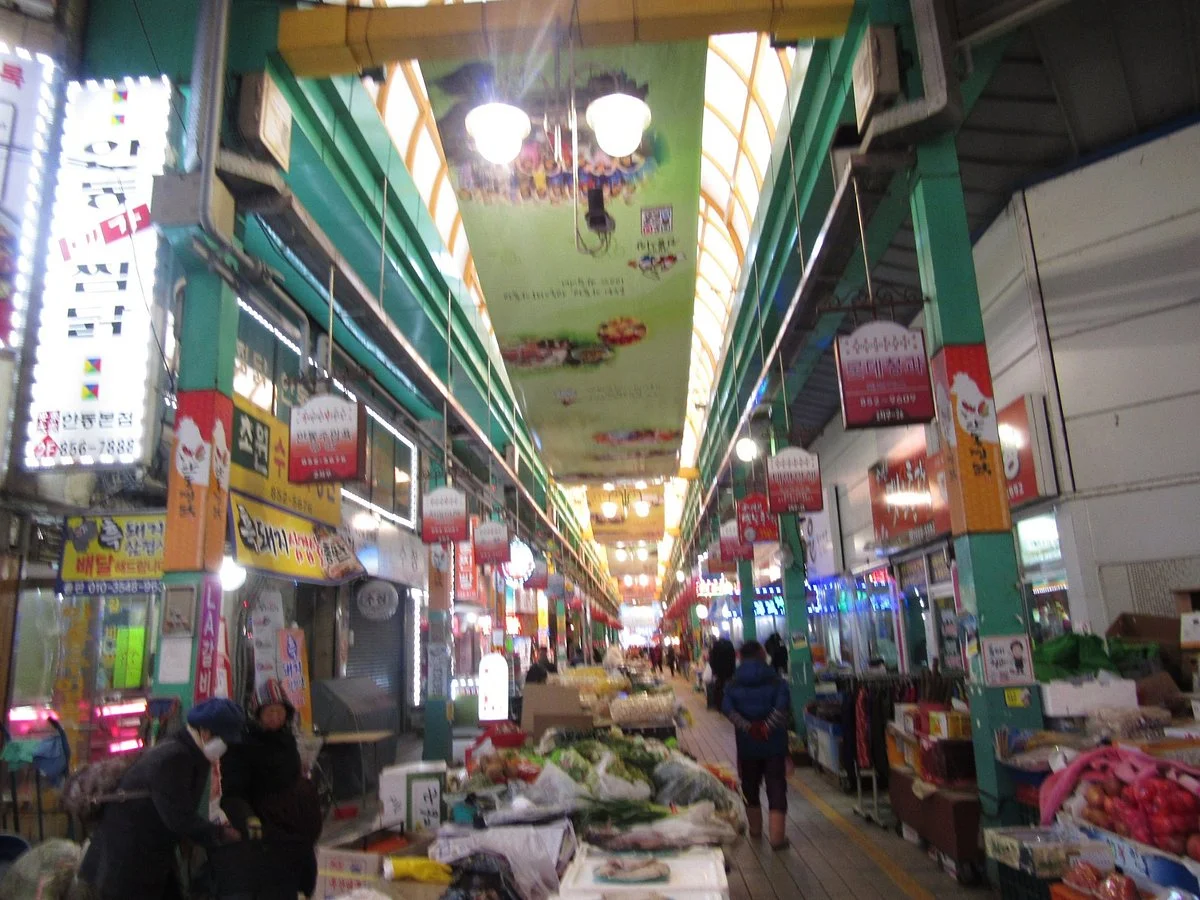
Andong (Korean pronunciation: [an.doŋ]) is a city in South Korea, and the capital of North Gyeongsang Province. It is the largest city in the northern part of the province with a population of 167,821 as of October 2010. The Nakdong River flows through the city. Andong is a market centre for the surrounding agricultural areas.
Since the 1970s Andong has developed rapidly, although the population has fallen by nearly seventy thousand as people have moved away to Seoul, Busan, Daegu and other urban centres. In the late 1990s and early 2000s it became a tourism and cultural center.
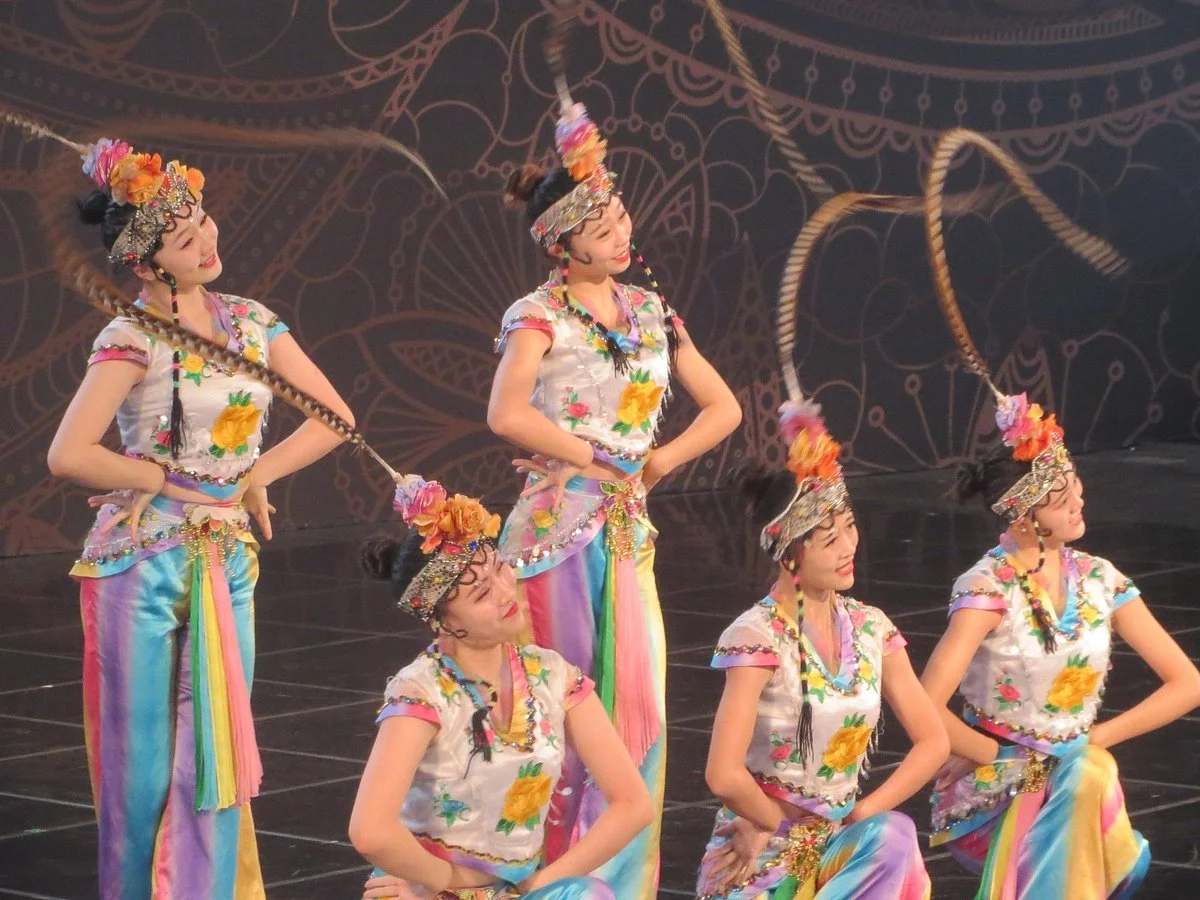
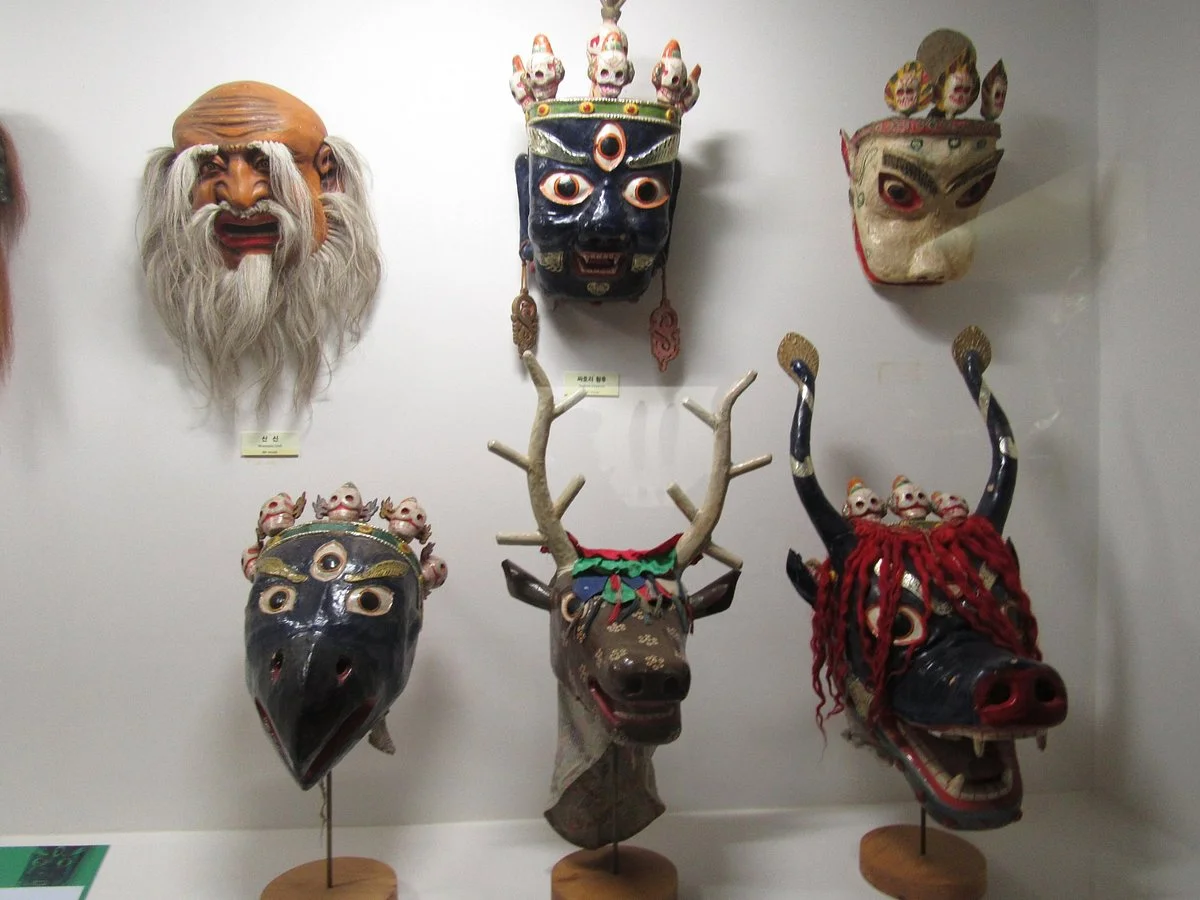
Andong is known as a centre of culture and folk traditions. The surrounding area maintains many types of traditions and the Andong Folk Festival is held in mid October every year. One of the most famous aspects of these cultural festivities are the Andong masks.
Andong National University, specialising in education and Korean folklore, has grown rapidly since the 1970s. Other tertiary institutions include Andong Science College and Catholic Sangji College.
Andong has a few specialty dishes, including local jjimdak (Andong-style chicken and cellophane noodles), grilled salted mackerel, and heotjesabap, or false funerary food. Jjimdak can be found in the "Jjimdak golmok (Chicken restaurant street)" in the city centre, which is full of small restaurants specialised in Jjimdak. You can choose any of them, as every restaurant offers a similar taste. Grilled mackerel can be found everywhere in Andong.
Andong Soju is one of the specialties of the city. Its traditional distillation method dates back to the Silla Dynasty (57BC-935AD). The wife of a household was traditionally responsible for distillation along with other household chores, and she passed it down to the wives of her sons. Today, Andong Soju is made with fresh ingredients, and the maximum alcohol content can be 45%, though you can get varieties which are much less alcoholic for less money, yet still preserving the traditional flavour.
The iconic Andong mask replicas are the obvious souvenir of the city, although the mass-produced lacquered ones can be purchased just about anywhere in Korea. At the entrance to Hahoe village you can find entire shops that specialise in these masks, so if seeking a uniquely crafted mask replica, try there.
= It takes 3 hours to get to Andong from Seoul, 2.5 hours from Busan or Daejeon, and 1 hour from Daegu by car.
The downtown area of Andong is very small and you can walk across the city centre in under 10 minutes.
Taxis can be flagged off the street but it's not recommended as you may have a long wait. The best place to get a taxi from the city centre is from outside the railway station, otherwise it's recommended to order one by phone - ask your hotel for the phone number of a reputable company. Black 'Deluxe' taxis are available too at a higher price for better comfort and drivers who can communicate well in English and Japanese.
Buses link Andong to surrounding towns and villages. Plenty of buses depart from the bus terminal right across from the new train station and serve most of the tourist attractions. Information at bus stops are only written in Korean - however the tourist information office at the train station provides a useful English bus schedule displaying departure times, destinations and fares. Bus fares do not increase by distance but are instead based on the length of the route - typically about ₩1,000 for a bus going to the outer suburbs to ₩2,500 for the furthest destination. Change is available (in coins only) but it's not recommended to attempt paying with a ₩10,000 note for example. Domestic tourists rejoice, for Seoul T-money cards are in fact accepted!
Andong's international claim to fame comes from having been visited by Queen Elizabeth II of England. So the story goes, the Queen asked to be taken to the most Korean place in Korea. She got taken to Andong.