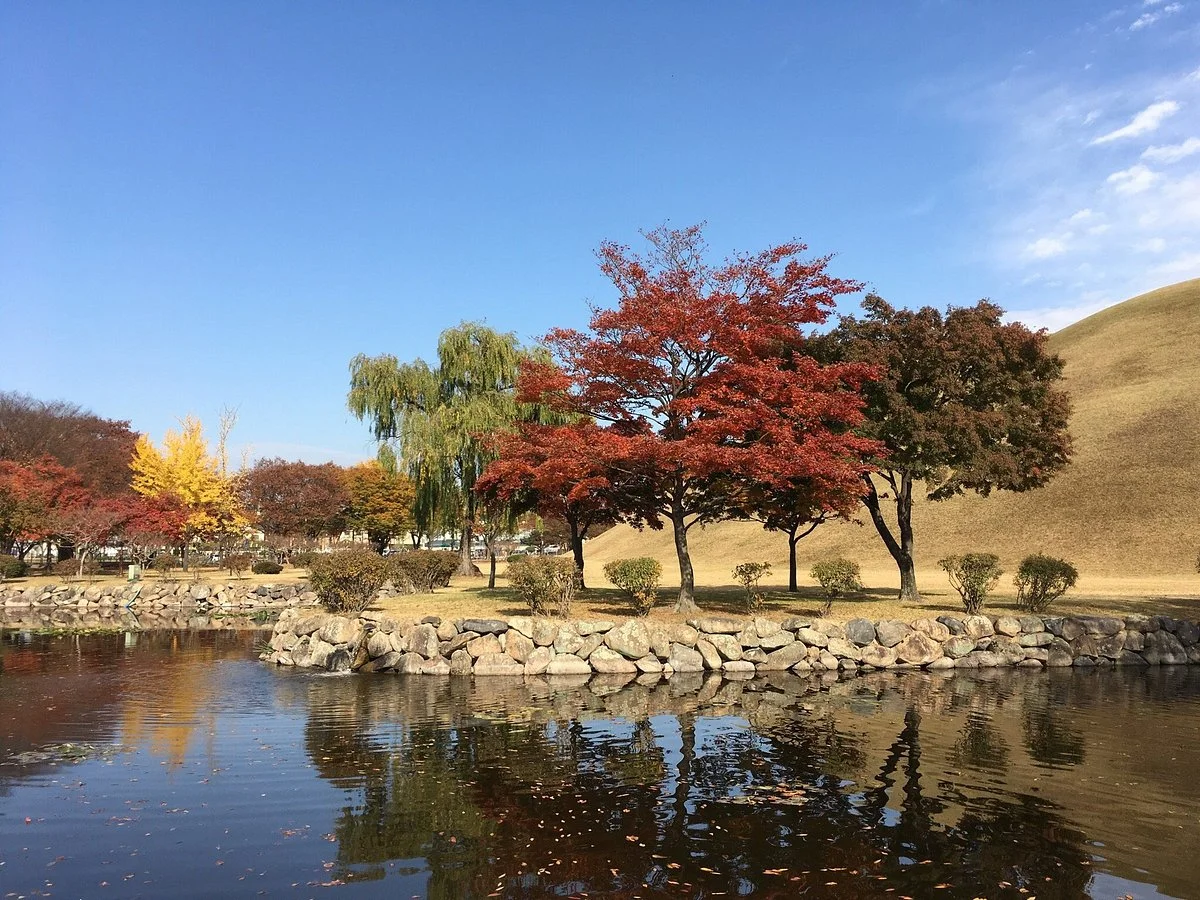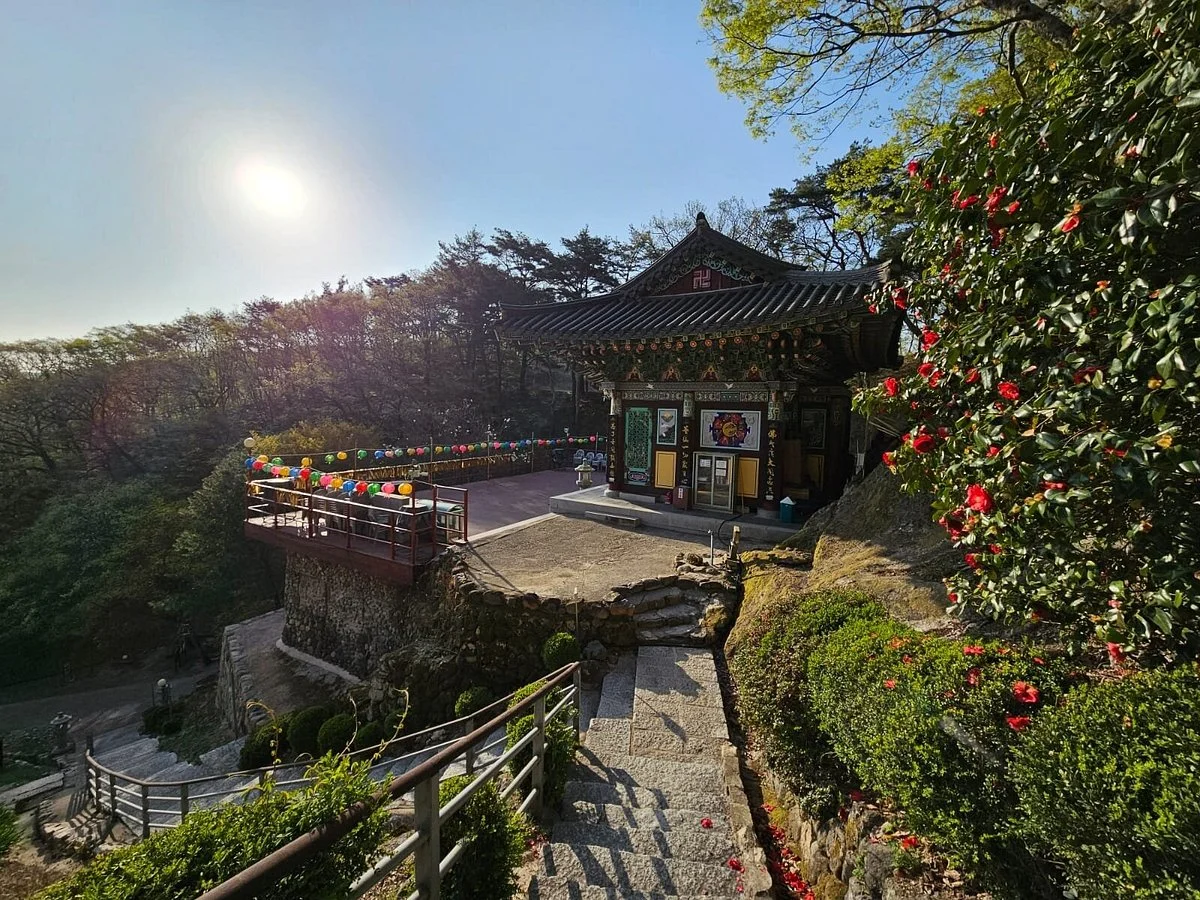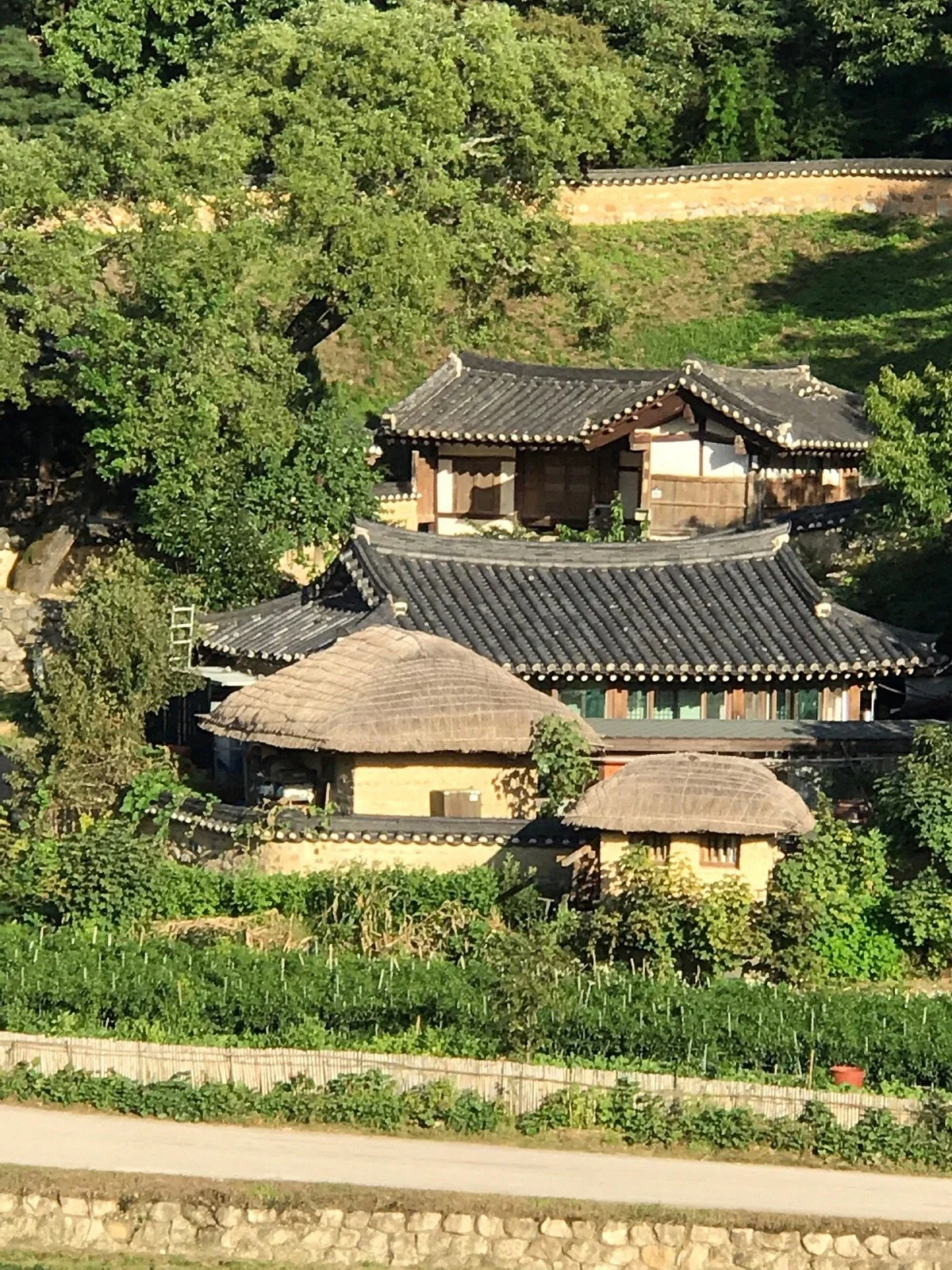
Gyeongju (Korean: 경주, pronounced [kjʌ̹ŋ.dʑu]), historically known as Seorabeol (서라벌, pronounced [sʰʌ̹.ɾa̠.bʌɭ]), is a coastal city in the far southeastern corner of North Gyeongsang Province, South Korea. It is the second largest city by area in the province after Andong, covering 1,324 km2 (511 sq mi) with a population of 264,091 people as of December 2012. Gyeongju is 370 km (230 mi) southeast of Seoul, and 55 km (34 mi) east of Daegu.
The city borders Cheongdo and Yeongcheon to the west, Ulsan to the south and Pohang to the north, while to the east lies the coast of the Sea of Japan. Numerous low mountains—outliers of the Taebaek range—are scattered around the city.Gyeongju was the capital of the ancient kingdom of Silla (57 BC – 935 AD), which ruled about two-thirds of the Korean peninsula at its height between the 7th and 9th centuries, for close to one thousand years.
Later Silla was a prosperous and wealthy country, and Gyeongju was the fourth largest city in the world.
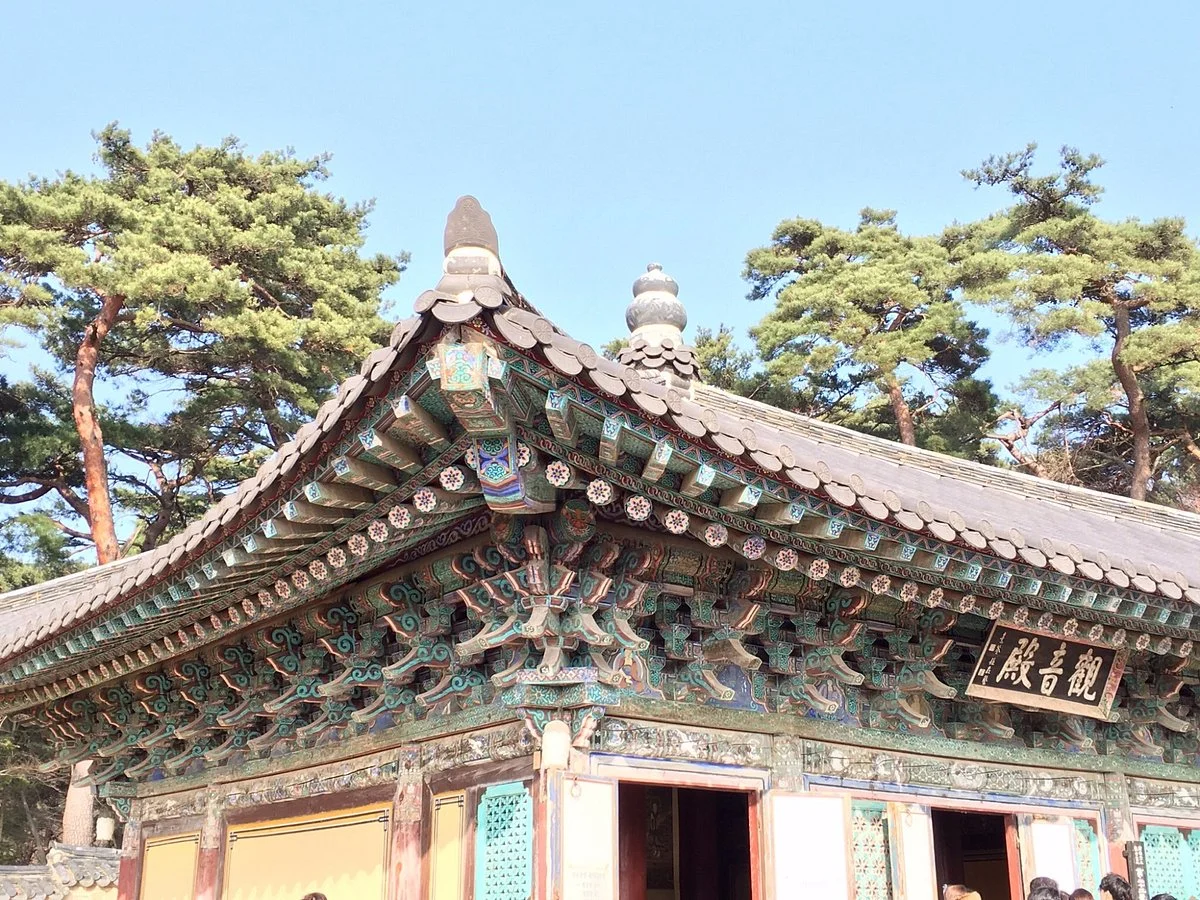
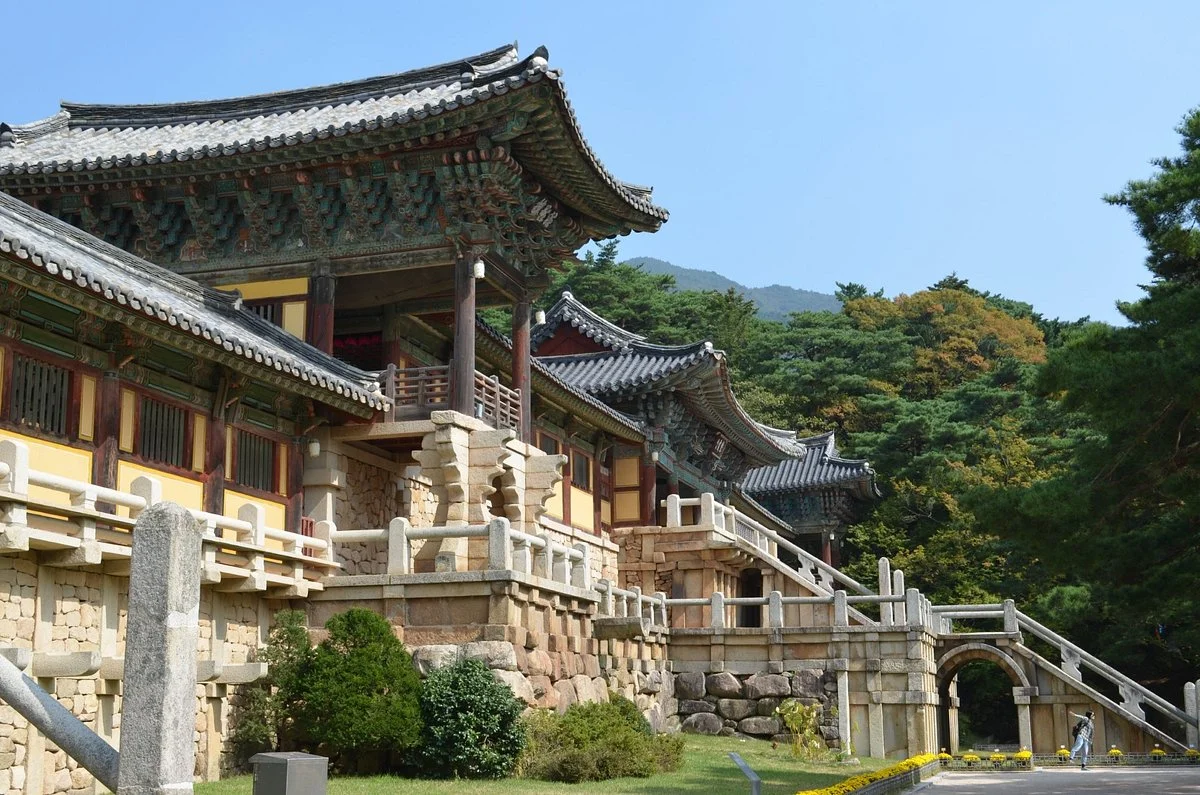
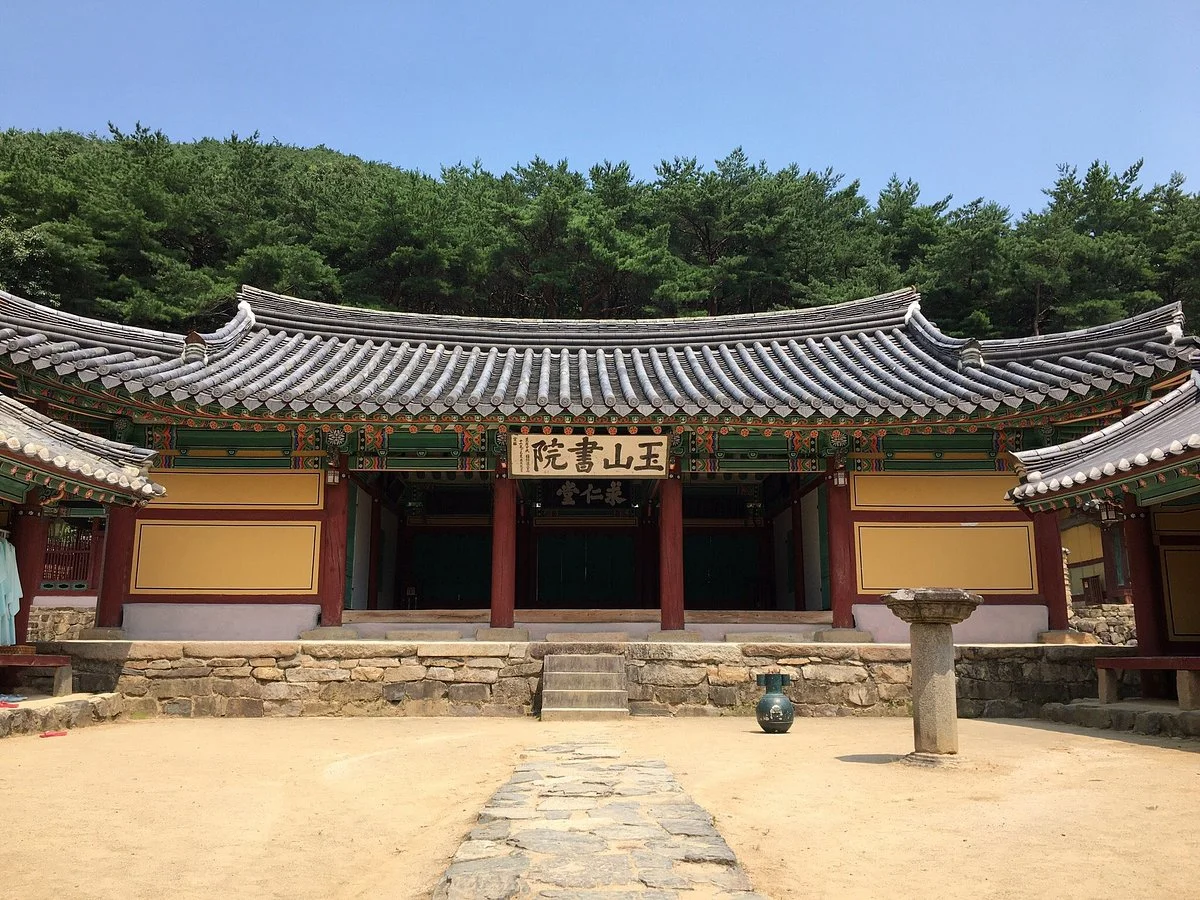
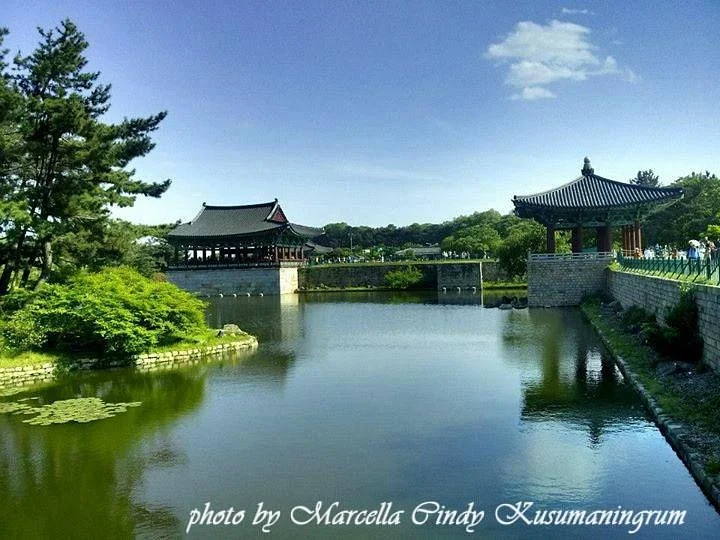
A vast number of archaeological sites and cultural properties from this period remain in the city. Gyeongju is often referred to as "the museum without walls". Among such historical treasures, Seokguram grotto, Bulguksa temple, Gyeongju Historic Areas and Yangdong Folk Village are designated as World Heritage Sites by UNESCO.
The many major historical sites have helped Gyeongju become one of the most popular tourist destinations in South Korea.The city of Gyeongju was united with the nearby rural Gyeongju County in 1995 and is now an urban–rural complex. It is similar to 53 other small and medium-sized cities with a population under 300,000 people in South Korea. As well as its rich historical heritage, Gyeongju today is affected by the economic, demographic, and social trends that have shaped modern South Korean culture.
Tourism remains the major economic driver, but manufacturing activities have developed due to its proximity to major industrial centers such as Ulsan and Pohang. Gyeongju is connected to the nationwide rail and highway networks, which facilitate industrial and tourist traffic.
Gyeongju is home to South Korea's first nominated UNESCO World Heritage Site — Seokguram Grotto and Bulguksa Temple — and numerous other national treasures.
As a major tourist destination in Korea, Gyeongju is host to many festivals and events.
Unlike many cities in Korea, there is no particular dish the area is known for besides a general association with seafood. However, there are some famous edible items found in Gyeongju that have become renowned throughout Korea: Hwangnam ppang (ppang being the Korean word for "bread"; derived from the Portuguese word "pão") which is a small ball of silky-smooth sweet red bean paste surrounded by a thin pastry shell, and Gyeongju ppang which is the same sweet red bean paste enclosed between two thin barley bread pancakes. Both can be purchased many places in town (including from a booth at the train station) but the best way to taste them is fresh and warm from the bakery, just across the street to the east from the Flying Horse Tomb (Cheonmacheong) Park.
For seafood, many locals head to Gampo, a village directly on the coast. Most of Gyeongju's fishing catch is brought here and served locally, rather than being exported to other markets. The local hoe (sashimi) is excellent and very fresh.
If you happen to drink too much Gyeodong Beopju you might want to check the famous Haejangguk — a pork spine and coagulated blood stew — at the "Hangover Soup Street".
The area around Bulguksa's bus stop and carpark hosts a veritable village of restaurants. The owners will, unusually for Korea, tend to aggressively tout their shops over others but there are enough around that if you can ignore their advances, you can pick and choose. Prices are surprisingly standard, given the location.
Since 2010, Gyeongju has had a very popular bread called Gyeongju Tenny Bread. Gyeongju dakbap tastes like a hotcake, with mozzarella and cream cheese in a dough similar to a hotcake.
It is characterized by the pagoda depicted on the Korean currency, the 10 won, and is so popular that everyone seems to have one in their hand when walking around Gyeongju.
= Gyeongju is known for Gyeodong Beopju, a mild rice wine. Although it is principally made from glutenous rice and spring water, locals believe that a boxthorn or Chinese matrimony vine growing near the wellsource of the water has imbued the wine with special medicinal properties and flavor.
Gyeongju is not particularly known for its nightlife, and in the major tourist areas around downtown and Lake Bomun you can drink at restaurants and hotel bars, but proper nightlife is hard to come by. Bars and clubs are mostly concentrated around Dongguk University, in the Seonggeon-dong district. Some of them serve snacks (anju) at a price of ₩10,000-20,000.
The best items to buy in Gyeongju are mostly reproductions of Silla craftworks, such as ceramics, metalworks, and artwork. There will be numerous vendor stalls on your hikes to Bulguksa and a few more if you continue onto Seokguram Grotto in addition to the souvenir shops that sell mostly the same goods plus some higher ticket items in addition to small trinkets and nicknacks. You are more likely to get a good deal from the street vendors who you might reward buying multiple items with a discount off the ticketed price.
Be sure to visit the two tourist kiosks to get maps and guides. One is next to the express bus terminal while the other is beside the parking lot in front of Gyeongju Station. Whether walking or biking, if you know your destination's Romanized or Hangul name you will find countless signs along the path at just about every intersection pointing the direction to the nearest attractions with distances provided.
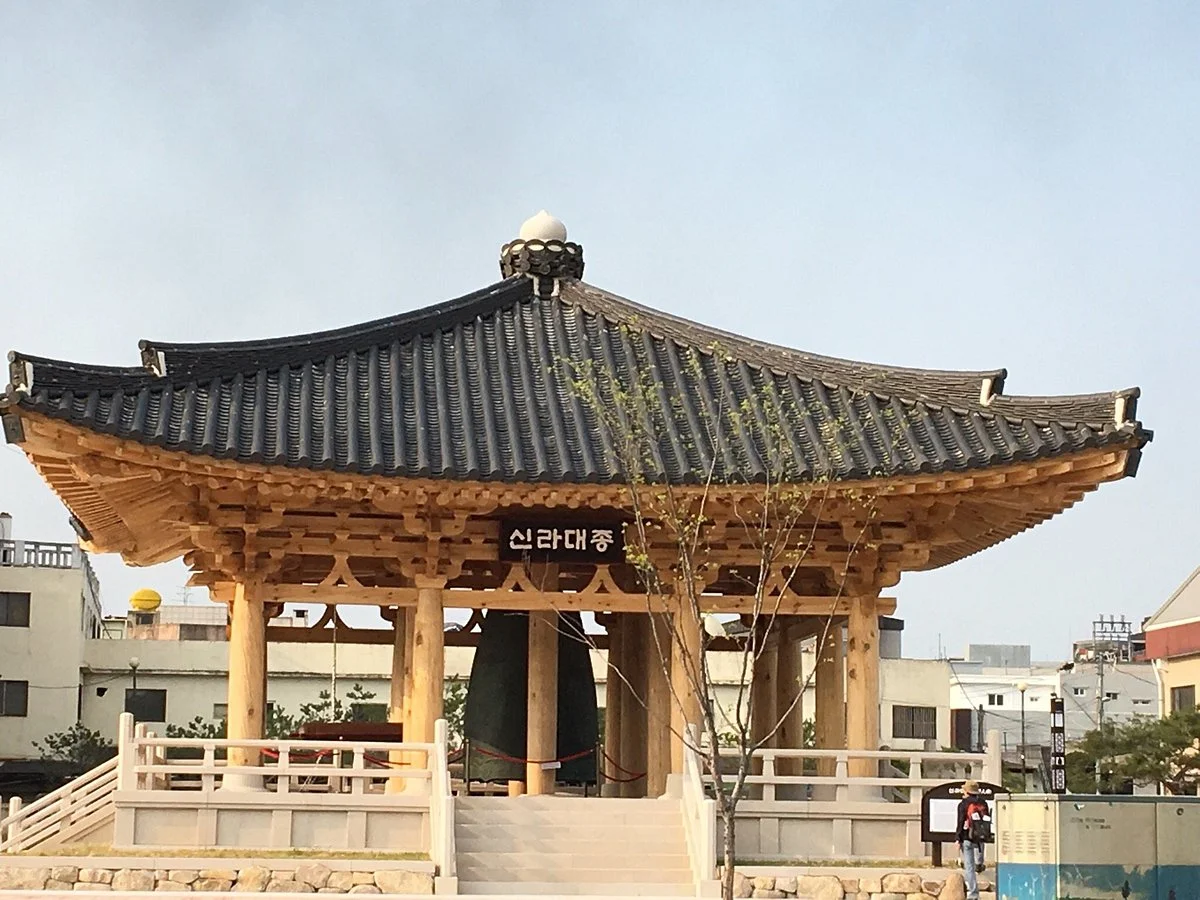
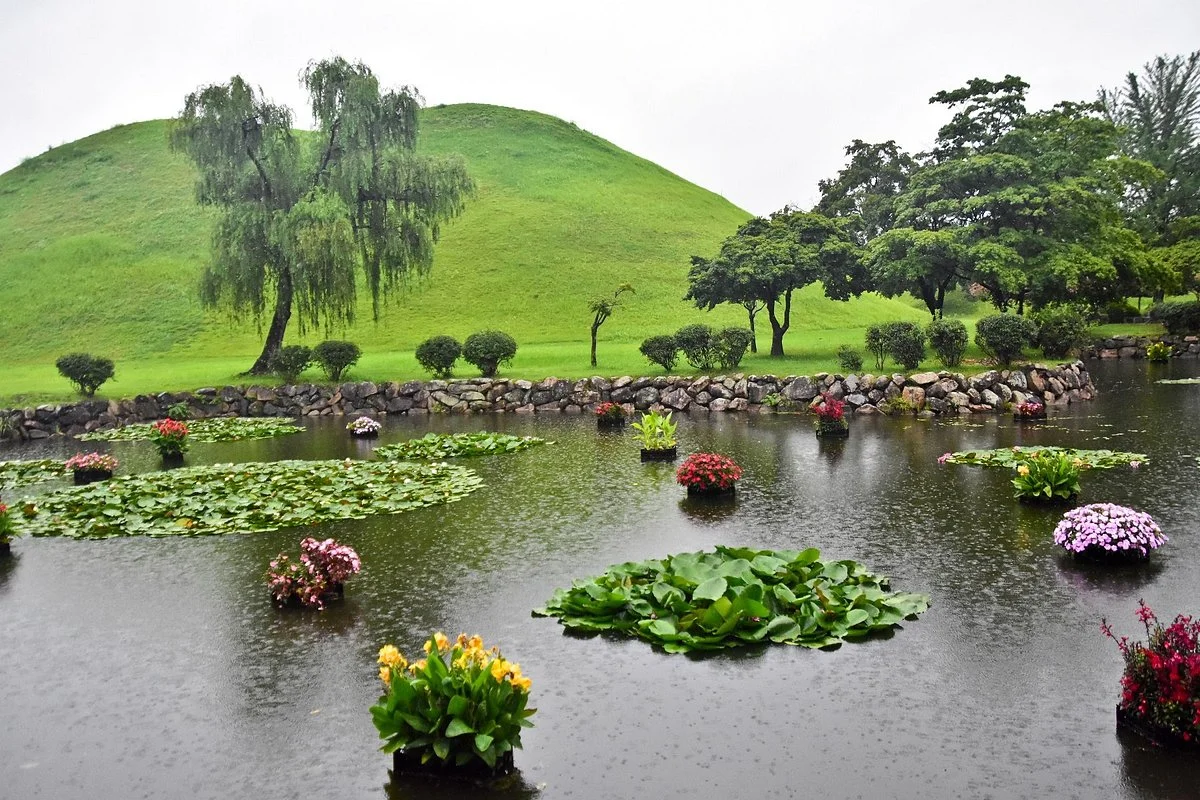
Gyeongju was once the capital of the Silla Korean kingdom, and is possibly the foremost location in Korea where many ancient buildings, burial grounds and artefacts can be found. Driving through this city you will notice that the typical modern Korean buildings are frequently interspersed with large burial mounds. It's one of the country's most popular destinations. Most of the visitors are domestic or from elsewhere in East Asia — seemingly westerners haven't discovered Gyeongju yet.
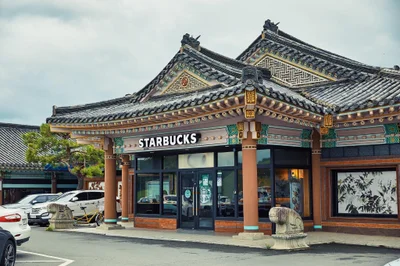
Forested hills dominate the region; between them there are rice fields as well as houses and roads. Downtown Gyeongju is a small city without high-rises. These, on the other hand, can be found some 5km to the east, namely "Bomunhu Resorts", a collection of several expensive hotels next to an eponymous lake. In the 2012 census, there were some 264,000 inhabitants in the city. The region is famous for the traditional roofs on the houses; even some gas stations have them.