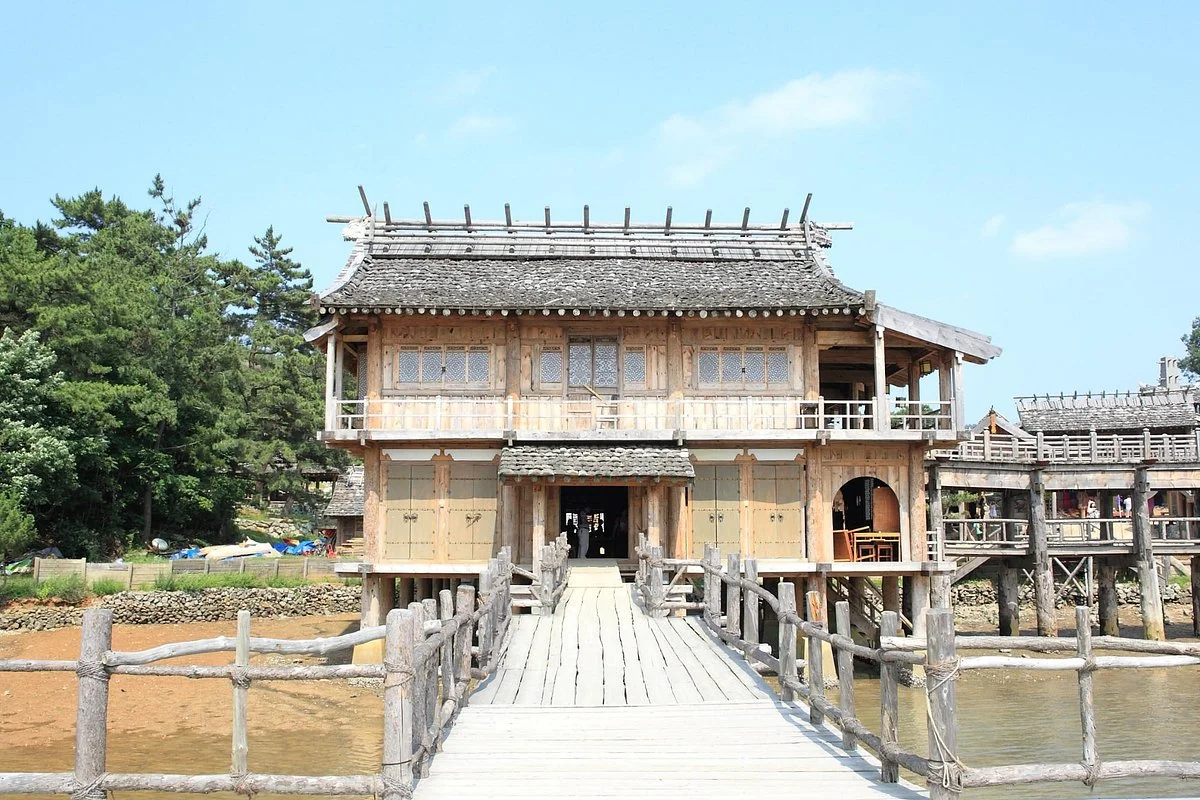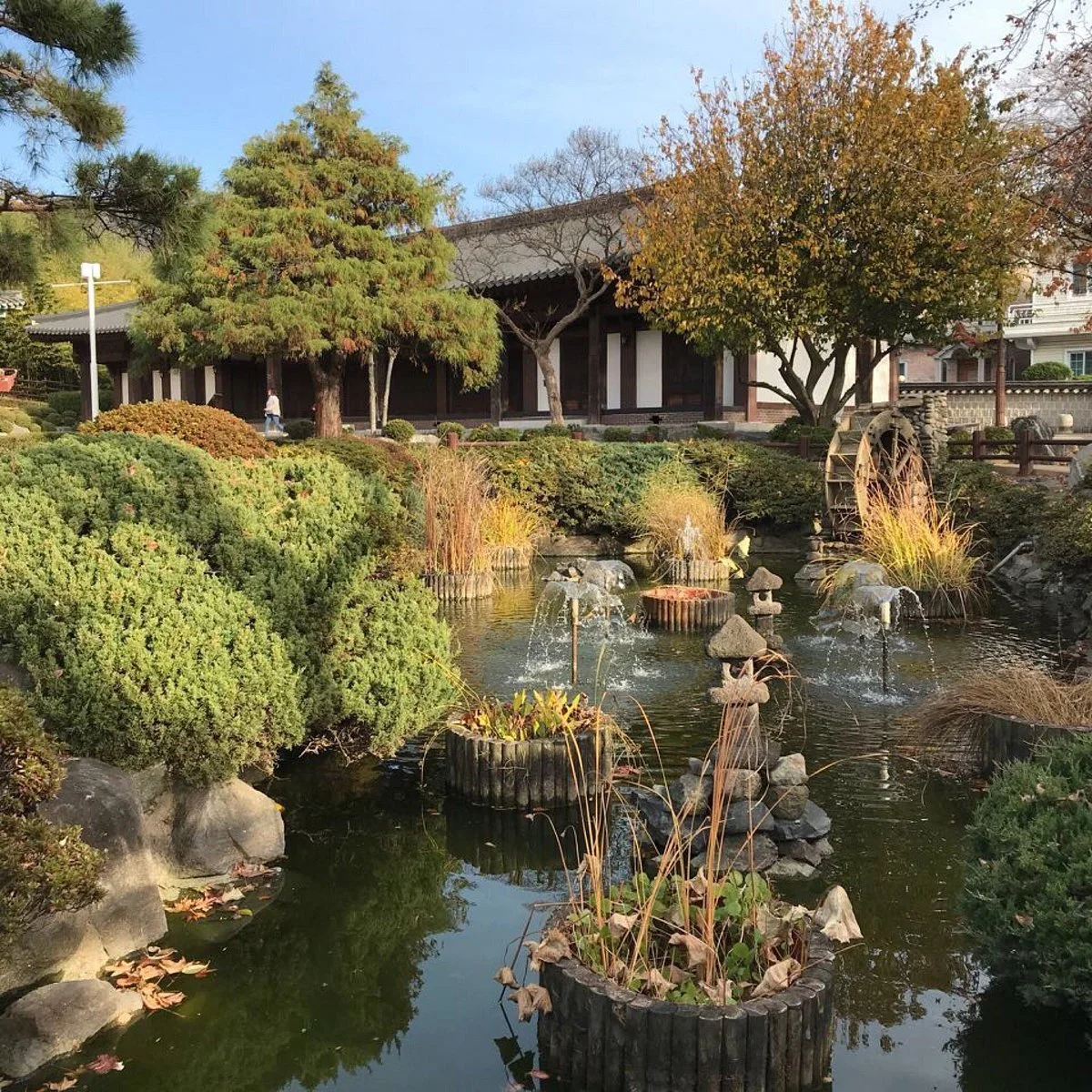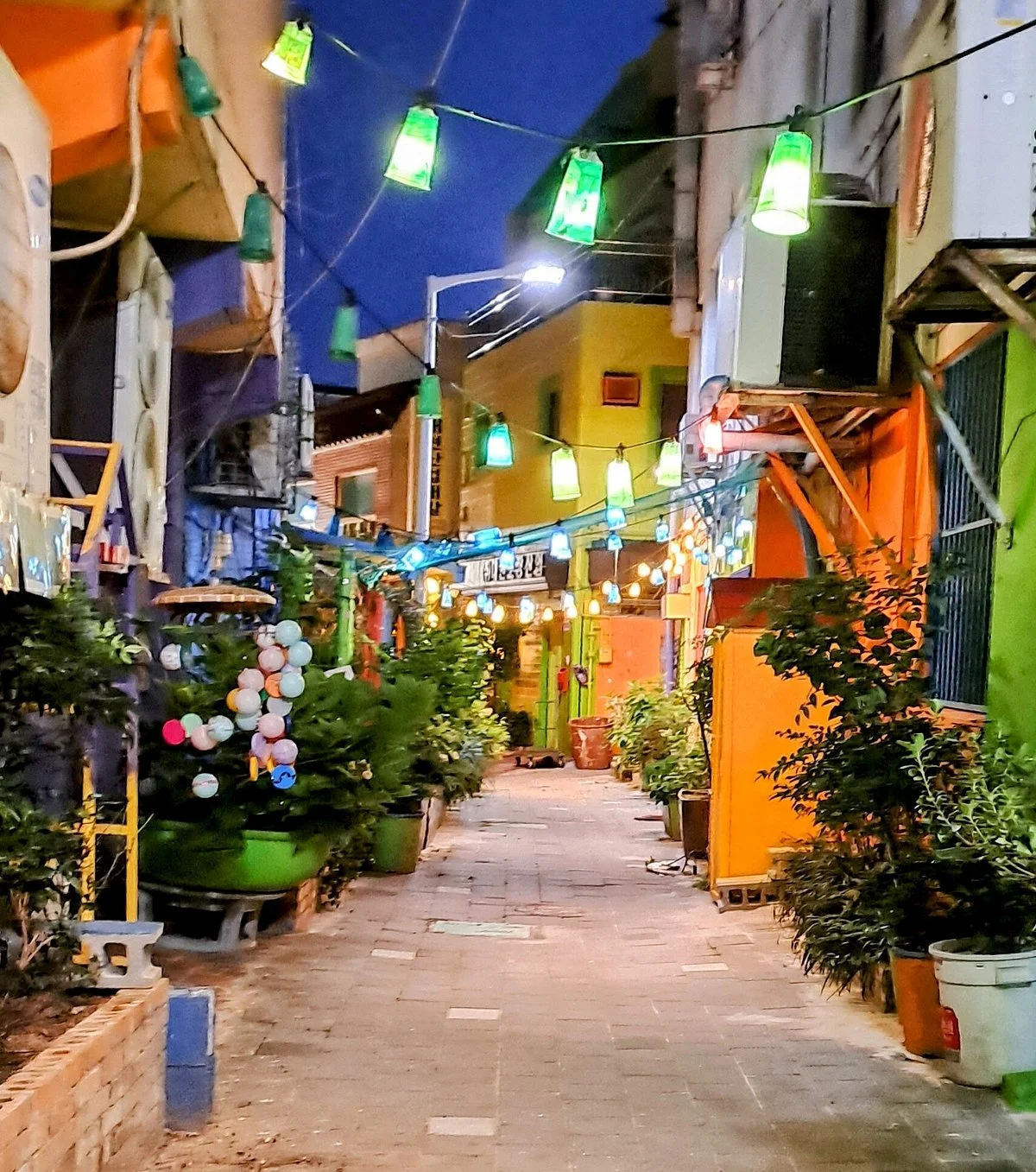
Changwon (Korean pronunciation: [tɕʰaŋ.wʌn]) is the capital and largest city of Gyeongsangnam-do, South Korea (with a population of 1,025,702 as of 2023), and the 11th largest city of the country.A port city, Changwon is bordered by Masan Bay to the south, and the cities of Busan and Gimhae to the east. The city of Miryang lies to the northeast, and Jinju to the west.
The region has been inhabited since the Bronze Age, and its urban areas have been renamed and re-organized many times throughout history. In 1974, with the creation of the Changwon National Industrial Complex, the three historically interdependent cities of Masan, Jinhae, and Changwon began to undergo significant economic development, growing into an important industrial centre. On 1 July 2010, the cities of Changwon, Jinhae, and Masan merged to form the current city of Changwon.As Korea's first planned city, modeled after Canberra, Australia, Changwon uses accessible urban planning including many parks and separate residential and industrial areas. The city has also branded itself an "environmental capital" with the municipal government actively participating in climate change conferences and committing to the development of sustainable policies like the globally recognized bike-sharing program, Nubija.
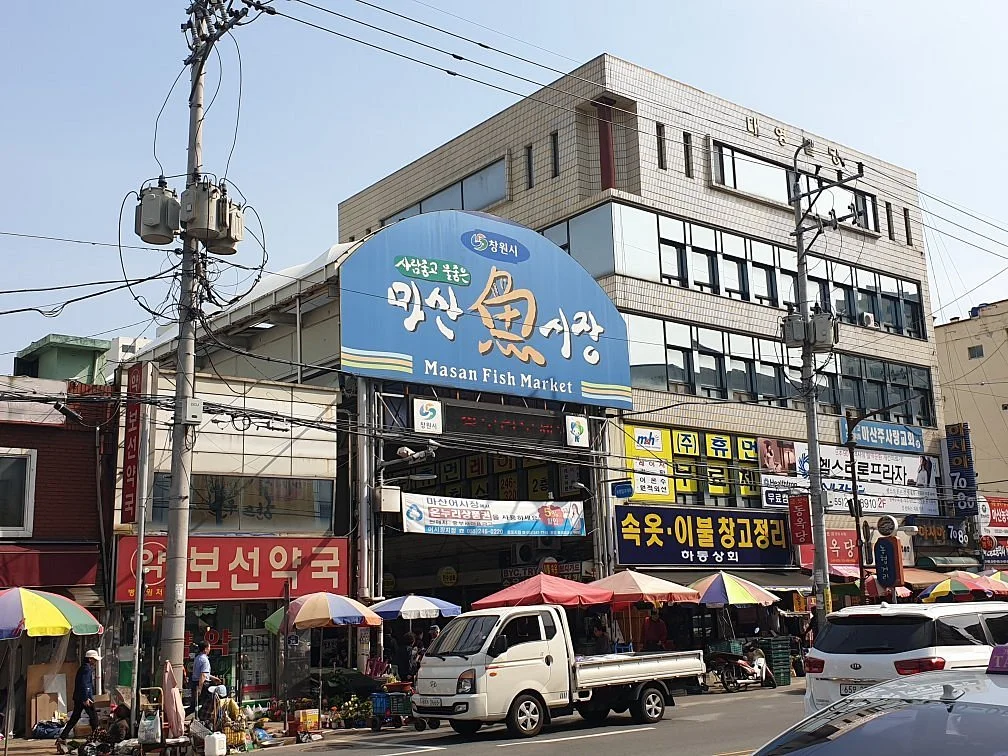
Changwon is known for its watermelons and persimmons. If you're cooking for more than one person, check out the traditional markets for fresh fruits and veggies at great prices.
For the shoppers out there, Changwon has a Lotte Mart, Lotte Dept Store, and an Emart all centrally located by the Rotary across from City Hall. Daedong Dept Store's not too far from the Rotary as well. There's also a Home Plus and New Core Outlet near the bus terminal, and City 7 beside Changwon's Pullman Hotel.
=
Changwon is to the west of Busan, and most travel to Changwon is via this international hub. Located in the southeastern part of Gyeongsangnam-do, it is located in Gangseo-gu in Busan and Gimhae to the east, bordering Miryang and Changnyeong-gun on the Nakdong River to the north, Haman-gun, Jinju, Goseong-gun to the west, and Geoje City to the south. There is Masan Bay in the center of the city and Jinhae Bay in the south.
The existing three cities of Masan, Changwon, and Jinhae integrated and operated city buses, and today, they have deeply linked and cooperated in transportation, culture, and infrastructure, including Dongmasan IC, the main gateway of Changwon.
There are two types of city buses; express and normal. The express bus costs a little more but have fewer stops. The normal bus stops at every stop and most routes run into neighboring towns Jinhae and Masan. Current cash price is ₩1,300 for a normal bus and ₩1,800 for an express. When using a transportation card (T-money card) for payment, price is ₩1,250 for a normal bus and ₩1,750 for an express. Taxis are also a very common mode of transportation. Taxis can almost always be flagged down within a couple minutes on any semi-major to major road. All taxis (including black) start at ₩3,300 during the day but the starting rate goes up to ₩3,960 after midnight. And you can use the bike rental service. One of the best places to ride bicycles in Korea is the old Changwon city area. This is due to bicycle lanes installed on all major roads in the city. Nubiza is a combination of Nubida and Bicycle, which is a public bicycle service that is loaned from Changwon City. It is also South Korea's first public bike that began on October 22, 2004. Nubiza's terminals are located in many places in the city like bus stops, each with kiosks. If you pay a reasonable price, you can rent a bicycle, but if you rent it and don't return it for an hour and a half, you'll get a call to return it quickly. In this case, you can return it and rent it again. The Nubiza bike has a speedometer so you can check the mileage, time, etc. And it has headlights and rear lights, so there's no problem with night driving.