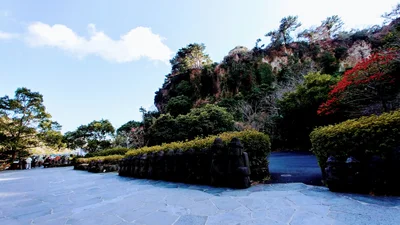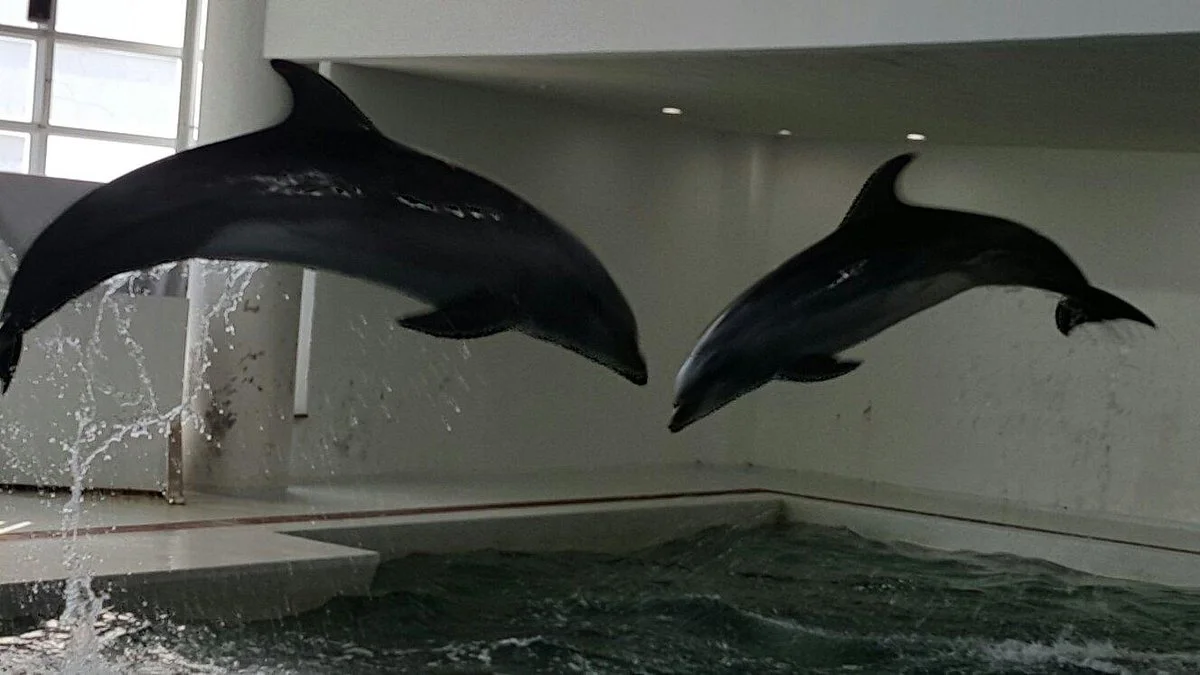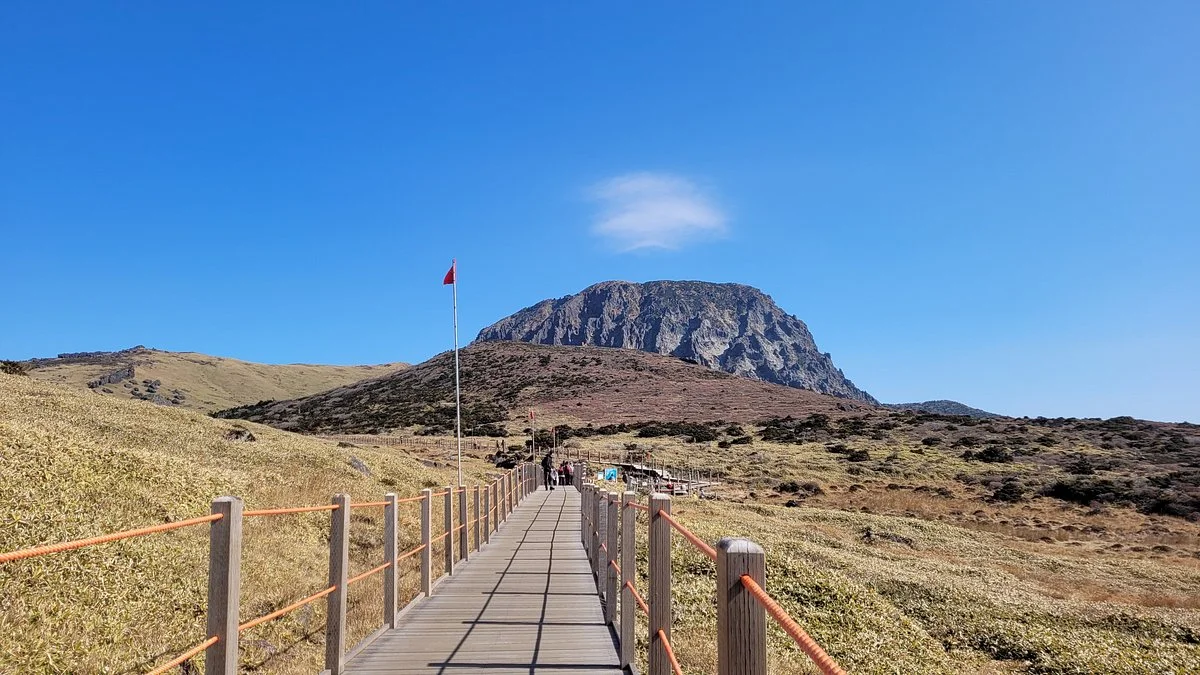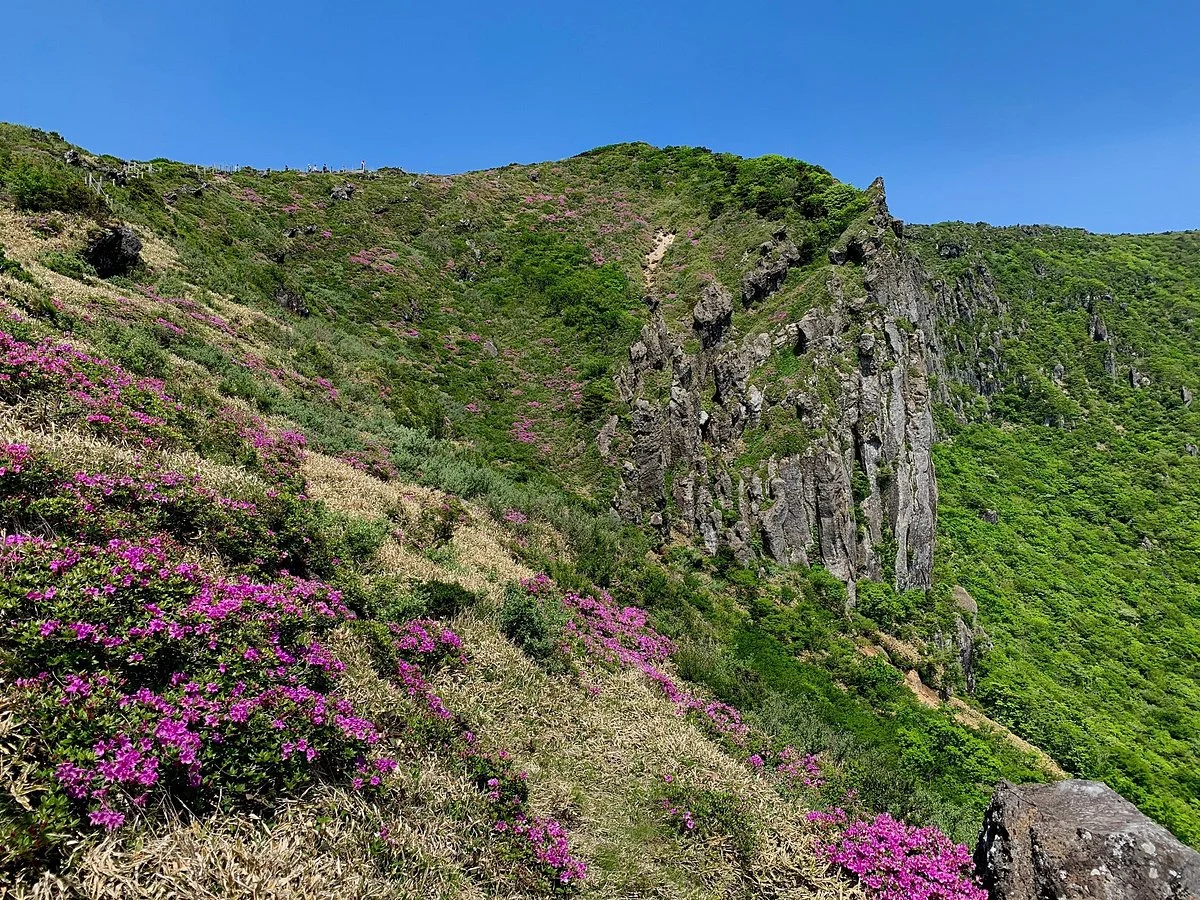
Seogwipo (Korean: 서귀포; Korean pronunciation: [sʌ.ɡwi.pʰo]) is the second-largest city on Jeju Island, settled on a rocky volcanic coastline in the southern part of Jeju Province, South Korea. In July 2006, Seogwipo's boundaries were expanded to include the entire southern half of Jeju island. A UNESCO World Heritage Site and 2002 FIFA World Cup host, it had a population of 155,691 as of December 31, 2011.
Being a coastal city on an island, expect the hoe (회, sashimi) to be excellent.
Downtown Seogwipo contains mostly Korean-style restaurants. To illustrate, even the E-mart food court is strictly Korean fare. In the main circle in town there is a coffee shop/restaurant that has some western dishes prepared in a Korean way on the second floor. It has pictures of famous westerners lining the restaurant.
A great more upmarket restaurants, catering to foreign tastes, can be found in and around the Jungmun Tourist Resort Complex.
An interesting culinary option around Seogwipo is sea cucumber. Jeju's iconic women divers (해녀) are scattered around the coast, particilarly near Jungmun, ready to serve it up fresh before your eyes for an average ₩10,000. If you time your approach right, you might even see your meal get hauled in before your eyes. If you're game that is...
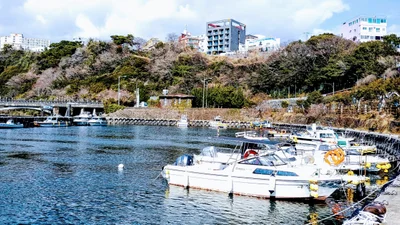
In addition to the ubiquitous number of Korean-style drinking restaurants, there is a small strip with a few western style bars and Korean style clubs. The strip is located on the way from the main circle to the harbor in Seogwipo. On the way down the hill the strip will be located on your left hand side.
Seogwipo is spread out in a thin line along the coast from Seogwipo downtown to the east and Jungmun to the west along the main arterial road, Ilju-ro (Highway #1132).
Covering the entire southern half of Jeju island, Seogwipo, the island's second-biggest city, claims the Jeju International Convention Centre and the Jungmun Tourist Resort Complex with Jeju's fanciest accommodation. Furthermore as one of the many co-hosts of the 2002 FIFA World Cup, it holds the island's only stadium.
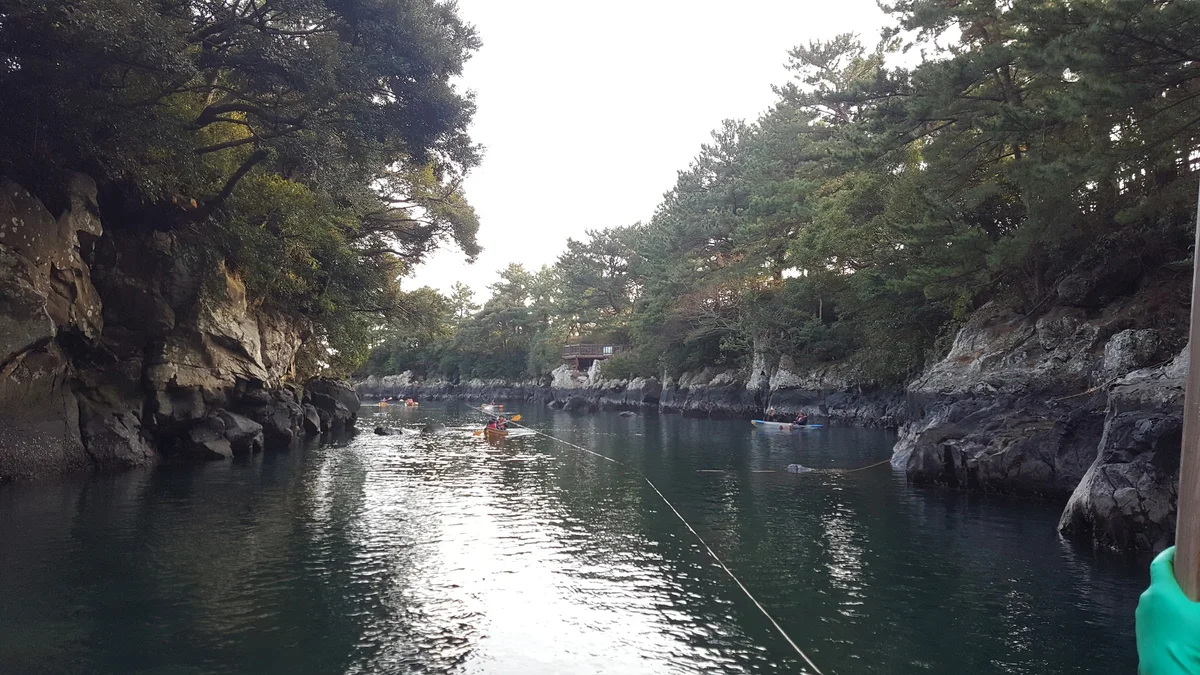
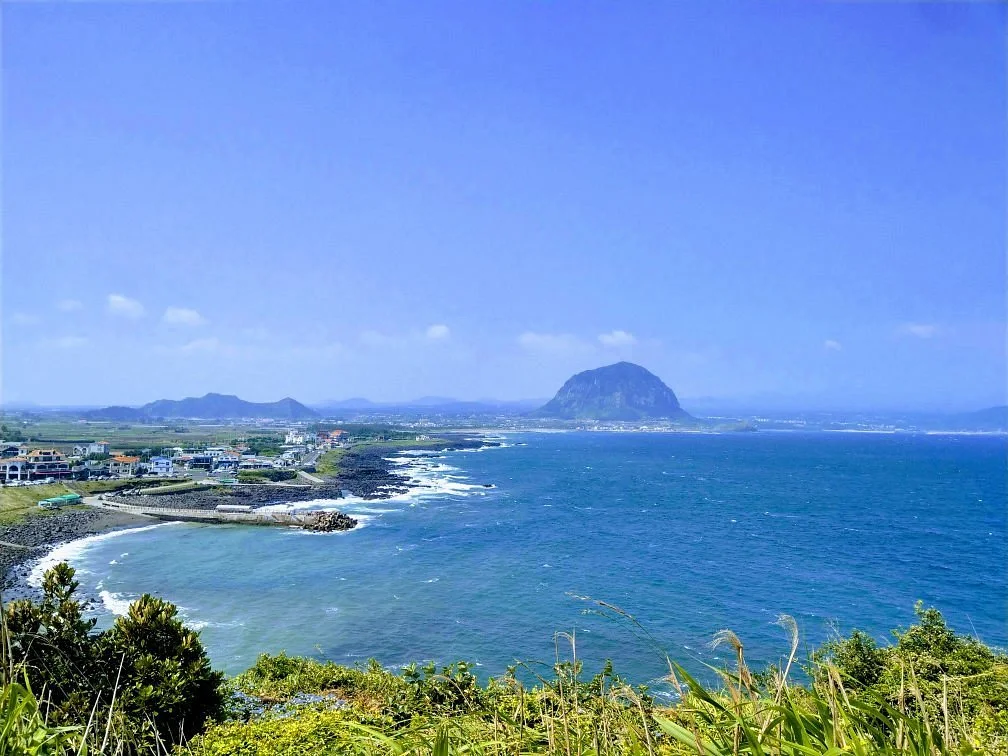
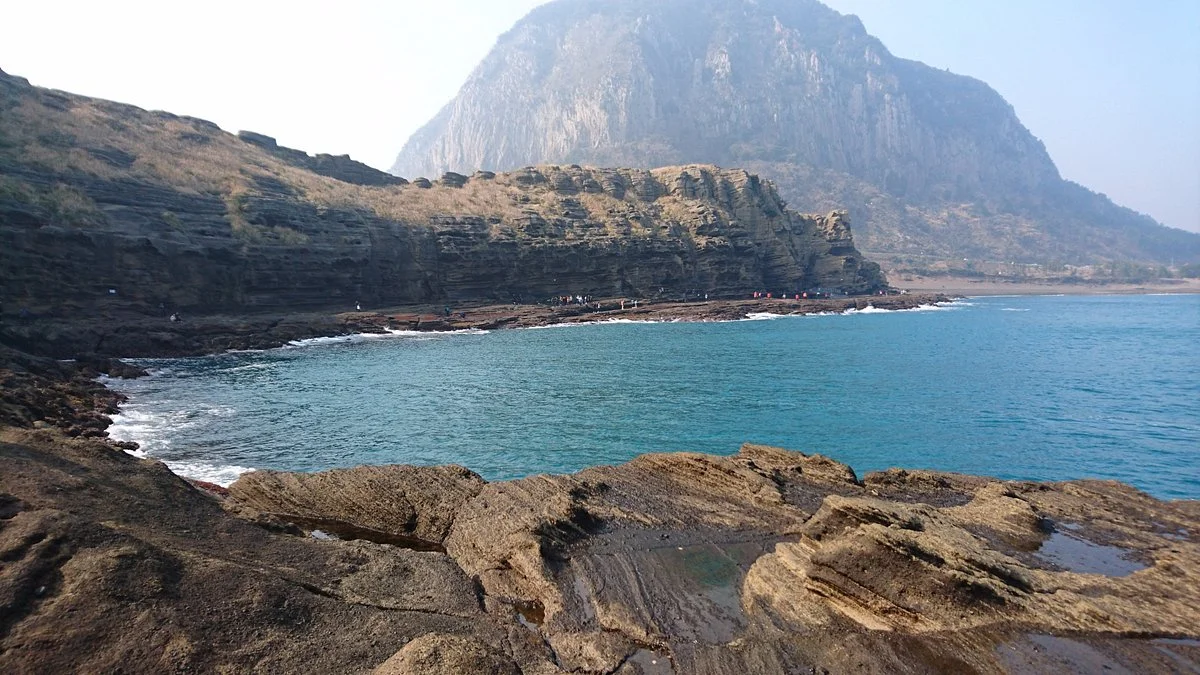
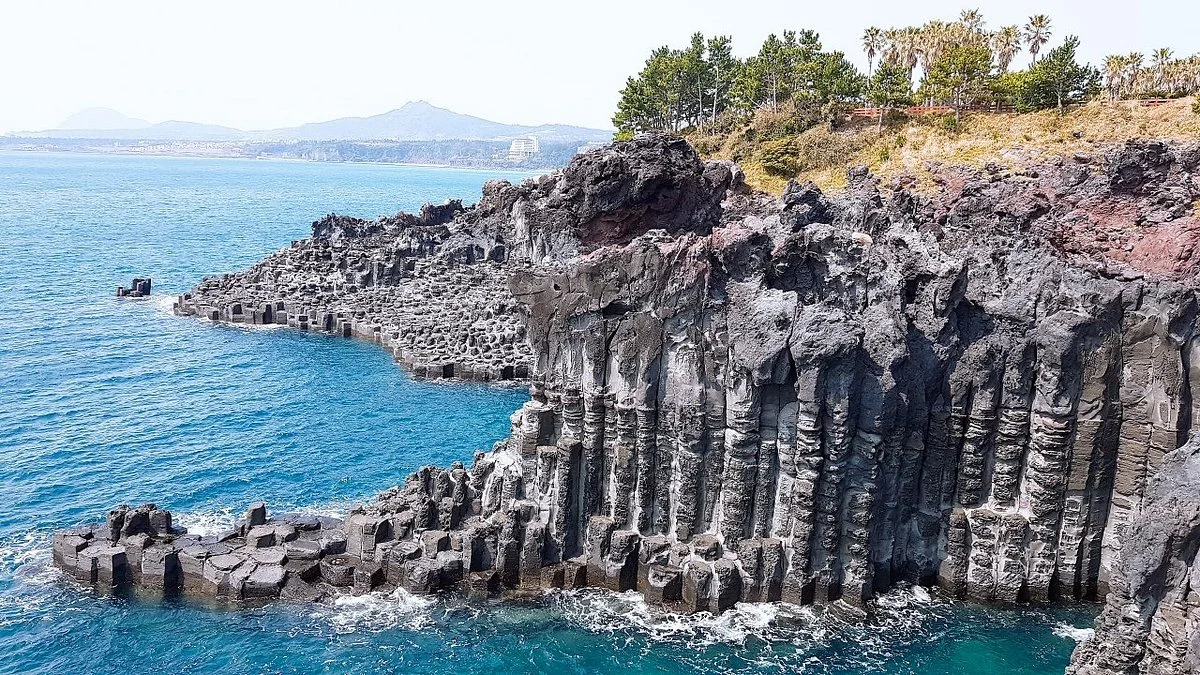
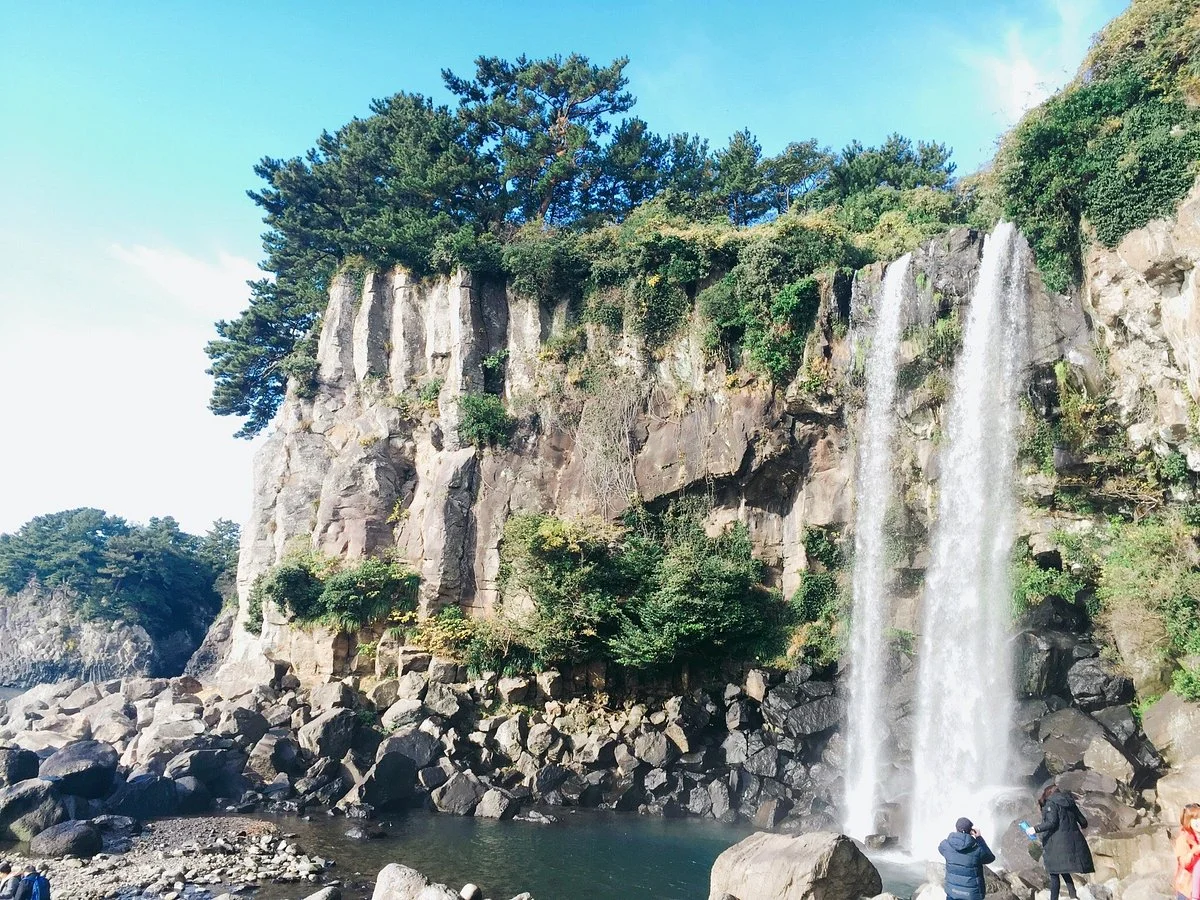
Being spread out along a coastline made out of columnar basalt cliffs and beaches interchangeably makes it a somewhat unusual visit. A coastal wander may see you strolling across a busy summer beach one moment and sheepishly striding through incredibly swank hotel grounds the next. Yet equally likely, one could end up traversing rocks alongside sheer cliffs, dark caves and beautiful waterfalls. It is the second-largest city on Jeju Island, with a population of 155,000 in 2011.
Other destinations
Smaller villages dot the coastline and eastern and western interior. Roughly clockwise from Jeju City:
Seongsan – village in the east of the island, close for Udo Island and Seongsan Ilchulbong, a volcanic crater. The village has a number of interesting seafood restaurants and can make for a pleasant overnight stay, but there are no nightlife options (apart from a disproportionate number of marts for the size of the village).
Gangjeong – small coastal village just west out of central Seogwipo. Unnoteworthy if not for the fact that it is the proposed site and thus ground zero for the battle over keeping naval bases off Jeju.