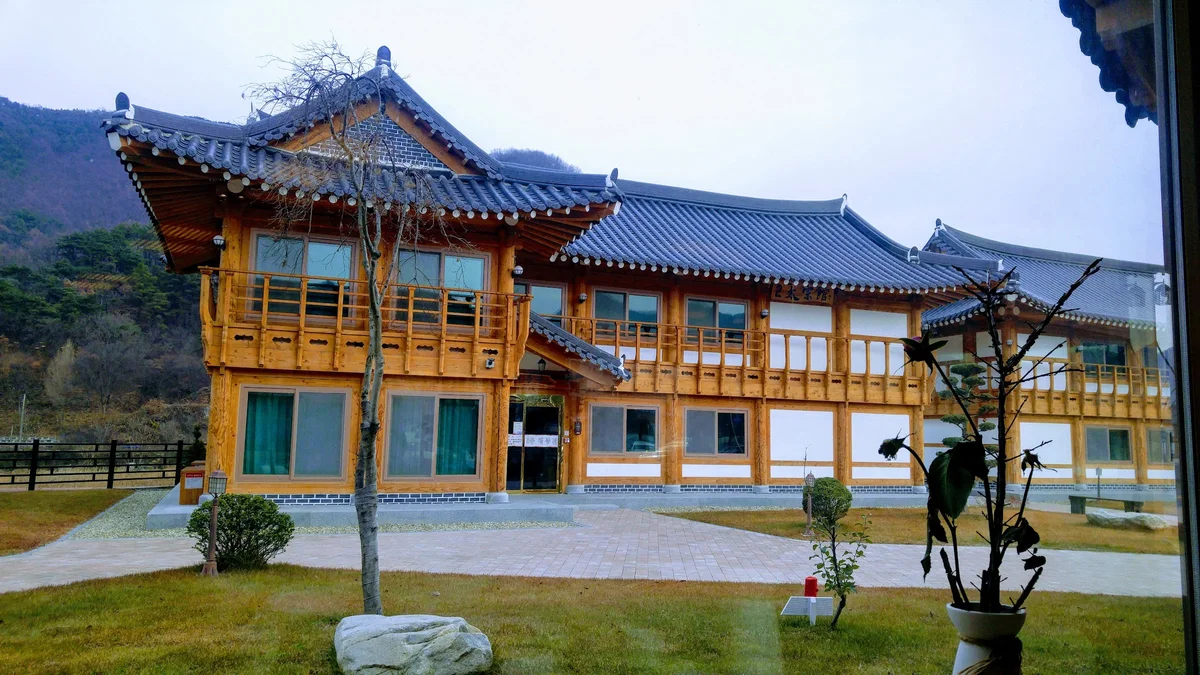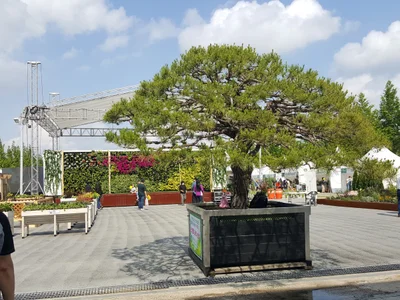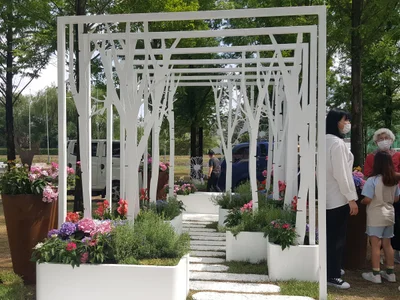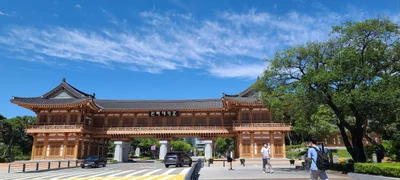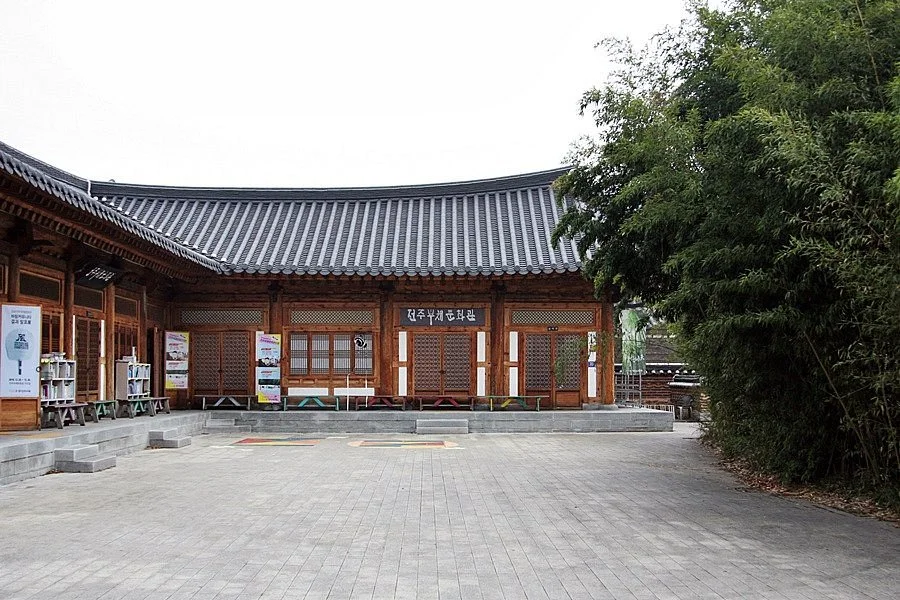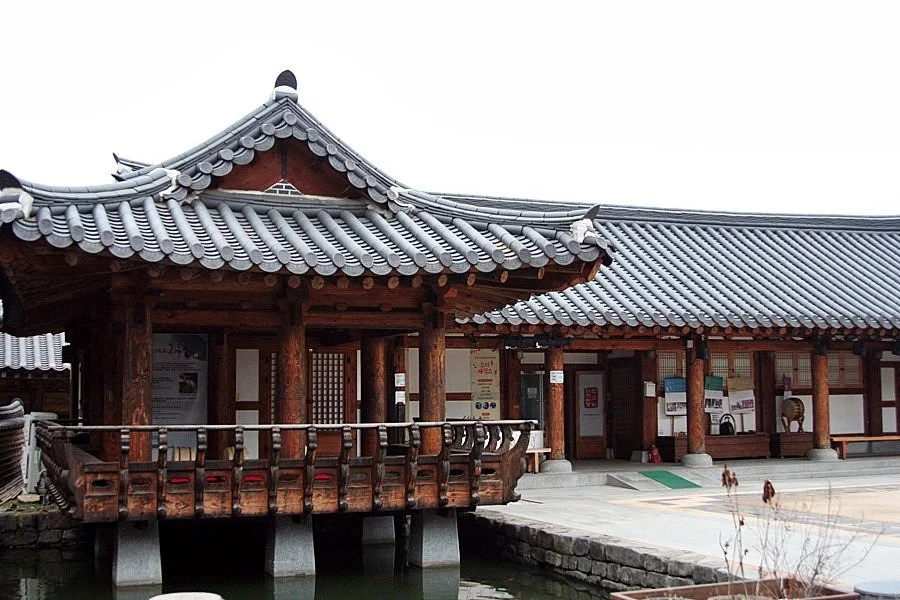
Jeonju (Korean: 전주, Korean pronunciation: [t͡ɕʌɲ.d͡ʑu], lit. 'Perfect region') is the capital and largest city of North Jeolla Province, South Korea. It is both urban and rural due to the closeness of Wanju County which almost entirely surrounds Jeonju (Wanju County has many residents who work in Jeonju). It is an important tourist center famous for Korean food, historic buildings, sports activities, and innovative festivals.
In May 2012, Jeonju was chosen as a Creative City for Gastronomy as part of UNESCO's Creative Cities Network. This honour recognizes the city's traditional home cooking handed down over thousands of years, its active public and private food research, a system of nurturing talented chefs, and its hosting of distinctive food festivals.
Watch the local football team Jeonbuk Hyundai Motors FC at the Jeonju World Cup Stadium. They are one of the most successful in Korea (8-time K League Winner) and have won the AFC Champions League twice.
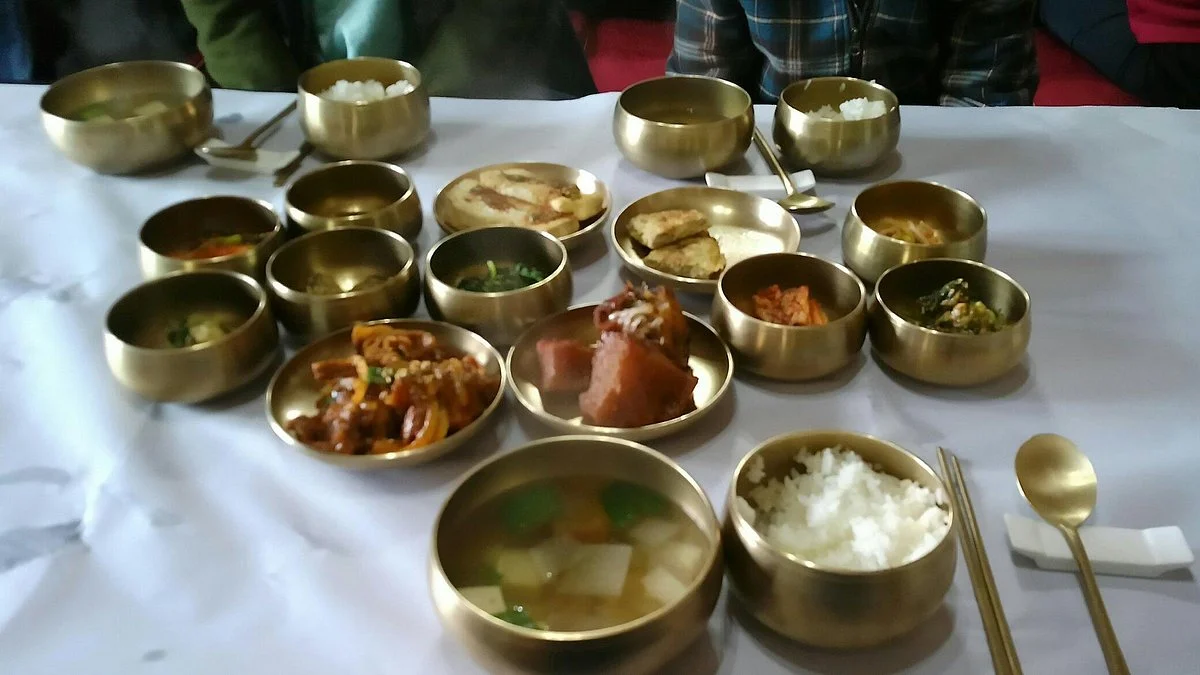
Jeonju is famous for its cuisine. Bibimbap is one of the most famous Korean dishes native to this region. "Bibim" means mixed and "bap" means rice. Served in the traditional brassware, it consists of rice with seasonal stir fried vegetables (carrot, bean sprout, radish, spinach, zucchini, bracken), seaweed (gim), and hot pepper paste (gochujang). It is also available in a hot stone bowl (dol sot), which slowly cooks the egg as you stir the ingredients together. The characteristic thing about Jeonju bibimbap is that it comes with Korean beef tartar (Yukhoe), Hwang Po Mook (a yellow jelly made from mung beans) and raw egg yolk (most of other regions in Korea serve with fried egg). The price for a serving of bibimbap is about ₩10,000. Along with bibimbap, kongnamul gukbap (bean sprout soup with rice) is one of the most popular food in Jeonju. Also give mountain vegetable (san chae) bibimbap a taste, if you're at any of the local mountains.
Some famous Bibimbap restaurants include:
Jeonju-style Bean Sprout and Rice Soup Jeonju is known for its delicious food. Bean sprout and rice soup is called 'kong na mul kuk bap'. Various ingredients make delicious kongnamulkukbap. Bean sprouts are a basic ingredient for this. Jeonju-style bean sprout and rice soup is used a specially-made seasoning in food.
Watery black-bean-sauce noodles (Muljjajang-myeon) Jeonju has had special jjajang-myeon. Original jjajang-myeon is dry and savoury, on the other hand muljjajang-myeon is something spicy and watery. It had transparent soup in the old days, but now it become reddish and spicy soup as per Jeonju people's taste.
Homemade chocolate pie This chocolate pie is different to other chocolate pies. It is much bigger and sweeter than others. Also there is no marshmallow. It is popular all over the country including Jeonju.
Jeonju contains some areas for going out for drinks. The area by Jeonbuk National university, referred to by students as the Old Gate, is full of bars, restaurants, and Korean-style pochas catering to those in their 20s.
Another popular zone is Sinsigaji located in front of the provincial government building. This area is relatively new and has more variety of restaurants, bars, and clubs than the Old Gate. This area caters to university students and older audiences as well.
Foreign bars in Jeonju include J.R.'s Saloon, Deepin, Art & Travel, Tombstone and Mad Hungry.
Crude liquor (Moju) Crude liquor is an alcohol used as a hangover-chaser. It is made from makgeolli which mixed 8 medicinal herbs. Medicinal herbs are ginger, jujube, cinnamon, pear, etc.
No information available
= KTX trains to Jeonju Station from Seoul depart from Yongsan Station, with some departing from Seoul Station. This is the fastest but most expensive option, taking about 2 hours from Seoul. Basic KTX fare from Seoul to Jeonju is ₩29,400 (2023).
Reaching Jeonju by train from the Gyeongsang region (Busan, Gyeongju, Changwon) require a detour and a transfer usually at Osong Station.
= There's an excellent public bus system that costs ₩1,300. All buses have free wifi. Line 1000, with a trolleybus livery, is designed for tourists and connects the train station and bus terminals to the hotel district and hanok village.