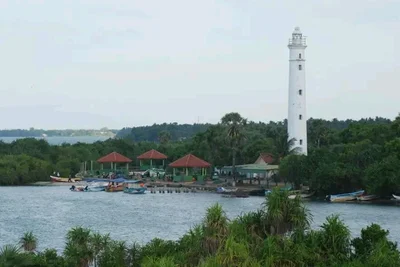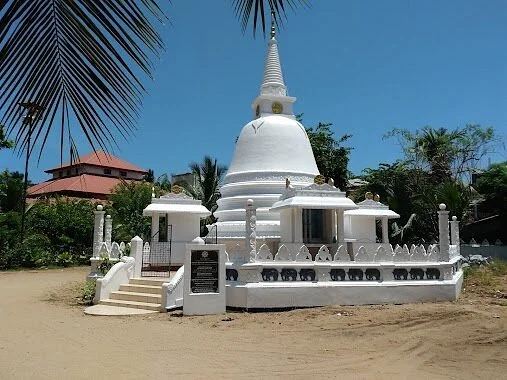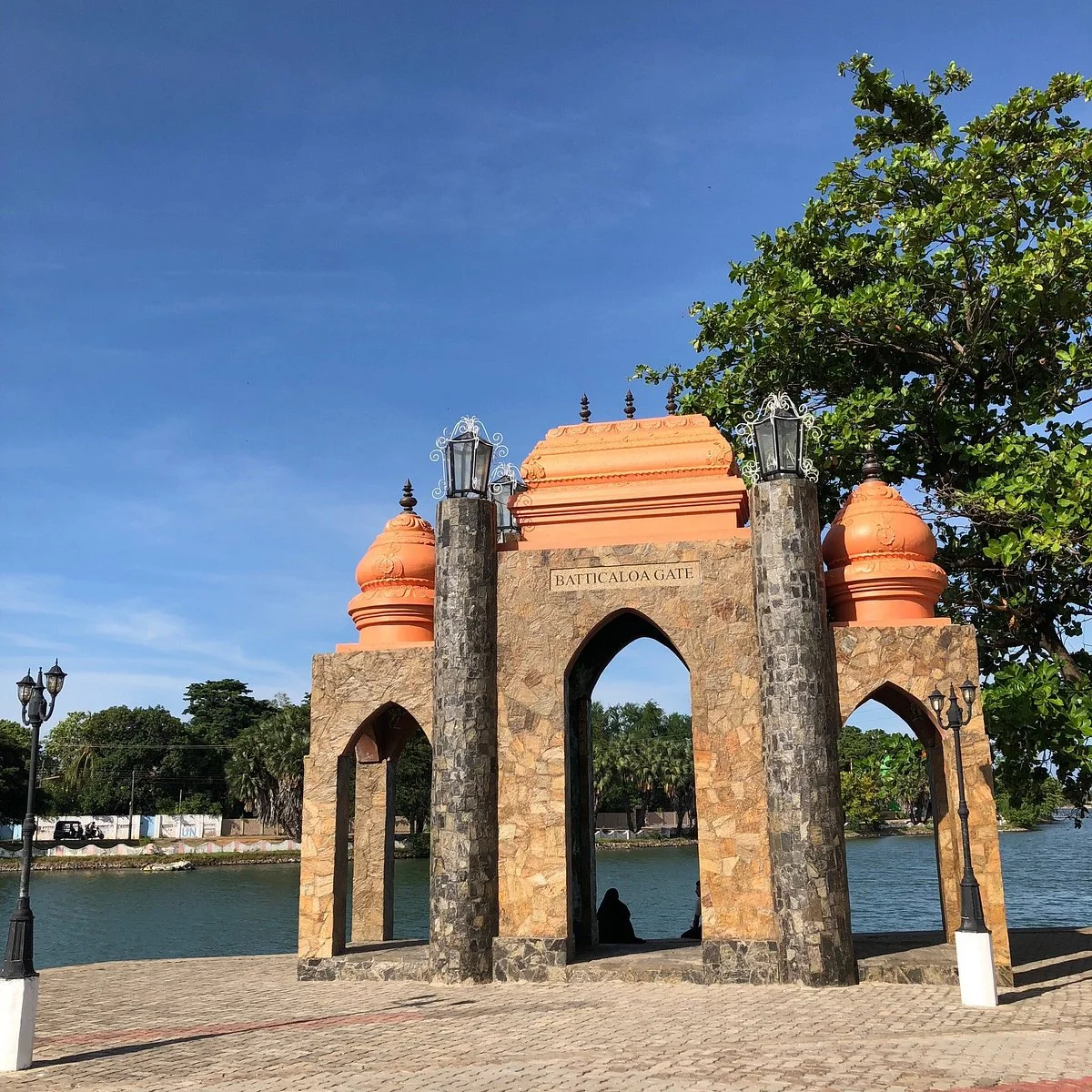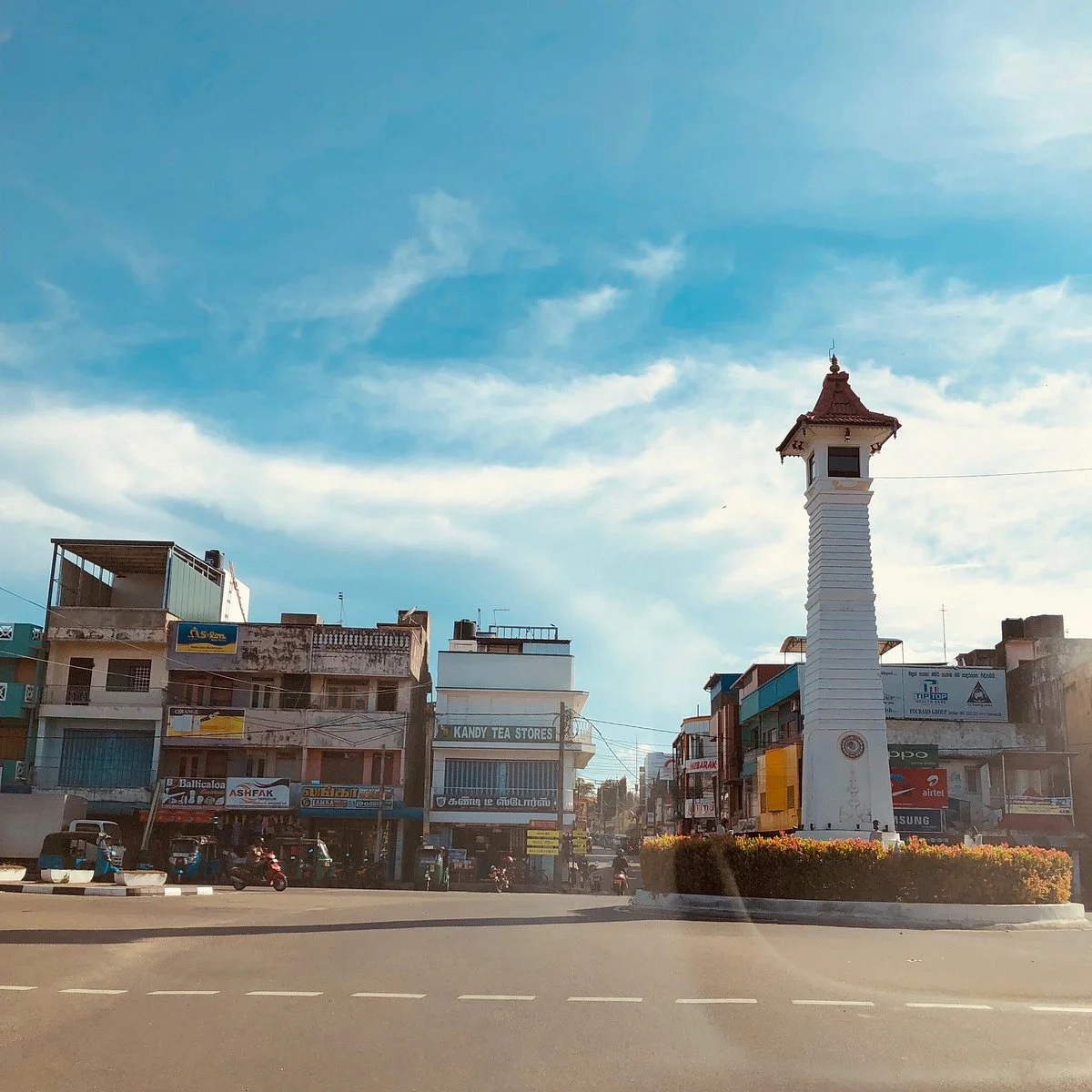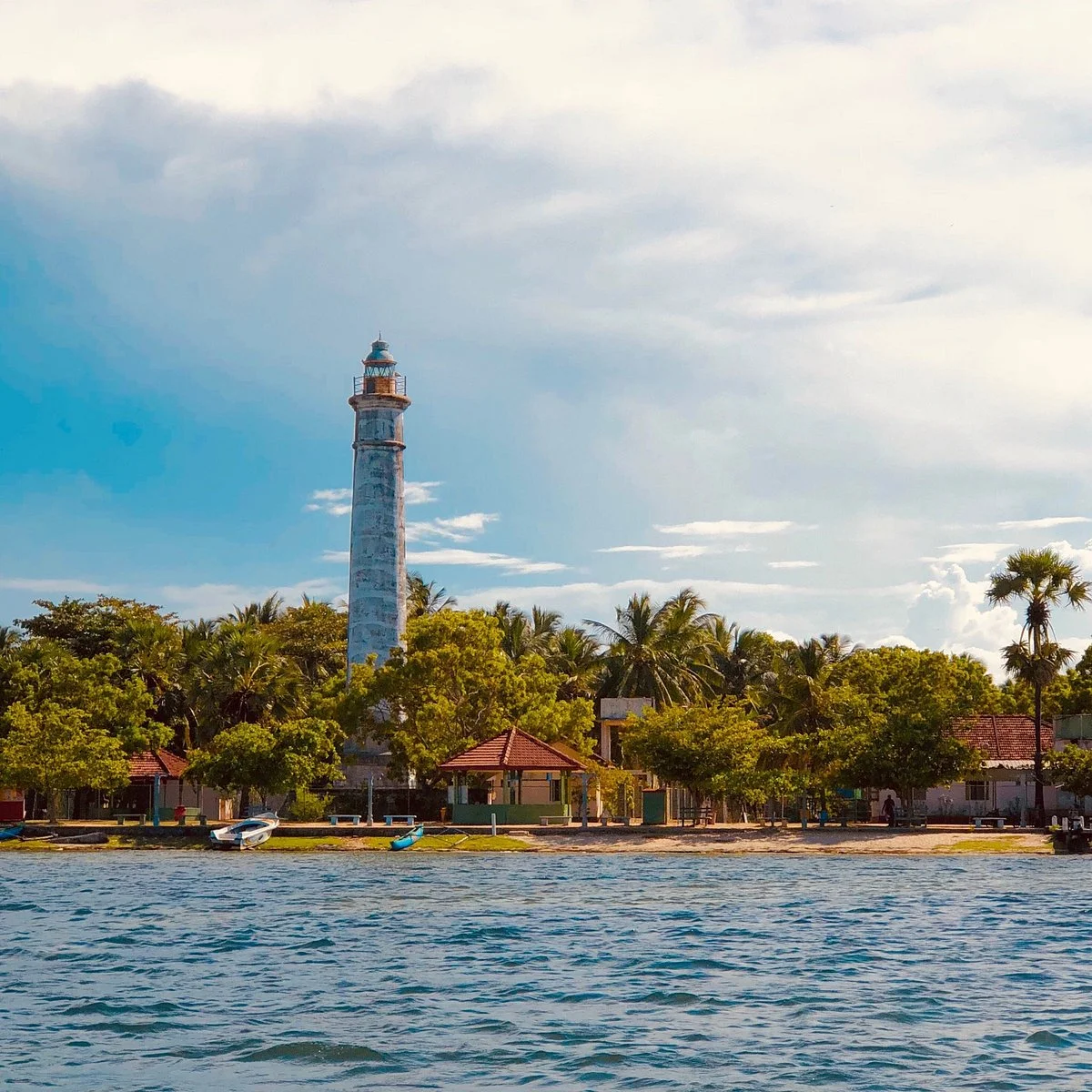
Batticaloa (Tamil: மட்டக்களப்பு, Maṭṭakkaḷappu; Sinhala: මඩකලපුව, Maḍakalapuwa) is a major city in the Eastern Province, Sri Lanka, and its former capital. It is the administrative capital of the Batticaloa District. The city is the seat of the Eastern University of Sri Lanka and is a major commercial centre.
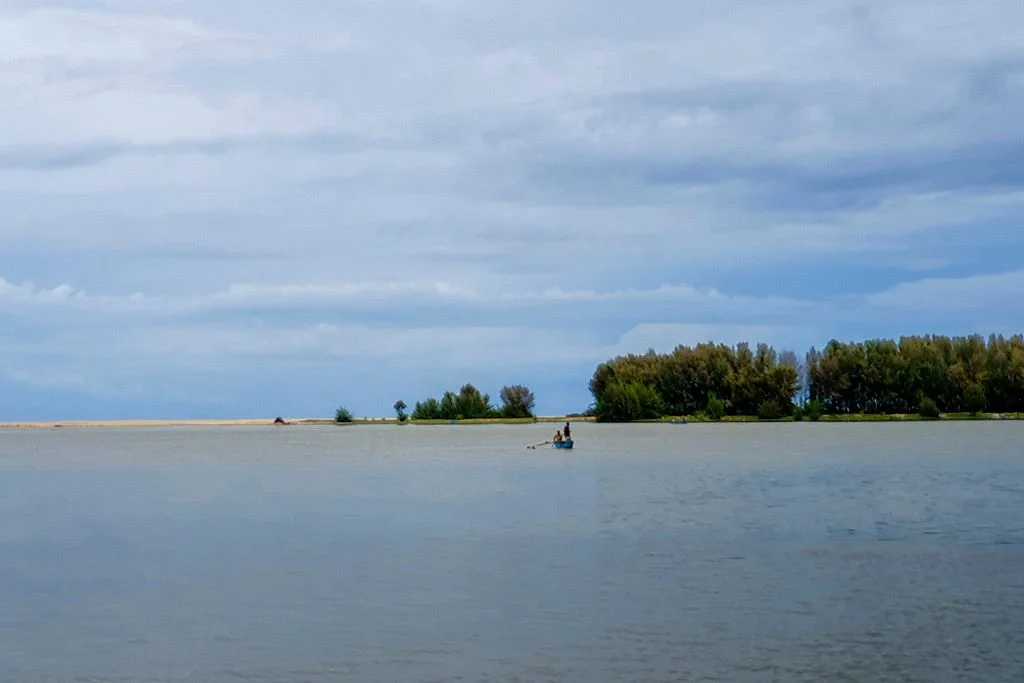
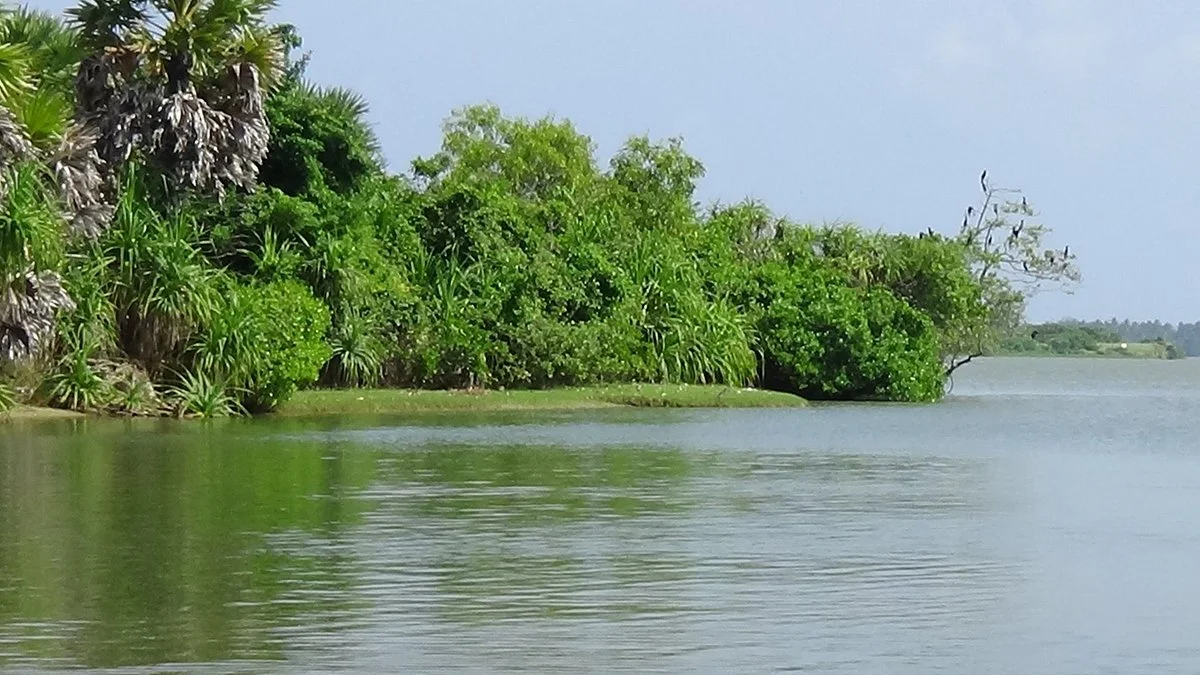
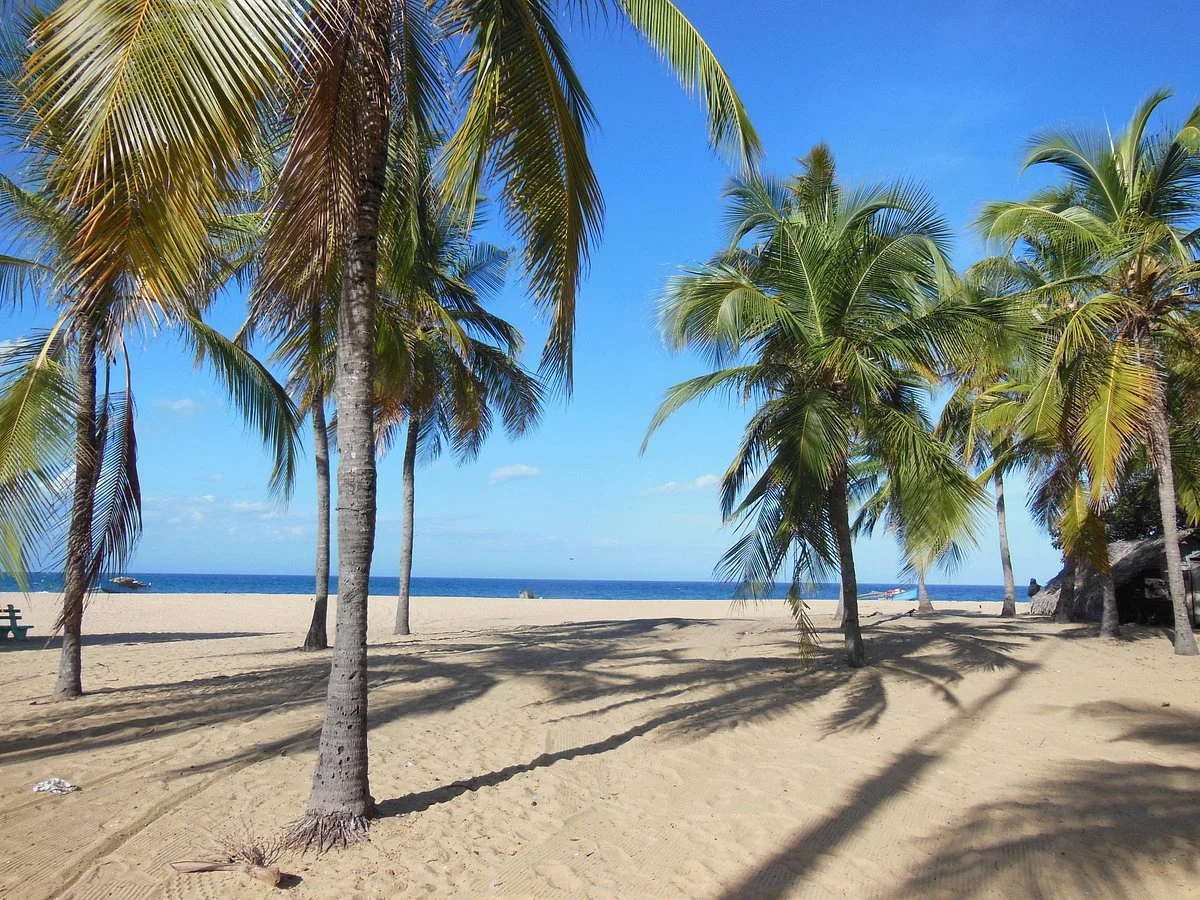
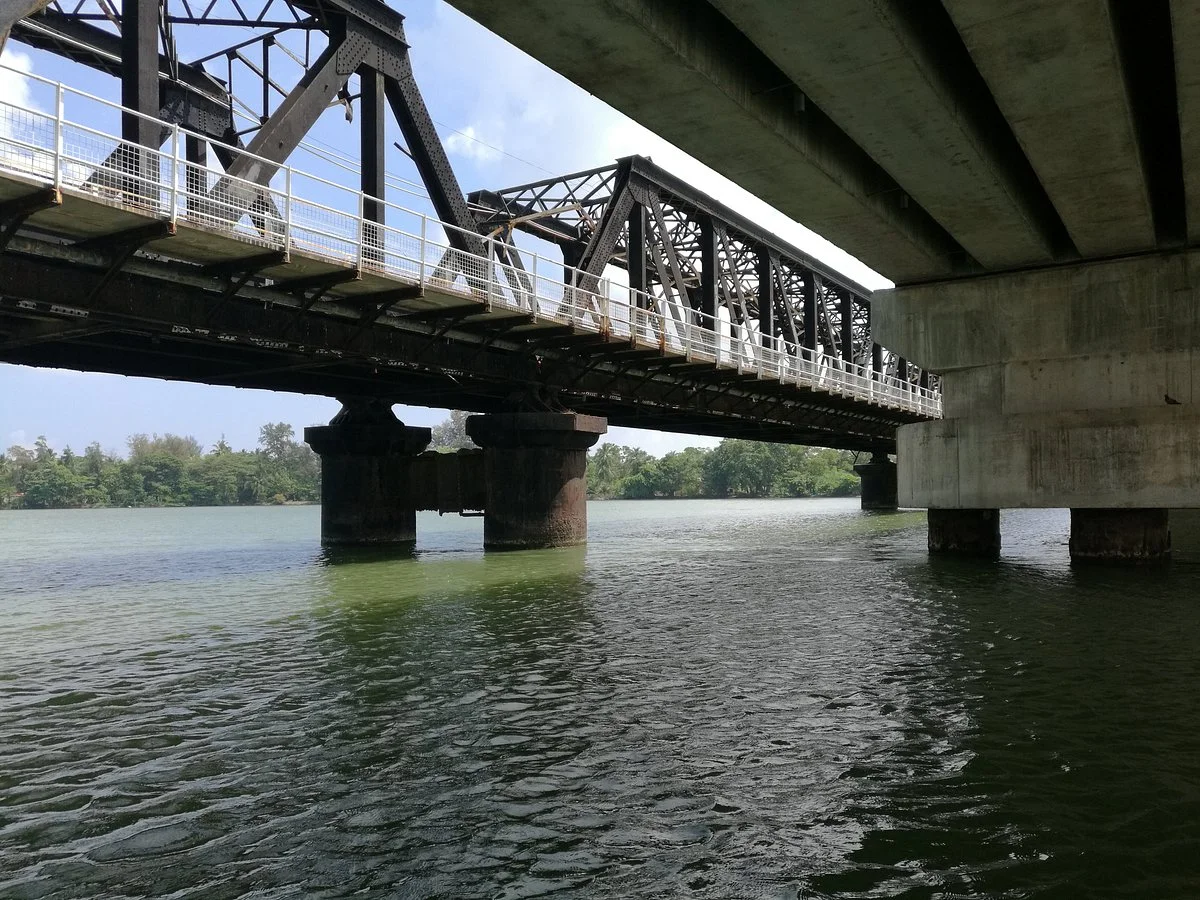
It is on the east coast, 111 kilometres (69 mi) south of Trincomalee, and is situated on an island. Pasikudah is a popular tourist destination situated 35 km (22 mi) northwest with beaches and flat year-round warm-water shallow-lagoons.
= The bus station is in the centre of city, known as "Puluyanthivu" and buses travel from major cities of Sri Lanka to Batticaloa.
Batticaloa is a very compact town, so is easily walkable. Tuk-tuks are available for, but agree on a price before departing. A rule of thumb is LKR 50 per kilometre. Also, Sri Lankan Transport Board buses and private bus/van service are available.
It is the administrative capital of the Batticaloa District. On the east coast, it shares borders with Trincomalee, Ampara and Polonnaruwa. The city and the district suffered due to civil war and natural disasters, such as tsunami, cyclone, and flood.
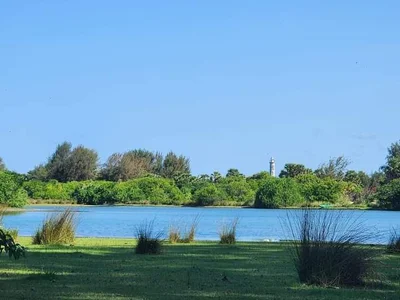
Rice and coconuts are the two staples of the district, and steamers trading round the island call regularly at the port. The lagoon is famous for its "singing fish," supposed to be shell-fish which give forth musical notes.
Hinduism is the major religion of Batticaloa. Batticaloa has historically been a centre of Portuguese Burgher culture, supported in the modern era by the Catholic Burgher Union. In the 1980s, despite Burger emigration to Australia, the Union still numbered some 2,000 speakers of Sri Lankan Portuguese, making them the largest community still speaking the dialect