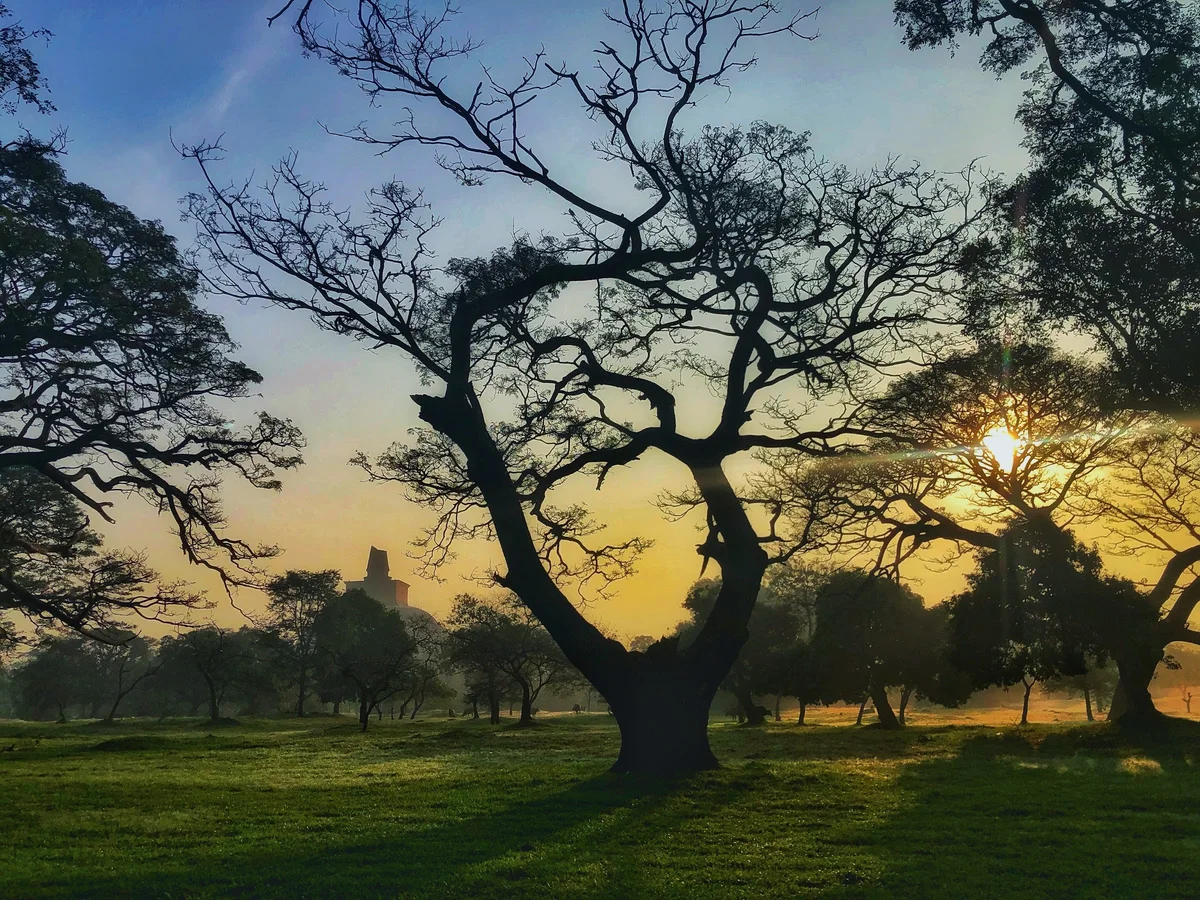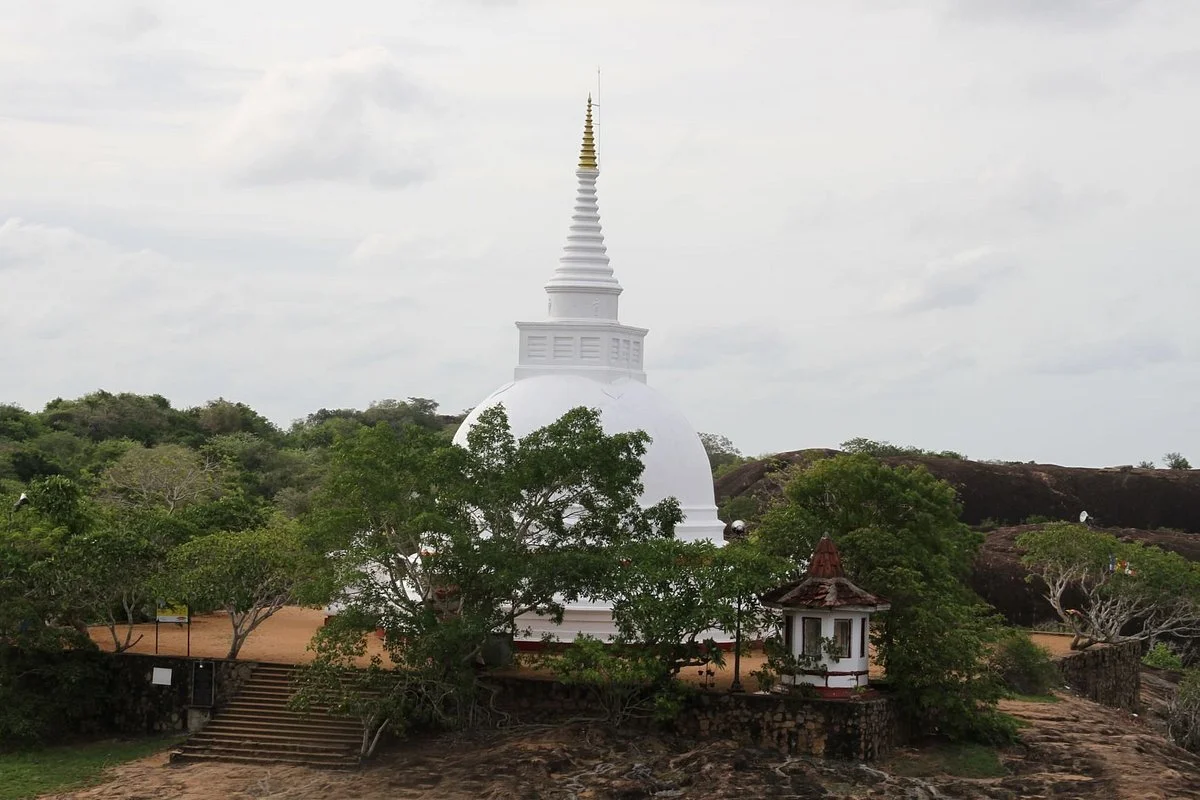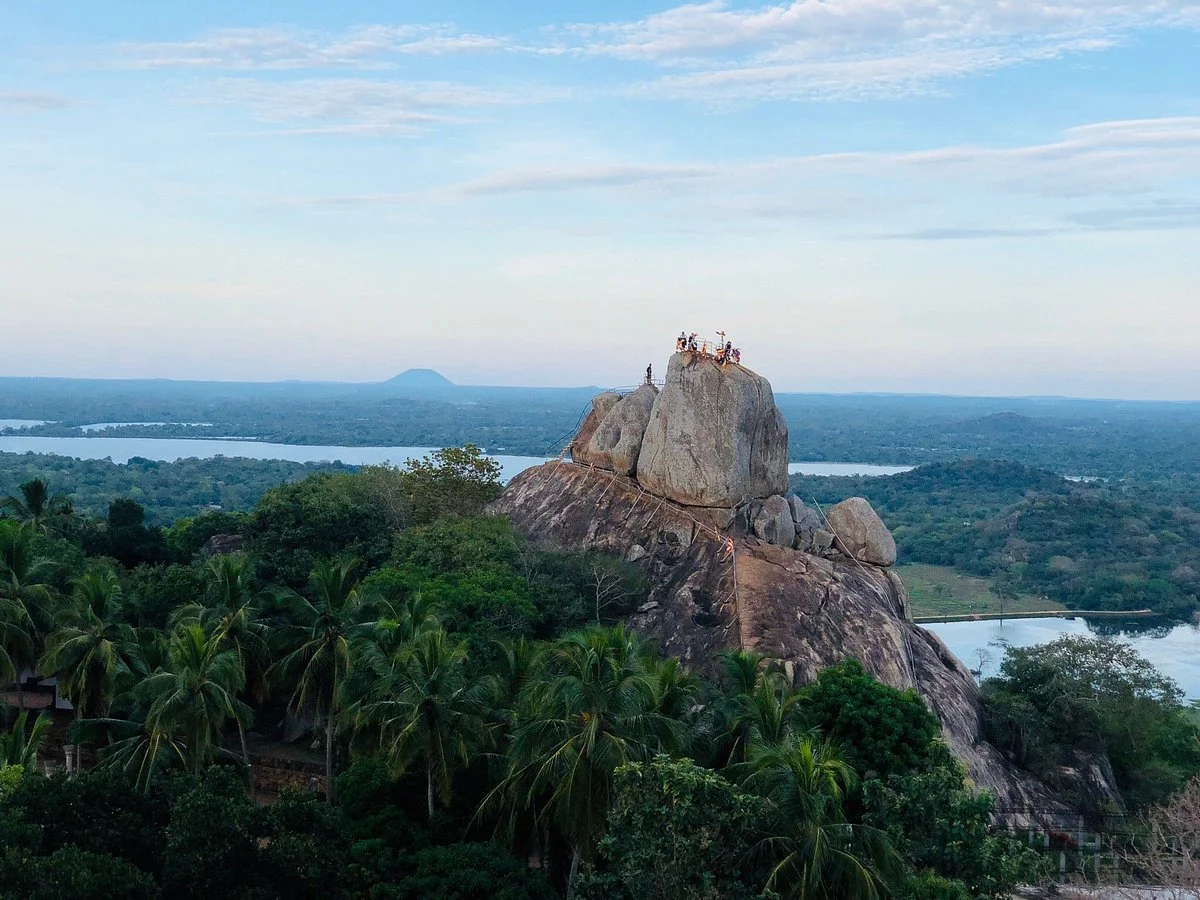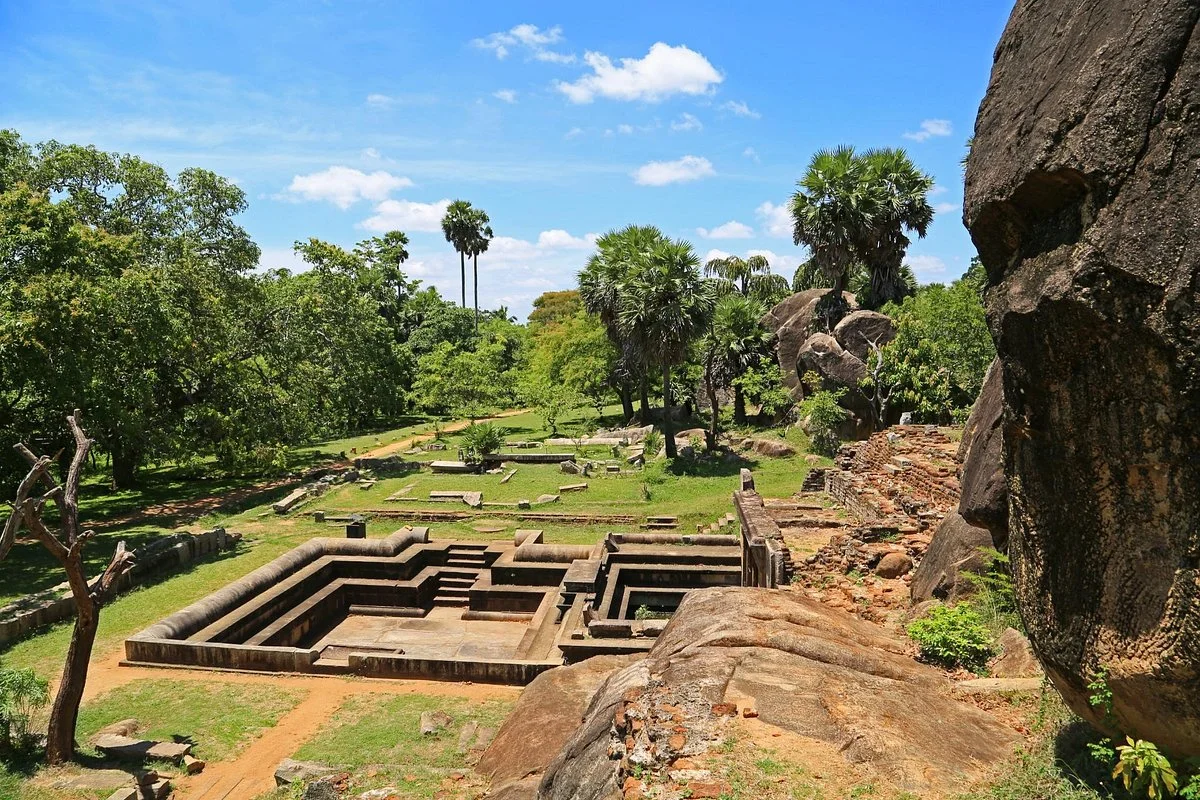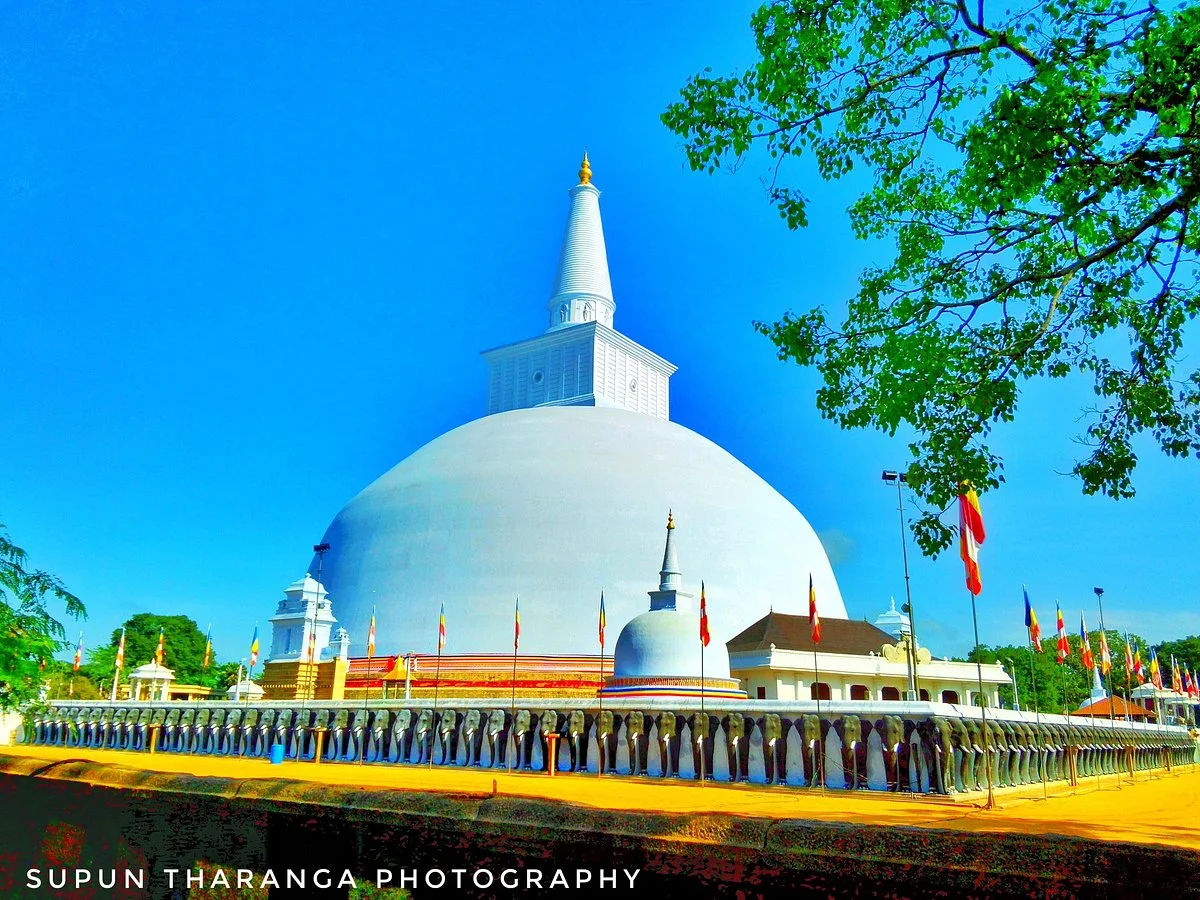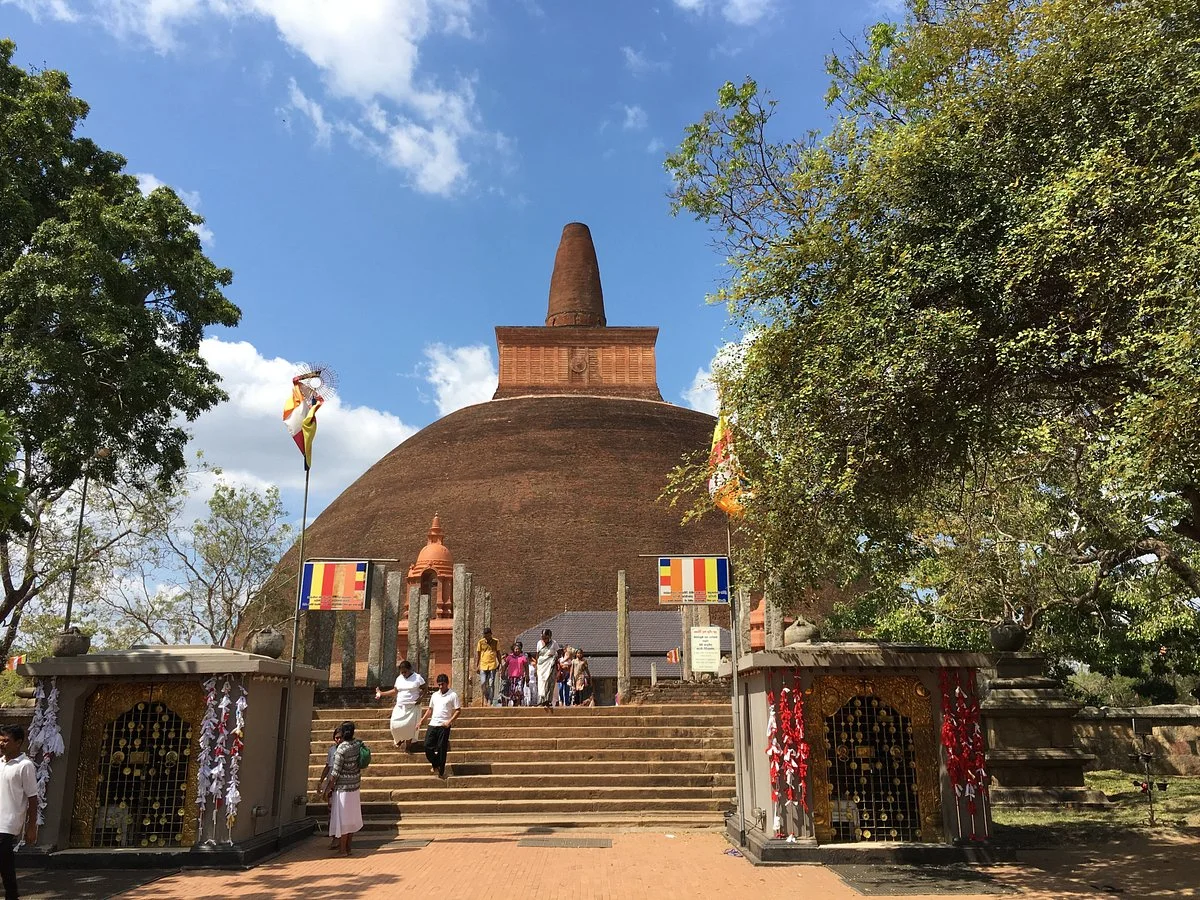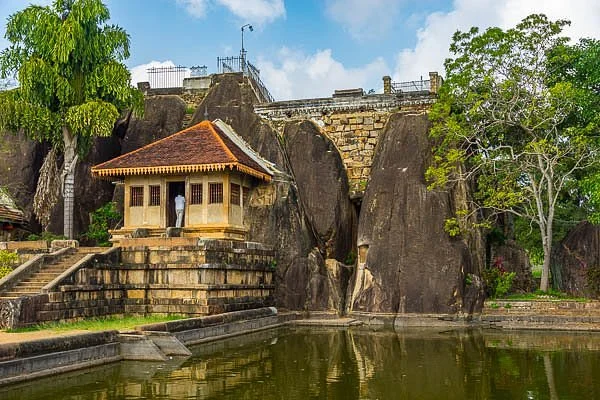
Anuradhapura (Sinhala: අනුරාධපුරය, romanized: Anurādhapuraya; Tamil: அனுராதபுரம், romanized: Aṉurātapuram) is a major city located in the north central plain of Sri Lanka. It is the capital city of North Central Province and the capital of Anuradhapura District. The city lies 205 kilometers (127 mi) north of the current capital of Colombo in the North Central Province, on the banks of the historic Malwathu Oya. The city is now a World Heritage Site famous for its well-preserved ruins of the ancient Sinhalese civilisation.
While Mahāvaṃsa place the founding of the city in 437 BCE, the site has been inhabited for much longer, making it a major human settlement on the island for almost three millennia and one of the oldest continuously occupied cities in Asia. It is the cradle of the Hydraulic Sinhalese civilisation, Theravada Buddhism, and the longest-serving ancient capital of Sri Lanka that has survived for 1500 years. Moreover, It was the first capital of the Sinhala Kingdom of Rajarata, following the kingdoms of Tambapanni and Upatissa Nuwara. Anuradhapura was also the center of Theravada Buddhism for many centuries and has been a major Buddhist pilgrimage site with ruins of many ancient Buddhist temples, including the famous Anuradhapura Maha Viharaya and the Jaya Sri Maha Bodhi, the oldest still-living, documented, planted tree in the world and that is believed to have originally been a branch of the sacred fig tree at Bodh Gaya (Bihar, India), under which the Buddha attained enlightenment. These vast networks of ancient temples and monasteries now cover over 100 square kilometers (40 sq mi) of area of the city today.
The city was mostly destroyed and largely deserted after 993 CE, with the Cholar invasion from South India. Although several attempts were made by later Sinhalese kings to return the capital to Anuradhapura, it was not reestablished as a major population center of the island until the British colonial era in the 19th century CE. The revival of the current city began in earnest in the 1870s. The contemporary city, much of which was moved during the mid-20th century to preserve the site of the ancient capital, is a major road junction of northern Sri Lanka and lies along a railway line. The city is the headquarters of Sri Lanka's archeological survey, and tourism is a significant factor in its economy.
The ancient city of Anuradhapura was first settled ca. 900 BC, and served off and on as the capital of the Sinhalese Kingdom until ca. 1100 AD, when the capital moved further south. The city was quite large in its heyday, and so there is a lot of archaeology to see.
A USD25 ticket covers admission to all the sites of Anuradhapura itself (with a few exceptions like Isurumuniya), and admission is included in the Cultural Triangle ticket (USD50). South Asian nationals receive substantial discounts of USD15 on entrance fees, Therefore, if you have a South Asian passport, make sure to carry it with you on your visits. Tickets can be purchased at the Archaeology Museum or at the entrance. There is not one place which would check the tickets, rather there are random controls on the road when traveling between the sites. Many sites can be also accesed for free.
Most tuk-tuk drivers can get you in without paying the ticket but it is not recommended. Some of them offer to take you in and tour you around for a price lesser than the price of the ticket. However this tour will probably be a scam and include mostly the free sites (not the north side, ie. museums, Abhaygiri Vihara) so always check before what will be included. Decide for yourself between supporting your budget and missing important sites or supporting government and (hopefully) maintenance of historical monuments. In case you want to pay for the ticket, check that the ticket is actually bought. Beware of friendly tuk tuk drivers in the bus stand.
This old town' is quite large, so get a tuk-tuk if you want to cover all the sights in one day (should be 3500-4500 per tour in 2023). Alternatively, some hotels in Anuradhapura can provide you with a bicycle (1000 per day in 2023) or motorcycle (2000 per day in 2023), allowing you to roam around on your own. The old town is open for visiting until 17:00.
Apart from seeing the archaeology of the ancient city, it is possible to explore the area, and to spend time in the Anuradhapura New Town. There are many shops in the New Town, as well as a market, and the interested visitor may wish to patronize some of these.
There are guided city tours offered by bicycle or on foot through AirBnB Experiences
There are many hotels (Sri Lankan English for a small restaurant) in the Anuradhapura New Town, which offer an authentic Sri Lankan meal, at quite a good price. Smaller boutiques offer quick eats, such as pastries and rolls, which are also quite good and cheap. Stores and small markets in the New Town and surrounding area often carry snack food such as chips, chocolate bars and nuts, as well as cold drinks. Some also have fresh baking, and many markets sell fresh fruit. Lunch packets, generally sold between 11:00 and 14:00 are excellent for lunch. Unless you are a fan of spices, ask the staff not to put too many chiles, as authentic Sri Lankan food is very spicy.
The Nuwara Wewa Guesthouse has quite nice, though somewhat westernised meals. Non-guests can eat at the restaurant. There are numerous other similar guest houses, and the Tissa Wewa guesthouse gets good reviews.Also try at Hotel Shalini for tasty rice & curry.
Cargills Food City is a small grocery store which carries many Western products, as well as fresh produce and meat. You can get all the essentials for preparing your own meals here.
The drinking of alcohol in public is not an acceptable practice in Sri Lanka. There are not many bars, and they tend to be somewhat secluded. Westernised guesthouses have a full bar, and Lion and Carlsberg are the most common beers. There are two alcohol shops in the Anuradhapura New Town, where you can purchase arrack, a spirit made from coconut which is popular throughout Sri Lanka, as well as rum, whisky, beer, wine, etc.
Coca-Cola, Pepsi Cola, and Elephant soft drinks are sold at small shops everywhere, and water, juice, and other drinks can also be purchased at these. Do not drink tap water.
Souvenir vendors are abundant at the popular sites within the Anuradhapura old town, as well as at Mihintale. You can go to them to purchase postcards, replica artifacts, carved wooden figurines, earrings, masks and any number of other items. Vendors will also often follow you around, and will sometimes not leave you alone when you say that you are not interested. Some vendors attempt to sell authentic ancient artifacts. It is illegal to remove items older than 100 years old from the country, and you may face up to three years in Sri Lankan prisons if you are caught attempting to do so. Besides this, the looting of archaeological artifacts can lead to the destruction of archaeological sites, the loss of important artifacts, and ultimately, the loss of valuable archaeological knowledge. Please do not support looting by purchasing authentic artifacts. The vendor should confirm that they are replicas, and they should be priced as such.
There are numerous shops in the Anuradhapura New Town. Apart from food markets, there are photo shops, sari shops, and several others. Essentials can be purchased from Cargills Food City or at one of several pharmacies. Zam Zams has a wide assortment of products if you forgot to bring anything.
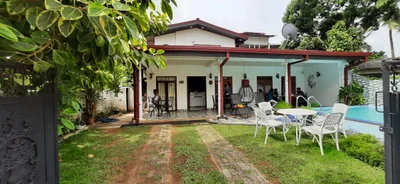
There are numerous guest houses Anuradhapura new town, and many more budget accommodations. Prices at hostels start from Rs 1,500 to 2,000 per person for a night.
If you don't have and idea of where you'll be staying, any tuk-tuk driver will be happy to offer you rooms that he or his brother is renting, usually offering very basic comfort at a reasonable, negotiable price. Usually he'll take you to see the room for free before committing to rent one.
Tuk tuks and buses are abundant. The New Town is relatively small, and can be walked from one end to another in half an hour. The Old Town (archaeological site) is quite large, and you can get around by tuk tuk.
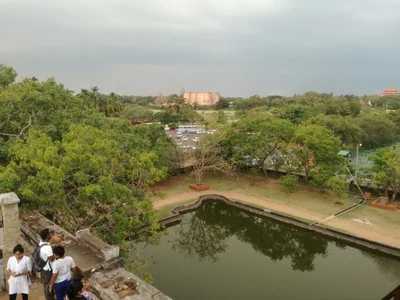
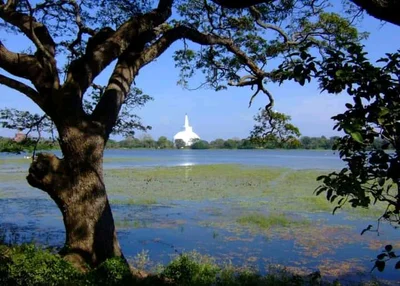
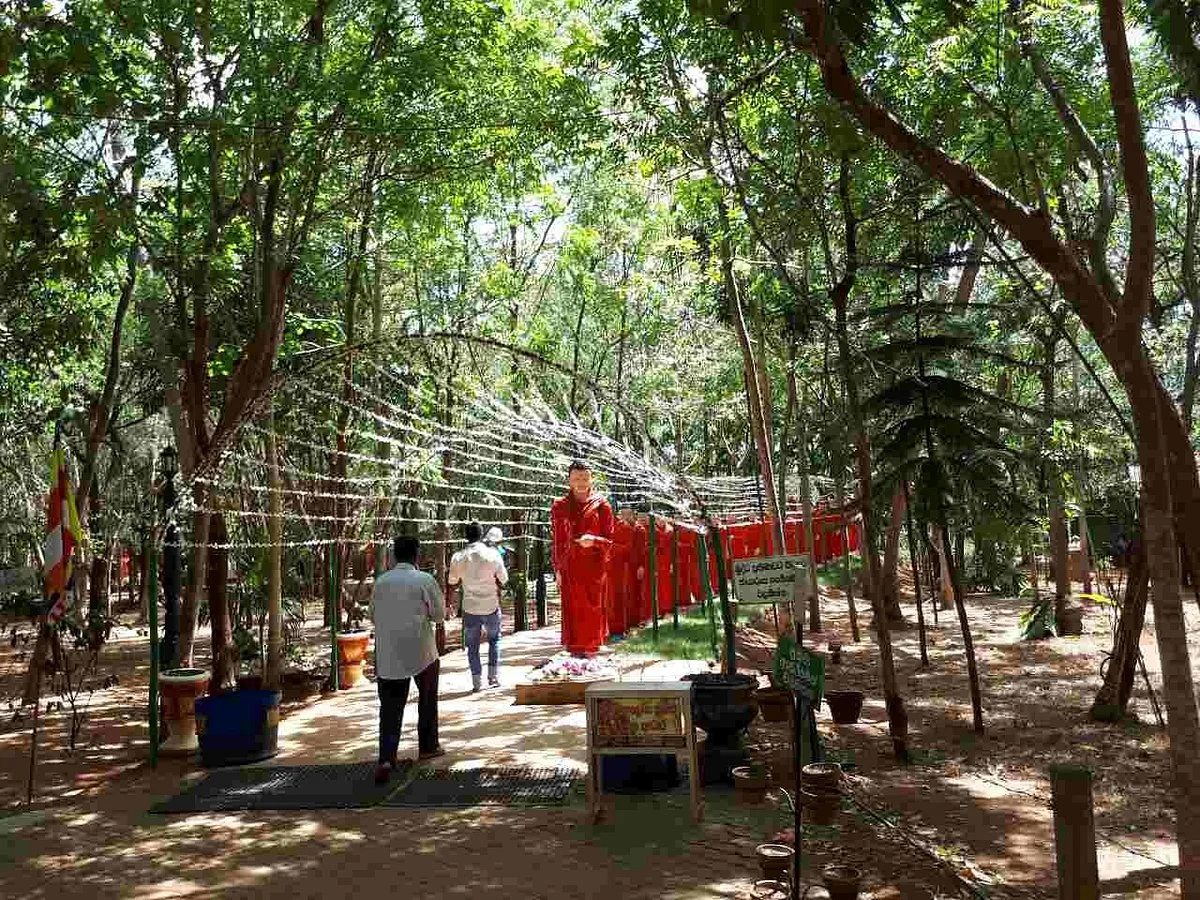
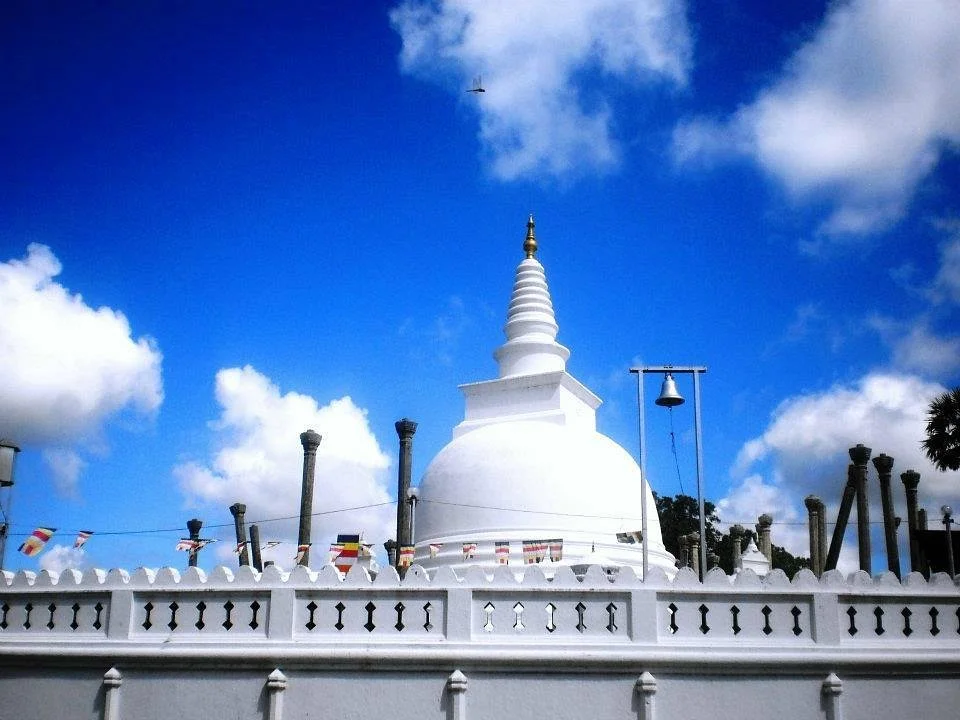
The historic zone, northwest of the town, consists of a good variety of ruins, spread over a large area (like a mini Siem Reap) along with a number of dagobas that are still important pilgrimage sites. The majority of visitors are white-clad Sri Lankan pilgrims, rather than foreign tour groups, hence a less touristy and less harassing atmosphere than at Sigiriya and Polonnaruwa.