Khujand (Tajik: Хуҷанд; Russian: Худжанд; Uzbek: Хўжанд, romanized: Хo'jand; Persian: خجند, romanized: Khojand), sometimes spelled Khodjent and known as Leninabad (Russian: Ленинабад, romanized: Leninabad; Tajik: Ленинобод, romanized: Leninobod; Persian: لنینآباد, romanized: Leninâbâd) from 1936 to 1991, is the second-largest city of Tajikistan and the capital of Tajikistan's northernmost Sughd province.
Khujand is one of the oldest cities in Central Asia, dating back about 2,500 years to the Persian Empire. Situated on the Syr Darya river at the mouth of the Fergana Valley, Khujand was a major city along the ancient Silk Road. After being captured by Alexander the Great in 329 BC, it was renamed Alexandria Eschate and has since been part of various empires in history, including the Umayyad Caliphate (8th century), the Mongol Empire (13th century) and the Russian empire (19th century). Today, the majority of its population are ethnic Tajiks and the city is close to the present borders of both Uzbekistan and Kyrgyzstan.
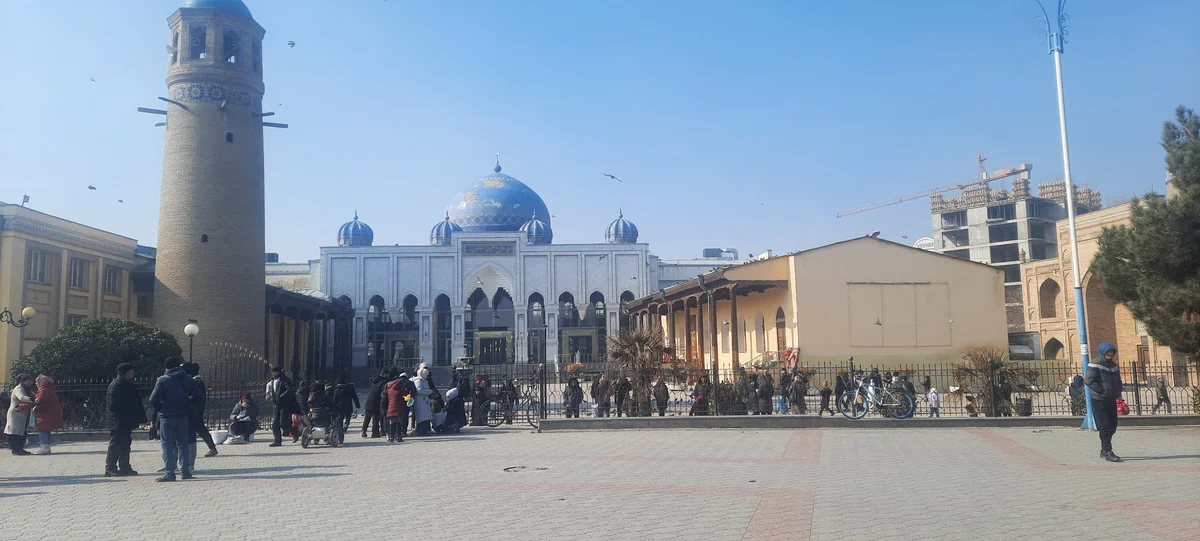
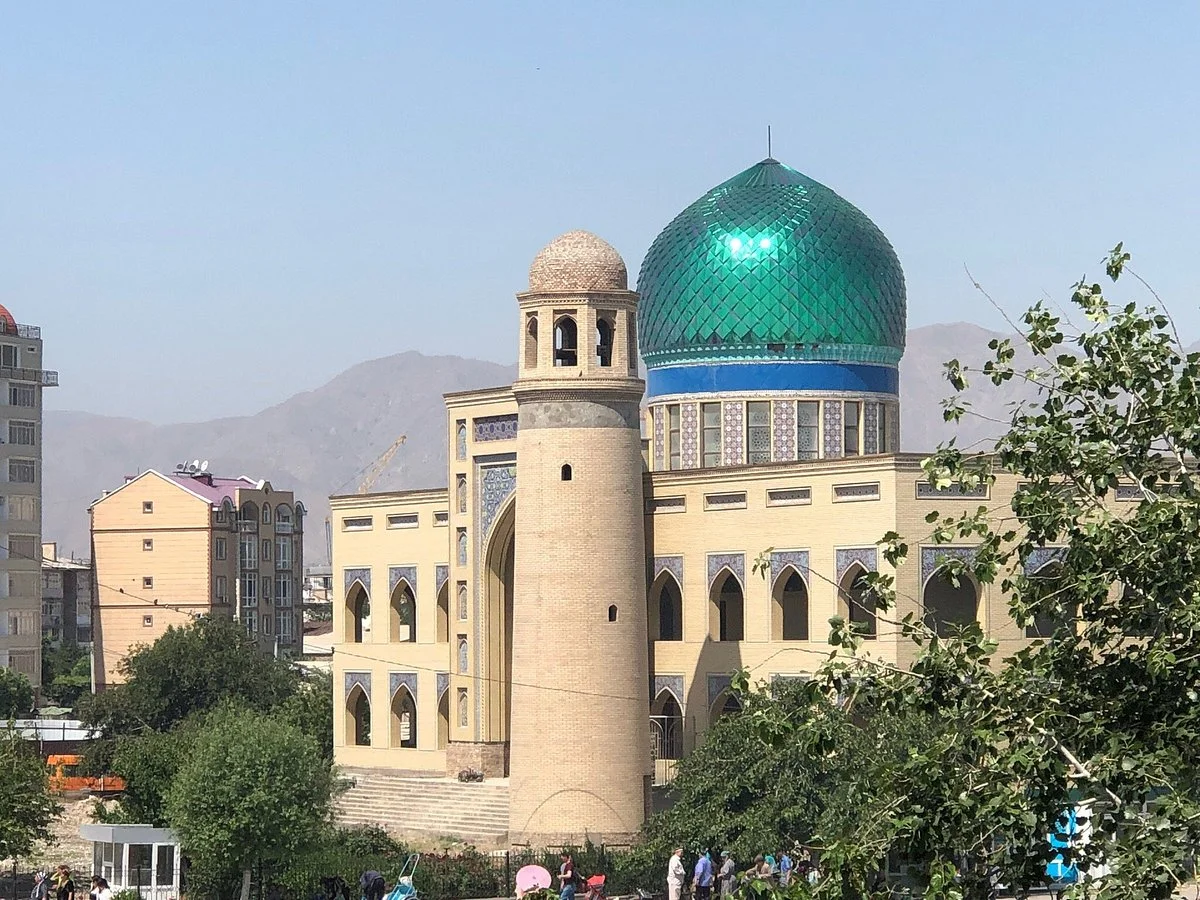
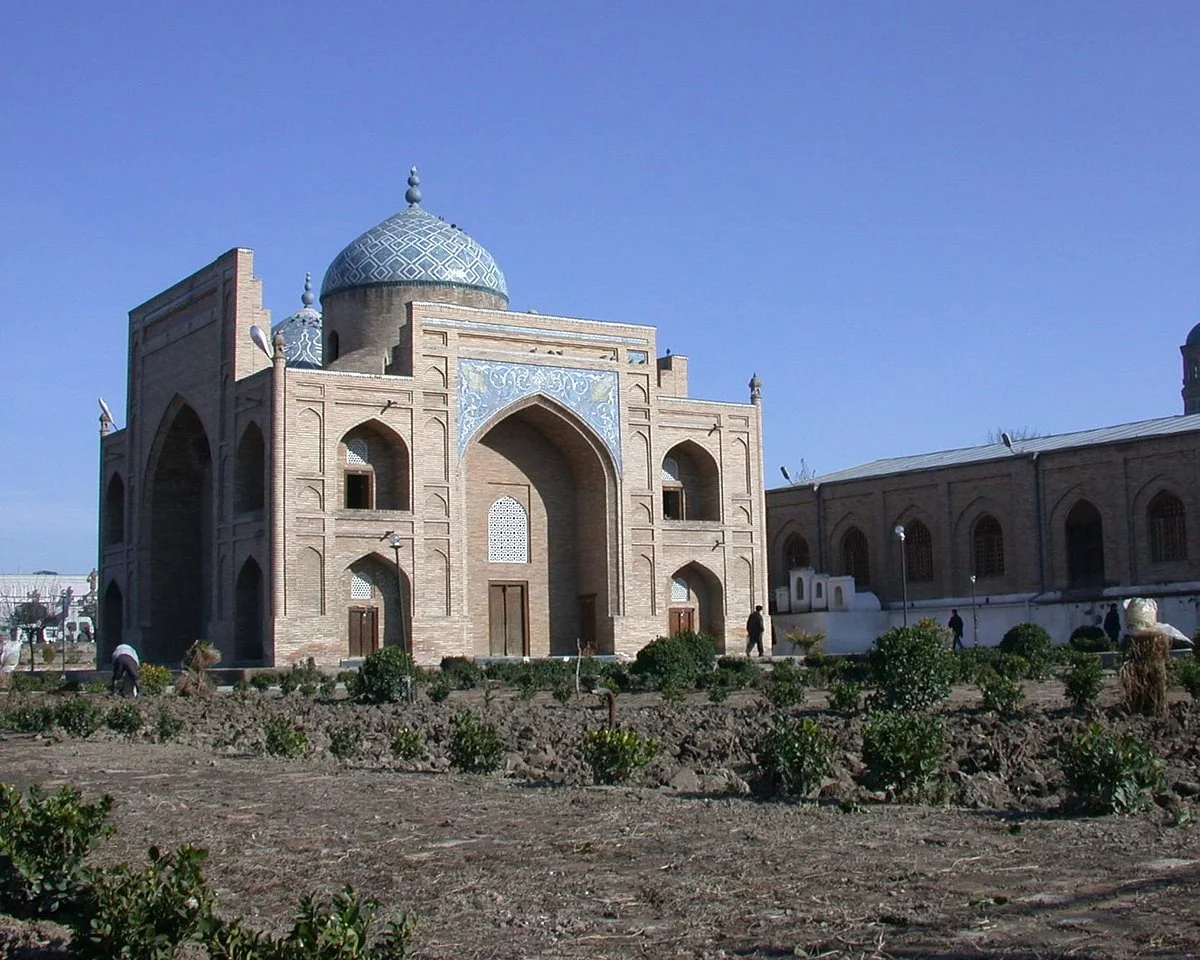
For an almost 3000-year-old city, there are very few historical sites left. Still, Khujand has plenty to offer. Here are some places to see in town: The part of town north of the river is mainly Soviet- and contemporary era residential/commercial, with little interest to the traveler. However, the , one of the city's largest and nicest, is located on the north side. Women are not allowed in the mosque.
There may periodically be river cruises along the Syr Darya that are offered. It is not recommended to swim in the Syr Darya. The currents can be deceptively strong, and the water is polluted. You might see locals fishing in the river though.
Haggle (or try to) with locals in one of the many bazaars.
Most tourists use Khujand as a jumping-off point for trips into the Fann mountains, where there is a lot of hiking and natural attractions.
Locals claim that they have the best food in all of Tajikistan! While you may (or may not) agree, it certainly is worth trying. The Khujandi version of plov is very similar to the Samarkandi style, as opposed to the Dushanbe style found in the southern half of the country. There are numerous small restaurants and cafés throughout the town, as well as street vendors.
There aren't many nightclubs or bars in Khujand, but alcohol stores can be found on most streets. Prices are generally slightly cheaper than in countries like the US or most of Europe, but the quality may reflect that.
Being a former Soviet country, Tajikistan is a good place to find Georgian wines. There are also Tajik-made alcohols, although they are nowhere near as good quality as French wines, Russian vodkas, or Irish whiskeys.
If your Tajik and/or Russian skills are particularly good, it's worth spending the better portion of a day at . Here, you can get a wide variety of local Tajik produce, meats, clothing (imported from China or Turkey), pets/pet products, kitchen supplies, and more.
The and the are the other major shopping centers in Khujand, although they will most likely be of little interest to the traveler, since they primarily sell appliances (Jum'a) and generic clothing (Somon). If, however, you are in urgent need of a new washing machine or pair of shoes, they are great places to get good deals.
region is host to a smattering of stores that range in theme and quality. A large amount of these will be no different than the stores in your hometown, but if you're a shopaholic, it's a good street to walk down and window shop. It is the street that connects Khujandi Park with Panjshanbe, so it can easily be strolled on the way to/from Panjshanbe.
Khujand is a pretty walkable city, although distances may seem shorter on maps than they actually are (the local running club considers a loop that goes from one bridge to the other and back to be 5K). Both of the main bridges across the Syr Darya in the center of town have sidewalks.
Khujand is the second largest city in Tajikistan (191,000 inhabitants in 2019), in the Ferghana Valley on both banks of the Syr Darya river, known in Greek sources as the Jaxartes.
Khujand is an old city (at least 3000 years old). It was probably founded by Alexander the Great in 329 BCE as Alexandria Eschate (Furthest Alexandria), although there are reports of the city predating him. It might also have been the site of the ancient Persian city of Cyropolis, which was a major city in Sogdia whose remains still have not been found. Regardless of who founded it, it was here that Alexander defeated the Sakai horsemen (Scythians), and the southern bank of the river marks the northernmost point that Alexander ever got to.
It sits on the historic Silk Road in a strategic position, at the exit of the valley, where it can tax trade and resist invasions. Khujand was a moderately important trading city on that route for centuries. However, modern Khujand has very few authentic pre-Soviet historical sites. The only acknowledgement of Alexander is in the form of the major local bank chain, "Esxata Bonk" (Эсхата Бонк), and the fortress you see today is a contemporary reconstruction. There are a handful of Sufi sites in and around the city, but essentially all of the city is like any other Soviet-built city. Khujand does make a good base of operations for visiting other nearby historical sites, like Istaravshan and Isfara, and it's a 4-hour drive to Panjakent.