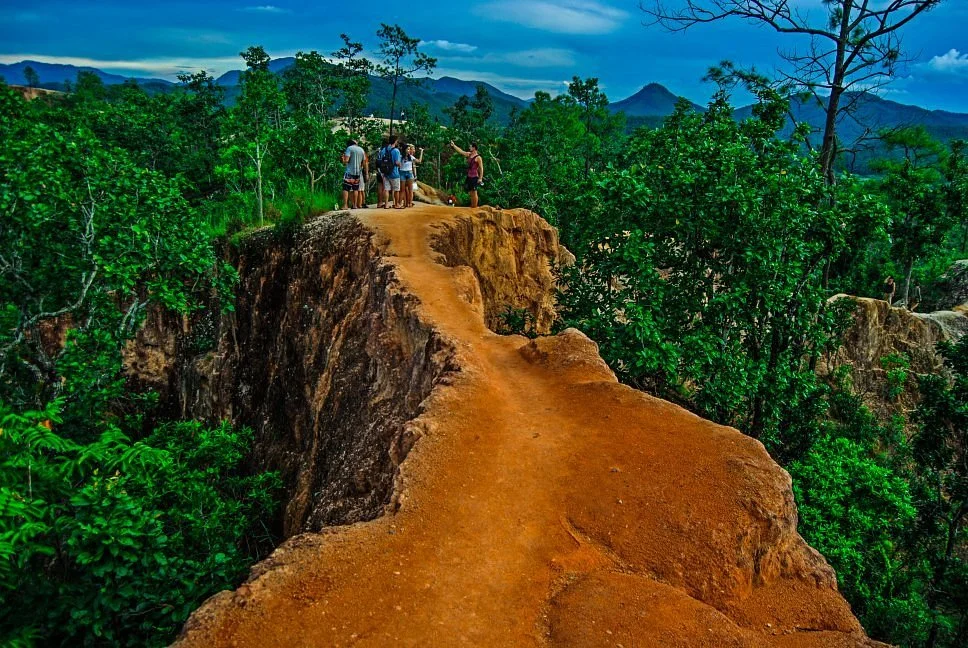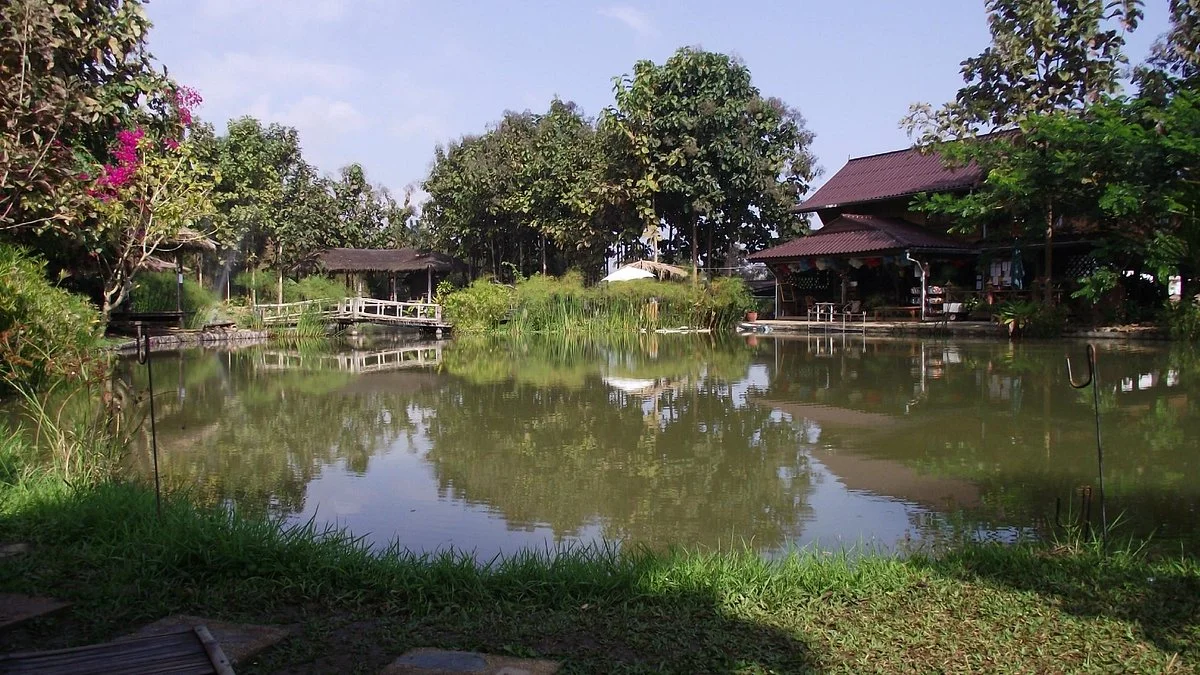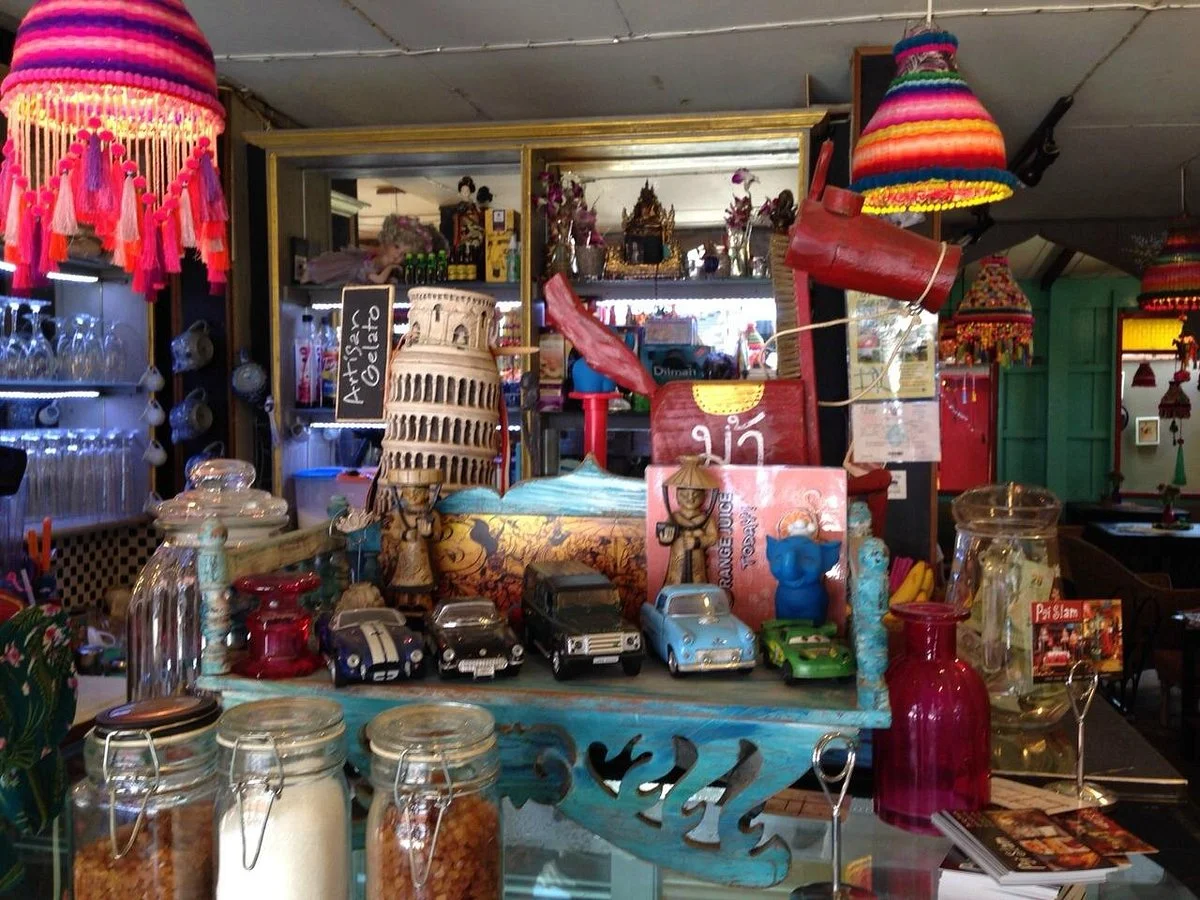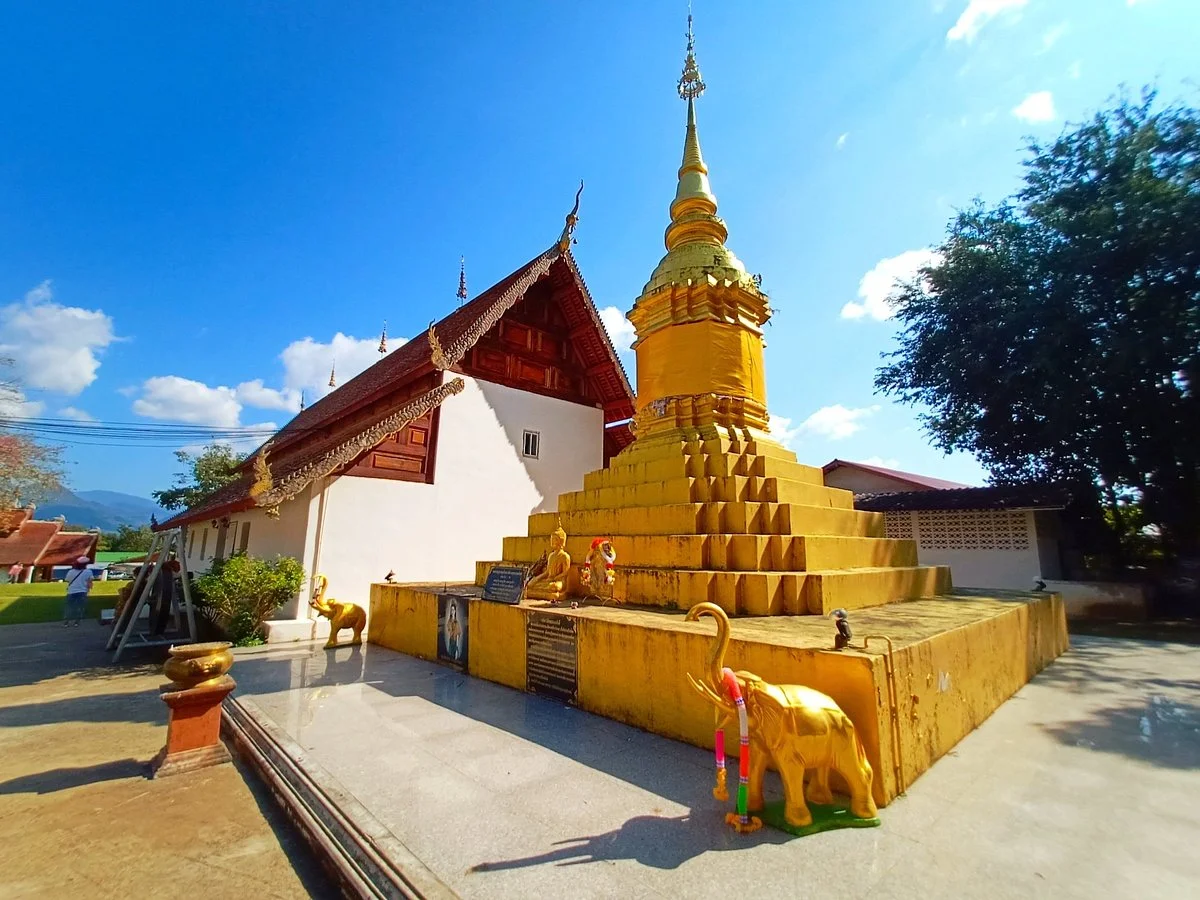
Pai (Thai: ปาย, Burmese: ပါယ်) is a small town in northern Thailand's Mae Hong Son Province, near the Myanmar border, about 146 km (91 mi) northwest of Chiang Mai on the northern route to Mae Hong Son. It lies on the Pai River. The town has thesaban tambon status and covers parts of the tambon Wiang Tai of Pai District. As of 2006, it had a population of 2,284.
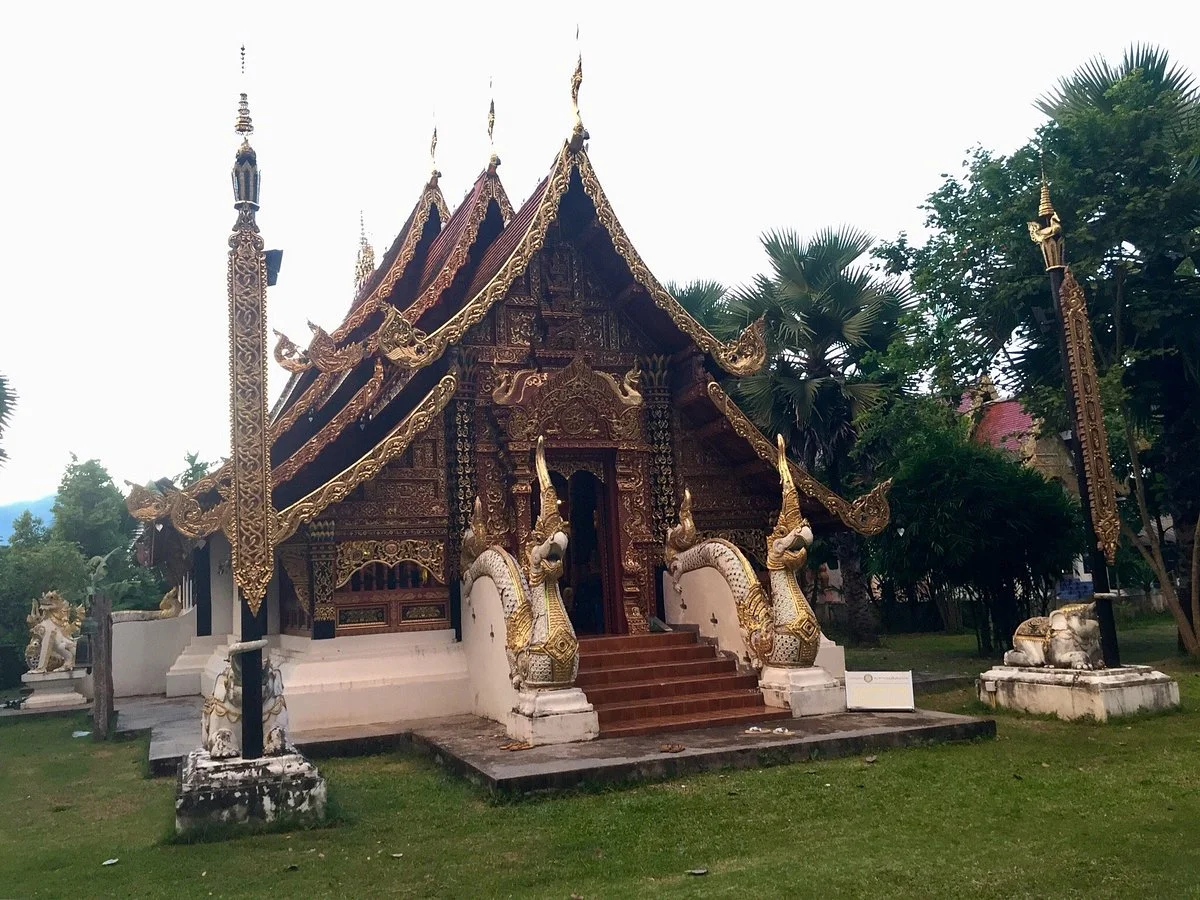
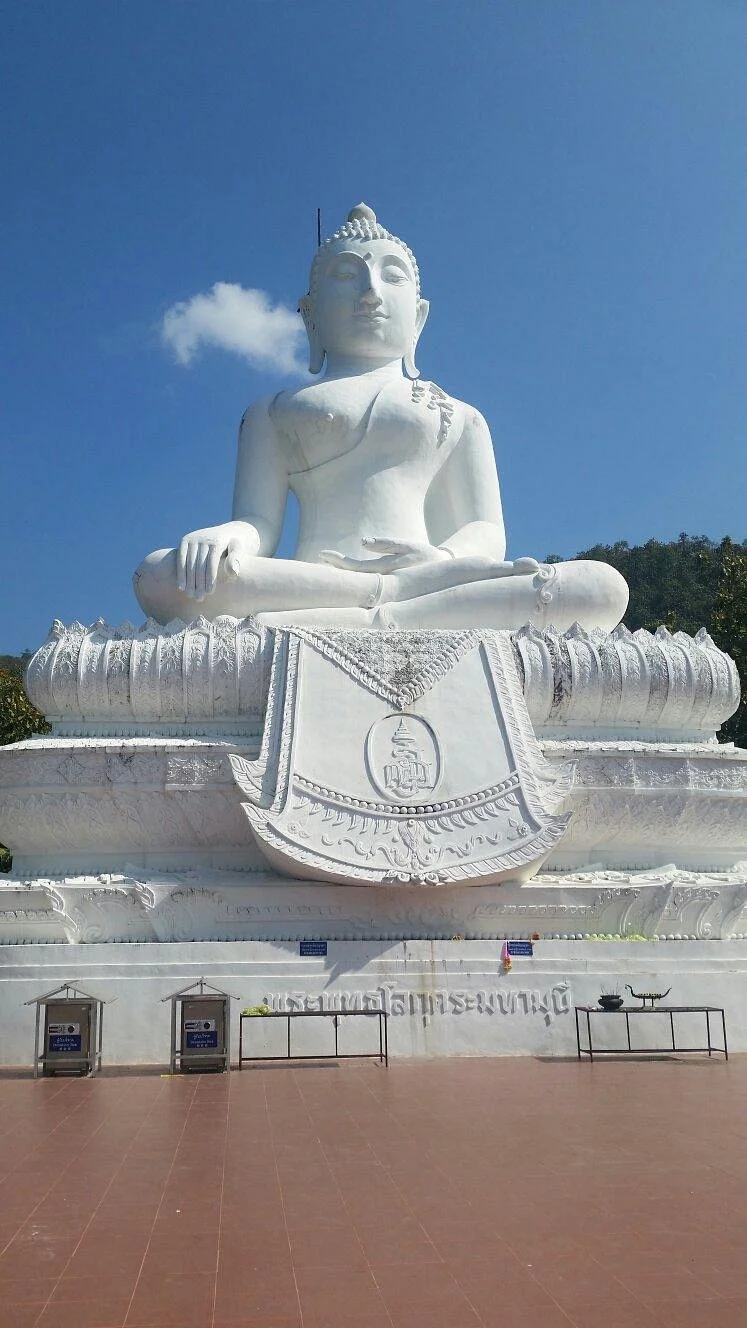
The town itself has no special sights; most people come simply for the relaxed atmosphere. Nearby attractions include hot springs and waterfalls, villages and a hilltop temple.
Renting a bicycle or motorbike and riding around the countryside seems to be the most popular activity. You can easily create an itinerary to include visits to the nearby waterfalls and hill tribe villages. Potential day trips include the Tham Lod Bat Cave 55 km away in Pangmapha, best visited when the bats emerge just before sunset.
Pai is also a major starting point for organized trekking tours which are offered by every guest house and travel agent.
Go off-road through the mountains of Pai on an off-road motorbike tour. Here there are better off-road possibilities and better prices than in Chiang Mai. Ask your guest house where to book.
For such a small town, there are an astonishing number of restaurants, most of them catering for needs and tastes of foreign travellers but also including a wide range of Thai regional cuisine. In the evenings, various stalls open at the main street with different offerings at different days.
There are many bars selling beer and cocktails, especially along the main street that leads to the Chiang Mai bus stop. There's a wide choice of live music, typically involving Thai bands playing their way through reggae classics. There are also many tea and coffee shops, including herbal brews. Late night venues are found clustered on the fringes of town, across the bridge on the eastern fringe and on the road to Chiang Mai on the west
Pai's burgeoning tourist industry has resulted in a range of cutesy hippie-influenced souvenirs sold in shops throughout the village.
Some of the hill tribe members sell handicrafts in the local market, although what's on offer here pales in comparison to the range available in Chiang Mai.
Pai has an abundance of bookshops, some of which carry harder to find titles. Many are along the bus stop road, past aYa Services.
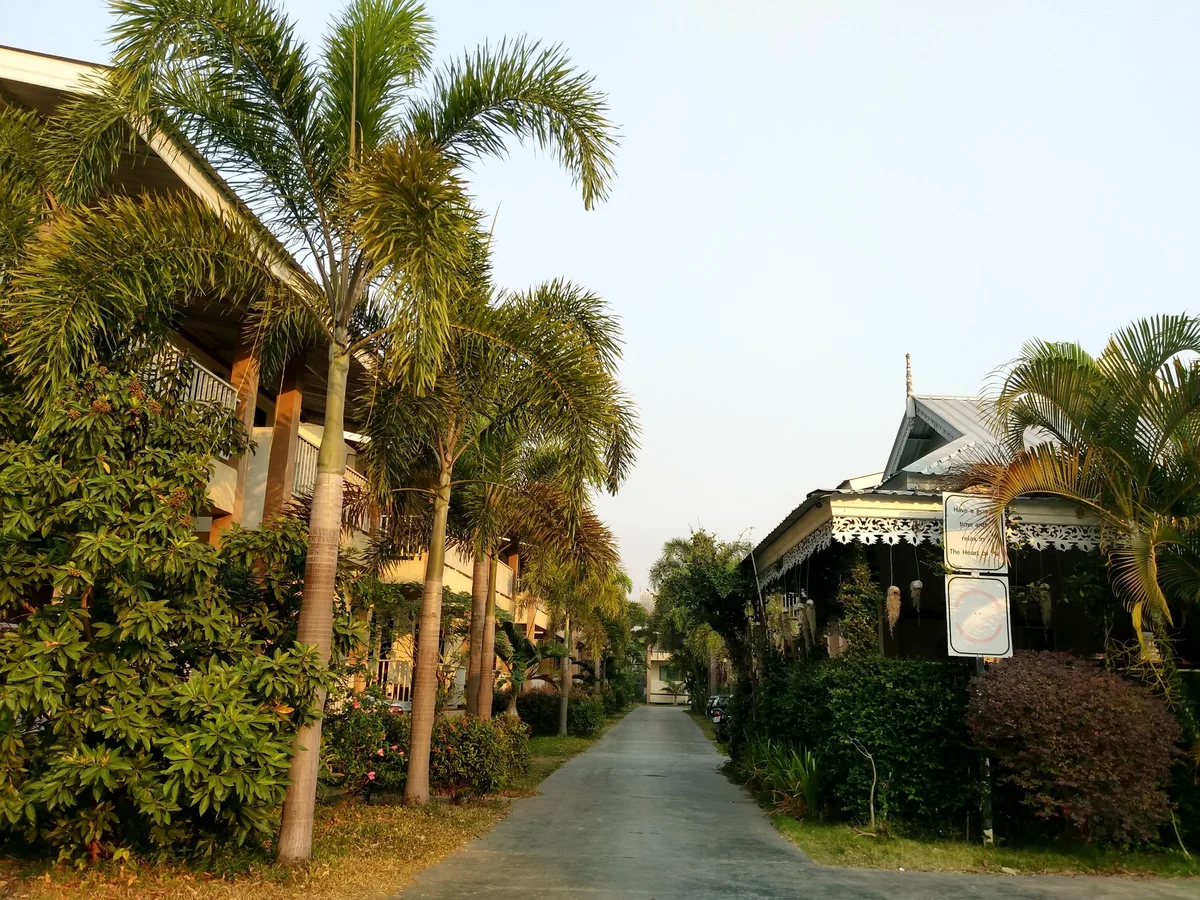
There's an abundance of guest houses in Pai, most of them in the budget range (a bungalow goes for around 150-500 baht depending on amenities included and the season). Mid-range options are available and there are now even luxury hotels.
At the bus station there is a map of Pai. Get this as it will show you the location of most of the guest houses (100 places). There is also a discount for motorbike rental.
If your accommodation is far away from the two main streets of bars, be careful if walking alone of the packs of dogs that roam the empty streets at night. They do get territorial and intimidating, so if you come across them then remember to keep a safe distance away and make noise to scare them away.
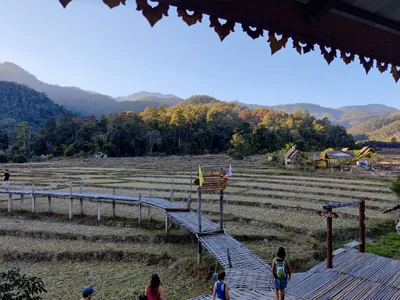
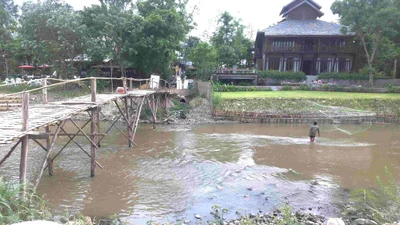
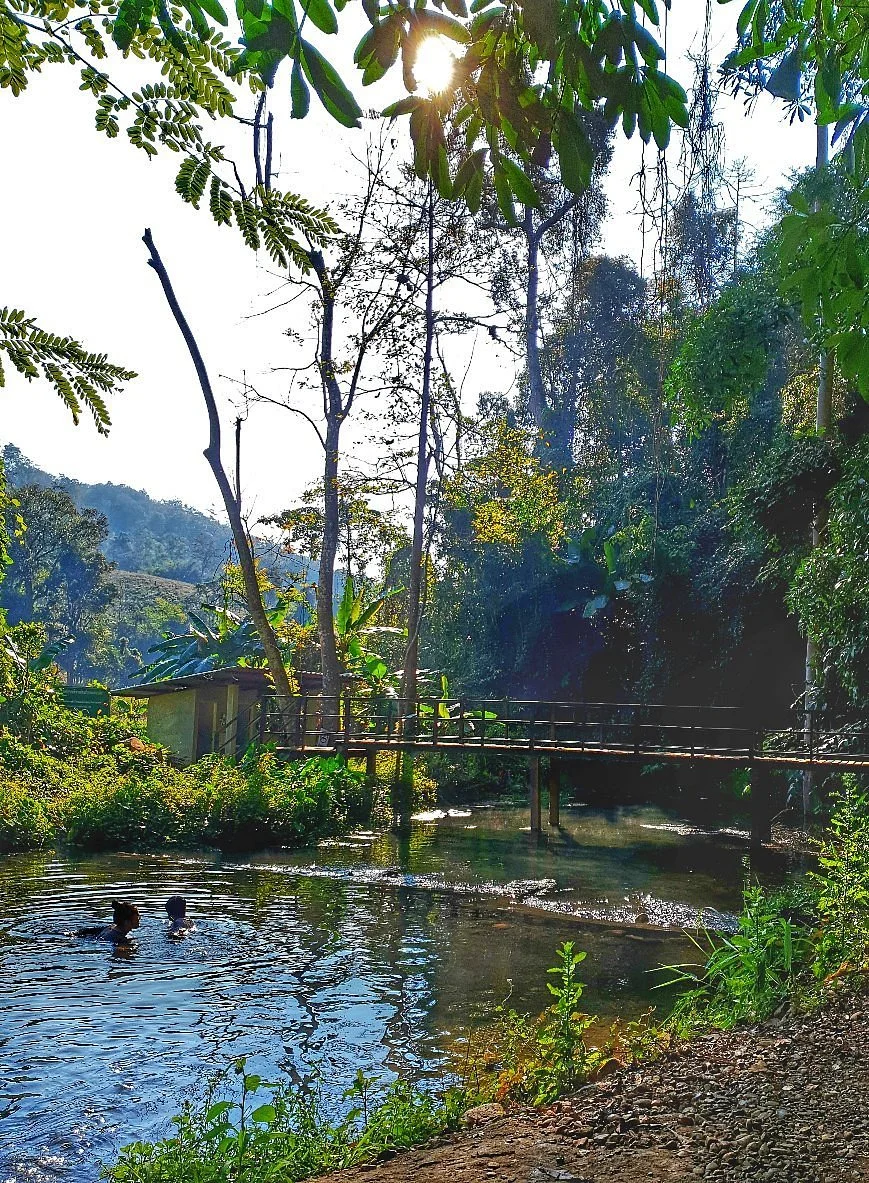
For accommodation with lots of character try out a bamboo hut on the river. Head east from the bus station and either take the first left or continue straight. Either way you'll reach a bamboo bridge. Across the bridge you'll find plenty of cheap accommodation (about 200-400 baht per night).
Pai town centre is compact and best explored on foot. But the greater Pai area is sprawling. For exploring further afield, bicycles (40-100 baht/day) and motorbikes (from as little as 100 baht/day) can be rented from many agents along the main street. As the roads around Pai are steep and obtaining a decent mountain bike with fully functioning gears is surprisingly difficult, a motorbike is definitely the better option if you can ride one. aYa Service in the town centre rents motorbikes for 100 baht and a 100 baht helmet deposit, plus 40 baht for damage insurance, 40 baht for theft insurance (passport taken as deposit). You'll want a motorbike if you're planning on staying in some of the outlying bungalows in the valley around the town.
Motorbike and 4WD taxis are also readily available.
Suggestions in guidebooks that Chinese Village (Ban Santichon, 50 minutes walk) and Lisu Village (Ban Sai Ngam, 4 hours walk) might be reached on foot are optimistic.
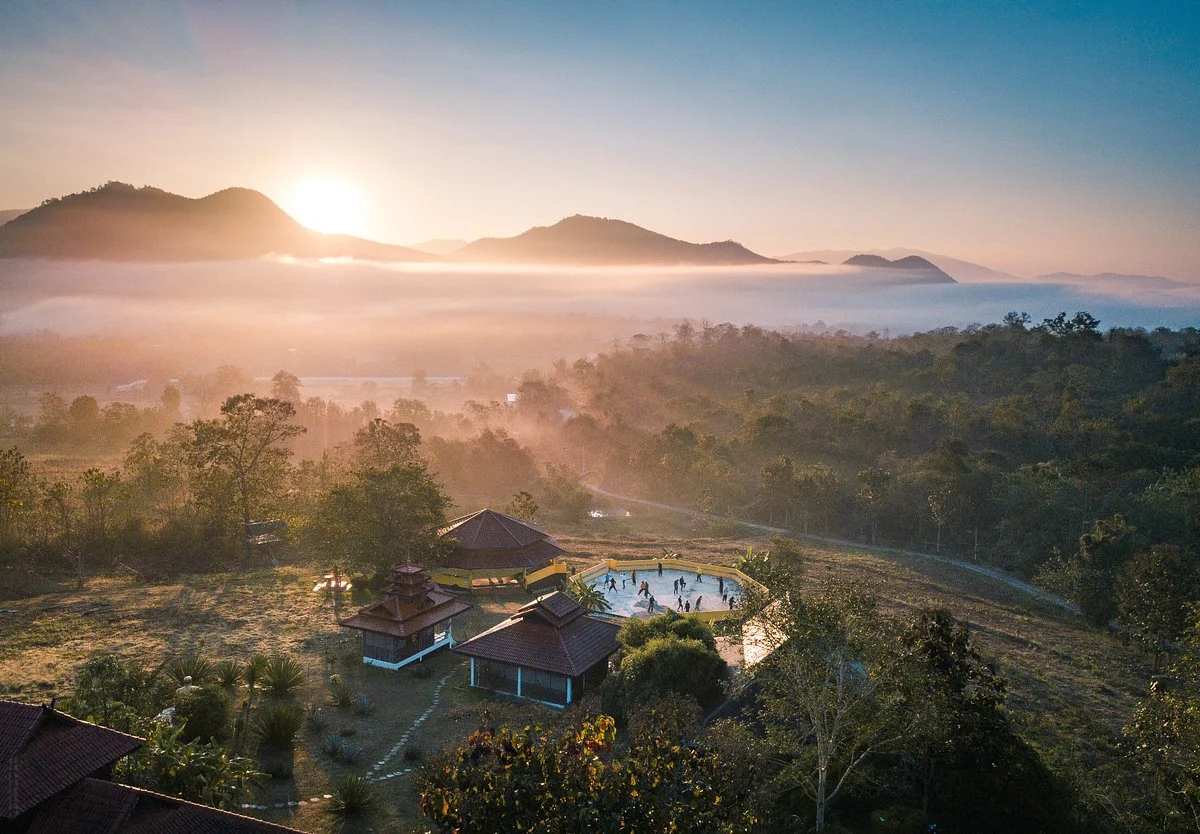
Set in a large picturesque valley north of Chiang Mai, Pai is tourism-oriented, offering a relaxed atmosphere with a vibrant tourist and backpacker scene. The town's permanent residents are a seemingly harmonious mix of common Thai folk, a significant minority of whom follow the Islamic religion, with an admixture of Western hippies, Thai rastas and in the cool season, affluent Thais from Bangkok thrown in, which gives the place a unique vibe which may be appealing to some and off-putting to others. Pai is now sometimes referred to as the "Khao San Road of the North".
A sudden boom in guest house and bar construction from 2006 onwards has resulted in a great deal of spare capacity in the off-season. There has been a large increase in Thai people visiting after Pai was featured in a romantic Thai film, Pai in Love. It can be hard to find a room during the busy season (Oct-Feb). There are now around 350 guesthouses and hotels in Pai, and the city centre has transformed into a tourist warren of Western-style restaurants, souvenir shops, live music venues, tattoo parlours, and bars that cater largely to the now significant influx of tourists and package tours. Since the early 2010s, there has been a large influx of mainland Chinese tourists and they now sometimes outnumber the western backpackers in Pai. The legalisation of cannabis in 2022 has led to a profusion of shops selling weed and the pungent smell of marijuana pervades the main walking street.
While the growth of Pai has been rapid and more or less every farm in the valley seems to rent bungalows, development so far has been largely tasteful and the town remains relatively serene during low season. That said, be prepared for large crowds of tourists and even traffic jams during the higher seasons.