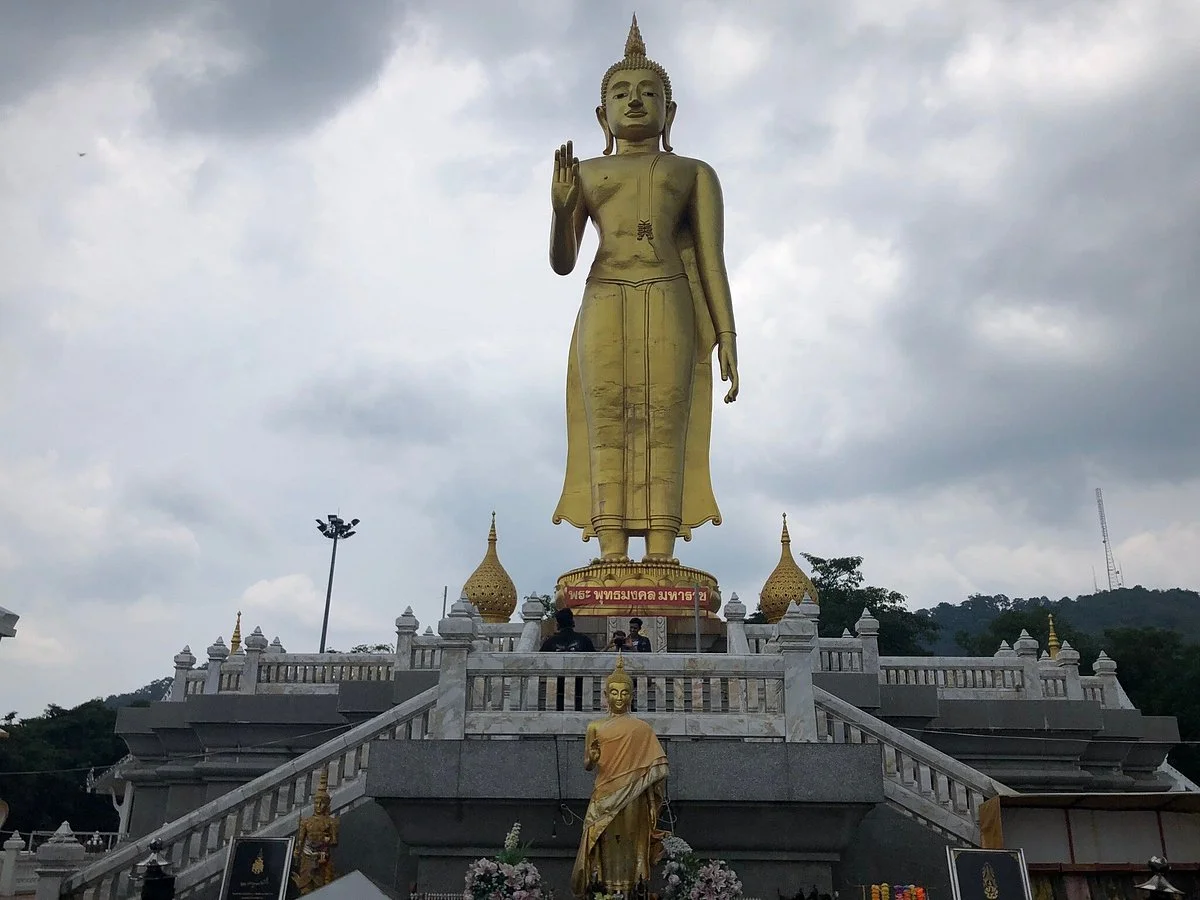
Hat Yai (Thai: หาดใหญ่, pronounced [hàːt jàj], also Haad Yai or Had Yai) is a city in southern Thailand near the Malaysian border and the fifth largest city in Thailand. It is 946 km (588 mi) south of Bangkok, has a population of 156,802 (2019) in the city municipality (thesaban nakhon / city proper) itself and an urban population of 404,044 (2021) in the entire district of Amphoe Hat Yai.Hat Yai is the largest city of Songkhla province and is part of the Greater Hat Yai-Songkhla Metropolitan Area (a conurbation with a population of about 800,000), forming the largest metropolitan area in the south, and the fourth largest metropolitan area of the country.
The city is often mistaken for being the provincial capital.
In fact, Songkhla is the capital and the center of administration and culture while Hat Yai is the business center.
Although not in the same league as Bangkok, there are a lot of different food options on offer in Hat Yai. Typical Thai street food is abundant. Big international chain restaurants have branches in town offering Japanese and Western food.
Restaurant chains are located mostly in shopping malls. International restaurant chains such as KFC, McDonald's, Sizzler, Pizza Hut, Dunkin' Donuts, Mister Donut, Swensen's, Dairy Queen, Starbucks. Local restaurant chains such as MK Restaurant (Thai-style sukiyaki), S&P, Black Canyon Coffee, Chester's Grill, The Pizza Company, Fuji Restaurant, Shabushi , Oishi Ramen. Food courts are also available in most of the shopping malls.
Owing to the ethnic diversity, you can find Thai, Chinese, and Malay (Muslim) food available throughout the city. Most restaurants offer a variety of Thai, Chinese and/or Western fusion cuisine.
Ethnic Chinese from Malaysia and Singapore make up the bulk of Hat Yai's tourists so many restaurants and hotels cater primarily to them. Just opposite Lee Gardens (next to the Regency Hotel) you will see a restaurant which spit-roasts suckling pigs every day. Large, open-air seafood restaurants are also popular with Chinese visitors and the quality of seafood available in Hat Yai is good. Some Chinese are vegetarians and the town has a good selection of small vegetarian restaurants that offer tofu and soy meat substitutes.
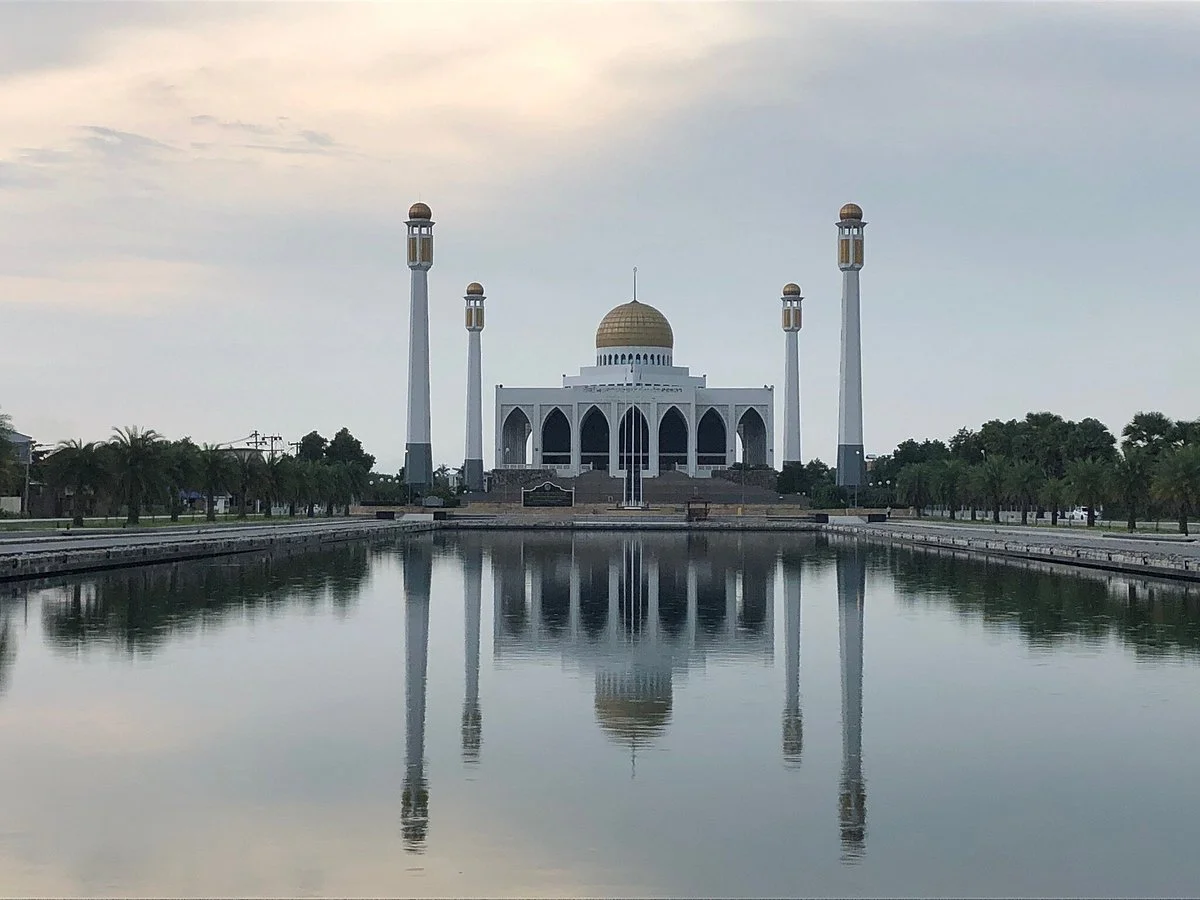
There is a large resident Muslim population and some visitors from Malaysia are also Muslim so finding halal food isn't a problem.
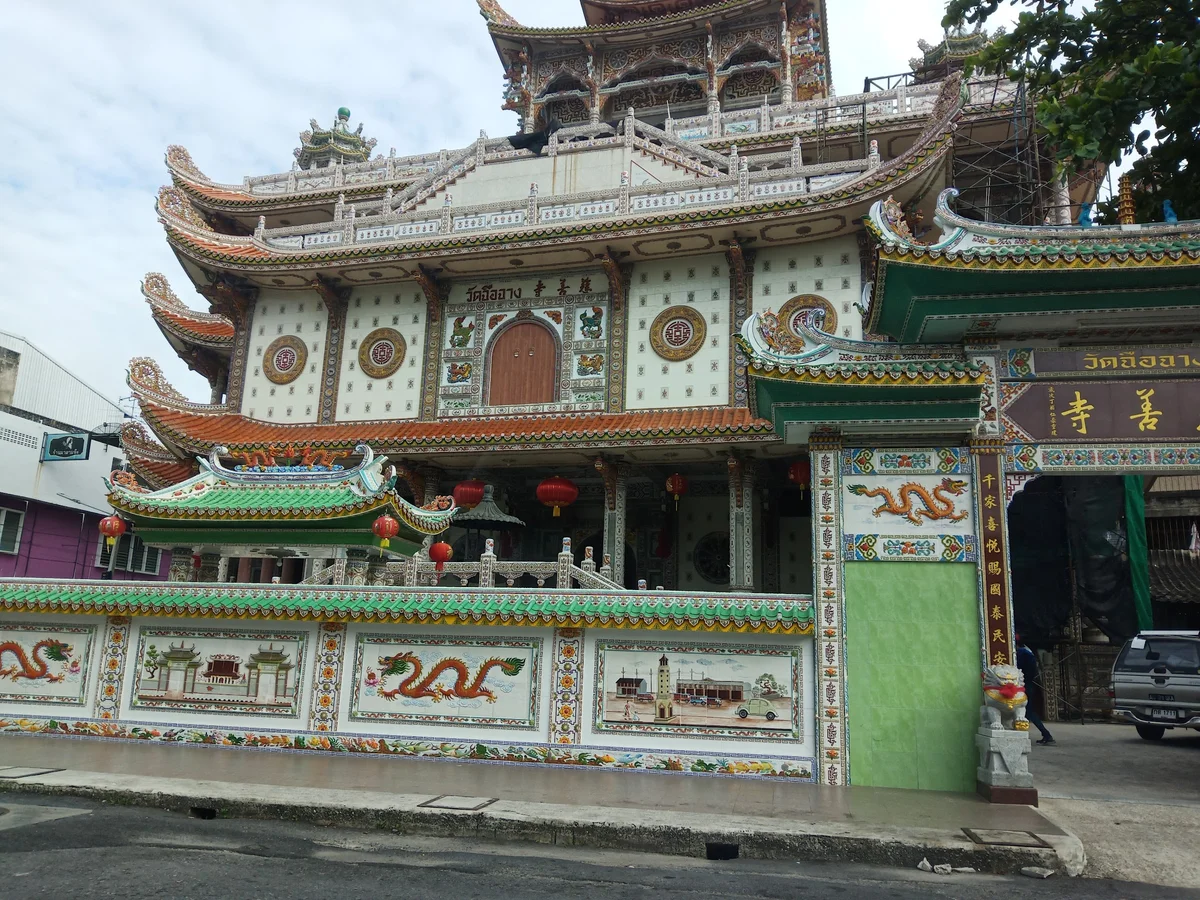
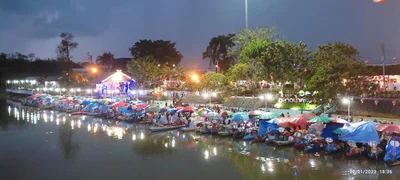
Food hawkers can be found all over the city. Some stay open until very late at night. Grabbing a bite in late night is not uncommon. A spot for a variety of night hawkers is at Suphasarnrangsan Rd around Wat Cheu Chang near Kim Yong Market. Other places are such as at Tanrattanakorn Rd called Talad Mai (ตลาดใหม่) and at Thung Sao 1 Rd. There are also a number of small roadside places to eat on Nipha Phakdi alley behind the Florida hotel.
A typical meal for one can start at as low as 50 baht for street food, 80 baht in general restaurants, and 120 baht in more upscale restaurants.
There are many Thai banks around the city, as well as Chinese money changers. Exchange rates from the latter for Malaysian ringgits may be significantly better than in the banks.
ATMs are abundant in Hat Yai, although most of them, as everywhere in Thailand, charge a 220-baht fee for foreign card transactions. Western Union can be found at Central Department Store's underground floor and on the 3rd fl. of CentralFestival.
Minimarts such as 7-Eleven are ubiquitous and open 24 hours. Good for a quick meal, stocking up food and personal items. Or head to Tops Market for more high-end groceries at Robinson Department Store, Central Department Store, or CentralFestival.
A variety of English-language books (travel guides, fiction, children's, cookery, Thailand interest) can be purchased at Asia Books shop inside the B2S on the second floor of CentralFestival.
Travel agents around town can nearly always give better rates for hotel rooms compared to dealing directly with the hotel. Hat Yai has an abundance of accommodation. Tourism in Hat Yai consists mainly of the weekend trade from Malaysia and Singapore. Accommodation can be found very easily mid-week but hotels in the centre of town tend to get booked up for the weekends and Malaysian and Singaporean public holidays. In the budget hotel you may well be asked if you want company. A shake of the head is all that is needed (up or down or from side-to-side is up to you). Don't be put off by the hotel because of it.
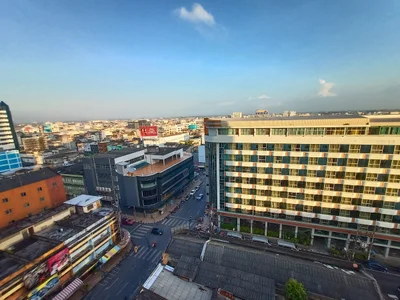
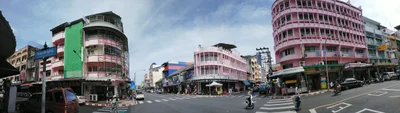
The city centre itself is quite compact and covers three parallel roads: Nipatuthit (นิพัทธ์อุทิศ) 1, 2 and 3 Rd, colloquially called Soi Nueng (ซอยหนี่ง, lit. "road one"), Soi Song (ซอยสอง, lit. "road two") and Soi Saam (ซอยสาม, lit. "road three"). It is practical to get around on foot, but getting to most attractions will require some kind of transportation.
Hat Yai used to be a small village known as Khok Sa-Met Choon. Its population has been growing since the railway station was built in 1924, which made it an important rail junction between southern Thailand and Malaysia.
Today, Hat Yai is the biggest city in southern Thailand. The population is around 157,000 in the city in 2019, and over 400,000 in the whole Hat Yai District. Hat Yai is bigger than the provincial capital of Mueang Songkhla, which is unusual for a Thai province. This means that Hat Yai is often mistaken as the capital of Songkhla province. It is 60 km from the Thailand-Malaysia border at Dannok and Padang Besar in Sadao district. Hat Yai has become a centre for business, education, transportation, tourism, and shopping in south Thailand due to the well-established connections by road, rail, and air. The city has been a melange of Thais, Chinese, and Malays for generations. Trade, manufacturing, and tourism contribute much to the city's economic prosperity.
The Southern Thai dialect is prominent, although Central Thai is used in offices and schools. Many older Thai-Chinese can speak a Chinese dialect called Teochew, while the Pattani Malay dialect, which is similar to the dialect of Malay spoken in Kelantan, is spoken by many of the ethnic Malays. English is spoken by some younger people.