Paris spreads along the Seine, with major museums, neighbourhood markets, gardens and café streets connected by an extensive public transport network. Plan around a few neighbouring districts each day rather than crossing the city repeatedly between famous sights.
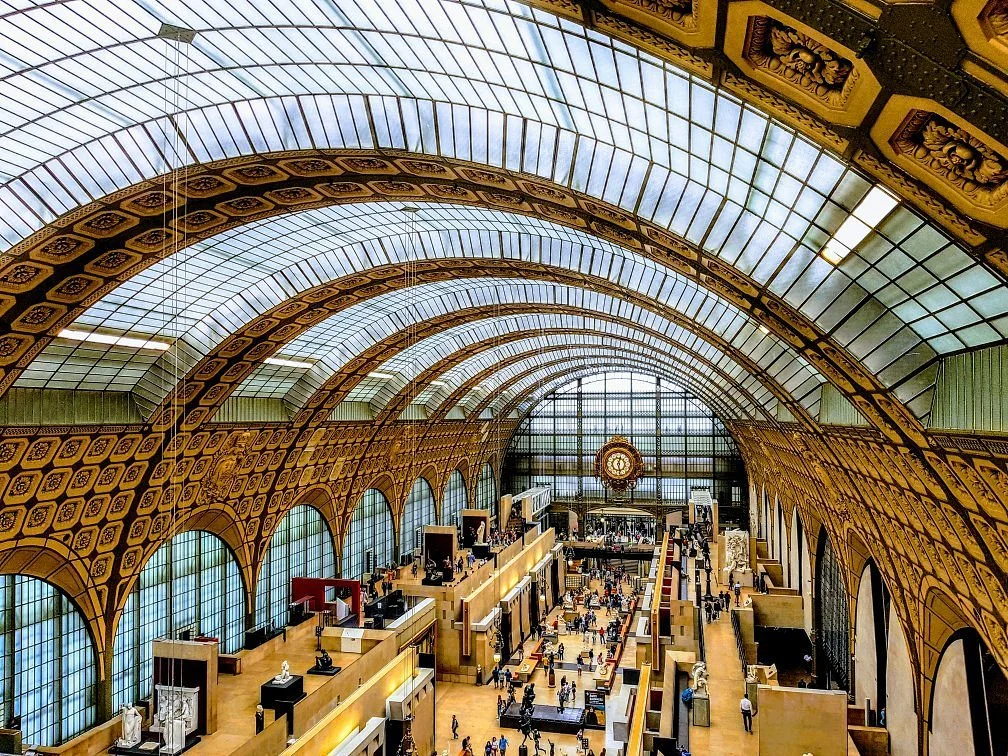
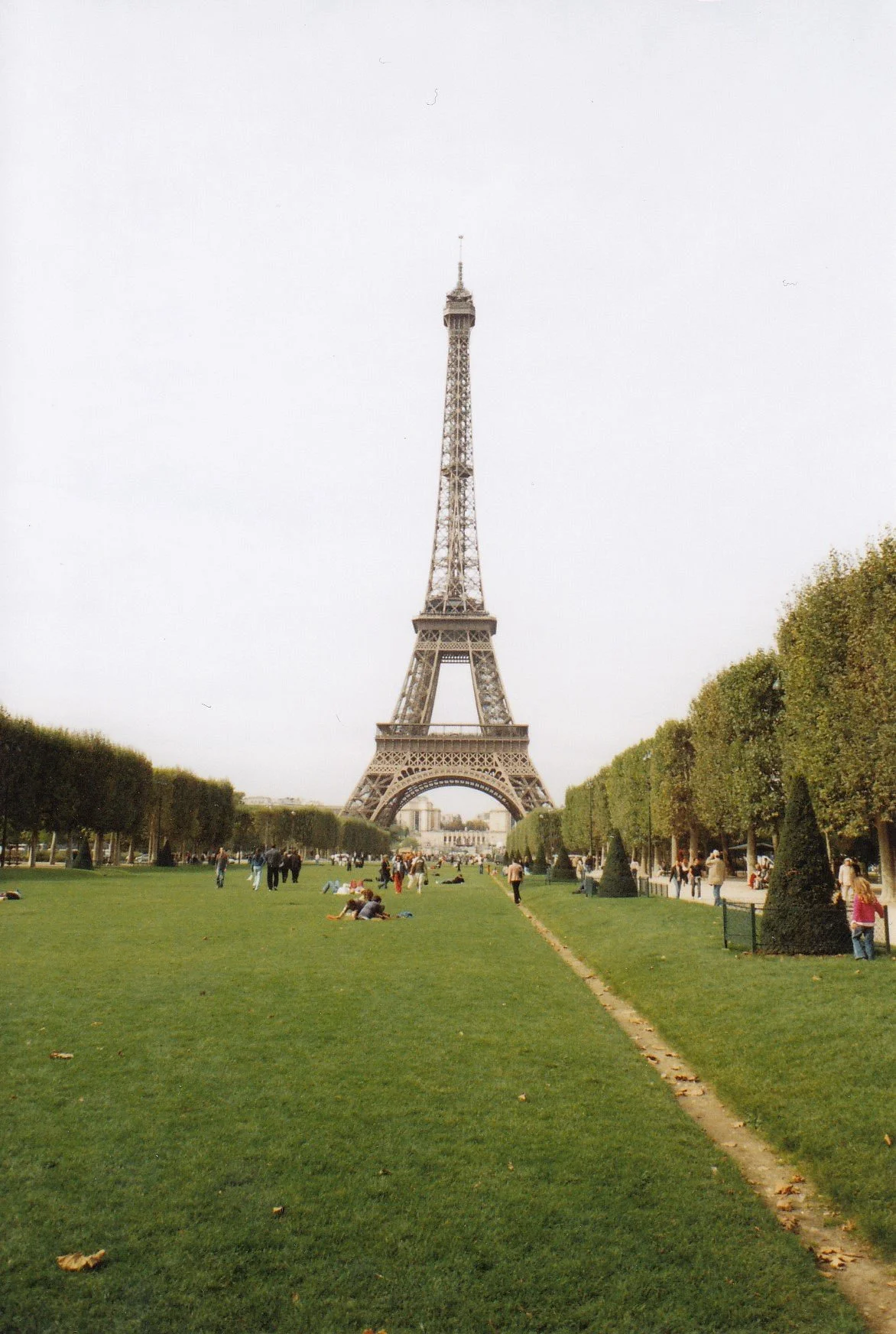
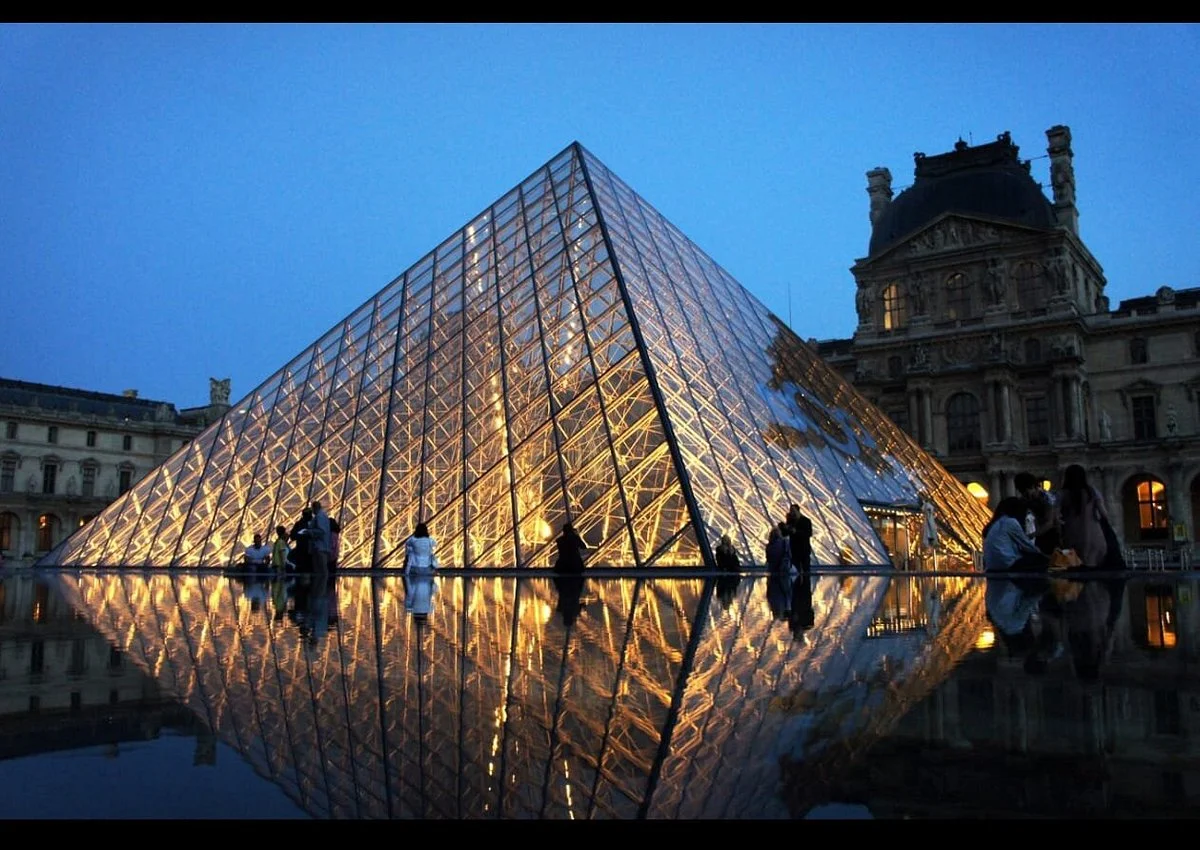
Choose a manageable combination of the Louvre, Musée d'Orsay, Eiffel Tower and the streets around the Seine. Reserve timed visits through the attraction's own website where required. Leave time for smaller museums and gardens rather than treating the major monuments as a checklist.
Walk along the Seine, explore a neighbourhood market or spend an afternoon around the Luxembourg Gardens. Look up current theatre, concert and exhibition programmes for your dates. Build some unplanned time into a day for a café or a quieter side street.
Mix bakeries, neighbourhood bistros and market food with any restaurant reservations you particularly want. Menus and opening days vary, so check directly before a special trip. Explore beyond the immediate frontage of the busiest monuments for more choice.
Cafés and wine bars offer places to pause between visits, while different neighbourhoods have distinct evening scenes. Check whether a venue is primarily a restaurant before arriving only for drinks. Plan the late journey back to your accommodation.
Browse boutiques in the Marais and around Canal Saint-Martin, or explore the covered arcades around Palais-Royal. Department stores and luxury shopping are spread across several districts. Compare opening days and return arrangements before making a special purchase.
Choose accommodation by the sights and transport connections you will actually use. A convenient Métro or RER connection can matter more than a hotel's description of being central. Check room size, lift access, street noise and the full booking terms.
Charles de Gaulle and Orly are separate airports with different public transport connections. Paris also has several mainline railway stations, so check the station named on your ticket. Confirm the current airport route and any engineering work before travelling with luggage.
Use the Métro for many central journeys and the RER or suburban trains for longer trips. Île-de-France Mobilités provides regional journey planning. Walking works well within a district; check station accessibility in advance if stairs are a problem.