Aveiro ([aˈvɐjɾu] ) is a city and a municipality in Portugal. In 2021, the population was 80,880, in an area of 197.58 square kilometres (76.29 sq mi): it is the second most populous city in the Centro Region of Portugal (after Coimbra). Along with the neighbouring city of Ílhavo, Aveiro is part of an urban agglomeration that includes 120,000 inhabitants, making it one of the most important populated regions by density in the North Region, and primary centre of the Intermunicipal Community of Aveiro and Baixo Vouga.
Administratively, the president of the municipal government is José Ribau Esteves, elected by coalition between the Social Democratic Party and the Democratic Social Centre, who governs the ten civil parishes (Portuguese: freguesias).
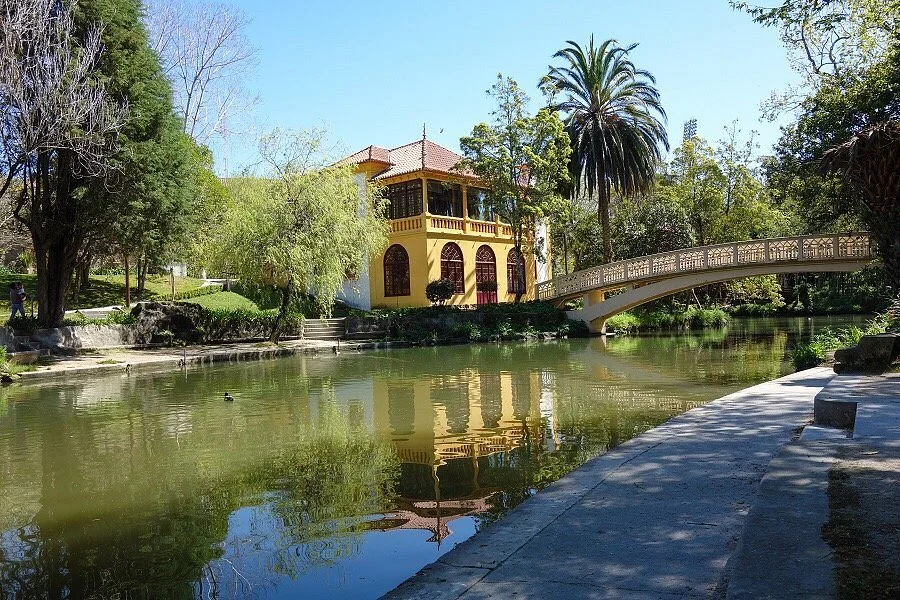
Teatro Aveirense This is the city theatre venue, where seasonal pieces are staged as well as one off productions. S.C. Beira Mar It was a regular Primeira Liga football team, but due to financial hardships the club was administratively relegated in 2015 and now plays in Serie C of the Campeonato Nacional de Seniores. Nevertheless, on home match days the club ground is the 32,000-seat Estádio Municipal de Aveiro in Taboeira parish and offers good entertainment. On occasion, the Aveiro Municipal Stadium also hosts top notch games between Portuguese top national league sides and sometimes international matches. Jardim Oudinot, the Park Oudinot is along the left hand side of the main road leading to the harbour complex. It has pathways, sports grounds, children's play areas, the Santo André museum ship and various other facilities. Clube dos Galitos founded in 1904, is an eclectic culture and sports club with long traditions in rowing, counting several Olympians amongst its past athletes. It also offers swimming, chess, basketball, mountain biking and a philatelic section. It organizes a keenly attended local annual open mountain/off road biking event. — Directions: Take the bus to Forte de Barra and then the ferry
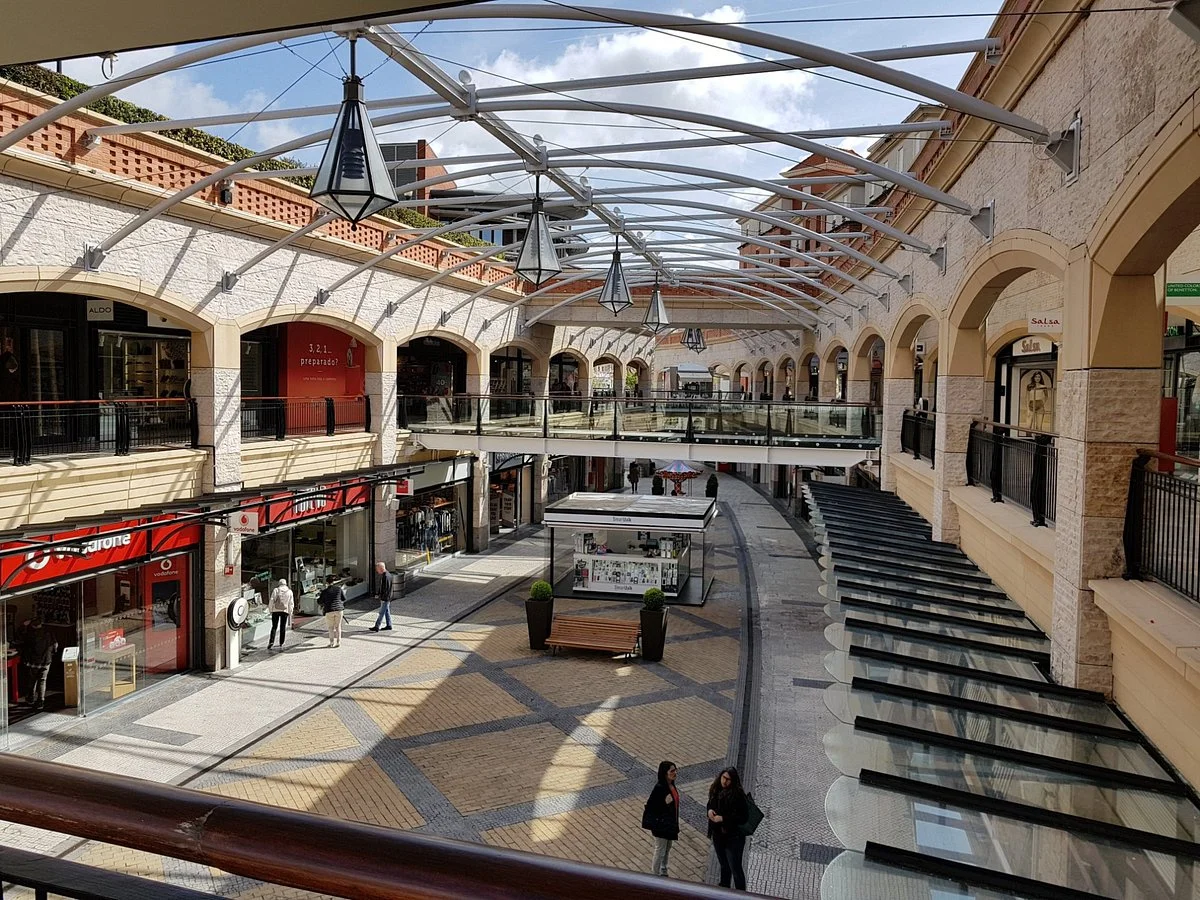
The city is doted with many eating places ranging from local inexpensive "snack-bars", "pastelarias" and small neighbourhood restaurants to fancy and upmarket eateries. The Forum and Glicīnias shopping centres have food courts serviced by various cheap to reasonable priced fast food outlets specialising in different types of cuisine. Some global fast food brands are also available. The area with the most restaurants is found between the Old Neighborhood (Bairro Antigo) and the fish market plaza (Mercado do Peixe). There are also some decent restaurants and seafood places at Barra, Costa Nova and Vagueira.
The most famous area for night bars is Praça do Peixe (fish plaza).Here you will find a good variety of bars typically open til 03:00 in winter, and 04:00 in summer. Note that all the bars in Praça do Peixe have free entrance. Clubs are best on Friday and Saturday nights from 01:00 to 05:00. Women usually pay no admission fees, but for men it is usually around €5. Drinks are fairly cheap, around €4 or €5. Try a caipirinha with strawberries (morangos).
= Aveiro is easily navigable on foot. The local bus terminal can be found about 15 minutes walk from the canal zone.
Aveiro (ah-VAY-roo, /ɐ.ˈvɐj.ɾu/) was already a major salt producer in Roman times and continued to be so until the 1970s, mainly due to the age-old salt cod industry. It also played a major role in ceramics, ship building, metal working and machinery manufacture, as well as being a natural shipping port for centuries. Next door to Aveiro, the city of Ílhavo still has remnants of the cod fishing and salt cod industry. A famous porcelain and cut glassware factory was established there in the early 1800s and is still in operation today (guided tours are available).
Aveiro is to the south of Porto and north of Coimbra, straddling the Ria of Aveiro and the River Vouga a few kilometers from the Atlantic Ocean, where you can easily reach by car (5 minutes) or by bus (every hour). The city of Aveiro has a population of approximately 80,880 inhabitants (2021 preliminary), of which 12,500 are students at University of Aveiro, one of the most important Portuguese universities. Aveiro is at the center of the Comunidade Intermunicipal da Região de Aveiro (Aveiro Regional Intermunicipal Community), encompassing over 370,000 inhabitants.
The late poet, musician and teacher Zeca Afonso and the late physicist Dr. Mário Sacramento are both famous anti-fascist activists from the city. Overall the atmosphere is rather laid back and relaxed while some students are foreigners, lending it a somewhat cosmopolitan feel.
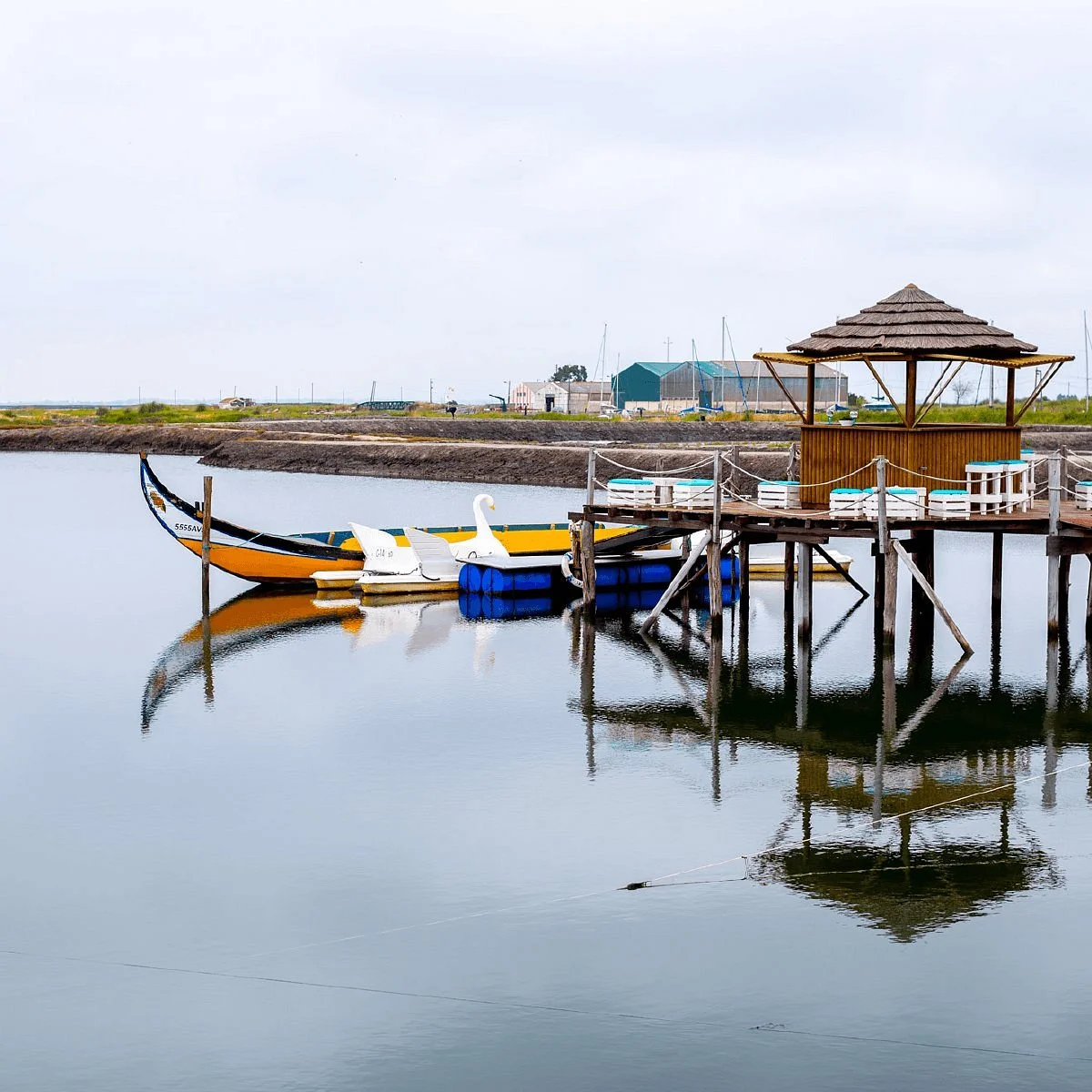
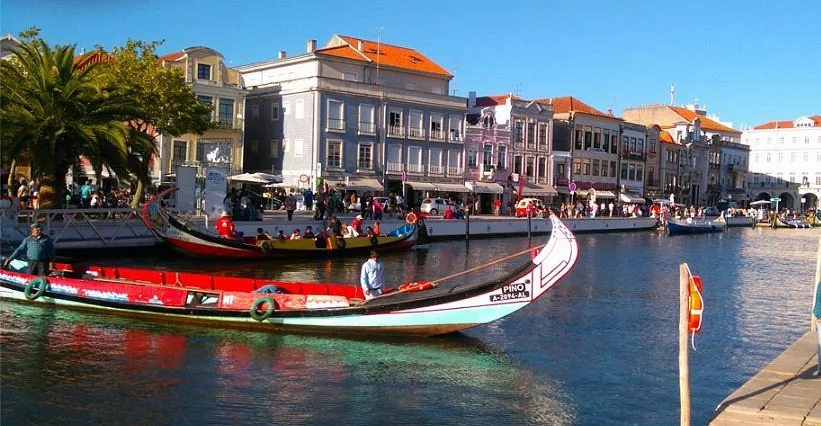
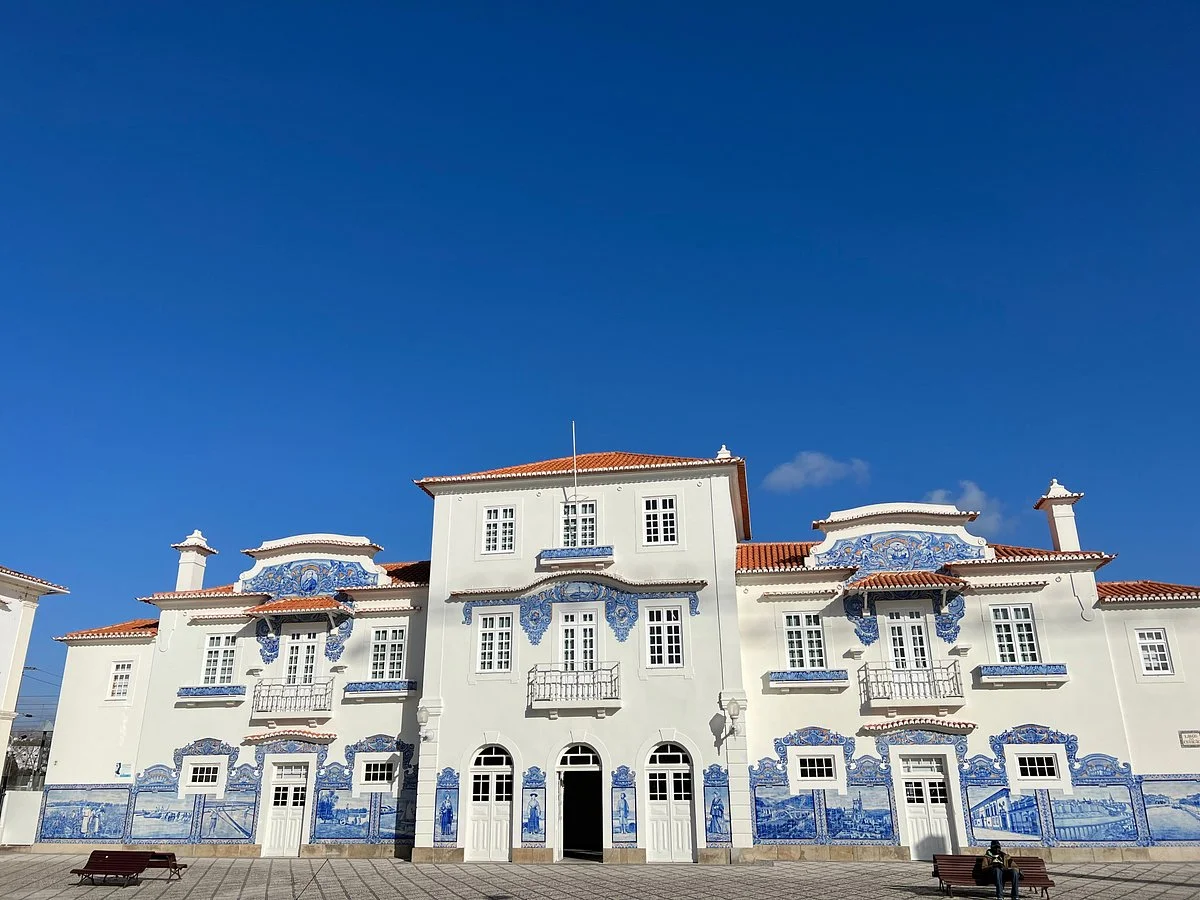
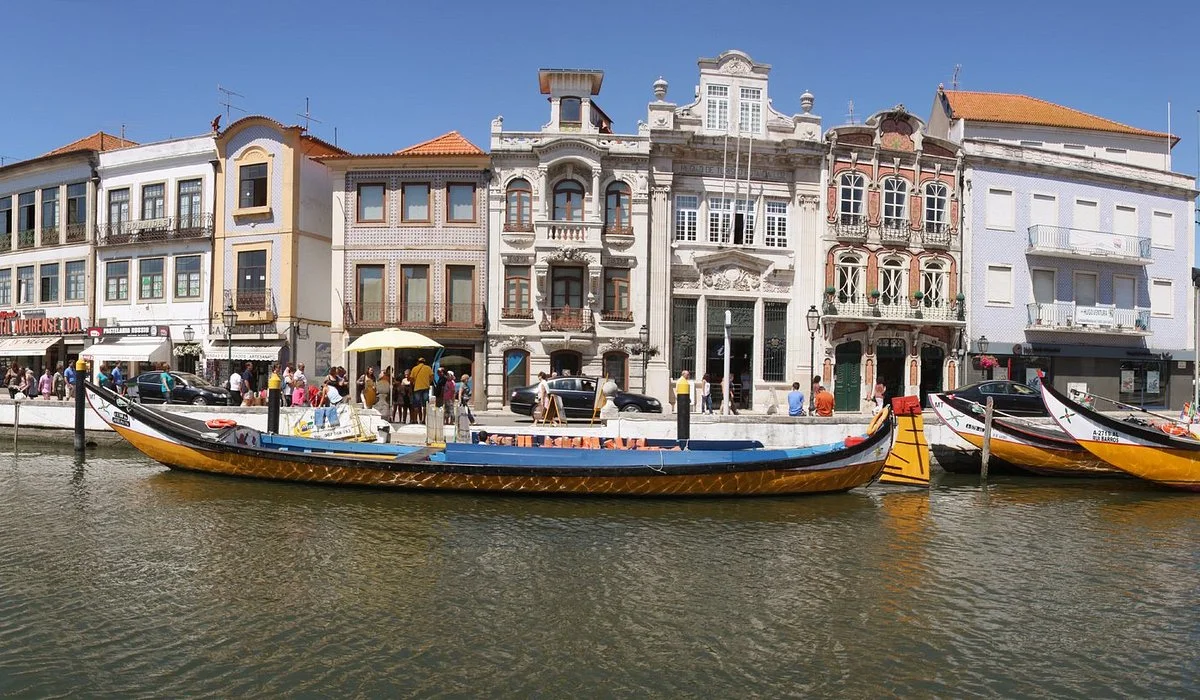
Architecturally, the CBD and "centro histórico" are characterized by some excellent examples of 15/16th century, Belle Epoque, Art Nouveau, Art Deco and Estado Novo buildings, while parts of the city are intersected by canals with picturesque bridges and navigated by brightly painted boats called moliceiros, similar in profile to the gondolas of Venice. Originally the moliceiro was a working boat and the name derives from moliço, a type of sea weed abundant in the lagoon and formerly harvested to be used as fertilizer in the agricultural fields of the region. Although an exaggeration, the city is called the "Portuguese Venice". The real charm of Aveiro's lifestyle lies in its coast, with its fantastic sandy beaches of São Jacinto, Torreira, Barra and Costa Nova. This local coast is branded as Costa da Prata or the Silver Coast.
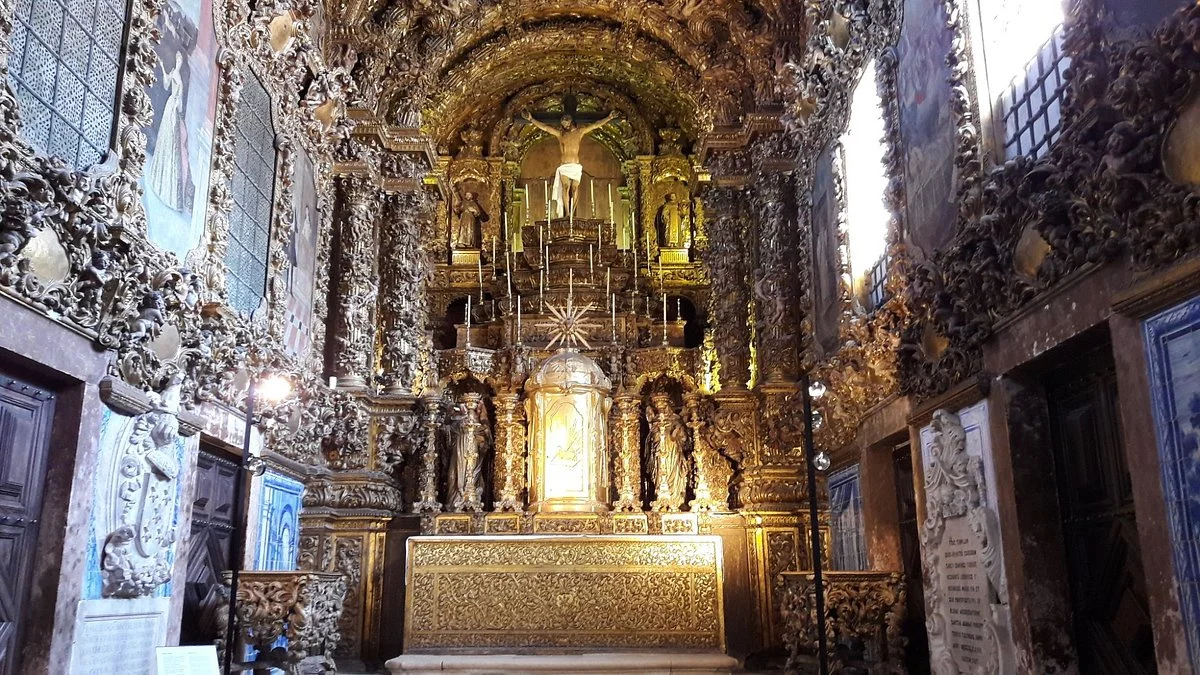
Historically, the importance and prestige of Aveiro grew with the arrival in the 15th century, of princess Dna. Joana, daughter of King Afonso V, to join the sisterhood of the Monastery of Jesus. Upon her death, she bequeathed her vast wealth to the benefit of the town. Her intricately carved and decorated tomb in the monastery constitutes a singular example of fine arts of the period. In the 17th century she was canonised, thus becoming Santa Joana. By the 19th century, local parliamentarian José Estevão propelled Aveiro to the fore of industrialization by spearheading the redevelopment of the harbour facilities and city canals and the arrival of the railways, sowing the seeds for an economic boom.
Today however, the best-kept secret of its attraction apart from the extensive soft sand beaches that reach from Mira in the south to Espinho in the north is the relative authenticity and less costly accommodation and food when compared to Alentejo and the Algarve. The summer months of June to August are the busiest with holiday makers. Also, easy access to major road networks and railways make it easy to take day trips to popular destinations such as Porto, Espinho, Figueira da Foz, Coimbra, Viseu and Serra da Estrela. The Beirão people are well known for being hospitable and helpful towards anyone who is polite.
Aveiro has a humid, temperate climate in summer and a not-so-cold but wet weather in winter. November, December and January make up the rainy season, while July and August are the driest months. Autumn and Winter tend to have strong coastal winds, excellent for kite or wind-surfing, as well as for sailing.
Of later times, the primeiro banho do ano or the first sea dip of the year, has become an annual local tradition in the early hours of every New Year's Day with hundreds of participants vying for the T-shirt given to confirm the feat.