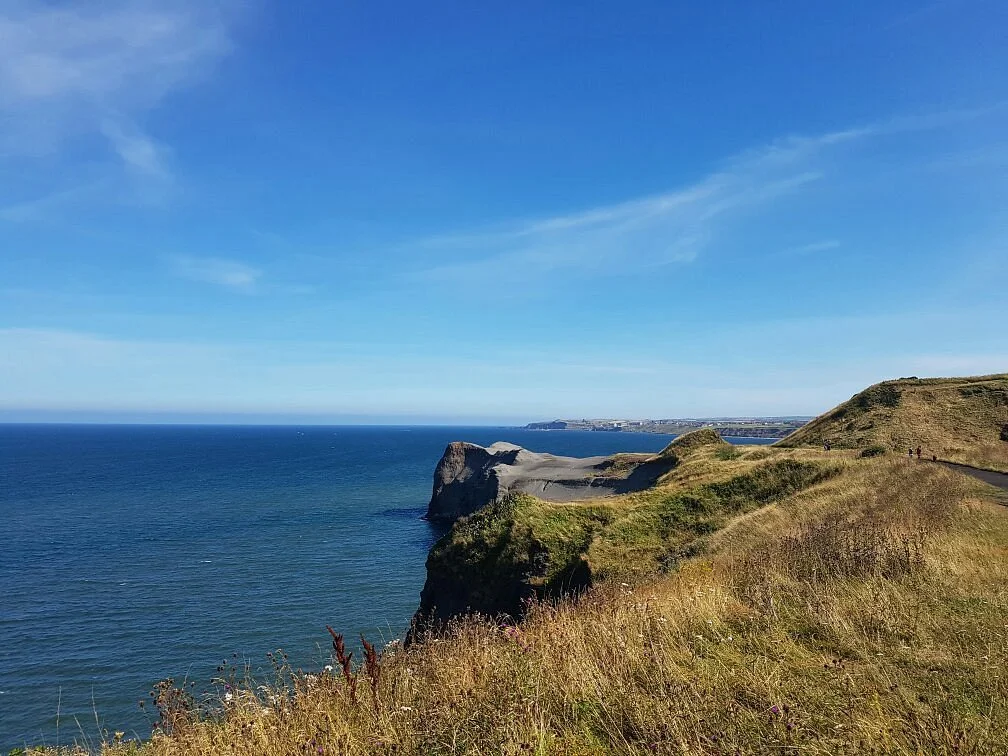
North Yorkshire is a ceremonial county in the Yorkshire and the Humber and North East regions of England. It borders County Durham to the north, the North Sea to the east, the East Riding of Yorkshire to the south-east, South Yorkshire to the south, West Yorkshire to the south-west, and Cumbria and Lancashire to the west. Northallerton is the county town.
The county is the largest in England by land area, at 8,654 km2 (3,480 sq mi), and had a population of 1,158,816 in 2021. The largest settlements are Middlesbrough (148,215) in the north-east and the city of York (141,685) in the south. Middlesbrough is part of the Teesside built-up area, which extends into County Durham and has a total population of 376,663 in 2011. The remainder of the county is rural, and the largest towns are Harrogate (75,515) and Scarborough (59,505). For local government purposes the county comprises four unitary authority areas — Middlesbrough, North Yorkshire, Redcar and Cleveland, and York — and part of a fifth, Stockton-on-Tees. The local authorities of York and North Yorkshire are part of a combined authority of the same name, and the local authorities of the other three areas are part of the Tees Valley combined authority. The county was historically part of Yorkshire.
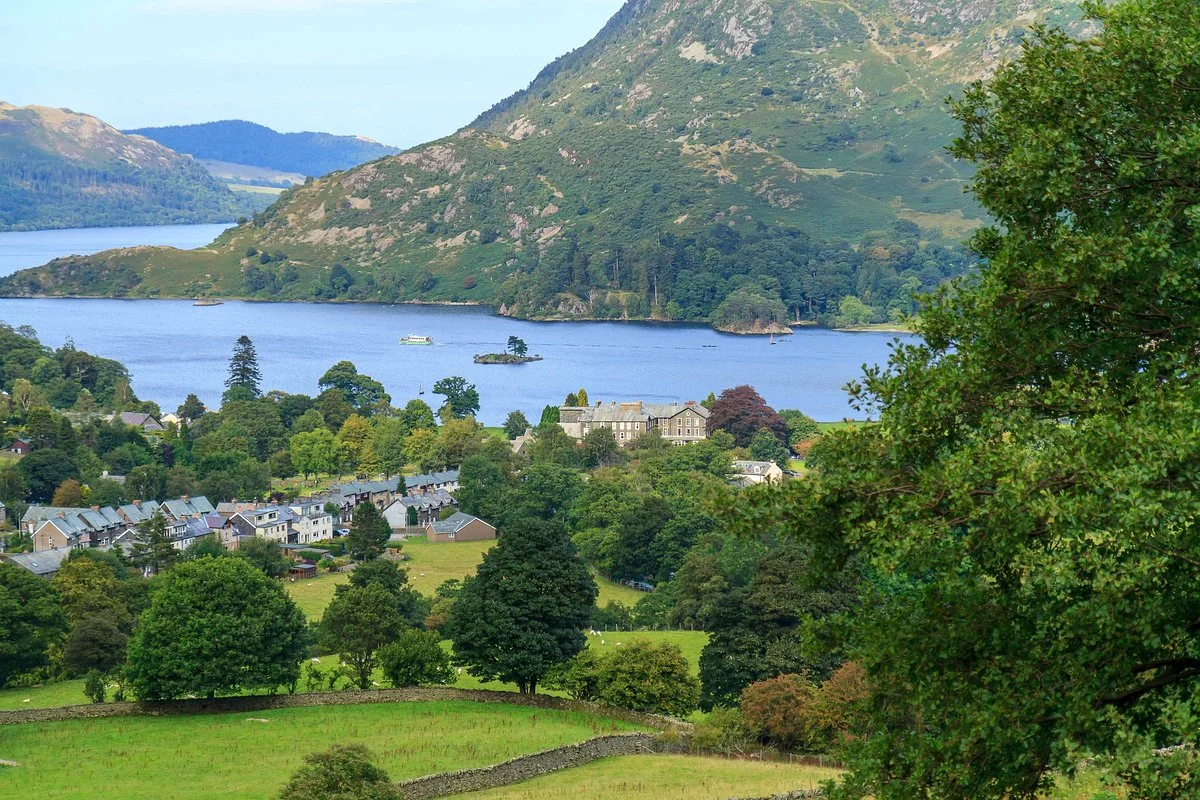
The centre of the county contains a wide plain, called the Vale of Mowbray in the north and Vale of York in the south. The North York Moors uplands lie to the east, and south of them the Vale of Pickering is separated from the main plain by the Howardian Hills. The west of the county contains the Yorkshire Dales, an extensive upland area which contains the source of the River Ouse/Ure and many of its tributaries, which together drain most of the county before reaching the Humber estuary in the south. The Dales also contain the county's highest point, Whernside, at 2,415 feet (736 m).
If you plan to do a lot of sightseeing, you can save money by purchasing the Visit York Pass, a ticket which gives you access to more than 25 attractions across North Yorkshire, of which around half are in the city of York. The pass also includes a 24-hour ticket for the City Sightseeing bus tour of York, a free Italian meal in York, and a guidebook and map.
A three-day pass for all participating attractions costs for one, two or three days (as of Feb 2024):
The three-day passes are valid for any three days in a six-day period — they do not have to be consecutive days. You can buy online or in person at the visitor information centre at 1 Museum Street, York, YO1 7DT. When buying online, you can download your pass to your smartphone instantly and for free.
The pass covers the entry fee of every participating attraction, but does not allow you to queue jump or to have privileged access.
In order to get your money's worth, you should visit at least three attractions per day; if this sounds like too much, the pass is not for you. While the York attractions are mostly within walking distance of one another, the rest of the participating venues are spread far and wide across the county, so you should plan your itinerary wisely. Wikivoyage can help with that!
York has the best choice of eating places, both for variety and price-range. You'll always find something in the towns listed here, but the best restaurants are often out-of-town: you'll need a car, and a prior conversation about who's driving back. All of Yorkshire does breakfast, but North Yorkshire does the best dinners.
No information available
No information available
= If you intend to fly in and hire a car (which you'll need for the Dales and North York Moors) then best choice is Manchester Airport (). It's the other side of the Pennines, but it has excellent global connections and competitive fares. A couple of hours motoring from there will get you most places in the county.
Leeds-Bradford Airport () has a decent range of flights from western Europe and is closer. If you want to base in the north end of the county near the border with Durham or Cumbria, then consider flying into Newcastle (). The two other nearby airports, Doncaster Robin Hood () and Durham Tees Valley () have few flights.
The individual towns are all small enough to see on foot, and buses link the towns, though not very frequently once you get into the Dales and Moors. Beyond that, you start to need a car: from Harrogate to Harlow Carr is 3 miles, from Ripon to Fountains Abbey is four. You don't want to be tired and drenched before you even start. Scenic spots such as Malham Cove, and the trail-heads for most hiking, are further still from public transport.
The Moors are traversed by the North Yorkshire Moors Railway, running 24 miles from Pickering via Grosmont to Whitby.