Queensferry, also called South Queensferry or simply "The Ferry", is a town to the west of Edinburgh, Scotland. Traditionally a royal burgh of West Lothian, it is now administered by the City of Edinburgh Council. It lies ten miles to the north-west of Edinburgh city centre, on the shore of the Firth of Forth between the Forth Bridge, Forth Road Bridge and the Queensferry Crossing. The prefix South serves to distinguish it from North Queensferry, on the opposite shore of the Forth. Both towns derive their name from the ferry service established by Queen Margaret in the 11th century, which continued to operate at the town until 1964, when the Road Bridge was opened.
Its population at the 2011 census was 9,026 based on the 2010 definition of the locality which in addition to the burgh includes Dalmeny.
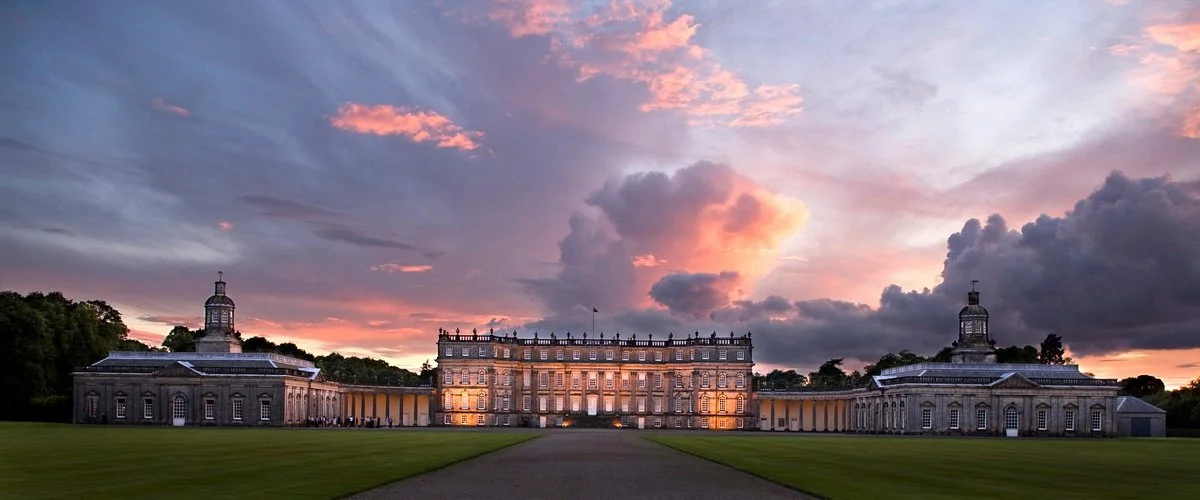
Reaching the stately homes listed below will need a car, bike or taxi. Everything else is a short walk.
The Firth is pinched at this point and has long been a crossing point. The first documented regular service was the Queen's Ferry, established almost 1000 years ago by St Margaret, wife of King Malcolm III, to ensure regular transport from Edinburgh to Dunfermline (then the capital) and to the pilgrimage town of St Andrews. The iconic railway bridge opened in 1890, to grace the lids of a myriad tins of Scottish shortbread. The car ferry remained in service until 1964 when the Forth road bridge opened. By the 21st century this was showing its age, and the replacement road bridge Queensferry Crossing opened in 2017. So nowadays most traffic bypasses high above the town, which has become a commuter suburb. The main reasons to visit are to stroll through the old town and admire the bridges, and to visit the ruined abbey on Inchcolm Island.