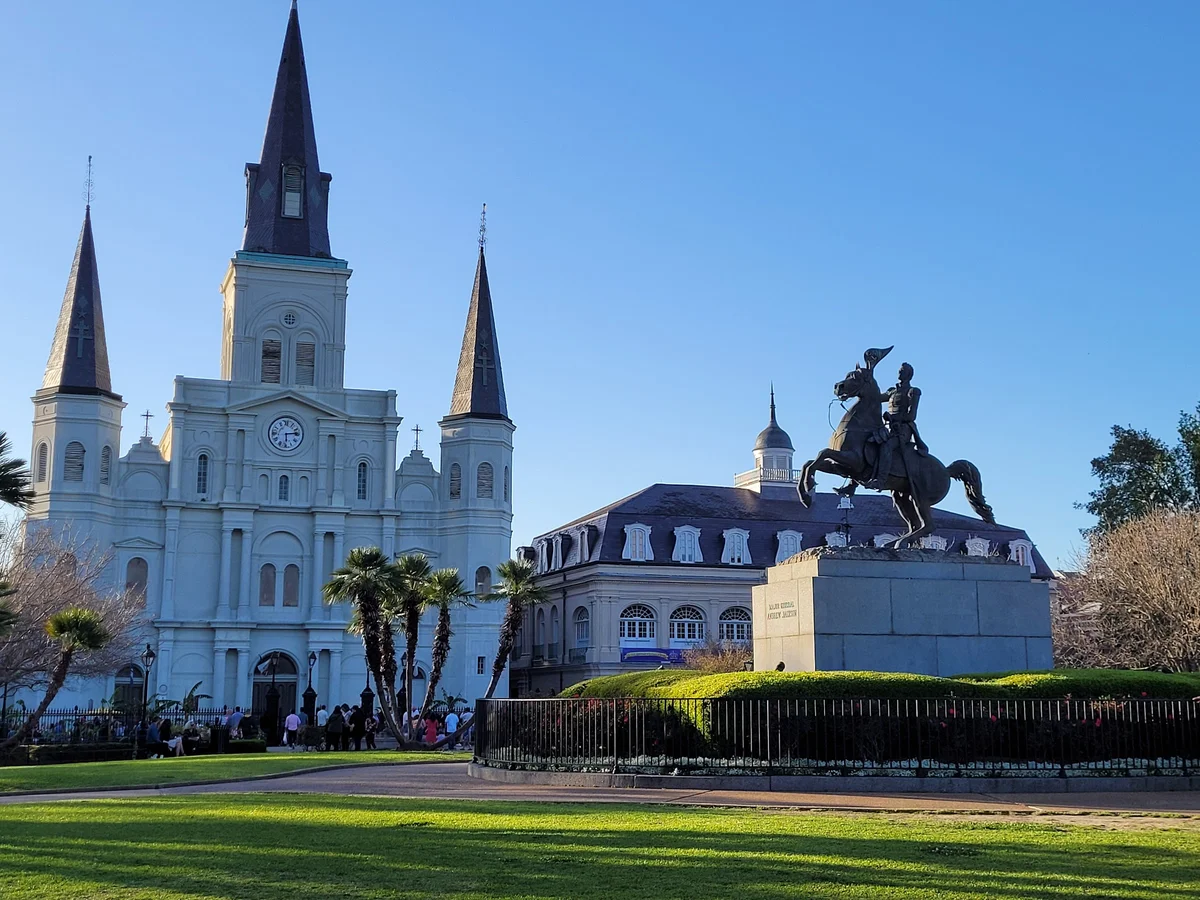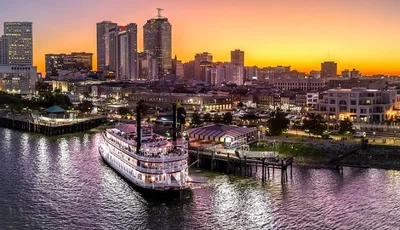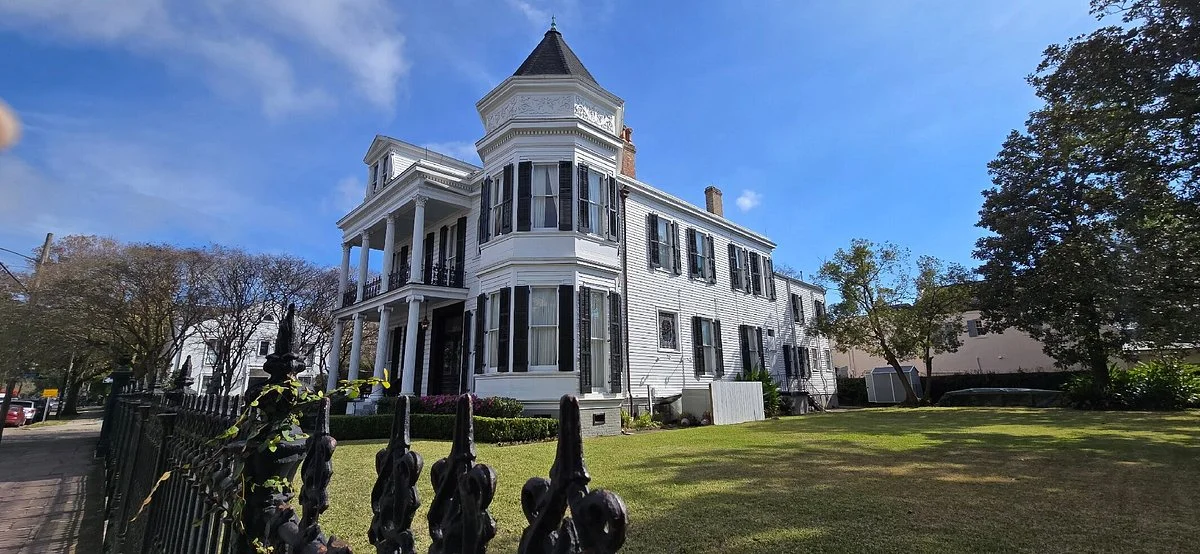
New Orleans (commonly known as NOLA or the Big Easy among other nicknames) is a consolidated city-parish located along the Mississippi River in the southeastern region of the U.S. state of Louisiana. With a population of 383,997 according to the 2020 U.S. census, it is the most populous city in Louisiana and the French Louisiana region; third most populous city in the Deep South; and the twelfth-most populous city in the southeastern United States. Serving as a major port, New Orleans is considered an economic and commercial hub for the broader Gulf Coast region of the United States.
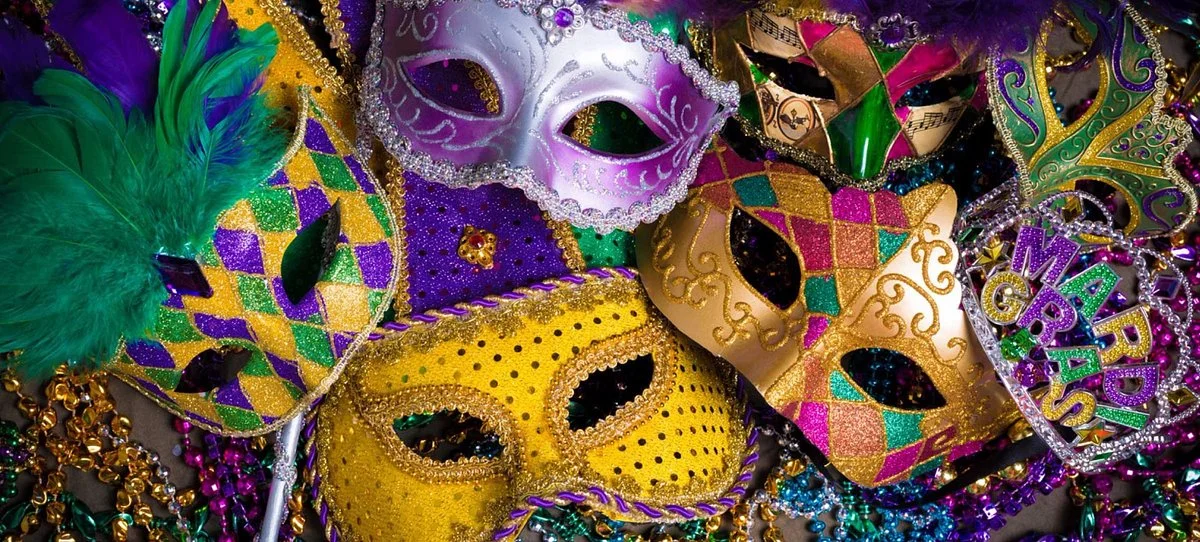
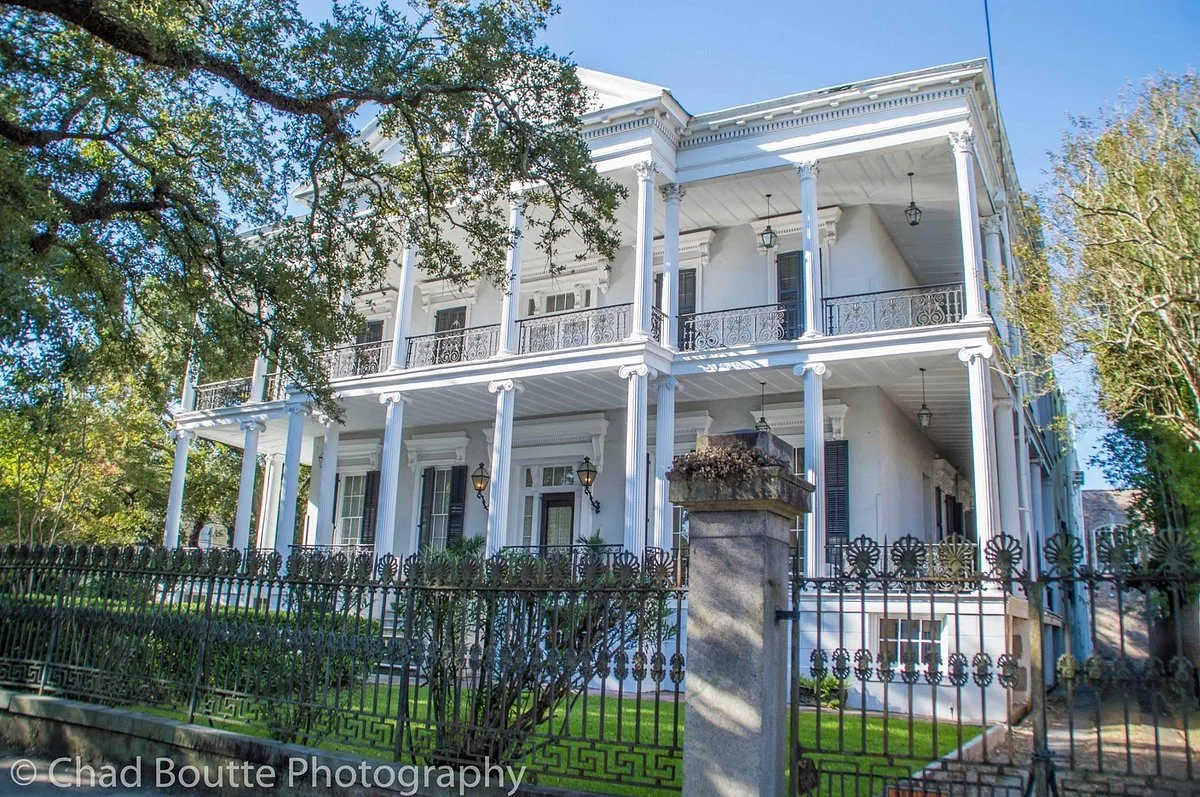
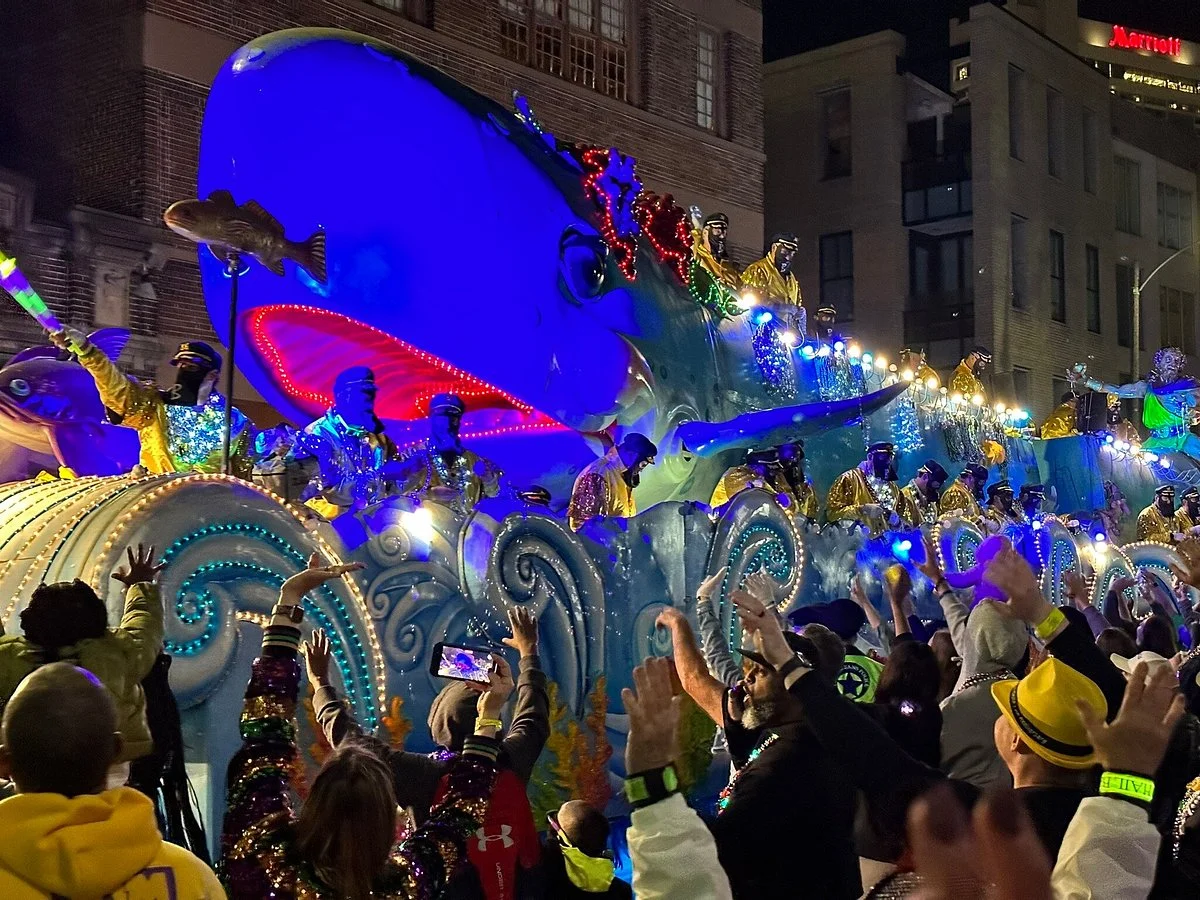
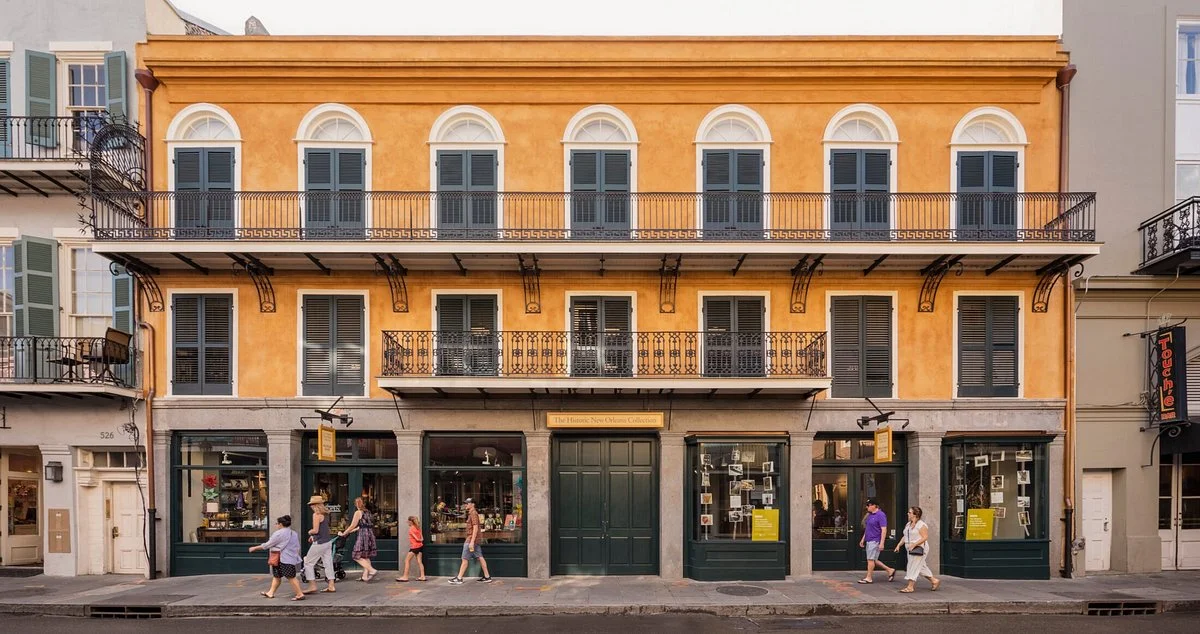
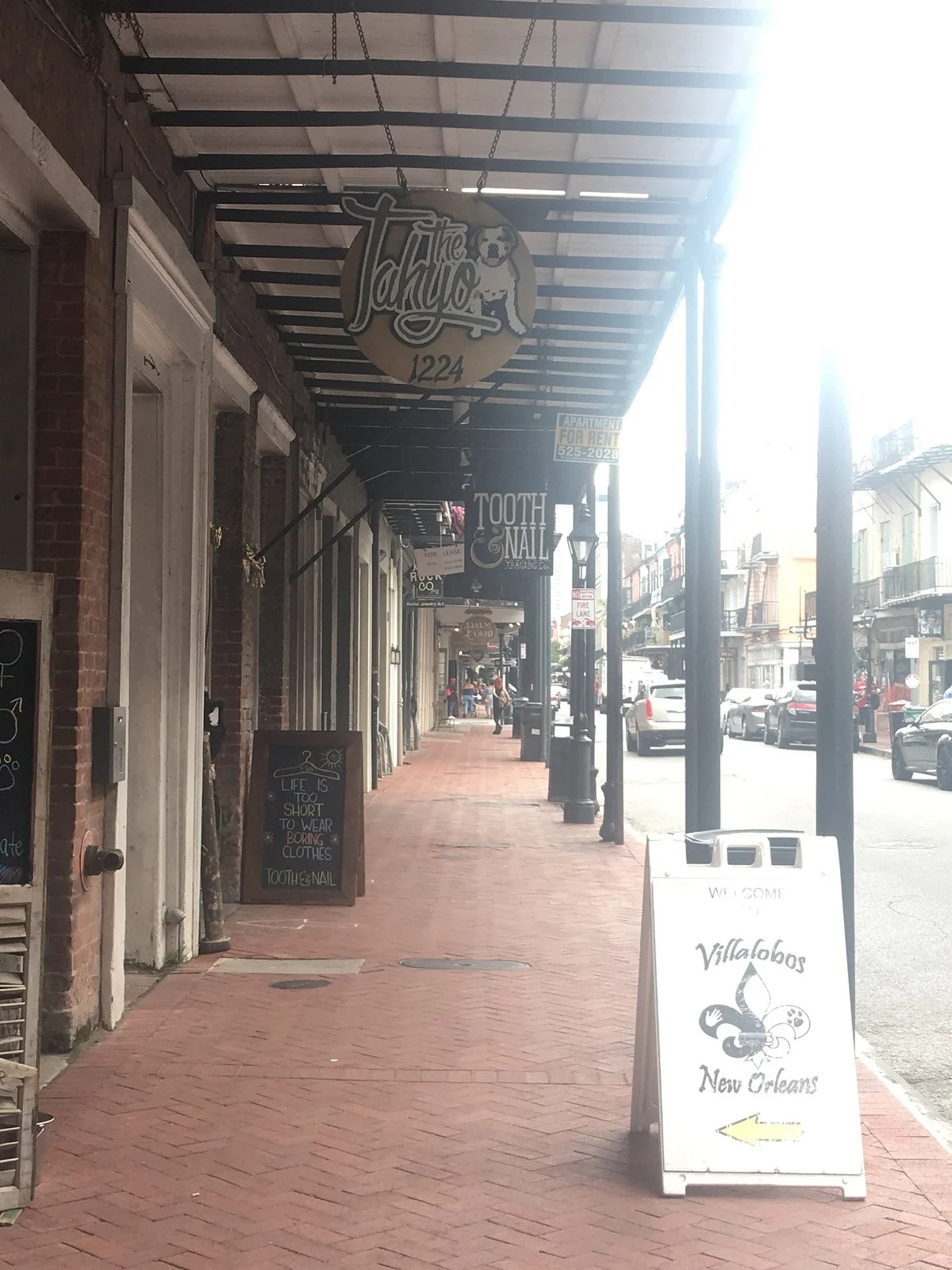
New Orleans is world-renowned for its distinctive music, Creole cuisine, unique dialects, and its annual celebrations and festivals, most notably Mardi Gras. The historic heart of the city is the French Quarter, known for its French and Spanish Creole architecture and vibrant nightlife along Bourbon Street. The city has been described as the "most unique" in the United States, owing in large part to its cross-cultural and multilingual heritage. Additionally, New Orleans has increasingly been known as "Hollywood South" due to its prominent role in the film industry and in pop culture.Founded in 1718 by French colonists, New Orleans was once the territorial capital of French Louisiana before becoming part of the United States in the Louisiana Purchase of 1803. New Orleans in 1840 was the third most populous city in the United States, and it was the largest city in the American South from the Antebellum era until after World War II. The city has historically been very vulnerable to flooding, due to its high rainfall, low lying elevation, poor natural drainage, and proximity to multiple bodies of water. State and federal authorities have installed a complex system of levees and drainage pumps in an effort to protect the city.New Orleans was severely affected by Hurricane Katrina in August 2005, which flooded more than 80% of the city, killed more than 1,800 people, and displaced thousands of residents, causing a population decline of over 50%. Since Katrina, major redevelopment efforts have led to a rebound in the city's population. Concerns have been expressed about gentrification, new residents buying property in formerly close-knit communities, and displacement of longtime residents. Additionally, high rates of violent crime continue to plague the city with New Orleans experiencing 280 murders in 2022, resulting in the highest per capita homicide rate in the United States.The city and Orleans Parish (French: paroisse d'Orléans) are coterminous. As of 2017, Orleans Parish is the third most populous parish in Louisiana, behind East Baton Rouge Parish and neighboring Jefferson Parish. The city and parish are bounded by St. Tammany Parish and Lake Pontchartrain to the north, St. Bernard Parish and Lake Borgne to the east, Plaquemines Parish to the south, and Jefferson Parish to the south and west.
The city anchors the larger Greater New Orleans metropolitan area, which had a population of 1,271,845 in 2020. Greater New Orleans is the most populous metropolitan statistical area (MSA) in Louisiana and, since the 2020 census, has been the 46th most populous MSA in the United States.
Detailed listings of attractions are mentioned in the Districts sections listed above. Highlights include:
- located in New Orleans
OK, so you're hungry. You've come to the right place. New Orleans is a culinary delight, but don't look too hard for healthy food; some would say don't look at all (although those demanding vegetarian, vegan, or kosher food can, with effort, find some). You're on vacation, so take advantage of what they prepare best here. New Orleans has good food for people on any type of budget.
While most places take major credit cards, "cash only" restaurants are perhaps a bit more common here than other places, so plan in advance.
The main culinary tradition in New Orleans is Creole - which means the culture and its cuisine already flourishing when Louisiana was purchased by the U.S. in 1803. The Creoles were the peoples living in New Orleans from its founding. Creole has a mixture of influences, including French, Spanish and Native American, with a strong West African foundation. Creoles cook with roux (a blend of butter and flour) and the "trinity," a popular term for green pepper, onion and celery. These are the base for many savory dishes. 19th-century southern Italian immigrants added increased appreciation for garlic — an old local joke calls garlic the "Pope" to the culinary "Trinity" — along with tomato based sauces and other dishes. (The influences went both ways; some New Orleans "Italian" restaurants have their own take on the Italian tradition, sometimes called "Creole Italian".) Eastern European, Latin American, Vietnamese, and other immigrants have added to the New Orleans mix. Thus New Orleans cuisine is rich in tradition while open to new ideas, and culturally inclusive while still uniquely distinctive.
The seafood is fresh and relatively cheap compared to many places. Some think it is often best fried, but you can try seafood of a wide variety cooked many different ways here. Repeated studies have shown that the 2010 oil spill has not at all affected the quality of Gulf seafood.
Oysters are a popular specialty, gulped down raw, battered and fried, in a po' boy sandwich, or elegant Rockefeller style. Most oysters served here come from local Gulf Coast oyster beds, and are larger and meatier than most oysters from the Pacific or Atlantic.
There may on occasion be some exotic items on the menu. Yes, you can have alligator if you’d like - it mostly tastes like chicken (but chewier). The softshell crab can be excellent. If it's on the menu of a good restaurant, it's probably pretty good—when in doubt, ask.
Crawfish (don't say "cray" fish) is a popular dish here, usually boiled in a huge pot of very spicy water and served in a pile with corn and potatoes. If cracking open the shells and sucking the heads isn't your thing, try them with pasta or in sushi or any other way they’re prepared.
Po-boys (don't say "poor boys") are the distinctive Louisiana variation of the sandwich. Unless you request your sandwich put on something else like sliced white bread (while you're in New Orleans, don't bother), it will be served on a po-boy loaf, similar to French bread; bread pundits debate whether the New Orleans po-boy bread is the same thing as the baguette of France or qualifies as a unique type of bread (some say it actually is French bread but because of the humidity, the bread ferments very quickly and gets its distinctive taste and texture). Either way, it's good, but only part of what makes the sandwich tasty. The rest is what is put on it, of course. Roast beef with "debris" gravy, fried shrimp, oysters, etc. You'll probably be asked if you want it "dressed". In New Orleans, "dressed" means with lettuce, tomato, mayonnaise, and sometimes pickles, depending on the restaurant. Every neighborhood in New Orleans has its favorite po-boy places; the better ones butcher, slow cook, and season their own meats. The po-boy is a great and filling taste of New Orleans at a reasonable price.
The Muffaletta is a sandwich served on a big round airy Italian loaf (also called a muffaletta) which is similar to focaccia, it consists of a variety of sliced meats such as capicola, salami, and mortadella as well as cheeses topped with olive salad. Unless you have a very big appetite, half a muffaletta will probably be plenty for a filling meal. It was created in New Orleans around 1906 at Central Grocery on Decatur where you can still purchase them.
Gumbo is a tasty Louisiana traditional stew, originating in West Africa and comes in numerous varieties. The vegetable base is traditionally okra (in West Africa, the Wolof language word "gombo" means okra) with filé (sassafras leaves) used as a thickener. Seafood is the most common meat; but one will just as often find chicken, duck, smoked sausage or "andouille" sausage, the ages-old "gombo d'zherbes" (vegetarian) and other types of gumbo on many a menu. Gumbo is universally served with rice.
Jambalaya is a dish consisting of rice mixed with various spices, vegetables and some type of meat, with many variations. Another popular local rice dish is the étouffée, which consists of plain rice topped with a creamy crawfish sauce.
Red beans and rice sounds bland, but is a tasty, comforting treat prepared in the New Orleans way. The beans are slowly cooked until they reach a creamy texture, with a mix of onions, bell pepper, celery, and spices. Especially traditional on Mondays. It can be vegetarian but may not be; ask. It is often served with spicy, smoked or "andouille" sausage.
Local fresh produce: Have you heard of Louisiana strawberries, satsumas and creole tomatoes? If not, it's probably because they're so good that locals eat most of them right here! The strawberries come in around Jazz Fest time, satsumas in December and the creole tomatoes in early summer. You may spot "mirliton"; on the menu, a vegetable not common in most of the United States. In Mexico and the Southwest, it is called "chayote", though travelers to Guatemala may recognize it as the same thing that's called "hisquil" down there. Of course, when the first crops come in, there are parties, festivals, and parades commemorating the strawberries, creole tomatoes, or mirlitons.
Many restaurants will have hot sauce as a condiment on the table (even Chinese and fast-food restaurants). Louisiana is the creator of Tabasco sauce after all, although Crystal, also a Louisiana product, is probably more popular locally. Although always flavorful, not all New Orleans food will be very spicy hot. Many locals do like to add hot sauce to many dishes. If you can take it, give it a try.
The Tremé area is home to two of America's most venerated soul food institutions; '''Willie Mae's Scotch House and Dooky Chase's Restaurant, both of which are excellent locations to sample some staples of African-American cuisine.
Desserts
Bananas Foster might be the most well known Orleanian delicacy served at the end of a fine meal. Consisting of warmed bananas mixed with brown sugar, cinnamon, butter, and rum poured over vanilla ice cream; it is usually made flambe style in front of the customer just before serving. There are a number of restaurants in the French Quarter that specialize in combining the show of making it and serving it as well.
Snow balls or sno-balls''' are the New Orleans take on the northern "snow cone" or flavored ice done with more finesse. Ice is not crushed but shaved into microscopically fine snow in special machines, and flavored with syrups, fresh made at the better places. New Orleans sno-balls are often topped or layered with sweetened condensed milk, but this is optional. The flavors need not be overly sweet, and can come in a wide variety ranging from striking to subtle, including such treats as wild cherry, lemonade, chocolate cream, coffee, orchid vanilla, and dozens of others. Locals almost worship the better neighborhood sno-ball stands during the city's long hot summer; try the refreshing treat as a snack or dessert and find out why. Many snow ball shops will close in the winter, as New Orleans is surprisingly chilly between November and February and the demand dies down.
Beignets (pronounced "ben-yays") are a deep fried square pastry covered with powdered sugar. Most famously found at Café du Monde & Cafe Beignet, beignets are a traditional New Orleans treat enjoyed by tourists and locals alike. Beignets are traditionally served in orders of three with café au lait.
Café au lait is a coffee served half brewed coffee and half hot milk. Coffee in New Orleans differs from any other coffee in the world. During the Civil War, coffee beans were very scarce. The local French extended their coffee supply by adding ground roasted chicory (the root of endive lettuce) to the brew. New Orleanians became very accustomed to the new beverage, noting that the chicory softened the bitter edge of the coffee while enhancing the robust flavor. Many taste a slight chocolate flavor while drinking café au lait, due to the addition of chicory.
Bread pudding is very popular in the state of Louisiana, and New Orleans is no exception. It can be found in the dessert menu of virtually every restaurant, and is often drizzled with a sweet whiskey-based sauce.
In many of the fine restaurants around town, people take their clothes as seriously as their food. Despite the obnoxious heat and humidity in the summertime, don’t go to these restaurants dressed in shorts or jeans; they won’t let you in. This applies only to the nicest (and some say best) restaurants in town but there are plenty of places that you can wear shorts to (many of which are great too). This is what you've been saving your pennies for.
The legal drinking age is 21 in Louisiana, as it is across the US. At bars in New Orleans this is strictly enforced, but not as much in restaurants. However, notably unlike the vast majority of US cities, drinking in public is legal everywhere in the city, provided it is within a plastic container (note that outside the French Quarter, there are no container restrictions). New Orleans also has no "blue laws" or mandatory closing times for liquor establishments, which means that any hour of day or night, every day of the year, there is always somewhere to get alcohol.
You can head out the door with an open container of alcohol—but not in a bottle or can; to try to keep broken glass and jagged metal from filling the street, local laws mandate you use a plastic cup while on city streets and sidewalks. These are known locally as "go cups", and every local bar provides them, usually has a stack of them by the door and the bouncer will take your drink from you and pour it into the cup because bars can be held liable if they don't. Use them, because New Orleans Police are watching for it, especially on Bourbon Street.
Some drinks are noted for their potency, such as the tourist favorite "Hurricane" (a fruit punch and rum drink), which originated at Pat O'Brien's bar but now common in the Quarter. However, drinking does not have to be about quantity. Popular refined local cocktails include the "sazerac" and the "Ramos gin fizz". New Orleanians also love wine.
Beer lovers will be happy to learn that local craft brewers have expanded in New Orleans. While Abita was the perennial favorite, newer options include NOLA Brewing Company, Port Orleans Brewing, and Urban South. Smaller brewers include Zony Mash Brewing Company, Courtyard Brewery (which specializes in IPAs), Miel Brewery, and Brieux Carre.
Listings of some top choices of the city's bars, from friendly neighborhood dives to elegant cocktail palaces, can be found in the neighborhood articles.
Especially if you're drinking alcohol (but even if you aren't), be sure to drink a lot of water or other non-alcoholic beverages to avoid dehydration in the southern heat and humidity.
New Orleans is a great coffee city. A good portion of the Eastern US's coffee beans are imported through the Port of New Orleans and roasted in local factories. Locals tend to take a good cup of coffee seriously, and in New Orleans coffee tends to be a bit stronger and more flavorful than in most of the USA. Café du Monde in the French Quarter is probably the city's most historic coffee destination, serving café au lait with chicory since 1862. Locally based coffee house chains '''PJ's and CC's have locations around the city serving good hot and cold coffee drinks. Newer smaller chains include Mojo Coffee House, French Truck Coffee and Hey Cafe'''. New Orleans also has a wealth of local neighborhood coffee shops; the best are listed in the individual sections articles.
No information available
The numerous hotels in the French Quarter and Central Business District are most centrally located for most tourists, but there are good accommodations in many other parts of town as well. Hotels on or near the St. Charles Avenue streetcar line in Uptown are popular with many visitors, and the smaller hotels and guest houses in neighborhoods like Marigny and Mid-City can provide an immersion in New Orleans away from the larger masses of tourists. Individual hotels are listed in the parts of town sub-articles.
If you are visiting the French Quarter, casinos, or just the Central Business District, a car may be more of a burden than an asset. Most hotel parking is valet/remote/expensive/difficult at best. New Orleans is ready for visitors, and the rapid transit, trolley cars and buses are plentiful 24/7. Walking is fun and healthy during daylight and early evening. After midnight, you may want to call a taxi, but likely it will be a short trip at reasonable cost. For a great way to see the city, try renting a bike from one of the several bike rental companies in the French Quarter or Marigny. Be very aware when riding a bike; the drivers can be quite aggressive. However, outside the French Quarter or areas served by the streetcar, public transport tends to be unreliable, so renting a car would be the best way to get around.