Detroit (; dih-TROYT, locally also ) is the most populous city in the U.S. state of Michigan. It is the largest U.S. city on the United States–Canada border, and the seat of government of Wayne County. Detroit had a population of 639,111 at the 2020 census, making it the 29th-most populous city in the United States. The Metro Detroit area, home to 4.3 million people, is the second-largest in the Midwest after the Chicago metropolitan area and the 14th-largest in the United States. A significant cultural center, Detroit is known for its contributions to music, art, architecture and design, in addition to its historical automotive background.In 1701, Antoine de la Mothe Cadillac and Alphonse de Tonty founded Fort Pontchartrain du Détroit. During the late 19th and early 20th century, it became an important industrial hub at the center of the Great Lakes region. The city's population rose to be the fourth-largest in the nation by 1920, after New York City, Chicago and Philadelphia, with the expansion of the automotive industry in the early 20th century. The Detroit River became the busiest commercial hub in the world as it carried over 65 million tons of shipping commerce each year. In the late 20th century, Detroit entered a state of urban decay which has continued to the present, as a result of industrial restructuring, the loss of jobs in the auto industry, and rapid suburbanization. Since reaching a peak of 1.85 million at the 1950 census, Detroit's population has declined by more than 65 percent. In 2013, Detroit became the largest U.S. city to file for bankruptcy, which it successfully exited in December 2014.Detroit is a port on the Detroit River, one of the four major straits that connect the Great Lakes system to the St. Lawrence Seaway. The city anchors the second-largest regional economy in the Midwest and the 14th-largest in the United States. Detroit is best known as the center of the U.S. automotive industry, and the "Big Three" auto manufacturers—General Motors, Ford, and Stellantis North America (Chrysler)—are all headquartered in Metro Detroit. The Detroit Metropolitan Airport is among the most important hub airports in the United States. Detroit and its neighboring Canadian city Windsor constitute the second-busiest international crossing in North America, after San Diego–Tijuana.Detroit's diverse culture has had both local and international influence, particularly in music, with the city giving rise to the genres of Motown and techno and playing an important role in the development of jazz, hip-hop, rock, and punk. The rapid growth of Detroit in its boom years resulted in a globally unique stock of architectural monuments and historic places. Since the 2000s, conservation efforts have managed to save many architectural pieces and achieve several large-scale revitalizations, including the restoration of several historic theaters and entertainment venues, high-rise renovations, new sports stadiums, and a riverfront revitalization project.
An increasingly popular tourist destination, Detroit receives 16 million visitors per year. In 2015, Detroit was named a "City of Design" by UNESCO, the first U.S. city to receive that designation. Time named Detroit as one of the fifty World's Greatest Places of 2022 to explore.
This is only a small list of some of the biggest attractions and even though they are listed here, their info is brief. Make sure to check out the district articles for more.
This is only a small list of some of the some key activities and events to enjoy and even though they are listed here, their info is brief. Make sure to check out the district articles for more.
Detroit is home to many American classics including Sanders Hot Fudge, Little Caesars Pizza, Better Made Potato Chips, and Vernor's Ginger Ale. (Vernor's Ginger Ale shares the distinction as America's oldest soft drink with Hires Root Beer.)
Detroit is famous for the ubiquitous Coney Island. The term refers to a hot dog with chili, mustard, and chopped fresh onions; the name also applies to restaurants that serve them. The two oldest are American Coney Island and Lafayette Coney Island, next door to each other in downtown Detroit. Coney Islands can be found all over the city. People in the suburbs get their fill from local chains such as National Coney Island and Leo's Coney Island.
Detroit-style pizza is a delicious and crispy deep-dish pizza that you can't really find outside Michigan (with some exceptions). Not quite as thick as Chicago-style pizza, the buttery crust is worth seeking out. The Detroit classic is Buddy's Pizza, with locations throughout the metro Detroit area. Loui's Pizza in Hazel Park makes a fine example, as well. The dozens of Jets Pizzas in the area do it right and do it quickly.
Explore Detroit's Greektown, with its Greek restaurants and shops surrounding the Greektown Casino. Detroit's Mexicantown is known for Mexican cuisine at restaurants such as Mexican Village, Evie's Tamales, El Zocalo and Xochimilco. Restaurants, bakeries, and shops are on Vernor Highway, on both the east and west sides of the Interstate 75 service drive. Hamtramck is famous for its Polish cuisine and bakeries. Choose to dine in elegance at one of Detroit's many fine restaurants a sample of which include the Coach Insignia atop the Renaissance Center Downtown, the Whitney House restaurant in Midtown, or the Opus One in the New Center.
Vernor's Ginger Ale, created by Detroit pharmacist James Vernor, shares the distinction as America's oldest soft drink with Hires Root Beer. A local favorite, Detroiters pour Vernor's over ice cream (this drink is called a "Boston Cooler" in reference to Boston Blvd. in Detroit, not the city in Massachusetts). Also try Faygo soft drinks, another former Detroit based soft drink company. Detroiters enjoy Michigan Wines. A family of GM heritage, the Fisher family Coach Wines are served at the Coach Insignia Restaurant atop the GM Renaissance Center. The Detroit area also hosts a number of microbreweries.
This is only a small list of shops and even though they are listed here, their info is brief. Make sure to check out the district articles for more.
With plenty of luxurious accommodations, the Detroit area includes many fine hotels to fit all types of needs. Whether it is the riverfront ambiance of the Renaissance Center Marriott, or the old world elegance of the newly restored Westin Book-Cadillac. For a mix of the urban/suburban flair try the international style Westin Southfield-Detroit Hotel.
Budget options are also available, including a hostel in North Corktown.
As the historical center of the American automobile industry, with Ford, General Motors and Chrysler once having their main factories here, Detroit is unsurprisingly one of the world's most car-dependent cities.
Detroit's street layout is truly unique, combining wheel-and-spoke, grid, and strip-farm (near the River) layouts. Six major spoke roads radiate out from downtown; they are, in clockwise order, Fort Street, Michigan Avenue, Grand River Avenue, Woodward Avenue, Gratiot Avenue, and Jefferson Avenue. Woodward Avenue runs northwest-southeast (more or less) and divides the northern half of Detroit into east and west; West Warren Street, for instance, becomes East Warren Street when it crosses Woodward. Smaller streets generally conform to a strict grid pattern, but the orientation of the grid and the size and shape of blocks frequently varies to fit better with the spoke roads. Downtown, the layout abandons the grid design, with the spoke roads converging in a confusing but oddly logical arrangement of diagonal, mostly one-way streets.
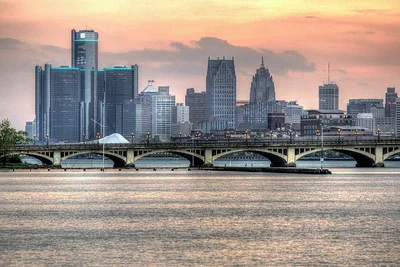
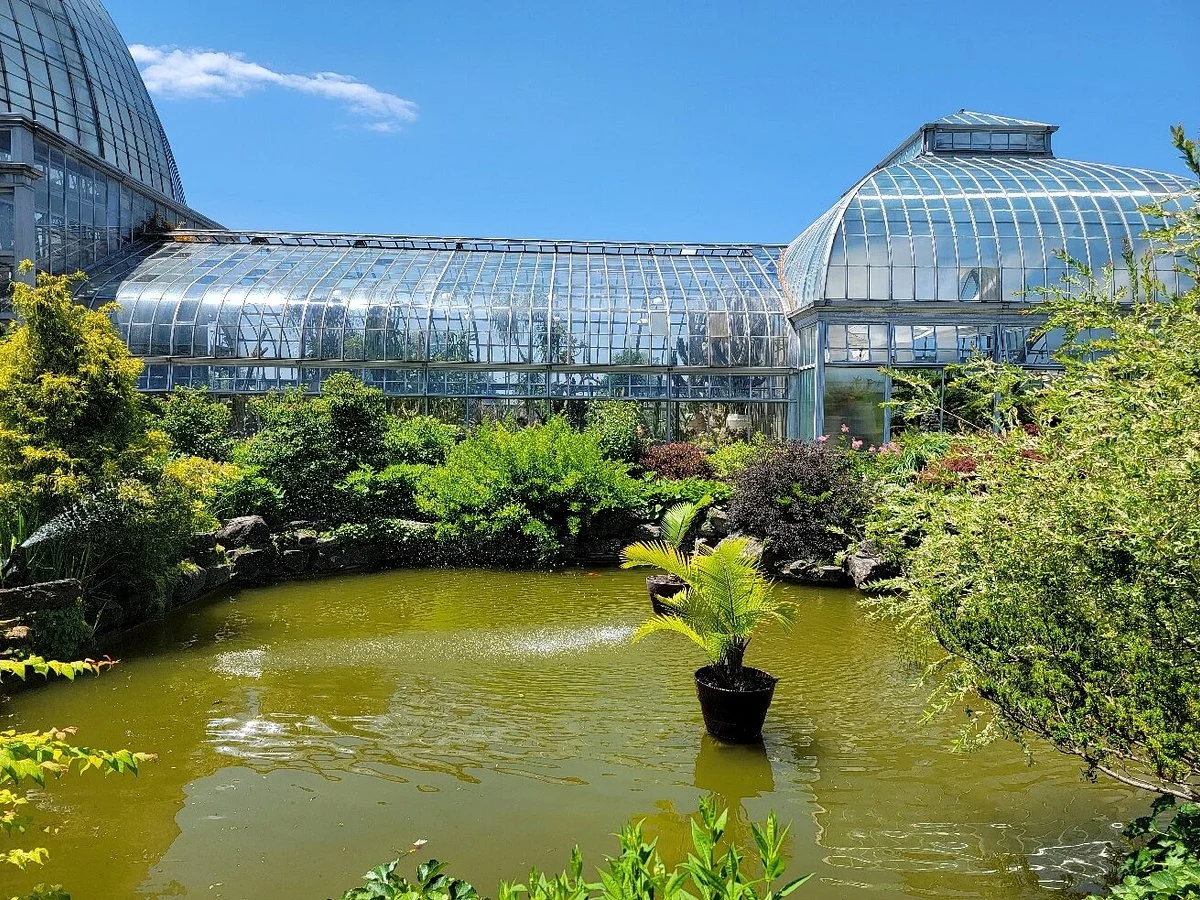
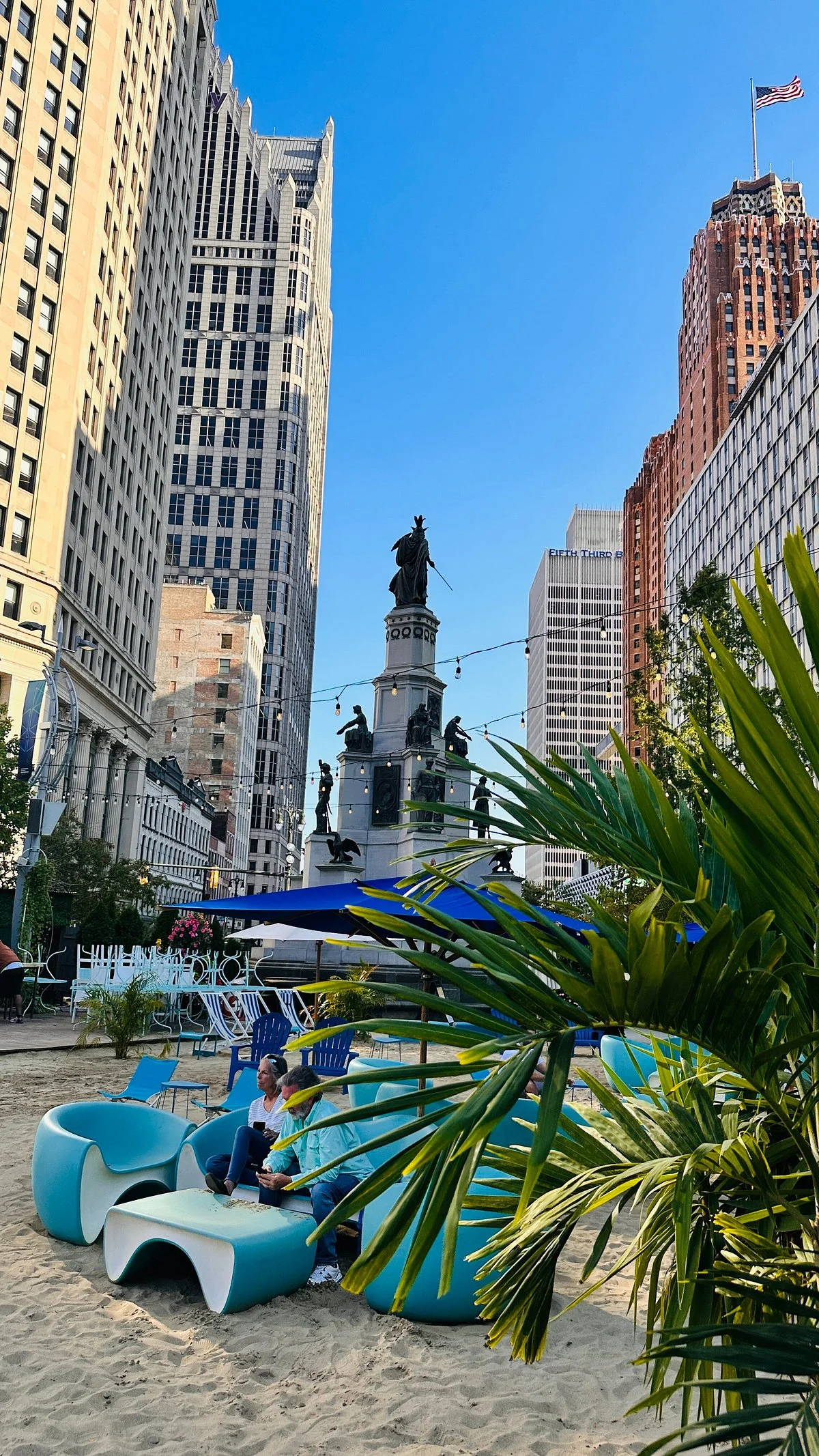
Downtown Detroit is unique: an International Riverfront, ornate buildings, sculptures, fountains, the nation's second largest theater district, and one of the nation's largest collection of pre-depression era skyscrapers. Two major traffic circles along Woodward Avenue surround Campus Martius Park and Grand Circus Park, both gathering points. The city has ample parking much of it in garages. Many historic buildings have been converted into loft apartments, and new businesses have opened in the Central Business District. Downtown Detroit features the Renaissance Center, including the tallest hotel in the Western Hemisphere, the Detroit Marriott. Many restaurants emanate from the Renaissance Center, Greektown, the arts and theatre district, and stadium area. Joining the eastern, riverfront parks, the city has the 982-acre (3.9 km²) Belle Isle Park with the large James Scott Memorial Fountain, historic conservatory, gardens, Dossin Great Lakes Museum, and spectacular views of the city skyline.
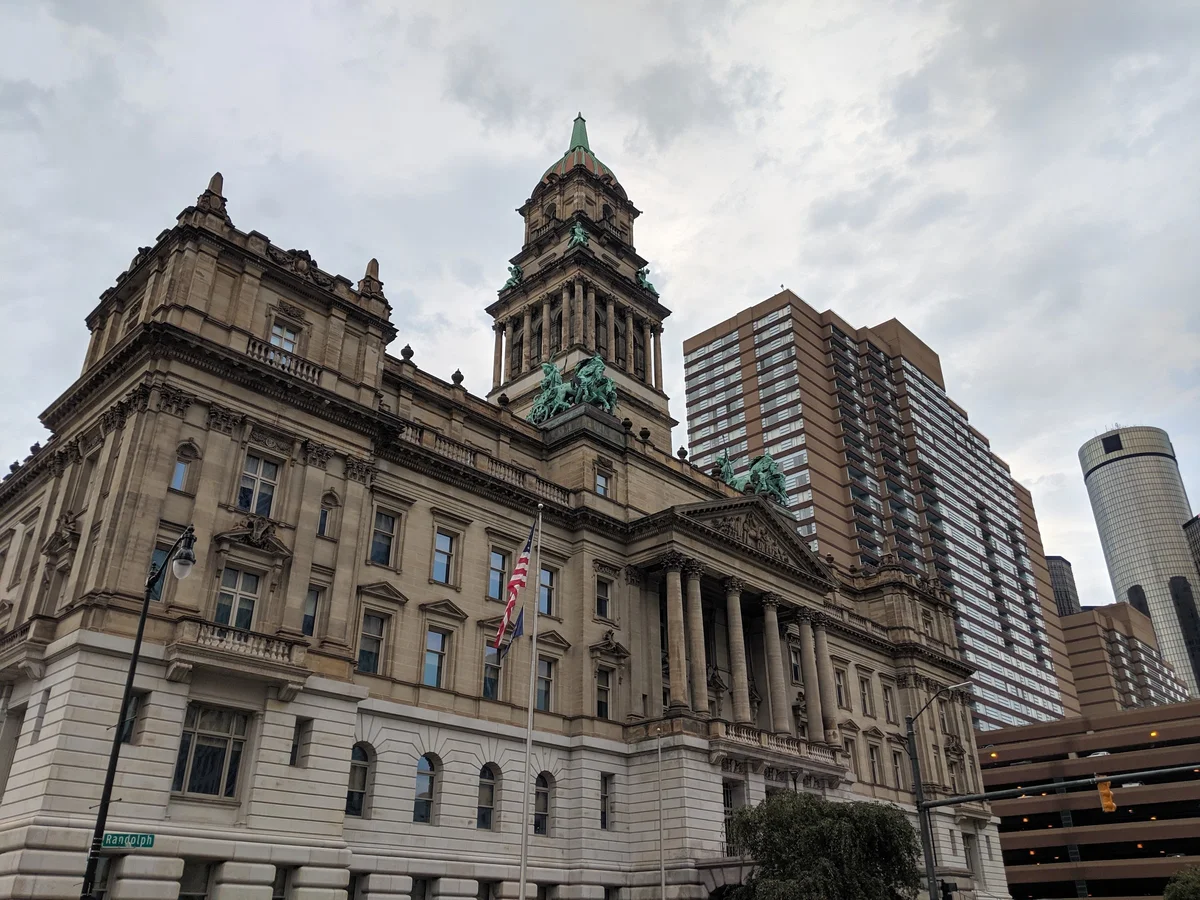
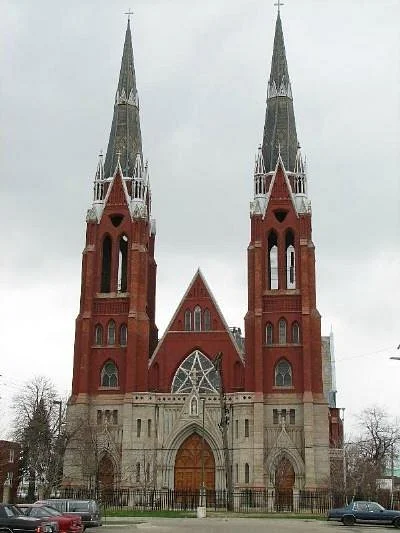
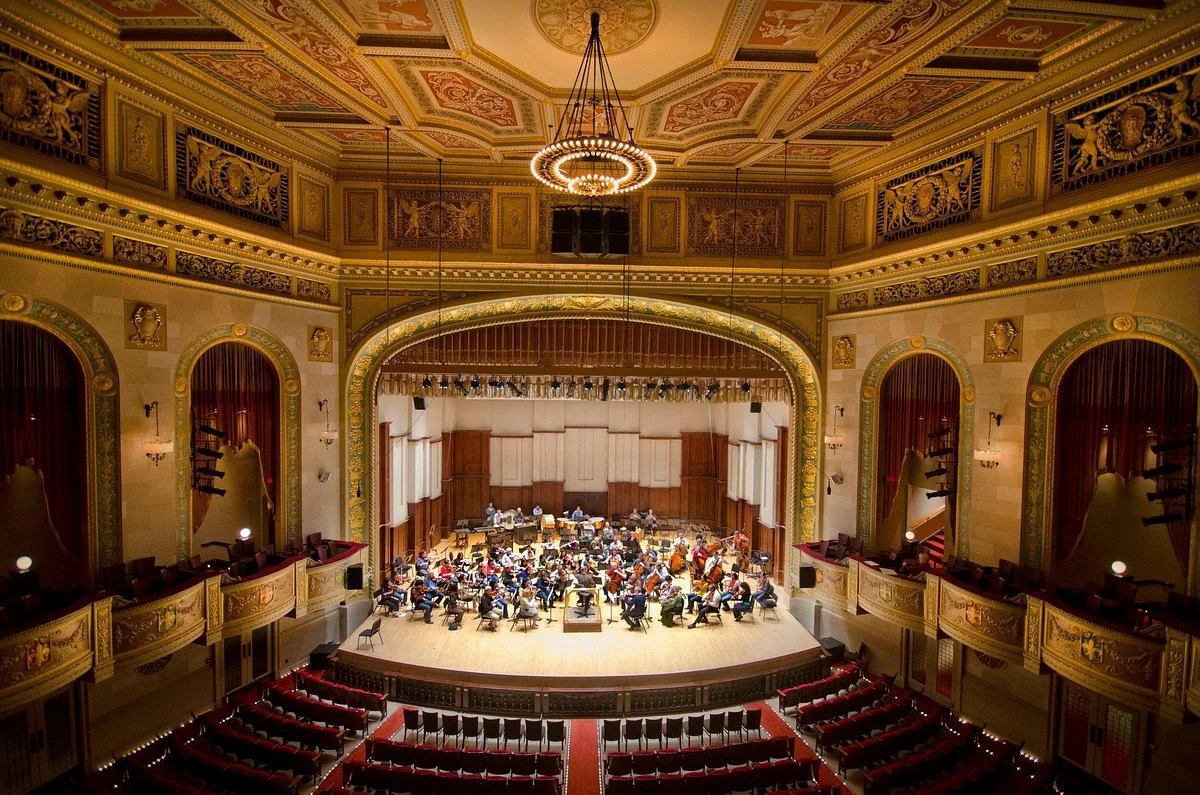
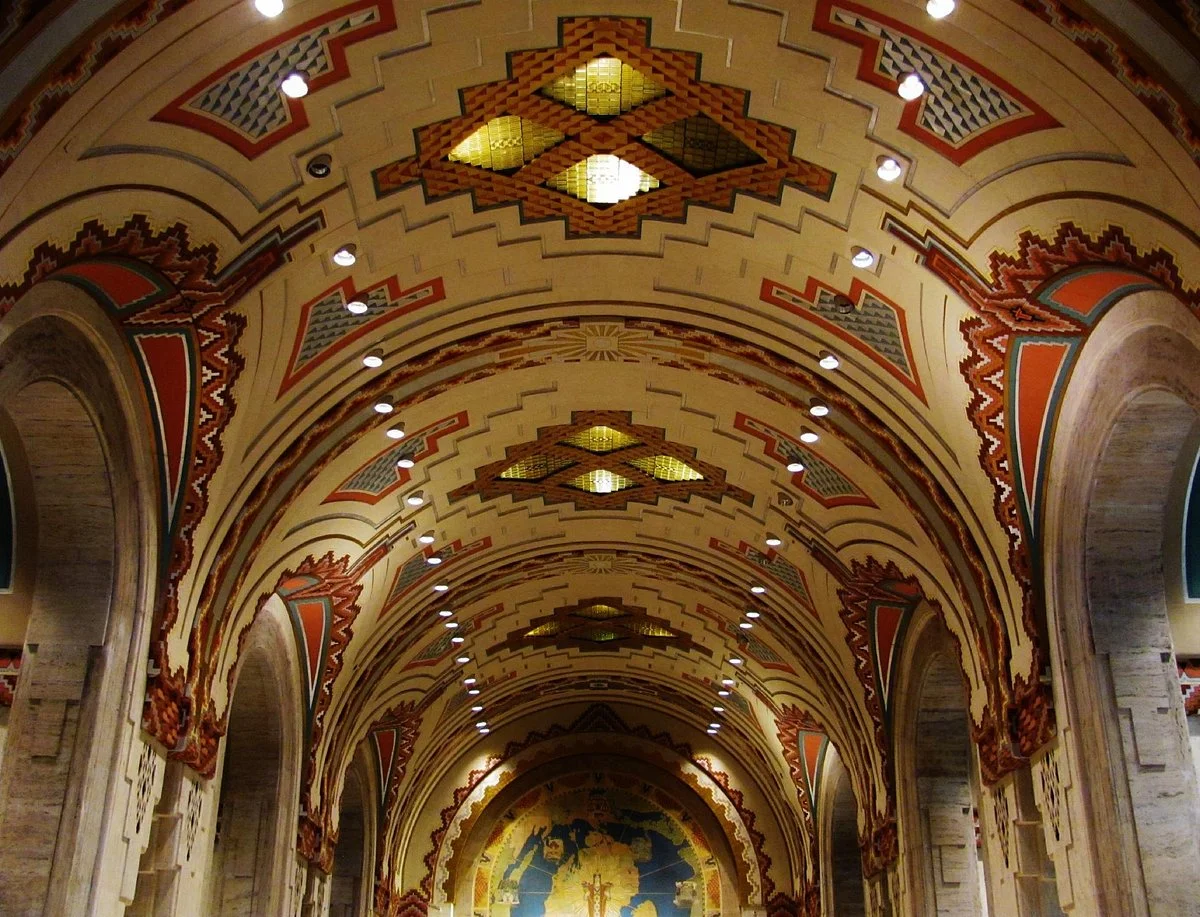
Visitors may reserve a public dock downtown at the Tri-Centennial State Park and Harbor. Great Lakes Cruises are also available. Shorter pleasure trips provided by Diamond Jack's River Tours and The Detroit Princess Riverboat. Surrounding neighborhoods such as Corktown, home to Detroit's early Irish population, New Center, Midtown, and Eastern Market (the nation's largest open air market), are experiencing a revival. Detroit has a rich architectural heritage, such as the restored historic Westin Book-Cadillac Hotel, the Guardian and Fisher buildings with exquisitely ornate interiors and exteriors, the Detroit Institute of Arts (top five museums in the country) to name a few. In 2005, Detroit's architecture was heralded as some of America's finest; many of the city's architecturally significant buildings are listed by the National Trust for Historic Preservation as among America's most endangered landmarks.
Detroit is the largest city in the U.S. to offer casino resorts. The three major casino resorts are MGM Grand Detroit, Greektown, and MotorCity. A fourth major casino is just across the river in Windsor, Canada. Detroit Metro Airport is one of the few to offer world class hotel and meeting facilities inside the terminal. The Renaissance Center and the Southfield Town Center are among the nation's finest mixed use facilities for large conferences. Downtown Detroit serves as the cultural and entertainment hub of the metropolitan region, Windsor, Ontario, and even for Toledo, Ohio residents, many of whom work in metropolitan Detroit. While most of the region's attractions are in the city of Detroit, tourists will find that nearly all of the shopping malls are in the suburbs, such as Troy, Dearborn, Novi and Clinton Township. The Detroit-Windsor metro area population totals about 5.9 million; it jumps to 6.5 million if Toledo is included. An estimated 46 million people live within a 300 mi (480 km) radius of Detroit. The city's northern inner ring suburbs like Ferndale, Southfield, Royal Oak, and Birmingham provide an urban experience in the suburbs complete with dining, shopping and other attractions. The Detroit area has many regal mansions, within the city and especially in Grosse Pointe, Bloomfield Hills, and Birmingham. Ann Arbor provides the nearby experience of a college town.
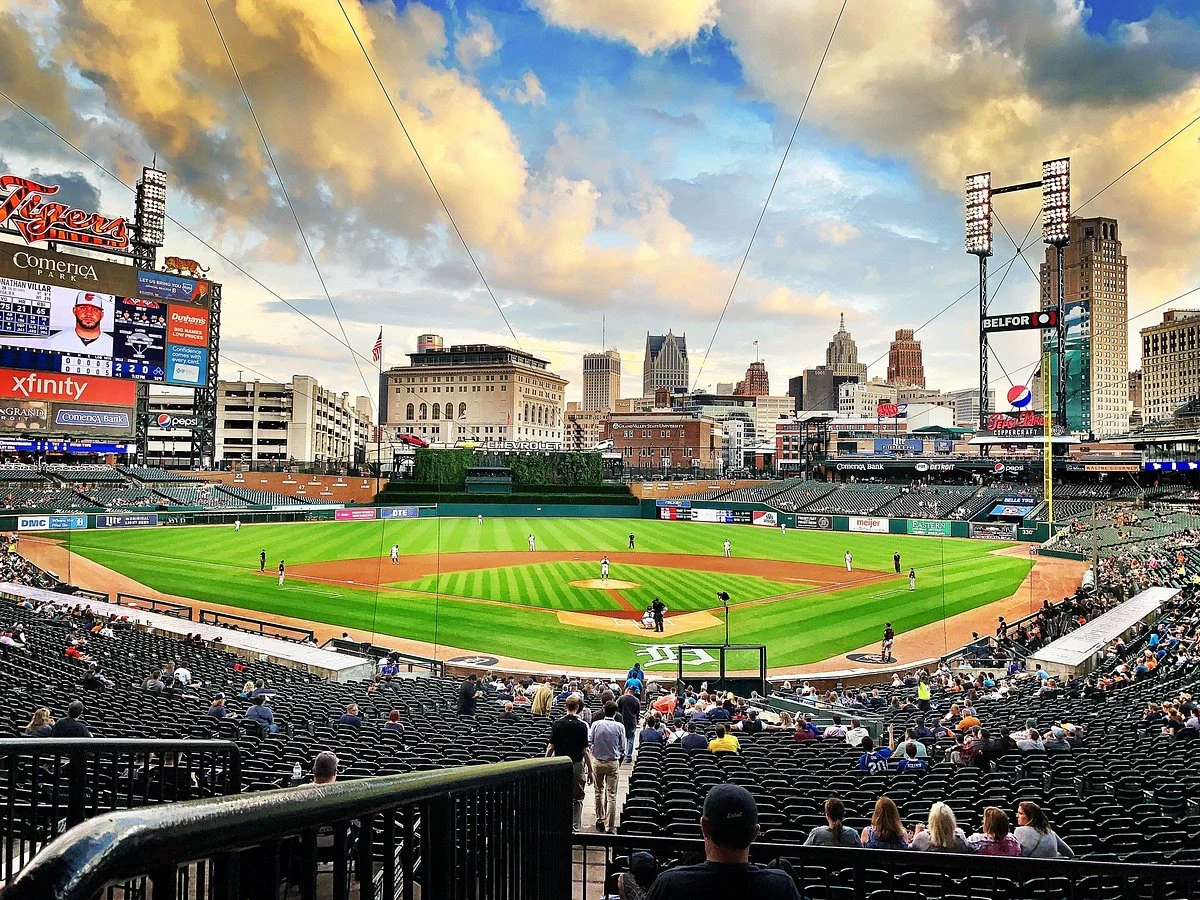
Detroit is an international destination for sporting events of all types; patrons enjoy their experience in world class venues. The Detroit Convention and Visitors bureau maintains the Detroit Metro Sports Commission. The city and region have state of the art facilities for major conferences and conventions.
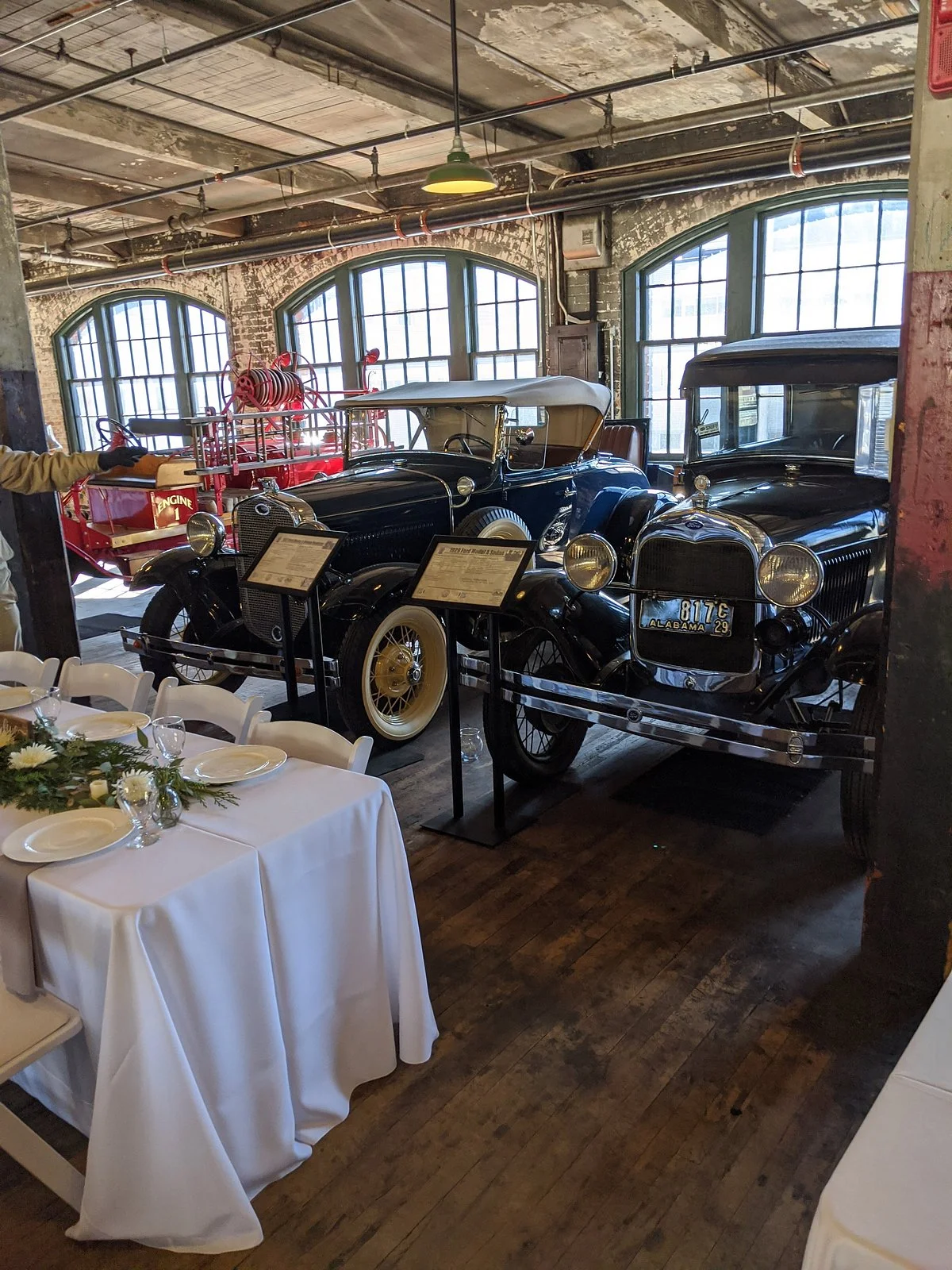
Detroit is known as the world's "Automobile Capital", "Motown" (for "Motor Town"), and "Motor City", the city where Henry Ford pioneered the automotive assembly line, with the world's first mass produced car, the Model T. During World War II, President Franklin D. Roosevelt called Detroit the "Arsenal of Democracy." Today, the region serves as the global center for the automotive world. Headquartered in metro Detroit, General Motors, Ford, and Chrysler all have major corporate, manufacturing, engineering, design, and research facilities in the area. Hyundai, Toyota, Nissan, among others, have a presence in the region. The University of Michigan in Ann Arbor is a global leader in research and development. Metro Detroit has made Michigan's economy a leader in information technology, life sciences, and advanced manufacturing. Michigan ranks fourth nationally in high tech employment with 568,000 high tech workers, including 70,000 in the automotive industry. Michigan typically ranks among the top three states for overall research and development investment expenditures in the U.S.