Paterson ( PAT-ər-sən) is the largest city in and the county seat of Passaic County, in the U.S. state of New Jersey. As of the 2020 United States census, the city was the state's third-most-populous municipality, with a population of 159,732.A prominent mill town within the New York area, Paterson has been known as the Silk City for its once-dominant role in silk production during the latter half of the 19th century.
It has since evolved into a major destination for Hispanic immigrants as well as for immigrants from Turkey, the Arab world, and South Asia.
Paterson has the nation's second-largest per capita Muslim population.
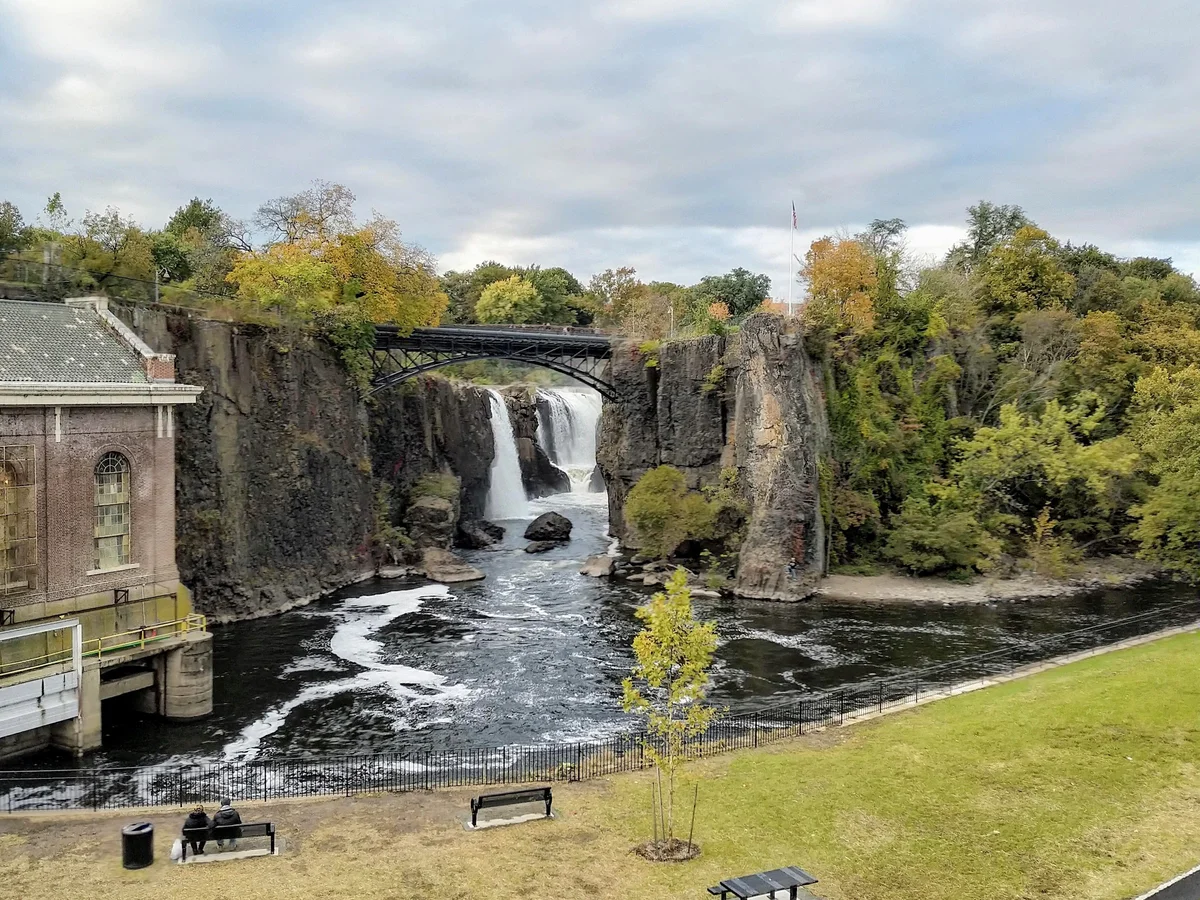
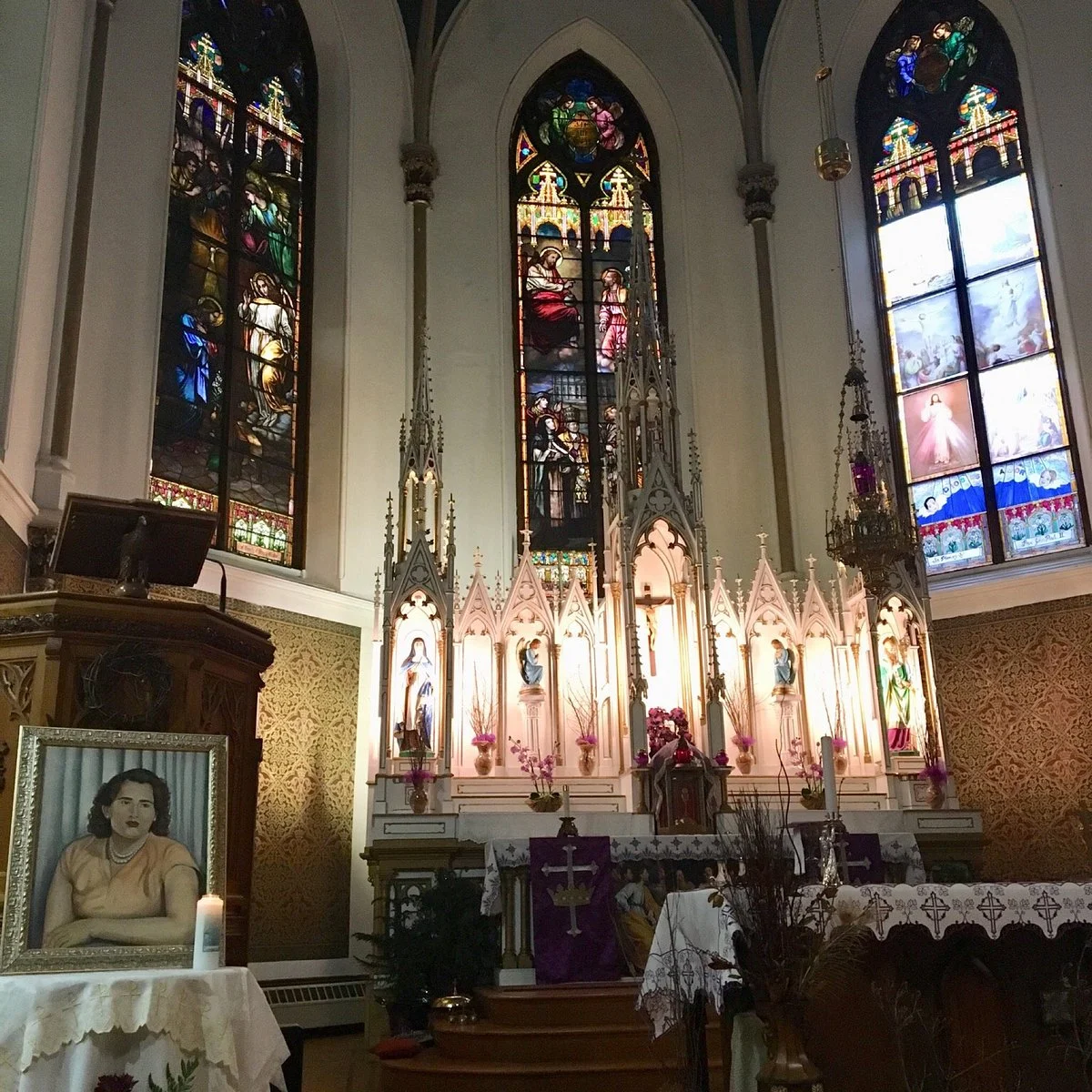
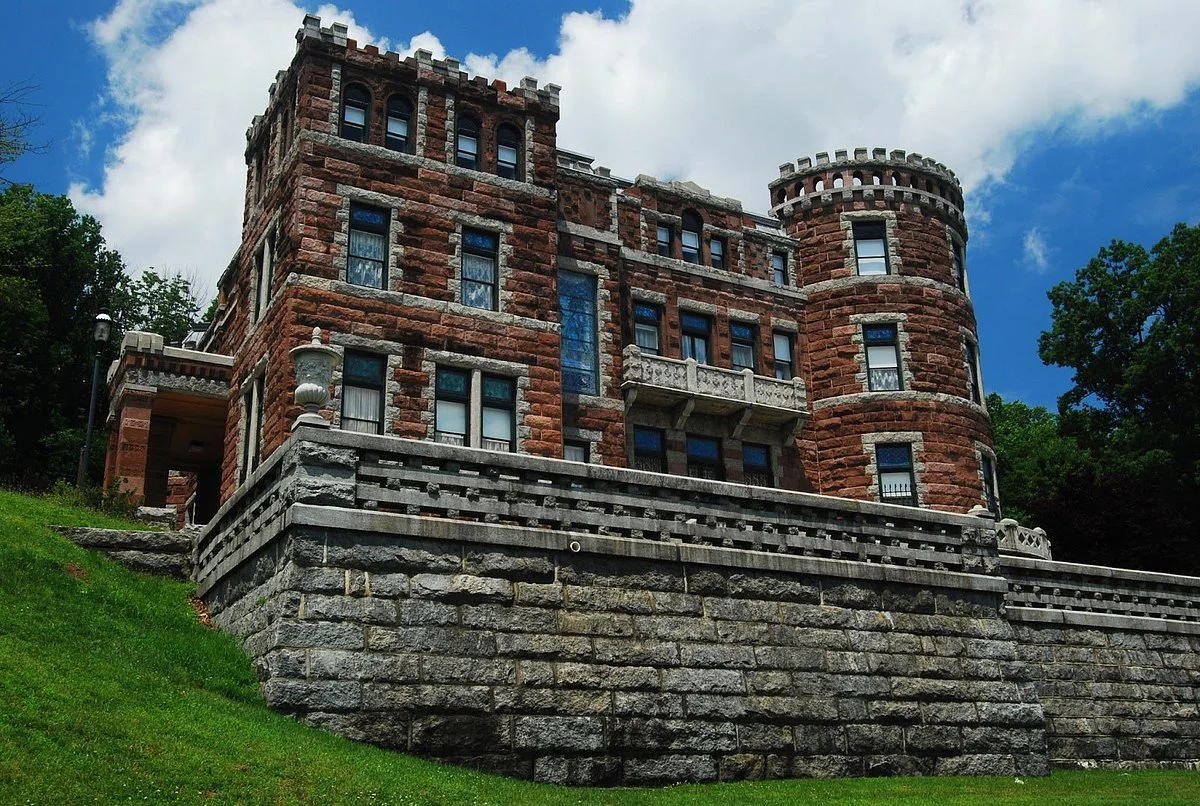
In addition, Paterson has some beautiful mill buildings near the falls that are in various states of repair or disrepair. Some have been repurposed as residential or office buildings, a Christian school, a silk store and so forth; some are undergoing renovation and conversion as of 2023; and others are in ruins, waiting for someone to restore their facades and turn them into something profitable. There are also various other pretty buildings that help make up Paterson's skyline, including several churches, the former Custom House, the central Post Office, and a sizable and distinctive City Hall with a prominent tower.
There are also many night clubs in Paterson catering to the hip hop and Latino communities. Though some of these clubs run illegally. It is best to stay with legitimate clubs in Downtown Paterson.
There are many Dominican, Peruvian, Italian, Puerto Rican, Arab, & African restaurants in Paterson.
You can get many cheap items in Paterson. Paterson has many discount clothing stores.
There are not that many hotels in Paterson. It is better to visit Paterson by day, or sleep over in a motel near Paterson.
= Paterson is easily accessible via Route 80 and Route 4 in New Jersey.
Paterson is a small city in area: it is only 8 square miles, but it has more than 150,000 residents. There are many bus lines that come frequently enough that you can travel from the city without a car.
Paterson is a major transit hub for Passaic County, and North Jersey. New Jersey Transit provide bus routes into and out of the city. Route 161, 190, and 171 provide service from Paterson to New York City. Route 72, provides service from Paterson to Newark's Penn Station. Also,route 74 702,703,704,707,712,722, (742 Sat Only), 744, 746, and 748 provide service throughout the city.
There are many dollar bus vans that provide express service from Paterson to Clifton, Passaic, Union City, and Times Square in Manhattan. You can ride these buses going down Main St. These buses also ride down Broadway. They provide service to Garden State Plaza, and GWB Bus Terminal in Upper Manhattan.
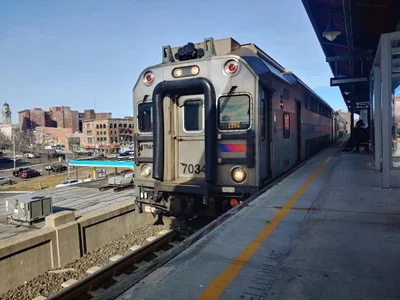
Paterson also has a train station on Market St., in the Downtown Area. You can take a train to Hoboken or Suffern, NY.
Having a car can be more convenient, though parking in some parts of the city is difficult.
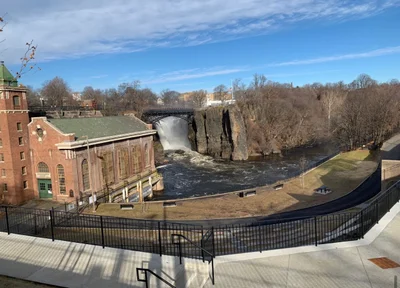
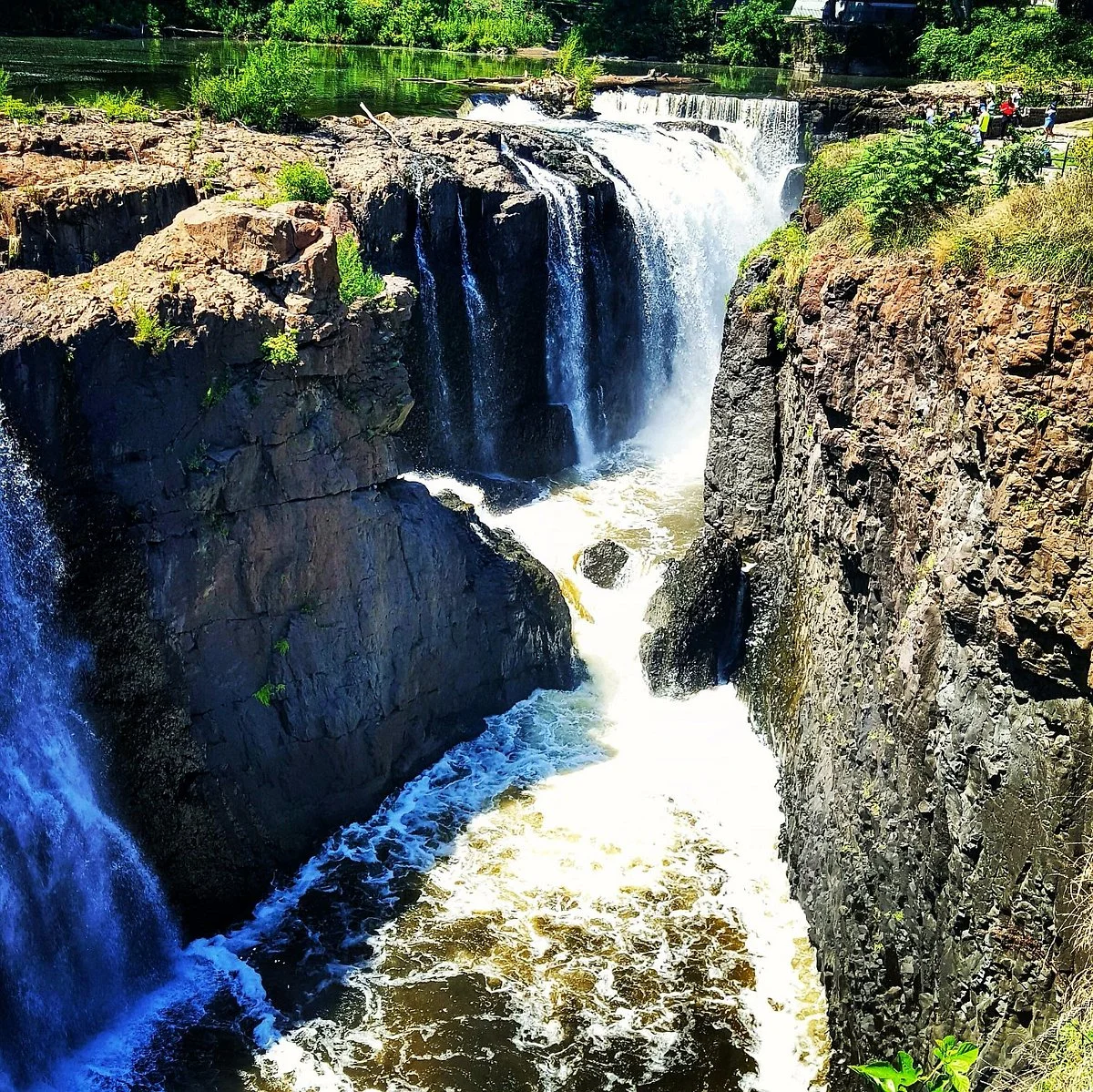
Paterson was the nation's first planned industrial city. It was established in 1791. The Paterson falls were a key element in the success of Paterson as the industrial leader of the nation during this time. The 77-foot falls' power was harnessed and provided power for the many industries in Paterson. Paterson was a rich city and enjoyed success throughout the late 1700s, 1800s and early 1900s (up until the 1950s). Paterson was nicknamed the silk city for its dominant role in the production in silk during the mid 1800s.
The city began to decline during the 1960s and 1970s was due to several factors. Many industries during this time began moving to the Midwest, and at the same time, many African Americans were moving into the city from the south. Factories were closing at the same time African Americans moved in looking for employment. Many white residents began leaving the city due to the declining economy. The opening of malls in nearby Paramus and Wayne also took away significant business from the city's downtown shopping district.
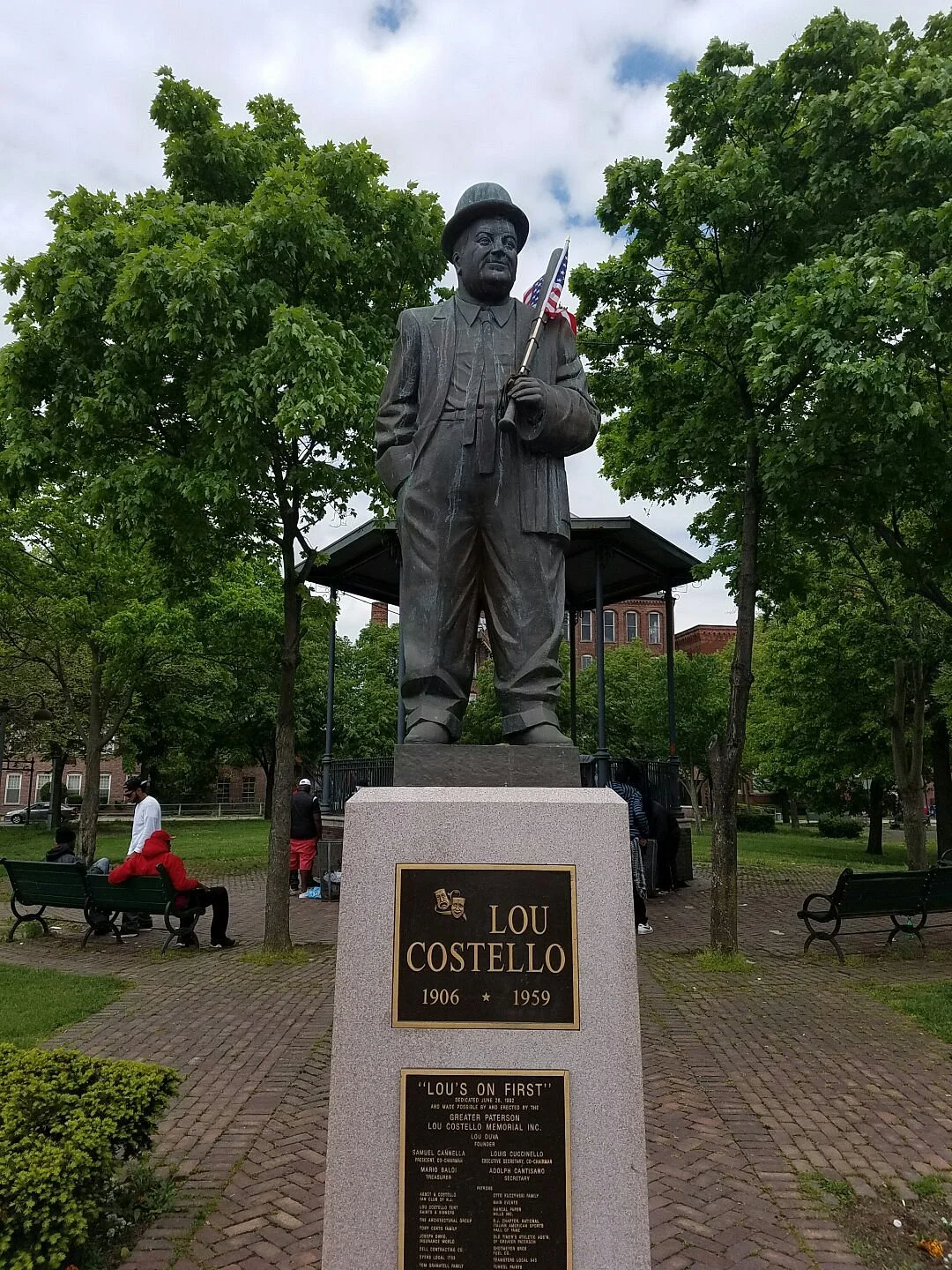
With a crippled economy and high unemployment rate, Paterson was becoming a ghetto. During the 1980s, crime increased significantly in the city. Crime rates dropped in the 1990s, but still remain high. There are many efforts underway to help revive the city. Despite the city's bad reputation, high crime rates, and poverty, there are a lot of places to go and things to do in this city. The city is very diverse and contains a very high population of Hispanics of all nationalities, African Americans, Italian Americans, South Asians and Arabs. There are numerous parks, ethnic places to eat, shop, hang out, and see.