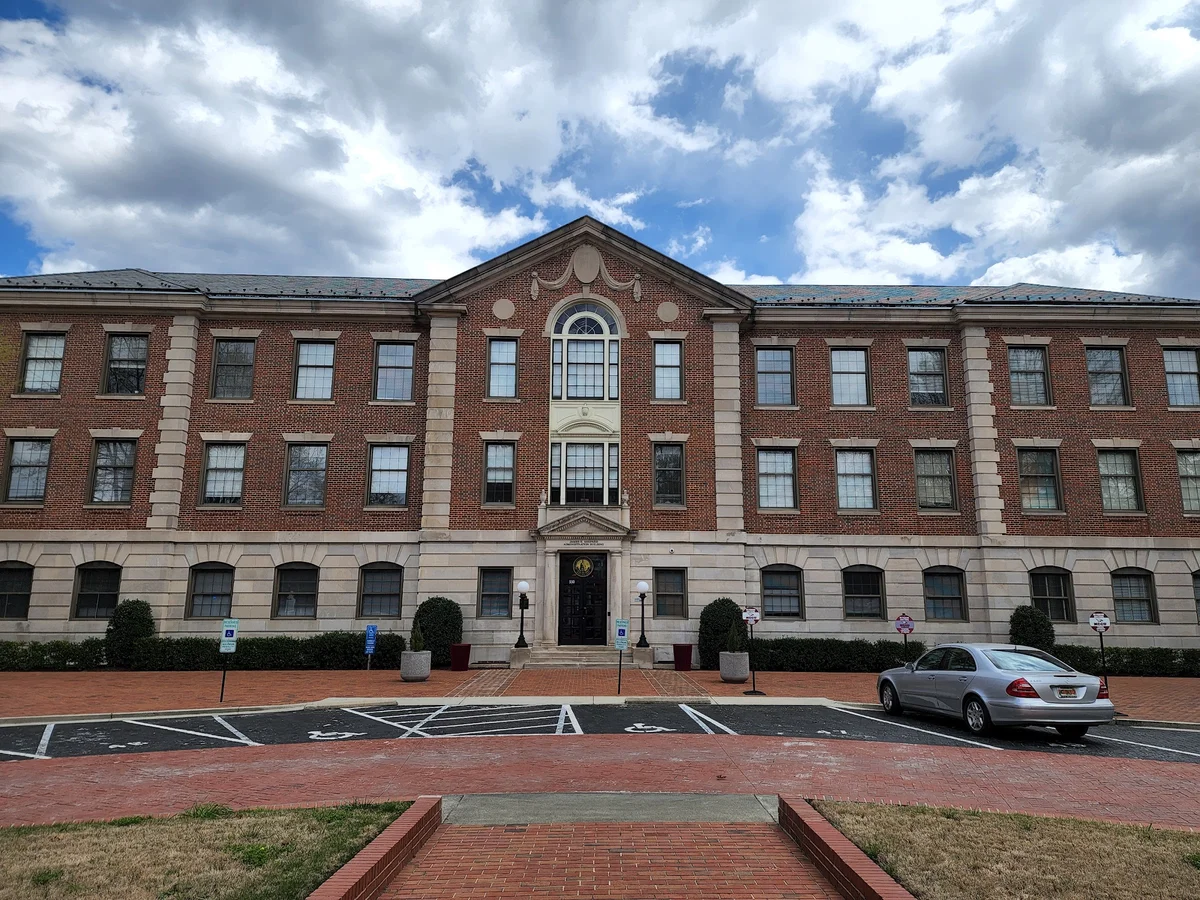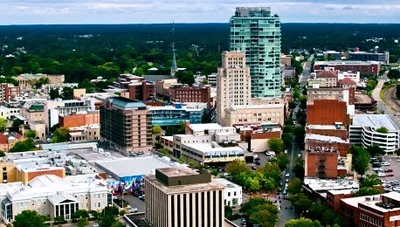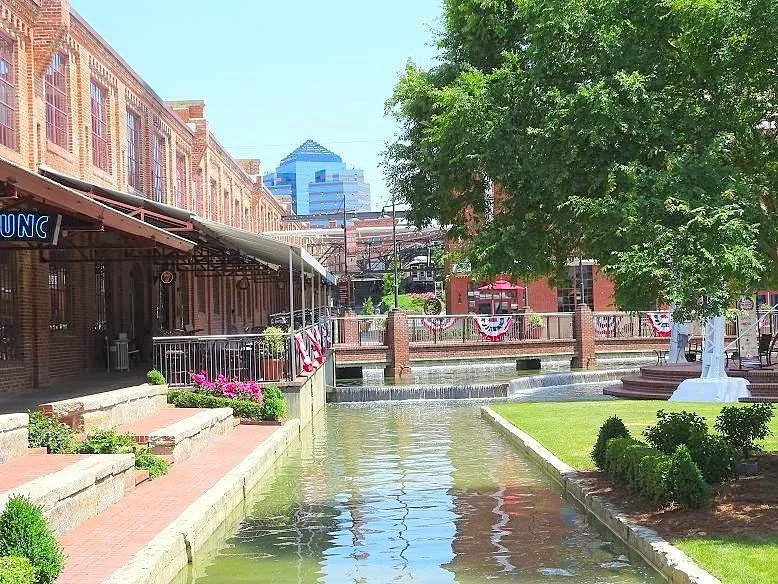
Durham ( DURR-əm) is a city in the U.S. state of North Carolina and the county seat of Durham County. Small portions of the city limits extend into Orange County and Wake County. With a population of 283,506 in the 2020 census, Durham is the 4th-most populous city in North Carolina, and the 71st-most populous city in the United States. The city is located in the east-central part of the Piedmont region along the Eno River. Durham is the core of the four-county Durham-Chapel Hill, NC Metropolitan Statistical Area, which had an estimated population of 608,879 in 2023. The Office of Management and Budget also includes Durham as a part of the Raleigh-Durham-Cary, NC Combined Statistical Area, commonly known as the Research Triangle, which had an estimated population of 2,368,947 in 2023.A railway depot was established in 1849 on land donated by Bartlett S. Durham, the namesake of the city. Following the American Civil War, the community of Durham Station expanded rapidly, in part due to the tobacco industry. The town was incorporated by act of the North Carolina General Assembly, in April 1869. The establishment of Durham County was ratified by the General Assembly 12 years later, in 1881. It became known as the founding place and headquarters of the American Tobacco Company. Textile and electric power industries also played an important role. While these industries have declined, Durham underwent revitalization and population growth to become an educational, medical, and research center.Durham is home to several recognized institutions of higher education, most notably Duke University and North Carolina Central University. Durham is also a national leader in health-related activities, which are focused on the Duke University Hospital and many private companies. Duke and its Duke University Health System are the largest employers in the city. North Carolina Central University is a historically black university that is part of the University of North Carolina System. Together, the two universities make Durham one of the vertices of the Research Triangle area; central to this is the Research Triangle Park south of Durham, which encompasses an area of 11 square miles and is devoted to research facilities.
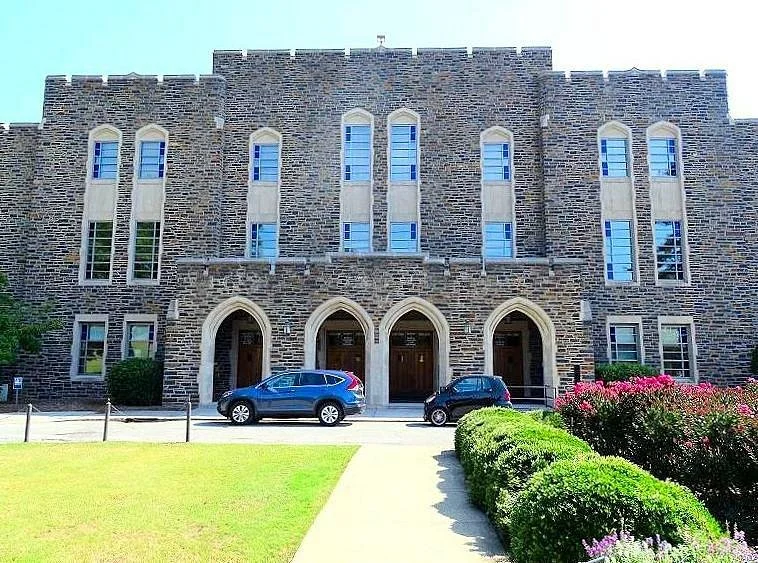
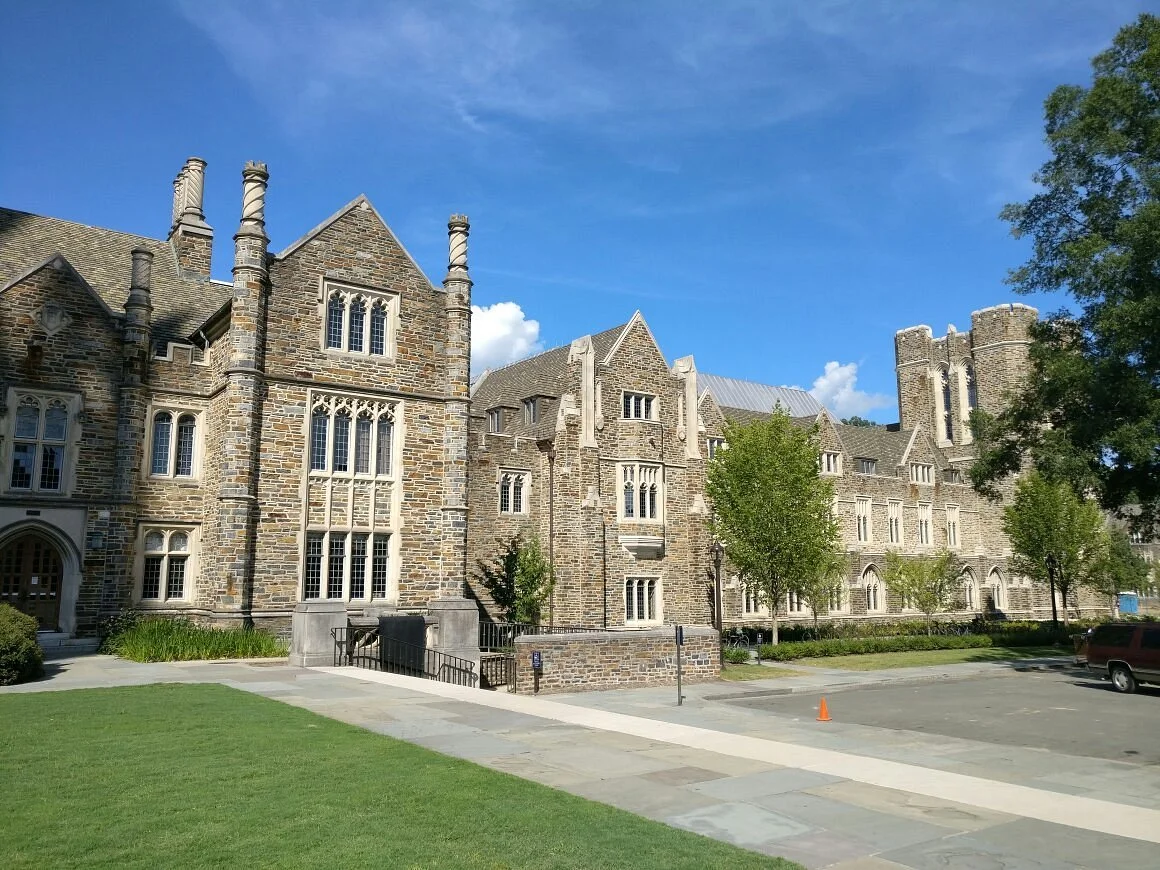
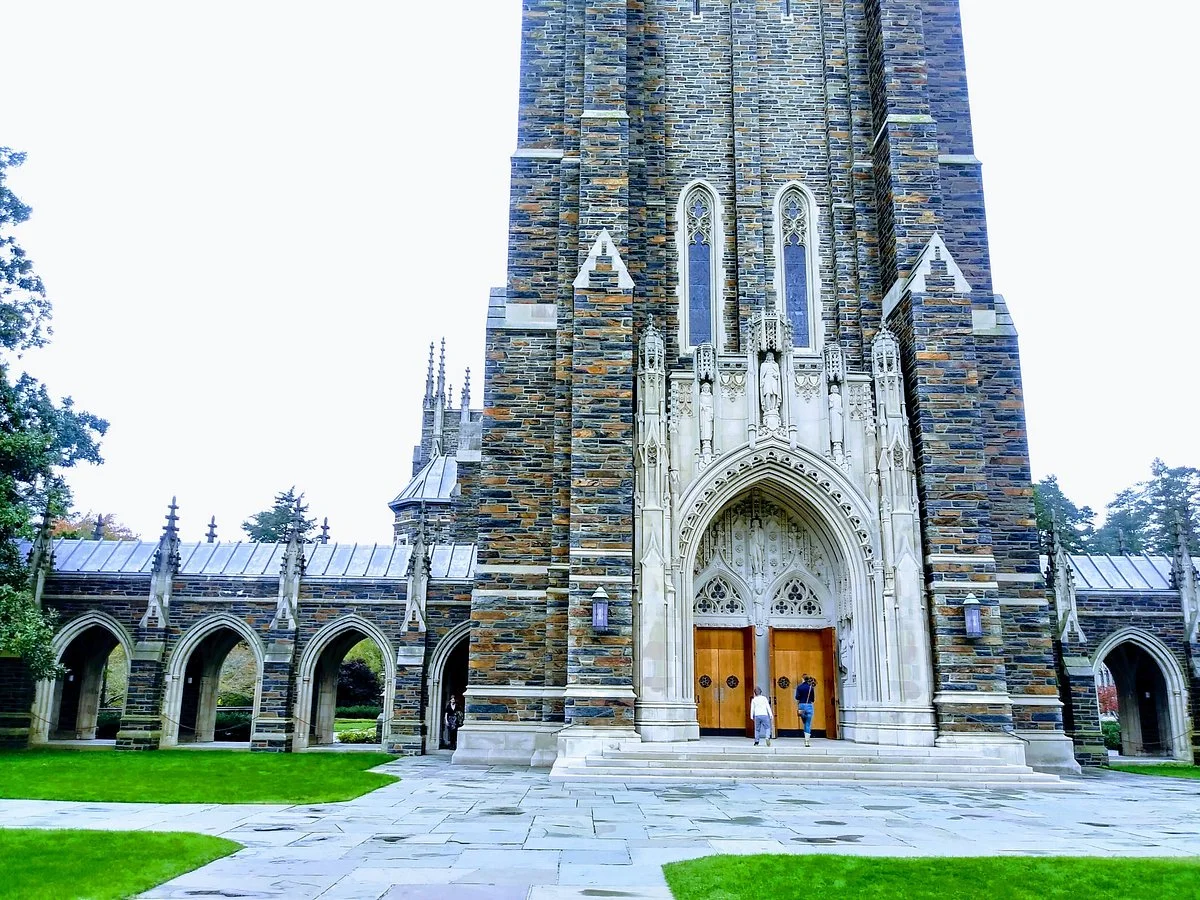
On the Duke University campus are the neo-Gothic Duke Chapel and the Nasher Museum of Art. Other notable sites in the city include the Museum of Life and Science, Durham Performing Arts Center, Carolina Theatre, and Duke Homestead and Tobacco Factory. Bennett Place commemorates the location where Joseph E. Johnston surrendered to William T. Sherman in the American Civil War. The city is served, along with Raleigh, by Raleigh–Durham International Airport.
Durham is a terrific city to eat in, and if you search around enough, you'll find no need to go to nearby Chapel Hill or Raleigh to cater to your tastes. From time-tested burger shacks to upscale eateries on par with Atlanta and Washington, it's easy to find unique flavors all over the city. There's an especially good concentration of remarkable eats around the Duke and Research Triangle Park areas, specifically 9th St/Brightleaf for the former and South Sq/Southpoint/54 for the latter.
Additionally, there are some nice bars around Duke's east campus, centered around the 9th St area and Brightleaf Square. Check out The Green Room (pool hall), Federal and James Joyce for a diverse and mellow crowd.
= Like Atlanta's infamous "Peachtree", Durham has a number of synonymous roadways, in some cases miles from each other. This can easily confuse visitors. The most notorious is Chapel Hill Rd/St/Blvd. The road goes from the city's Lakewood and West End neighborhoods to the Chapel Hill border via Shannon Plaza and the fringe of the South Square area. Mostly residential. The St acts as an arterial from downtown through West End, serving as a vibrant thoroughfare for the neighborhoods in between. "The Boulevard" as it is known in the neighborhoods surrounding it, courses from the foot of the Forest Hills neighborhood and bee-lines directly west to Chapel Hill, eventually becoming 15-501. Mainly commercial with lots of big-box retailers and chain restaurants. When in doubt, ask a local!
Parking is plentiful in Durham, even in the more populous areas. Be mindful of parking in residential zones in the city for extended periods without a permit.
On southbound South Gregson Street immediately after West Peabody Street, too many tall vehicles would hit a railroad bridge notoriously nicknamed 8 Bridge, which has been raised by to as of early November 2019. Yet reopened South Gregson Street under the rail still requires caution around any large vehicle not to be followed too closely.
Durham owes much of its wealth and history to tobacco. Through the second half of the 19th century, Washington Duke and his family grew from a single farm into American Tobacco, which controlled 90% of all cigarette production for the United States. The Duke family donated money to Trinity College, which in 1924 was renamed Duke University.
In the early 20th century, North Carolina Mutual Life Insurance Company, Mechanics & Farmers Bank, and Mutual Savings & Loan were founded in Durham by African-Americans. These prominent companies drew more African-American investment to Durham, to the point that Durham's Parrish Street neighborhood became known as "Black Wall Street." NC Mutual Life continues to this day as the oldest and largest African-American-owned life insurance company in the nation and as a visible part of the Durham skyline.
The last cigarette rolled out of Durham in 2000. Many of the old factory and warehouse structures have been converted into housing, retail, restaurant and office spaces. The city has changed its motto from "City of Tobacco" to "City of Medicine," based on the high concentration of medical practitioners and researchers at Duke and in Research Triangle Park, the Durham County special tax district formed in 1959 to attract high-tech jobs to the area.
Durham has a liberal trendy arts culture. It is an eclectic blend of the high class with an unusual concentration of four-star restaurants (part owing to a strange bit of local family history) to trendy cafés on 9th Street, the independent bookstore "the Regulator" which draws famed authors from former secretary of state Madeline Albright to expert on everything John Hodgeman. You'll find old hippies, bikers and families in generally happy co-existence. The area has a very active gay community which stages a famed regional film festival and an annual LGBT Pride march. Politically the area is dominated by Democratic politics in an otherwise Republican-leaning state.