Richmond ( RICH-mənd) is the capital city of the Commonwealth of Virginia in the United States. Incorporated in 1742, Richmond has been an independent city since 1871. The city's population in the 2020 census was 226,610, up from 204,214 in 2010, making it Virginia's fourth-most populous city. The Richmond metropolitan area, with over 1.3 million residents, is the Commonwealth's third-most populous.
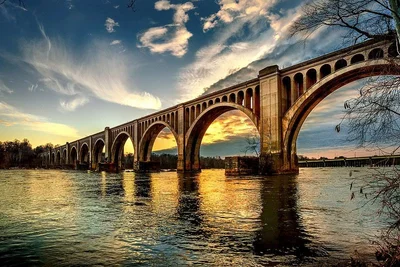
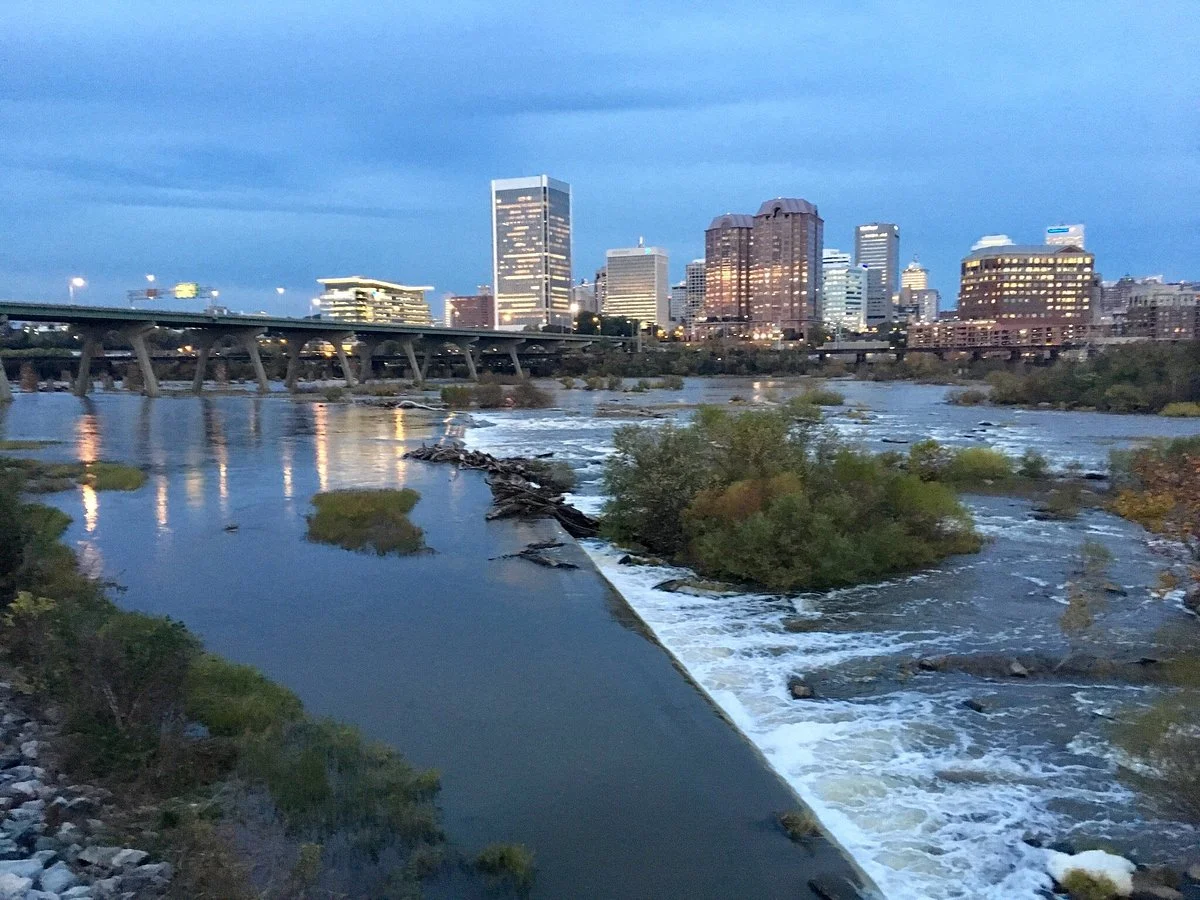
Richmond is located at the James River's fall line, 44 mi (71 km) west of Williamsburg, 66 mi (106 km) east of Charlottesville, 91 mi (146 km) east of Lynchburg and 92 mi (148 km) south of Washington, D.C. Surrounded by Henrico and Chesterfield counties, Richmond is at the intersection of Interstate 95 and Interstate 64 and encircled by Interstate 295, Virginia State Route 150 and Virginia State Route 288. Major suburbs include Midlothian to the southwest, Chesterfield to the south, Varina to the southeast, Sandston to the east, Glen Allen to the north and west, Short Pump to the west, and Mechanicsville to the northeast.Richmond was an important village in the Powhatan Confederacy and was briefly settled by English colonists from Jamestown from 1609 to 1611. Founded in 1737, it replaced Williamsburg as the capital of the Colony and Dominion of Virginia in 1780. During the Revolutionary War period, several notable events occurred in the city, including Patrick Henry's "Give me liberty, or give me death!" speech in 1775 at St. John's Church and the passage of the Virginia Statute for Religious Freedom written by Thomas Jefferson. During the American Civil War, Richmond was the capital of the Confederate States of America. The Jackson Ward neighborhood is the city's traditional hub of African American commerce and culture, once known as the "Black Wall Street of America" and the "Harlem of the South." At the beginning of the 20th century, Richmond had one of the world's first successful electric streetcar systems.
Law, finance, and government primarily drive Richmond's economy. The downtown area is home to federal, state, and local governmental agencies as well as notable legal and banking firms. The greater metropolitan area includes several Fortune 500 companies: Performance Food Group, Altria, CarMax, Dominion Energy, Markel, Owens and Minor, Genworth Financial, and ARKO Corp. The city is home to the U.S. Court of Appeals for the 4th Circuit and a Federal Reserve Bank (one of 13 such courts and one of 12 such banks).
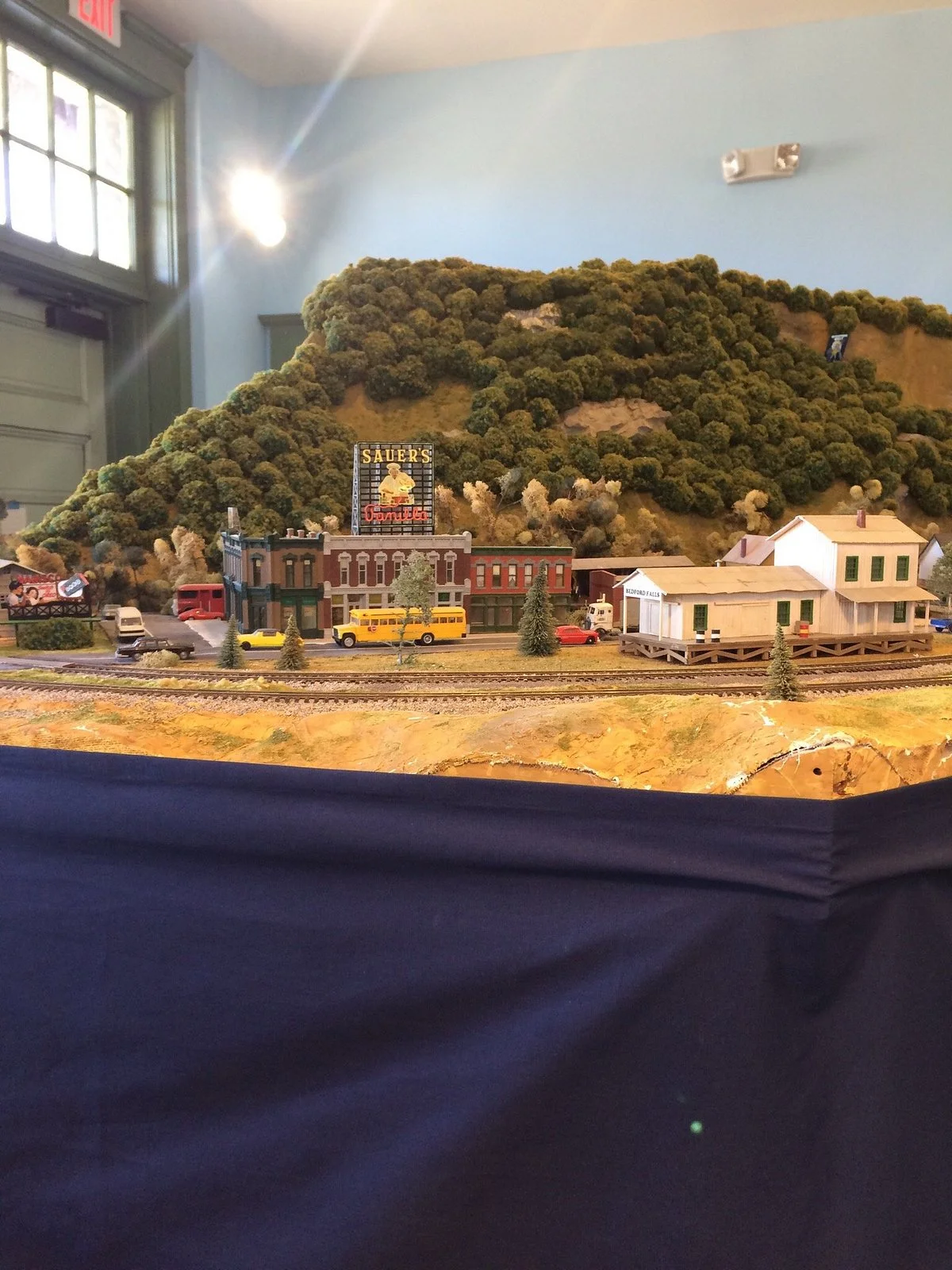
Highlights include the Richmond Railroad Museum in Southside, Richmond National Battlefield Park and the Tredegar Iron Works on Tredegar Street downtown, and the Science Museum of Virginia in the Museum District. Monroe Park named after James Monroe the 5th president of the United States (1817–1825).
Many of Richmond's fine restaurants may be found in the historic district downtown called Shockoe Bottom, in the Downtown area.
The West End has good shopping options.
Richmond is one of the oldest American cities. The site had been inhabited by the Powhatan Indians, before it was settled in 1607 by Capt. Christopher Newport and Capt. John Smith, both English. It was named after the London suburb of Richmond-upon-Thames, by William Byrd II. The settlement, little more than a trading post for furs, hides, and tobacco ,did not become a city until 1742, and became the state capital of Virginia in 1782.
Despite the city's position in the confederacy, Richmond is not a typical Southern town. Richmond was and still is an industrialized urban center with strong economic ties to the North and West as well as the South. It was home to slaveowners and slaves, white immigrants and free blacks.
Despite the city being very Pro-Union, during the American Civil War, it served as the capital of the Confederacy. When the Northern Army invaded Richmond, the fleeing Confederate government set fire to the city's munitions stores and government records they were unable to take with them. The fire grew out of control when winds picked up, and most of the city burned. The soldiers from the Union helped to put out the fires upon their arrival.
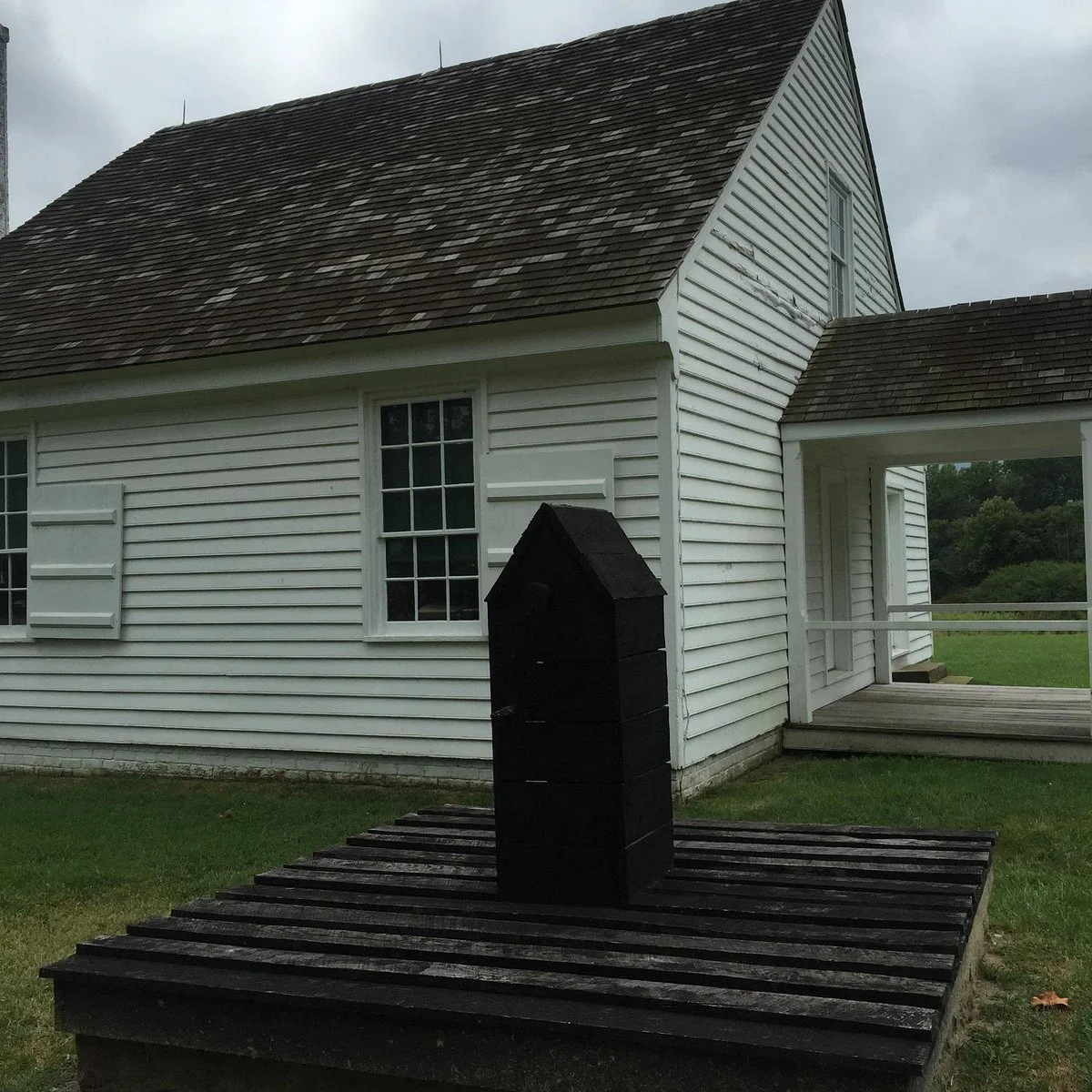
Though much of its colonial past has disappeared, it is rich in Civil War history and lore. There are, among other things, a Civil War prison site on Belle Isle, the house Robert E. Lee lived in, the state Capitol (which Thomas Jefferson designed and said was inspired by the Maison Carrée at Nimes, France) which served as the Confederate Capitol during the war, a museum of the Confederacy, the original Confederate White House, and Hollywood Cemetery in the heart of the city where more than 18,000 Confederate soldiers are laid to rest. However, the 60-foot-tall Robert E. Lee Monument that starting in 1890 dominated Monument Avenue was removed on September 8, 2021, in response to protests, showing how this city has changed. Richmond has the most forged iron outside of New Orleans, and one of the first African American neighborhoods (Jackson Ward).