
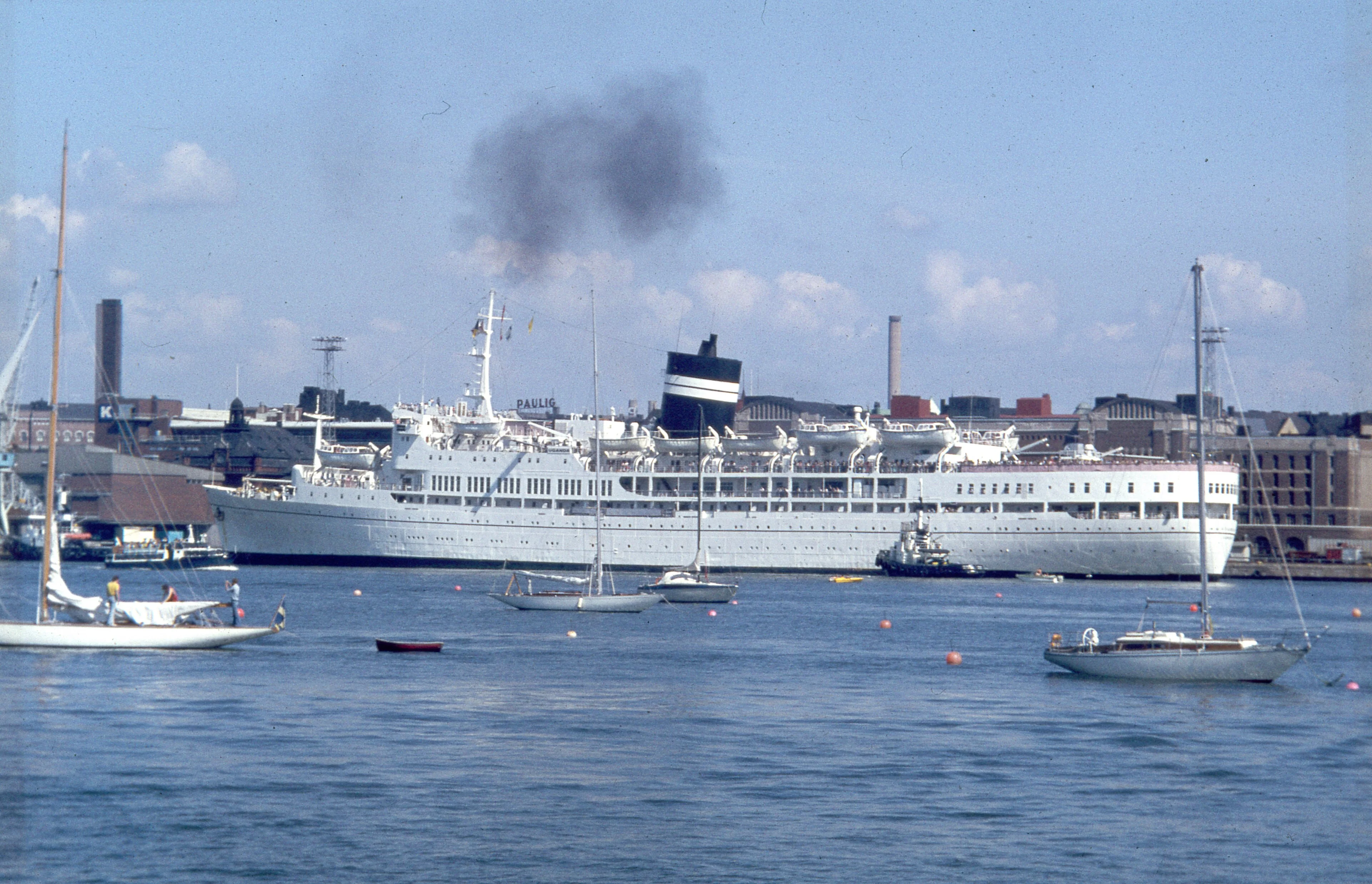
The harbour sets the scale
Helsinki becomes more legible when the day is organised around a question rather than a list. The question in this part of the journey is how to begin where ferries, market stalls and weather make the Baltic relationship visible. That choice changes the pace: attention moves from proof of arrival to the relationships between streets, institutions, weather and the people who keep them working. It also makes room for contradiction. A beautiful surface can hold contested history; a celebrated district can remain somebody’s route to school or work. Spend long enough to notice those layers, and avoid turning a first impression into a verdict. This is chapter 1 of an arrival that should remain open to correction.
The useful practice is specific. Check current sailing information and dress for a deck that can feel colder than the centre. Check opening hours, access and local conditions through the recorded sources before setting out, because schedules and rules change more quickly than travel copy. If a plan depends on weather, worship, a ferry, a performance or limited capacity, build a genuine alternative instead of pressuring the place to honour an old assumption. Spend with people who have chosen to receive visitors, seek consent before making portraits, and keep private life outside the frame. In Helsinki, good judgement is not an interruption to discovery. It is the method that lets curiosity last beyond the first photograph.
A tram as a first chapter
Helsinki becomes more legible when the day is organised around a question rather than a list. The question in this part of the journey is how to use one central tram journey to understand the relationship between station, waterfront and residential streets. That choice changes the pace: attention moves from proof of arrival to the relationships between streets, institutions, weather and the people who keep them working. It also makes room for contradiction. A beautiful surface can hold contested history; a celebrated district can remain somebody’s route to school or work. Spend long enough to notice those layers, and avoid turning a first impression into a verdict. This is chapter 2 of an arrival that should remain open to correction.
The useful practice is specific. Use HSL for current tickets, disruptions and accessible boarding information. Check opening hours, access and local conditions through the recorded sources before setting out, because schedules and rules change more quickly than travel copy. If a plan depends on weather, worship, a ferry, a performance or limited capacity, build a genuine alternative instead of pressuring the place to honour an old assumption. Spend with people who have chosen to receive visitors, seek consent before making portraits, and keep private life outside the frame. In Helsinki, good judgement is not an interruption to discovery. It is the method that lets curiosity last beyond the first photograph.
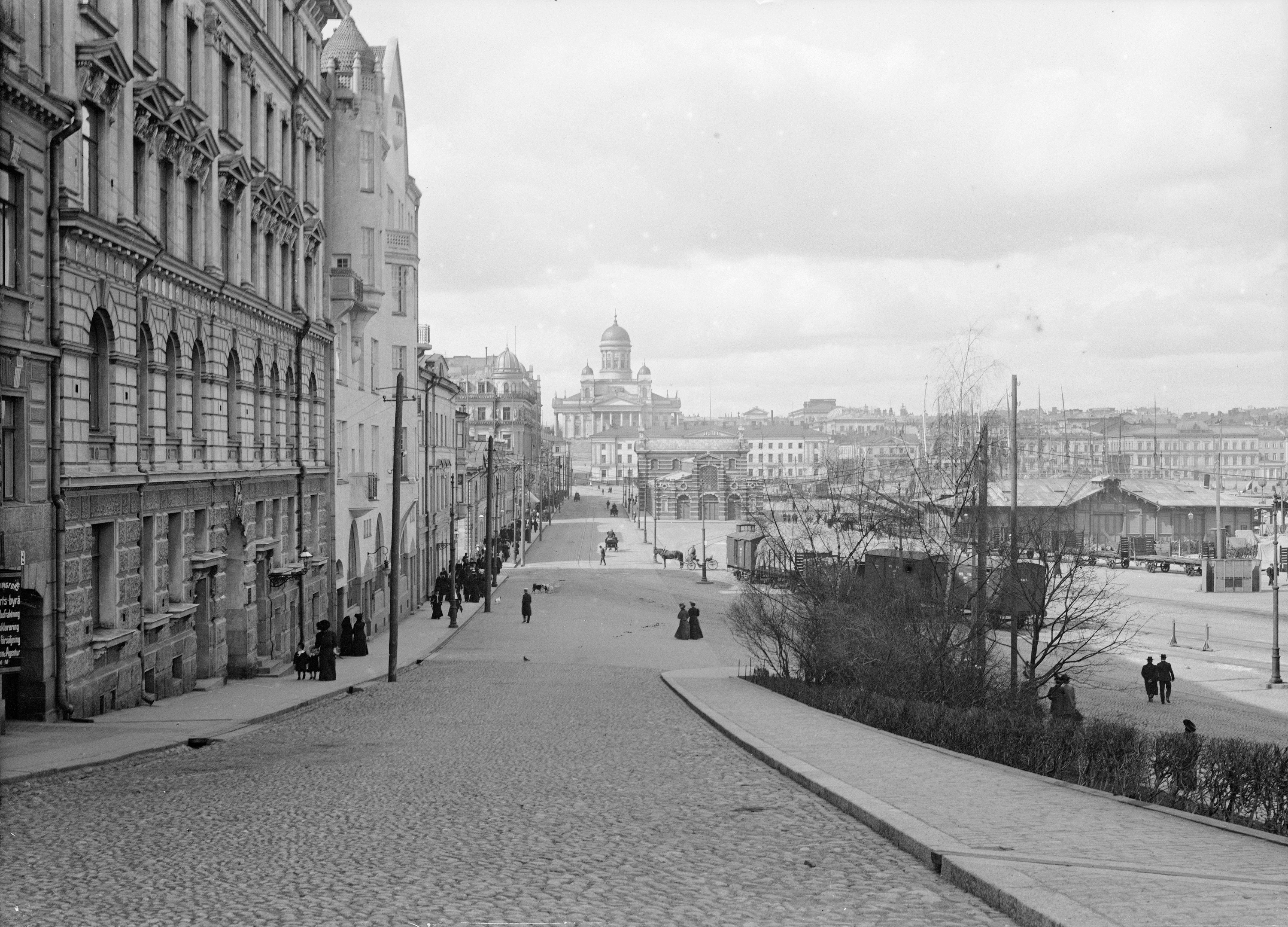
Suomenlinna is lived heritage
Helsinki becomes more legible when the day is organised around a question rather than a list. The question in this part of the journey is how to visit the sea fortress as a neighbourhood and workplace as well as a UNESCO site. That choice changes the pace: attention moves from proof of arrival to the relationships between streets, institutions, weather and the people who keep them working. It also makes room for contradiction. A beautiful surface can hold contested history; a celebrated district can remain somebody’s route to school or work. Spend long enough to notice those layers, and avoid turning a first impression into a verdict. This is chapter 3 of an arrival that should remain open to correction.
The useful practice is specific. Stay on marked routes, respect homes and verify ferry and museum opening times. Check opening hours, access and local conditions through the recorded sources before setting out, because schedules and rules change more quickly than travel copy. If a plan depends on weather, worship, a ferry, a performance or limited capacity, build a genuine alternative instead of pressuring the place to honour an old assumption. Spend with people who have chosen to receive visitors, seek consent before making portraits, and keep private life outside the frame. In Helsinki, good judgement is not an interruption to discovery. It is the method that lets curiosity last beyond the first photograph.
Design in ordinary use
Helsinki becomes more legible when the day is organised around a question rather than a list. The question in this part of the journey is how to look beyond shops to libraries, stations, tableware and street furniture used every day. That choice changes the pace: attention moves from proof of arrival to the relationships between streets, institutions, weather and the people who keep them working. It also makes room for contradiction. A beautiful surface can hold contested history; a celebrated district can remain somebody’s route to school or work. Spend long enough to notice those layers, and avoid turning a first impression into a verdict. This is chapter 4 of an arrival that should remain open to correction.
The useful practice is specific. Pair one design institution with a public space and avoid turning consumption into the only way to participate. Check opening hours, access and local conditions through the recorded sources before setting out, because schedules and rules change more quickly than travel copy. If a plan depends on weather, worship, a ferry, a performance or limited capacity, build a genuine alternative instead of pressuring the place to honour an old assumption. Spend with people who have chosen to receive visitors, seek consent before making portraits, and keep private life outside the frame. In Helsinki, good judgement is not an interruption to discovery. It is the method that lets curiosity last beyond the first photograph.
A table with context
Helsinki becomes more legible when the day is organised around a question rather than a list. The question in this part of the journey is how to choose food by season, neighbourhood and appetite instead of pursuing a list assembled for social media. That choice changes the pace: attention moves from proof of arrival to the relationships between streets, institutions, weather and the people who keep them working. It also makes room for contradiction. A beautiful surface can hold contested history; a celebrated district can remain somebody’s route to school or work. Spend long enough to notice those layers, and avoid turning a first impression into a verdict. This is chapter 5 of an arrival that should remain open to correction.
The useful practice is specific. Reserve scarce tables, accept queues without blocking the street, and follow local tipping and dietary guidance. Check opening hours, access and local conditions through the recorded sources before setting out, because schedules and rules change more quickly than travel copy. If a plan depends on weather, worship, a ferry, a performance or limited capacity, build a genuine alternative instead of pressuring the place to honour an old assumption. Spend with people who have chosen to receive visitors, seek consent before making portraits, and keep private life outside the frame. In Helsinki, good judgement is not an interruption to discovery. It is the method that lets curiosity last beyond the first photograph.
Weather edits the plan
Helsinki becomes more legible when the day is organised around a question rather than a list. The question in this part of the journey is how to give wind, heat, rain and changing daylight authority over the order of the day. That choice changes the pace: attention moves from proof of arrival to the relationships between streets, institutions, weather and the people who keep them working. It also makes room for contradiction. A beautiful surface can hold contested history; a celebrated district can remain somebody’s route to school or work. Spend long enough to notice those layers, and avoid turning a first impression into a verdict. This is chapter 6 of an arrival that should remain open to correction.
The useful practice is specific. Use the official forecast and maintain an indoor alternative that is worthwhile rather than merely second best. Check opening hours, access and local conditions through the recorded sources before setting out, because schedules and rules change more quickly than travel copy. If a plan depends on weather, worship, a ferry, a performance or limited capacity, build a genuine alternative instead of pressuring the place to honour an old assumption. Spend with people who have chosen to receive visitors, seek consent before making portraits, and keep private life outside the frame. In Helsinki, good judgement is not an interruption to discovery. It is the method that lets curiosity last beyond the first photograph.
“The first morning is not empty time before the trip. It is where Helsinki begins correcting the itinerary.”
A deliberate first day
- MorningFind the city’s scale
Walk a compact route in Helsinki and stop before fatigue turns orientation into endurance.
Open on Rivileo - MiddayChoose one deep visit
Give one institution, market or heritage place enough time for context and current guidance.
- AfternoonUse ordinary transport
Take a useful local journey and verify the return before the service thins.
- EveningLeave room
Eat near the route, keep noise low and finish with margin for rest or changed conditions.