
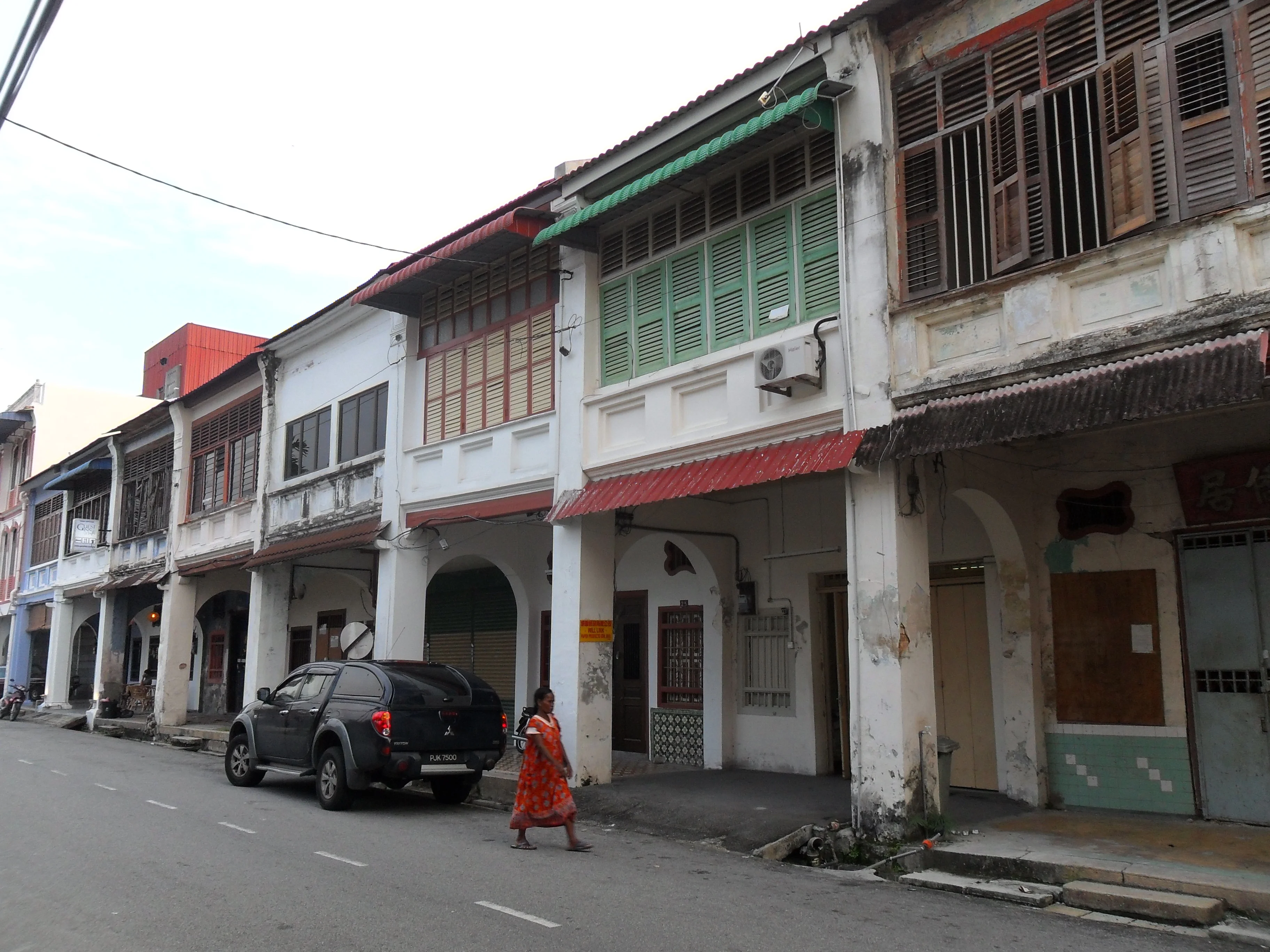
Breakfast is not a checklist
Penang Island becomes more legible when the day is organised around a question rather than a list. The question in this part of the journey is how to begin with one hawker centre and learn its rhythm before collecting famous dishes. That choice changes the pace: attention moves from proof of arrival to the relationships between streets, institutions, weather and the people who keep them working. It also makes room for contradiction. A beautiful surface can hold contested history; a celebrated district can remain somebody’s route to school or work. Spend long enough to notice those layers, and avoid turning a first impression into a verdict. This is chapter 1 of an arrival that should remain open to correction.
The useful practice is specific. Carry small payment options, return trays where asked and follow current hygiene guidance. Check opening hours, access and local conditions through the recorded sources before setting out, because schedules and rules change more quickly than travel copy. If a plan depends on weather, worship, a ferry, a performance or limited capacity, build a genuine alternative instead of pressuring the place to honour an old assumption. Spend with people who have chosen to receive visitors, seek consent before making portraits, and keep private life outside the frame. In Penang Island, good judgement is not an interruption to discovery. It is the method that lets curiosity last beyond the first photograph.
A living heritage city
Penang Island becomes more legible when the day is organised around a question rather than a list. The question in this part of the journey is how to hold clan houses, mosques, temples, churches and shophouses within the communities that maintain them. That choice changes the pace: attention moves from proof of arrival to the relationships between streets, institutions, weather and the people who keep them working. It also makes room for contradiction. A beautiful surface can hold contested history; a celebrated district can remain somebody’s route to school or work. Spend long enough to notice those layers, and avoid turning a first impression into a verdict. This is chapter 2 of an arrival that should remain open to correction.
The useful practice is specific. Dress respectfully, observe worship schedules and ask before photographing people. Check opening hours, access and local conditions through the recorded sources before setting out, because schedules and rules change more quickly than travel copy. If a plan depends on weather, worship, a ferry, a performance or limited capacity, build a genuine alternative instead of pressuring the place to honour an old assumption. Spend with people who have chosen to receive visitors, seek consent before making portraits, and keep private life outside the frame. In Penang Island, good judgement is not an interruption to discovery. It is the method that lets curiosity last beyond the first photograph.
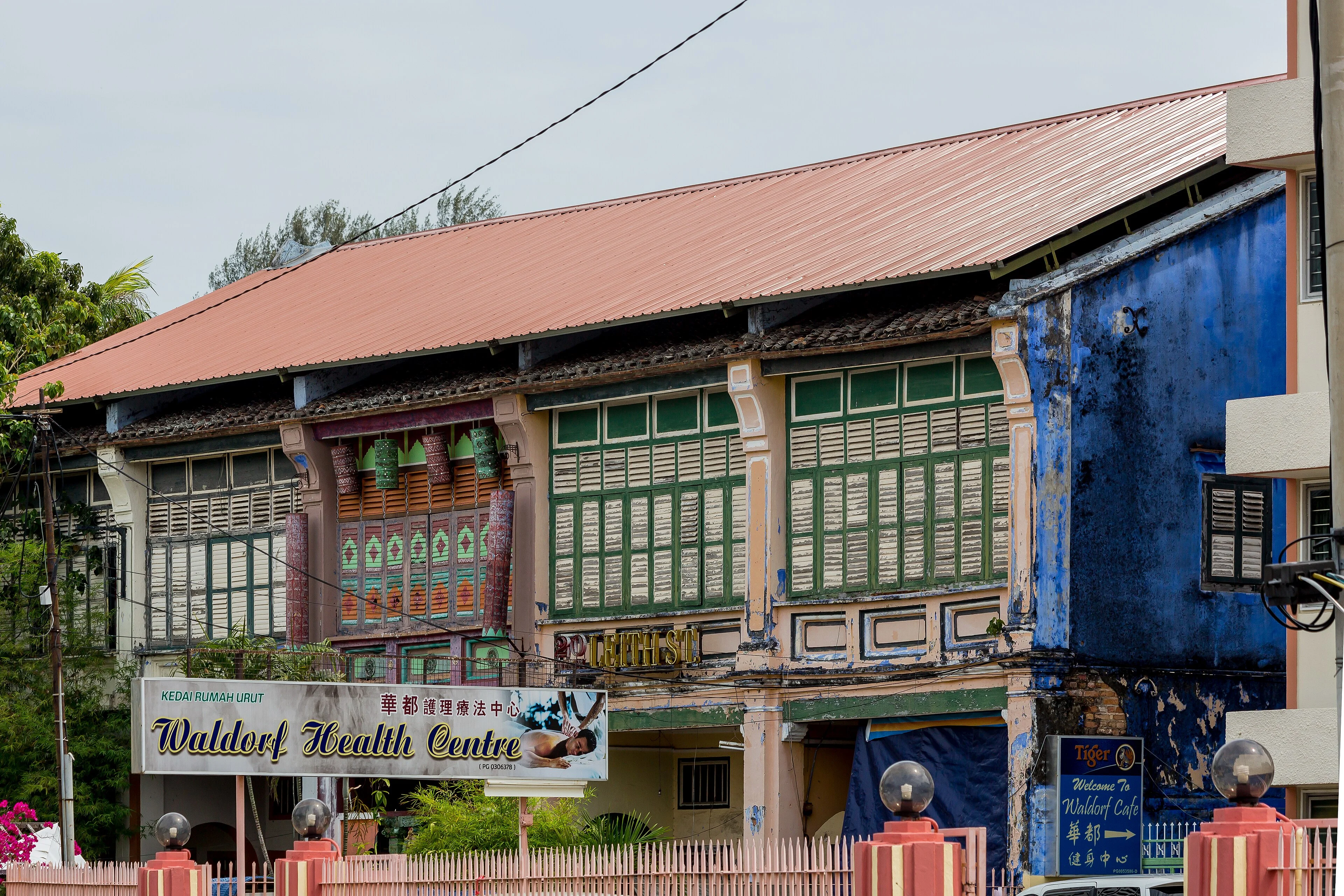
Heat determines honesty
Penang Island becomes more legible when the day is organised around a question rather than a list. The question in this part of the journey is how to build shade, water and a midday pause into the route instead of treating discomfort as achievement. That choice changes the pace: attention moves from proof of arrival to the relationships between streets, institutions, weather and the people who keep them working. It also makes room for contradiction. A beautiful surface can hold contested history; a celebrated district can remain somebody’s route to school or work. Spend long enough to notice those layers, and avoid turning a first impression into a verdict. This is chapter 3 of an arrival that should remain open to correction.
The useful practice is specific. Use official heat and storm advice and shorten outdoor plans when conditions demand it. Check opening hours, access and local conditions through the recorded sources before setting out, because schedules and rules change more quickly than travel copy. If a plan depends on weather, worship, a ferry, a performance or limited capacity, build a genuine alternative instead of pressuring the place to honour an old assumption. Spend with people who have chosen to receive visitors, seek consent before making portraits, and keep private life outside the frame. In Penang Island, good judgement is not an interruption to discovery. It is the method that lets curiosity last beyond the first photograph.
Read the working city
Penang Island becomes more legible when the day is organised around a question rather than a list. The question in this part of the journey is how to notice deliveries, school journeys, market setup and the quiet labour behind a polished visitor district. That choice changes the pace: attention moves from proof of arrival to the relationships between streets, institutions, weather and the people who keep them working. It also makes room for contradiction. A beautiful surface can hold contested history; a celebrated district can remain somebody’s route to school or work. Spend long enough to notice those layers, and avoid turning a first impression into a verdict. This is chapter 4 of an arrival that should remain open to correction.
The useful practice is specific. Keep doorways, platforms and cycle lanes clear, and ask before photographing identifiable people at work. Check opening hours, access and local conditions through the recorded sources before setting out, because schedules and rules change more quickly than travel copy. If a plan depends on weather, worship, a ferry, a performance or limited capacity, build a genuine alternative instead of pressuring the place to honour an old assumption. Spend with people who have chosen to receive visitors, seek consent before making portraits, and keep private life outside the frame. In Penang Island, good judgement is not an interruption to discovery. It is the method that lets curiosity last beyond the first photograph.
The map in the body
Penang Island becomes more legible when the day is organised around a question rather than a list. The question in this part of the journey is how to learn distance through one walk and one ordinary public-transport journey before relying on a sequence of car rides. That choice changes the pace: attention moves from proof of arrival to the relationships between streets, institutions, weather and the people who keep them working. It also makes room for contradiction. A beautiful surface can hold contested history; a celebrated district can remain somebody’s route to school or work. Spend long enough to notice those layers, and avoid turning a first impression into a verdict. This is chapter 5 of an arrival that should remain open to correction.
The useful practice is specific. Check live accessibility, fare and service information with the local operator on the day of travel. Check opening hours, access and local conditions through the recorded sources before setting out, because schedules and rules change more quickly than travel copy. If a plan depends on weather, worship, a ferry, a performance or limited capacity, build a genuine alternative instead of pressuring the place to honour an old assumption. Spend with people who have chosen to receive visitors, seek consent before making portraits, and keep private life outside the frame. In Penang Island, good judgement is not an interruption to discovery. It is the method that lets curiosity last beyond the first photograph.
A table with context
Penang Island becomes more legible when the day is organised around a question rather than a list. The question in this part of the journey is how to choose food by season, neighbourhood and appetite instead of pursuing a list assembled for social media. That choice changes the pace: attention moves from proof of arrival to the relationships between streets, institutions, weather and the people who keep them working. It also makes room for contradiction. A beautiful surface can hold contested history; a celebrated district can remain somebody’s route to school or work. Spend long enough to notice those layers, and avoid turning a first impression into a verdict. This is chapter 6 of an arrival that should remain open to correction.
The useful practice is specific. Reserve scarce tables, accept queues without blocking the street, and follow local tipping and dietary guidance. Check opening hours, access and local conditions through the recorded sources before setting out, because schedules and rules change more quickly than travel copy. If a plan depends on weather, worship, a ferry, a performance or limited capacity, build a genuine alternative instead of pressuring the place to honour an old assumption. Spend with people who have chosen to receive visitors, seek consent before making portraits, and keep private life outside the frame. In Penang Island, good judgement is not an interruption to discovery. It is the method that lets curiosity last beyond the first photograph.
“The first morning is not empty time before the trip. It is where Penang Island begins correcting the itinerary.”
A deliberate first day
- MorningFind the city’s scale
Walk a compact route in Penang Island and stop before fatigue turns orientation into endurance.
Open on Rivileo - MiddayChoose one deep visit
Give one institution, market or heritage place enough time for context and current guidance.
- AfternoonUse ordinary transport
Take a useful local journey and verify the return before the service thins.
- EveningLeave room
Eat near the route, keep noise low and finish with margin for rest or changed conditions.