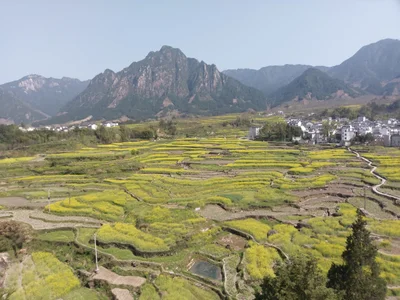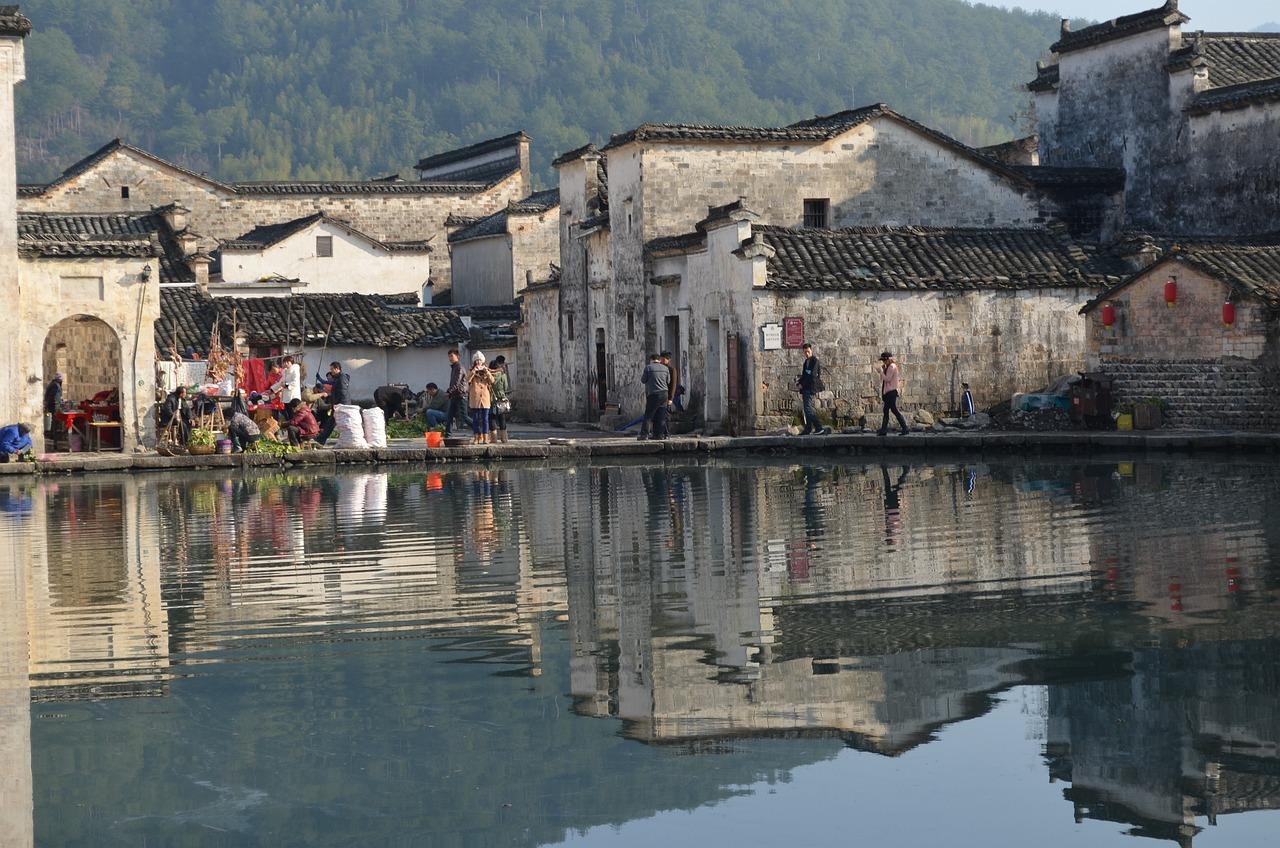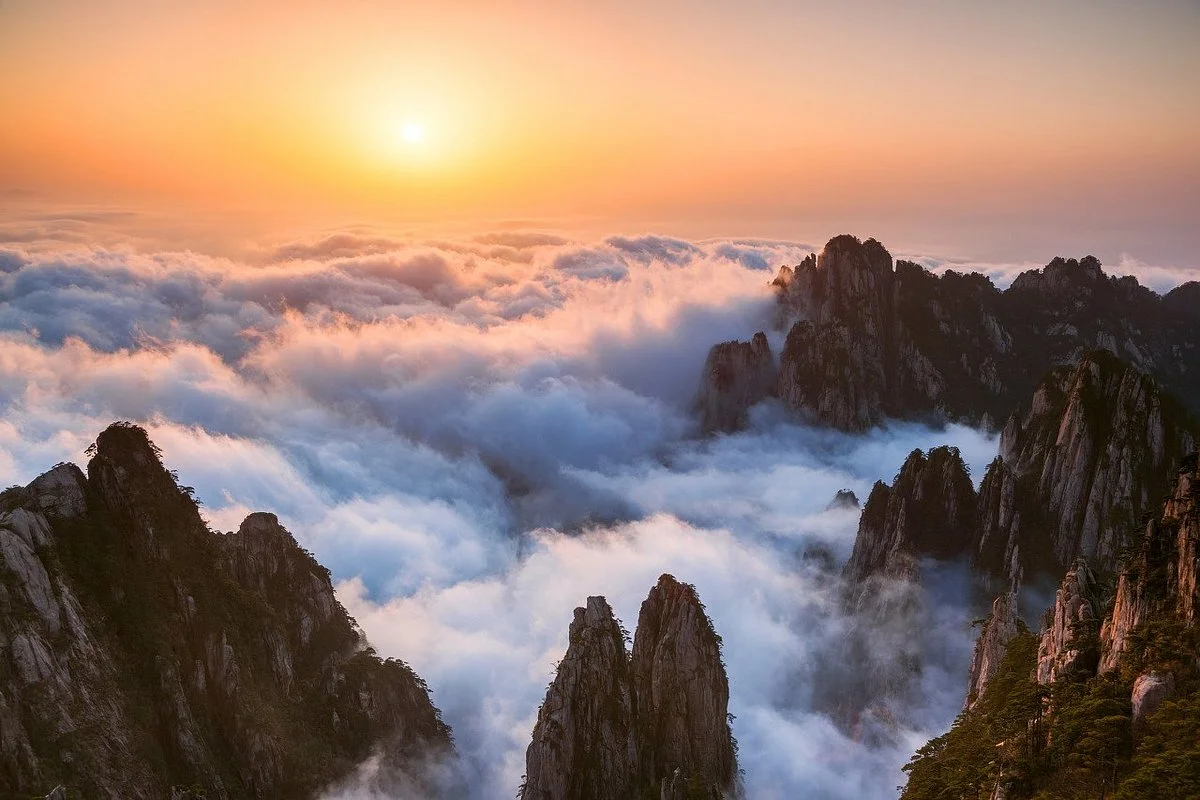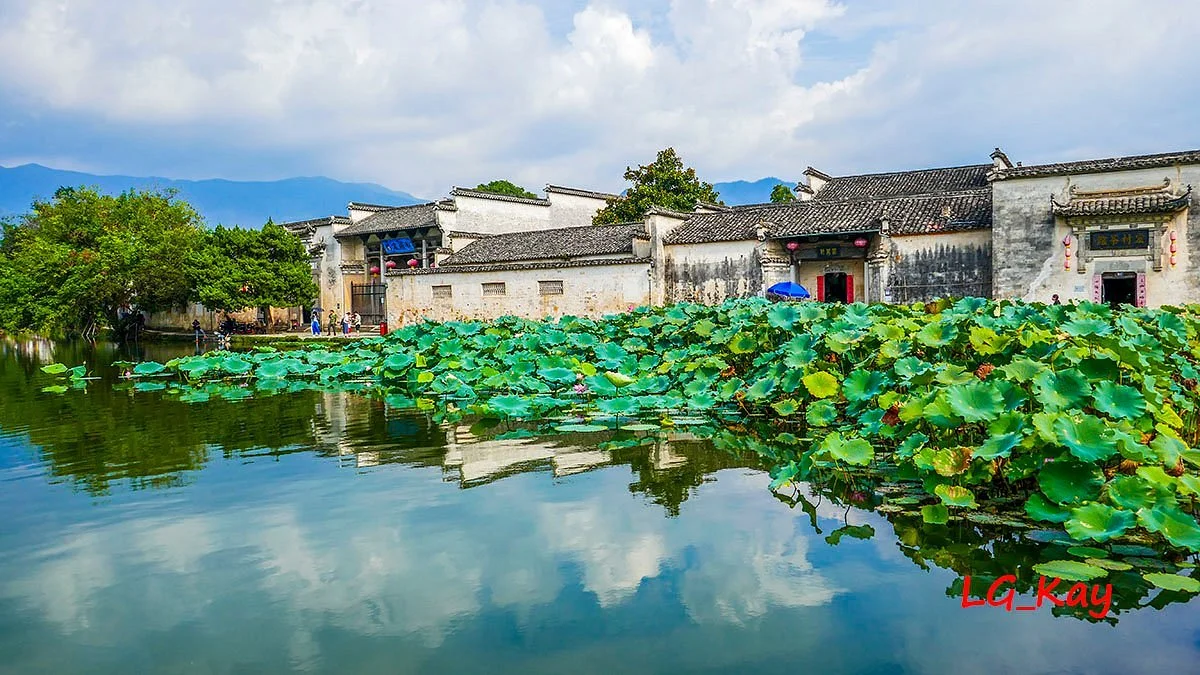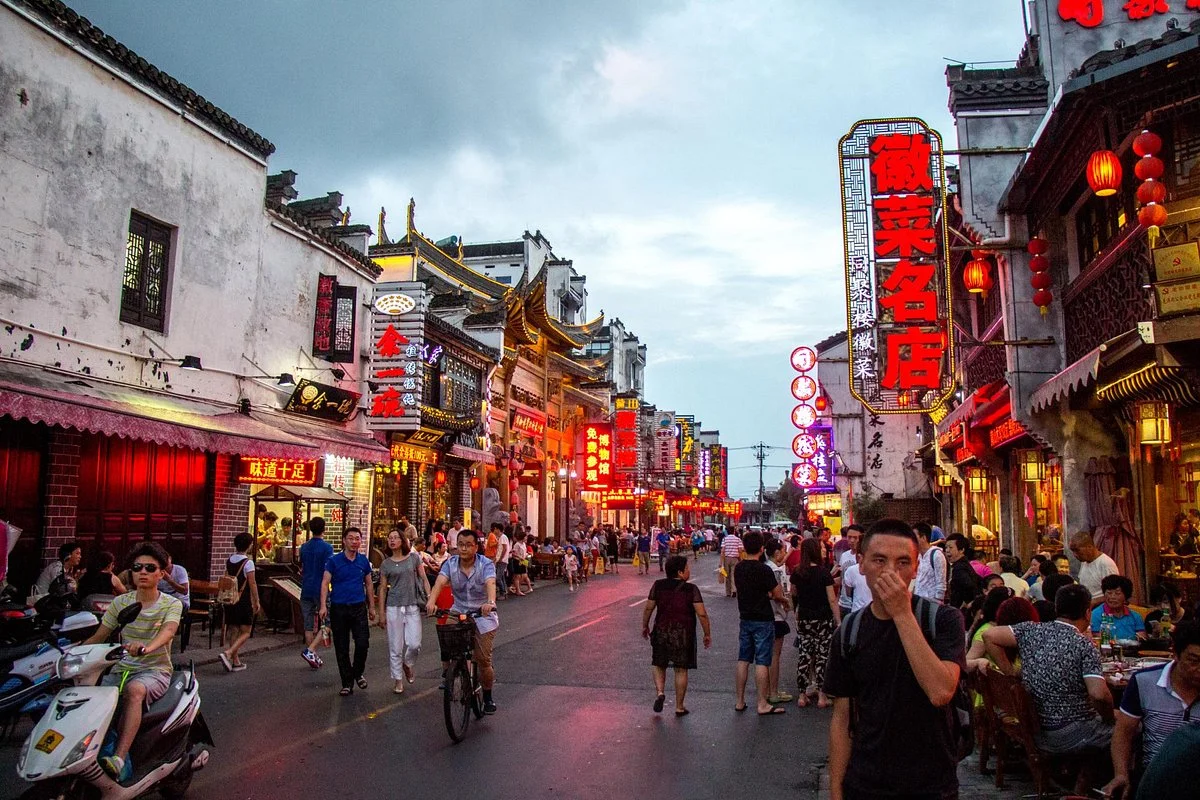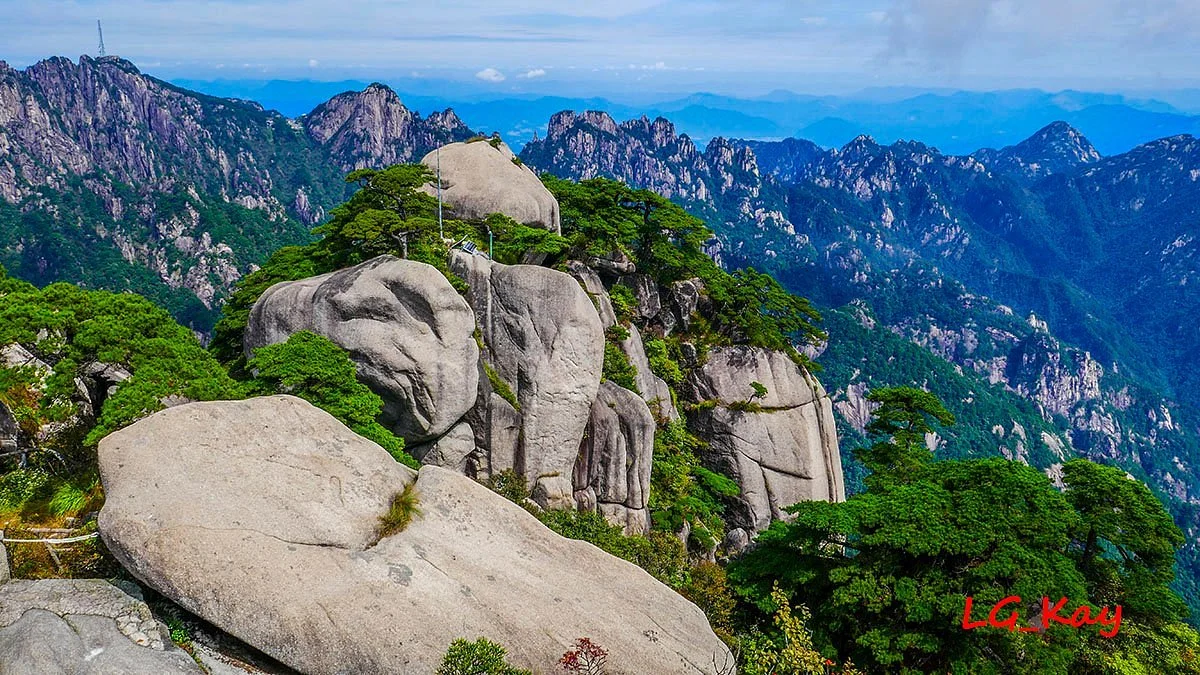
Plan a visit to Anhui around Huangshan's granite peaks and the villages of Hongcun and Xidi. Allow time between stops and check seasonal access before settling on a route.
Hefei (; Chinese: 合肥) is the capital and largest city of Anhui Province, People's Republic of China. A prefecture-level city, it is the political, economic, and cultural center of Anhui. Its population was 9,369,881 as of the 2020 census and its built-up (or metro) area made up of four urban districts plus Feidong, Feixi and Changfeng counties being urbanized, was home to 7,754,481 inhabitants. Located in the central portion of the province, it borders Huainan to the north, Chuzhou to the northeast, Wuhu to the southeast, Tongling to the south, Anqing to the southwest and Lu'an to the west. A
Huangshan (Chinese: 黄山), literally meaning the Yellow Mountain(s), is a mountain range in southern Anhui province in eastern China. It was originally called "Yishan", and it was renamed because of a legend that Emperor Xuanyuan once made alchemy here. Vegetation on the range is thickest below 1,100 meters (3,600 ft), with trees growing up to the treeline at 1,800 meters (5,900 ft). The area is well known for its scenery, sunsets, peculiarly-shaped granite peaks, Huangshan pine trees, hot springs, winter snow and views of the clouds from above. Huangshan is a frequent subject of traditional Chi
Ma'anshan (Chinese: 马鞍山), also colloquially written as Maanshan, is a prefecture-level city in the eastern part of Anhui province in Eastern China. An industrial city stretching across the Yangtze River, Ma'anshan borders Hefei to the west, Wuhu to the southwest, and Nanjing to the east. It is a satellite city in the Nanjing metropolitan area and is also a city in the Yangtze River Delta Economic Zone. As of the 2020 census, Ma'anshan was home to 2,159,930 inhabitants, of whom 1,253,960 lived in the built-up (or metro) area made of Huashan and Yushan urban districts and Dangtu County, which is