Huangshan (Chinese: 黄山), literally meaning the Yellow Mountain(s), is a mountain range in southern Anhui province in eastern China. It was originally called "Yishan", and it was renamed because of a legend that Emperor Xuanyuan once made alchemy here. Vegetation on the range is thickest below 1,100 meters (3,600 ft), with trees growing up to the treeline at 1,800 meters (5,900 ft).
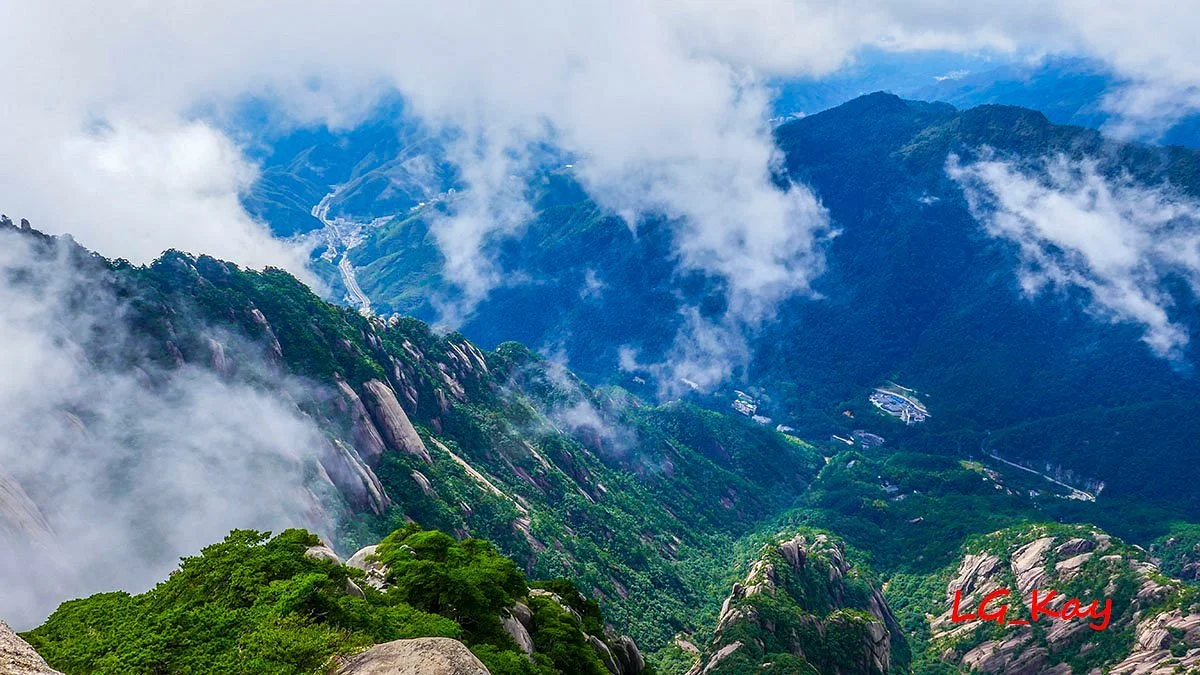
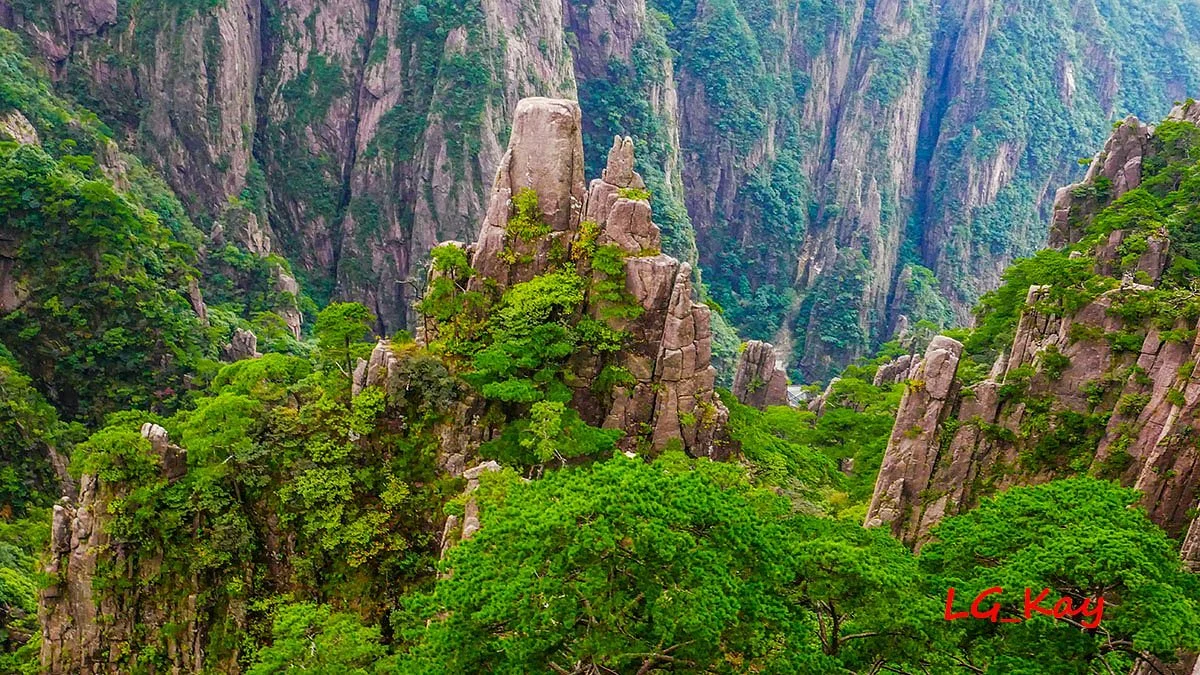
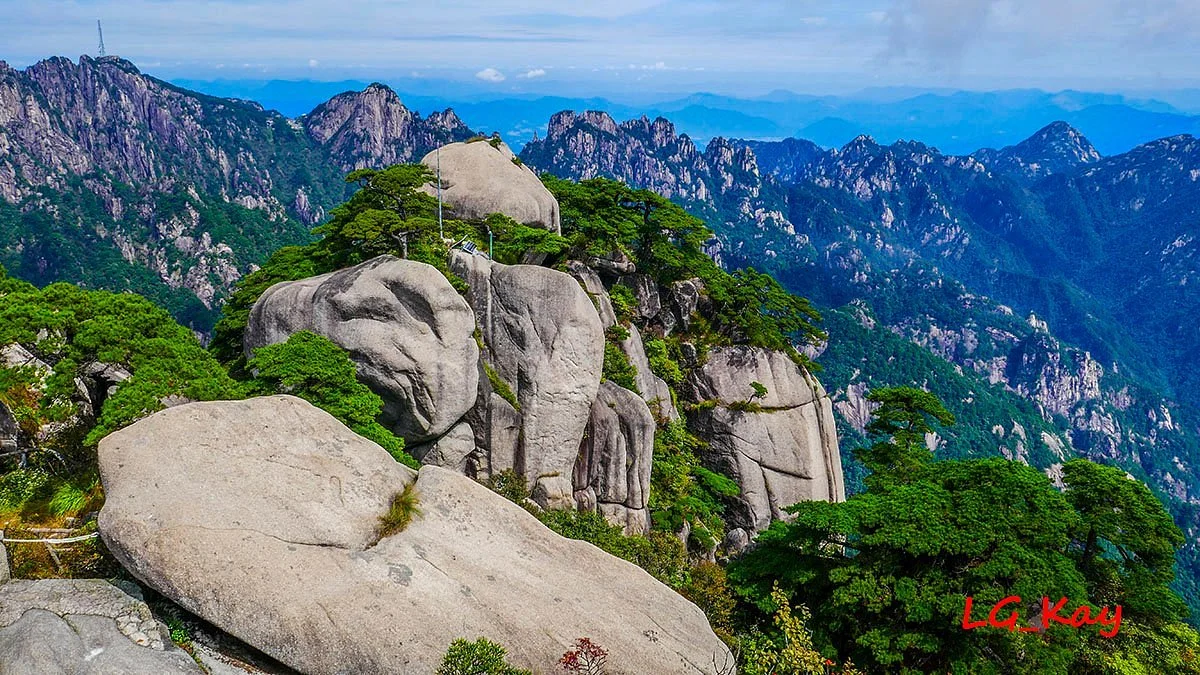
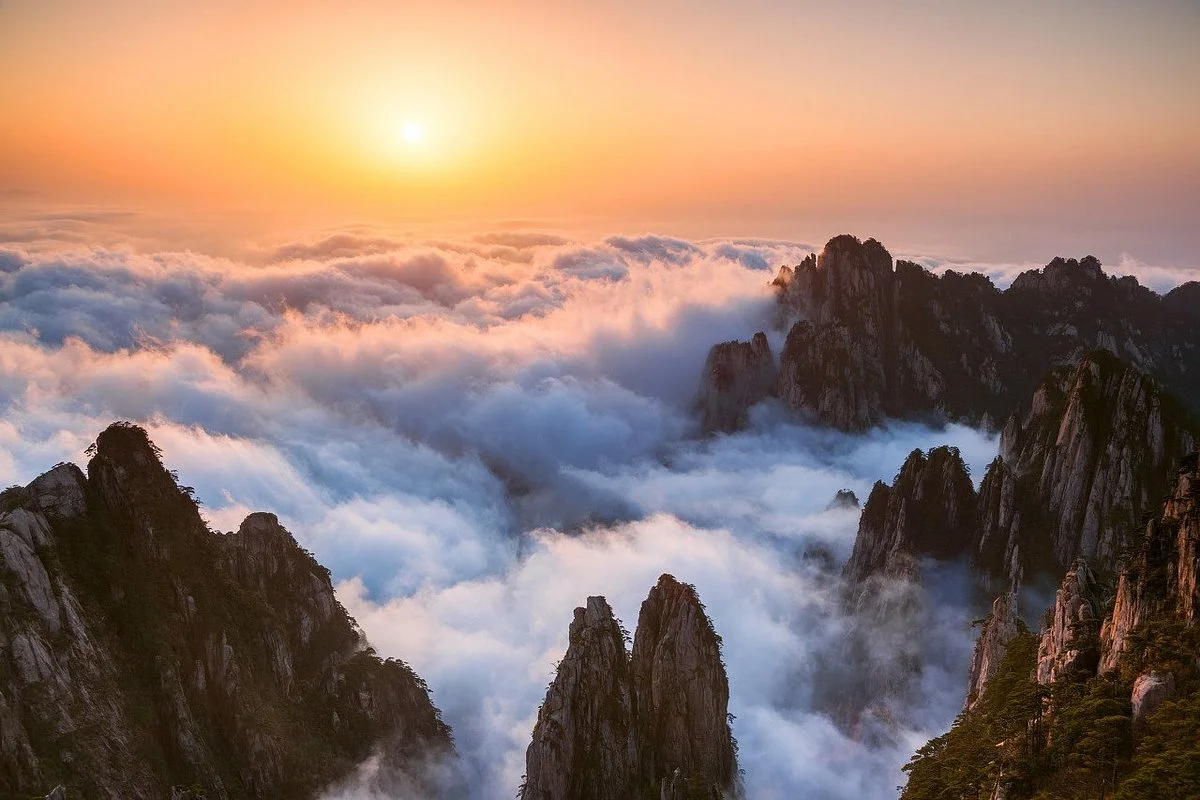
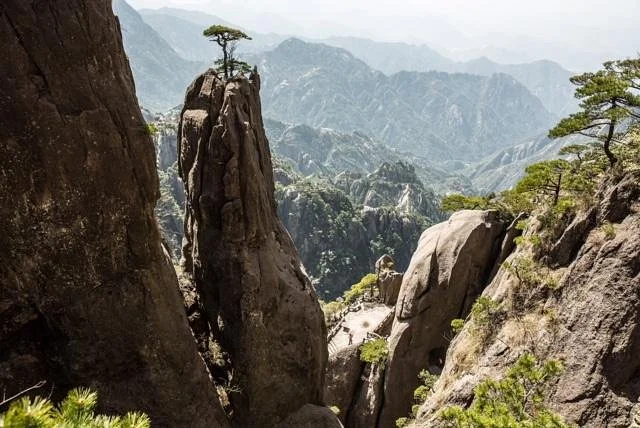
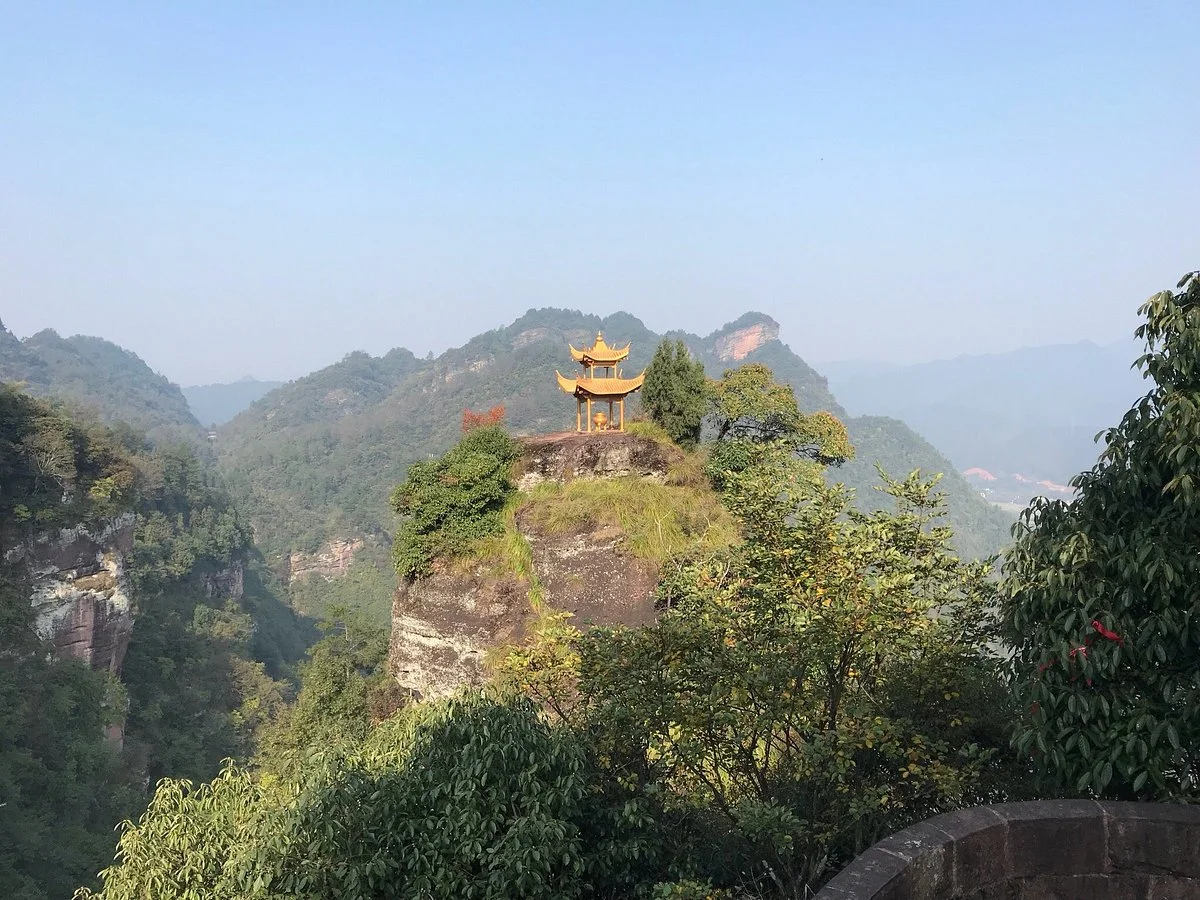
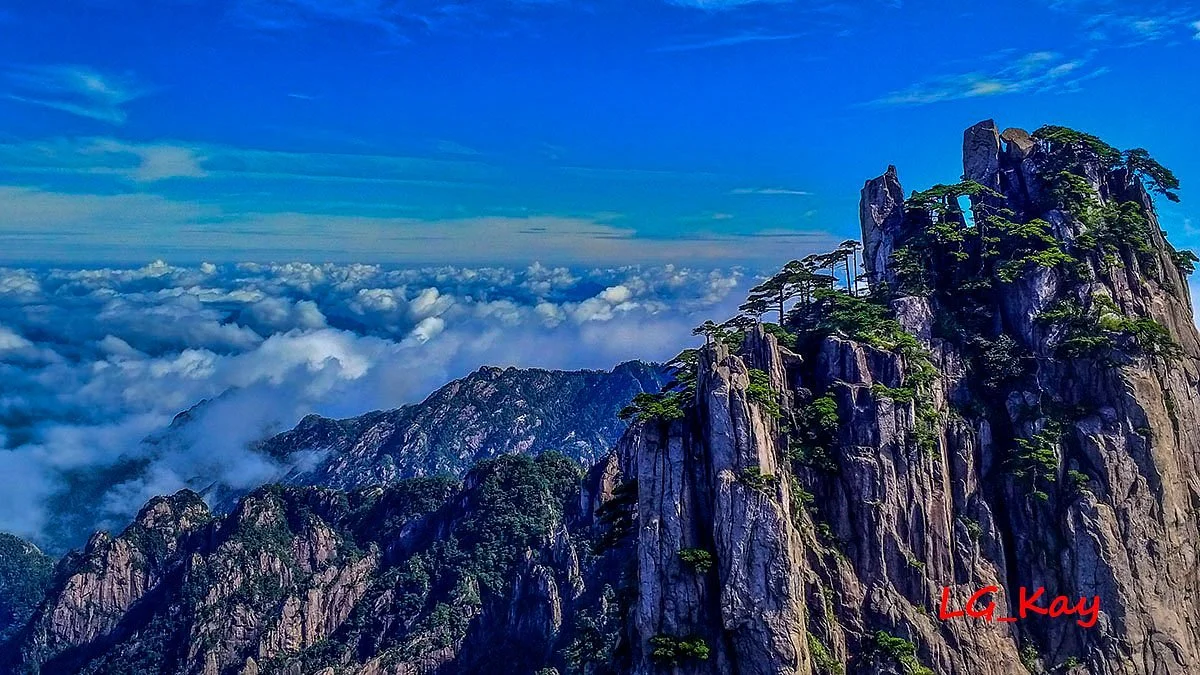
The area is well known for its scenery, sunsets, peculiarly-shaped granite peaks, Huangshan pine trees, hot springs, winter snow and views of the clouds from above. Huangshan is a frequent subject of traditional Chinese paintings and literature, as well as modern photography. It is a UNESCO World Heritage Site and one of China's major tourist destinations.
The paths are all stone steps that can make your legs rubbery after a while. Remember: a long descent is not that much easier than an ascent. Huangshan is most famous for its sun rise and sea of cloud at dawn. However, all these wonders are subject to weather conditions. In the off-season, Mount Huangshan can be extremely foggy in the morning. Approach your hotel or hostel counters for some travel tips in this area; they are typically very experienced locals.
Hiking. There are four trails up the mountain: two from the south, one from the north, and one from the northwest. From the south, the more scenic "western steps" start from Ciguang Pavilion (慈光阁, Mercy Light Temple), past the Yuping cablecar, while the "eastern steps" start just below the Yungu cablecar. In the north, a trail starts from the base of the Taiping cableway, at the Songgu Forest (松谷禅林) entrance. The far more obscure but very scenic route from the northwest entrance via the Fairy Bridge starts at the end of a small local road. The northwest entrance has no bus service and no taxis, is not near any village, and its parking lot is usually completely empty, so ascending via this route requires a taxi and descending requires planning your transportation in advance. It is also sometimes closed in winter.
Once on the top of the mountain it is possible to do a few walks. Highly recommend is the walk through the West Sea, for its stunning scenery. This area is also accessible by a funicular railway from the top (¥100). The connection between the Fairy Bridge and West Sea is closed (2018).
Note that the trails on the mountain are generally industrial-scale stone or concrete walkways, wide and flat, with railings, often lighting, and a crew of workers to clear off snow, garbage, and leaves. This is not a trek through the wilderness.
One of the famous attractions at Huangshan is its hot springs, located above Tangkou.
Food options are limited on the mountain. There are (expensive) restaurants in all the hotels but it is hard for a solo traveller to find cheap food. There are several small grocery stores selling snacks & drinks. Stinky tofu of a particularly stinky variety seems to be popular as well. On top of the mountain in peak season, water was ¥6-10, beer ¥10, meat sticks 3 for ¥10, instant noodles ¥10, cucumbers 2 for ¥6.
Take plenty of water as the price rises steeply on the mountain (up to ¥10 per 600 ml bottle). Local beer, such as Huangshan Beer (黄山啤酒), costs ¥10-20.
An English-language map is available in Tangkou. Many local couples buy padlocks and inscribe their names on them, then lock them to various places on top of the mountain. Others buy medals commemorating their successful summit of the peak.
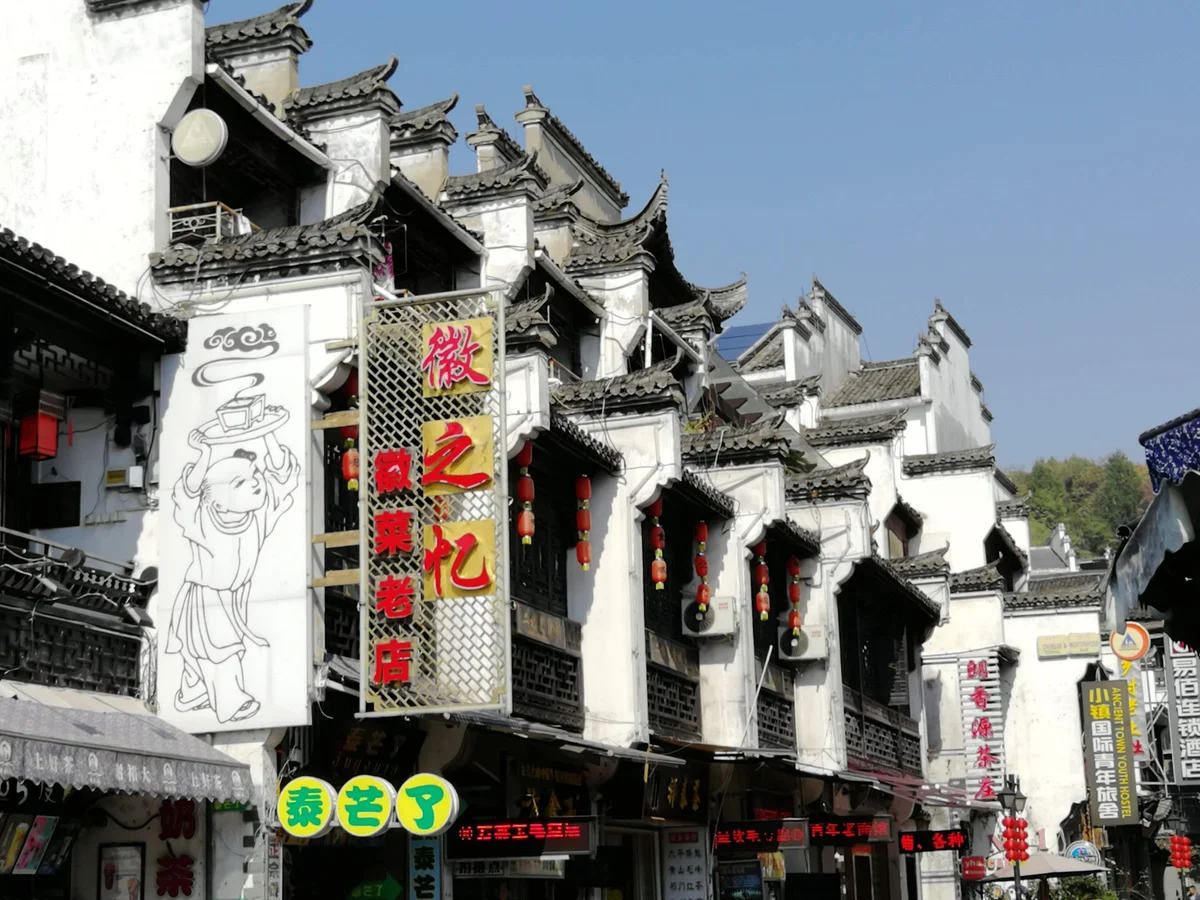
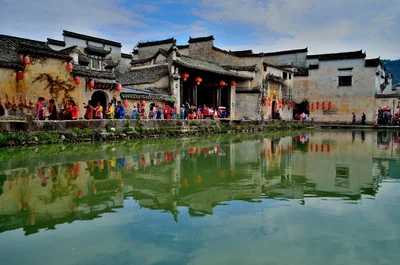
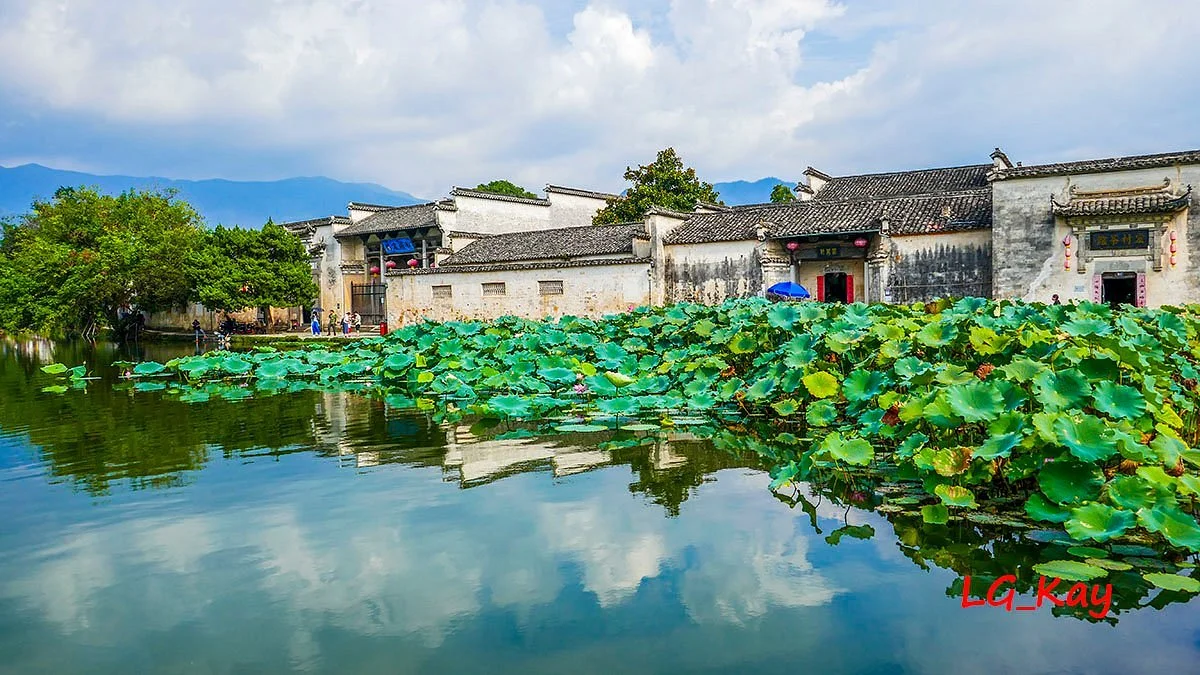
In Tunxi, the most cited tourist destination is Laojie (old street with lots of souvenir shopping). This street is over-commercialized and has little to offer over the more authentic ancient towns nearby (Hongcun, Xidi, both on the UNESCO World Heritage list, and others). But it is near the airport and train station, and can be entertaining if you need to kill time before leaving town. The Laojie is a great place for buying high quality red, black and green tea at reasonable prices. Also worth a try is the tea tofu.
On Huangshan, most tourists choose to stay overnight at one of several hotels in the Beihai region of the mountain to watch the sunset and sunrise. All hotels on the mountain are extremely expensive (a bed in a shared dorm is likely to cost more than ¥300/night), and note that several close in winter. In Tangkou there are a lot of cheap hotels available for around ¥80. There are also some options in Tunxi.
Huangshan City (Tunxi) is not too close to the mountain itself. A taxi from the airport to Tangkou is ¥100-200 depending on your negotiating skills.
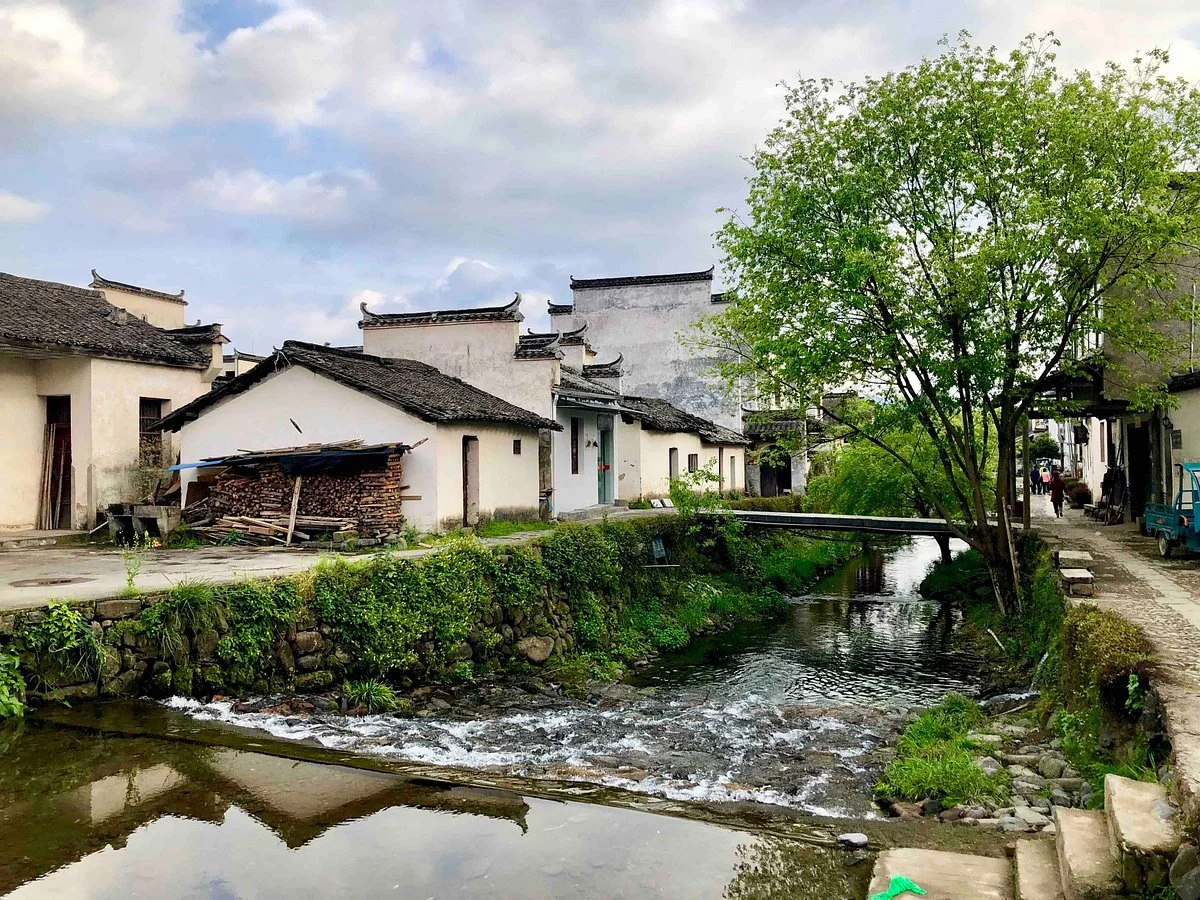
Upon arrival at the train station, airport, or long-distance bus station, a convenient method of transportation is by bus to the tourist distribution center at Tangkou. The bus ride to Tangkou takes about an hour, and offers great views of rural Anhui Province. There lots of small buses outside Huangshan station, which should cost ¥15-20 for a one-way ticket and leave frequently. From Huangshan North station, walk to the bus terminal to your right when entering the station, where larger, less-frequent tourist buses take you to the mountain. As of 2018 these can fill up hours in advance, the ticket desk may have lineups of 20-30 minutes, and nearly all booking is actually done through a clunky, Chinese-only WeChat plugin.
From the town of Tangkou (汤口镇, Tangkouzhen), at the foot of the mountain, a shuttle service operates every 20 minutes to the Hot Springs Area; Yuping Cable Car and Xinyungu (New Cloud Valley) Cable Car. Tangkou is quite walkable but taxis are available to scenic spots around the foot of the mountain. You cannot go direct to the mountain entrance by taxi: only the National Express buses are allowed into the scenic area. There are trails up the mountain that start near each of the two southern cable cars, but leaving from different bus stops.
A third cableway, the Taiping cableway, ascends the north side of the mountain from Huangshan District. This is readily accessible from Huangshan North station, but more difficult to reach from Tangkou, Tunxi and the other stations
Huangshan is a granite massif consisting of 36 peaks, rising above 1,800 m. Famous throughout Chinese artistic history, Huangshan represents the typical mountain in Chinese paintings, and has also served as the inspiration for the design of many traditional Chinese gardens. Frequently shrouded in mist, the many peaks appear to float on clouds and have very fanciful names such as 18 Arhats Worshipping the South Sea, Lotus Flower Peak, Celestial Capital, and Paint Brush.