Jiayuguan (simplified Chinese: 嘉峪关市; traditional Chinese: 嘉峪關市; pinyin: Jiāyùguān Shì ) is a prefecture-level city in northwestern Gansu province, with a population of 312,663 as of the 2020 census. Compared with the 231,853 people in the sixth national census in 2010, there was an increase of 80,810 people, with an average annual increase of 3.04%. Its built-up (or metro) area was home to 768,274 inhabitants made of Jiayuguan City and Suzhou urban district of Jiuquan City now being conurbated.
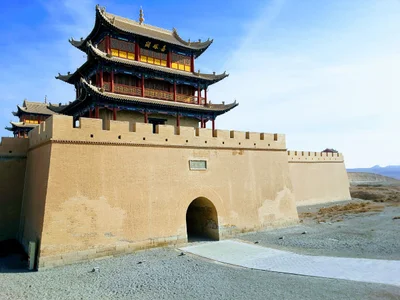
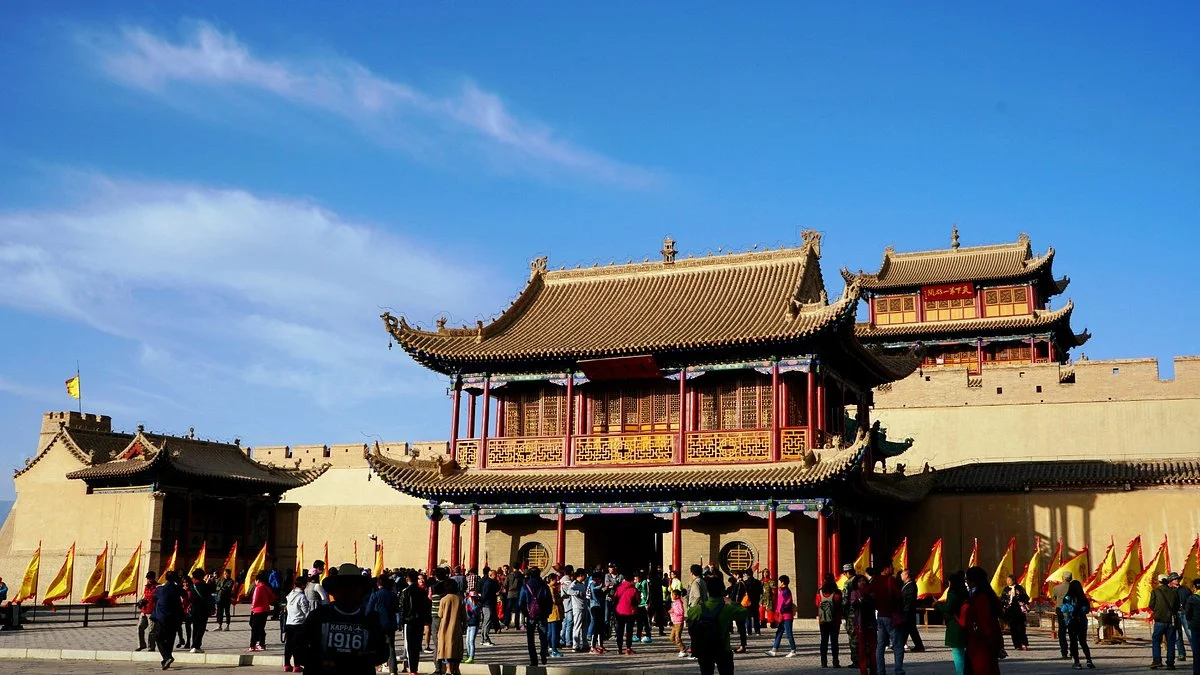
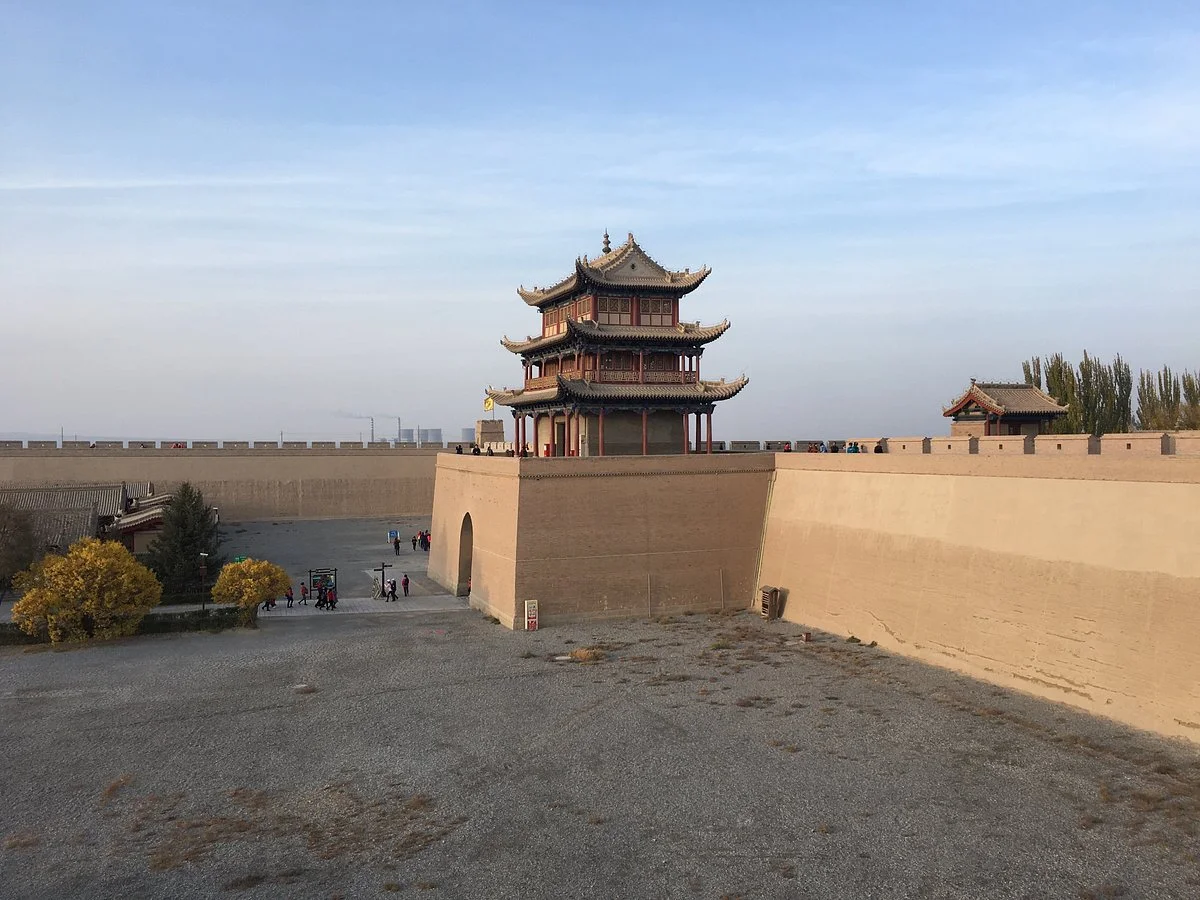
It is named after the nearby Jiayu Pass, the largest and most intact pass of the Great Wall of China.
Jiayuguan is a major industrial city. In 1958, Jiuquan Iron and Steel Works established in Jiuquan, Gansu. In 1965, parts of Jiuquan County and Sunan Yugur Autonomous County (Including Jiuquan Iron and Steel Works) were marked out to establish the County-level Jiayuguan City, which is under the direct jurisdiction of Gansu Government. Following Jiuquan Iron and Steel Works, the largest Iron and Steel Works in Gansu, was assigned to Jiayuguan City, mining and mineral processing are the primary industries of the city. In 1971, Jiayuguan City was changed to a prefecture-level city. By area, it is by far the smallest prefecture-level division of Gansu. It is also one of the four prefecture-level cities which has no districts.
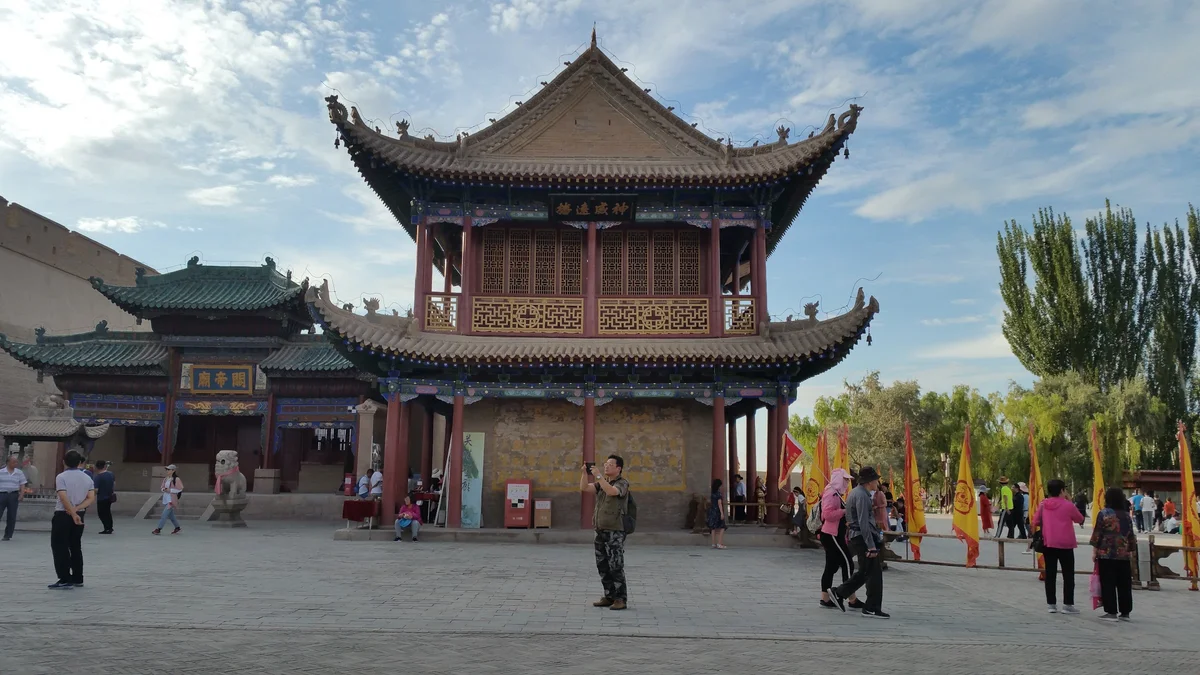
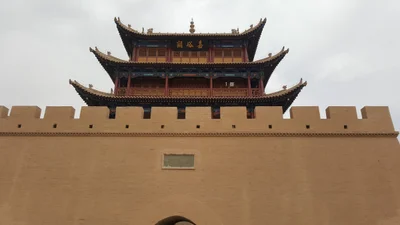
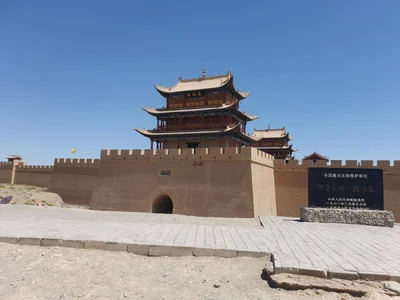
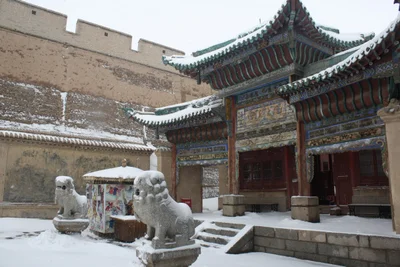
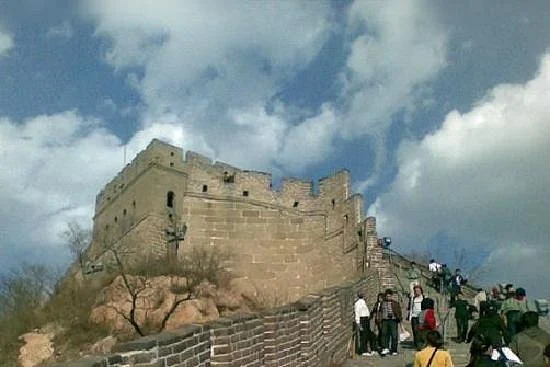
The fortress at Jiayuguan is situated at the end of the portion of the Great Wall of China which was built by the Ming Dynasty, in the 14th century.
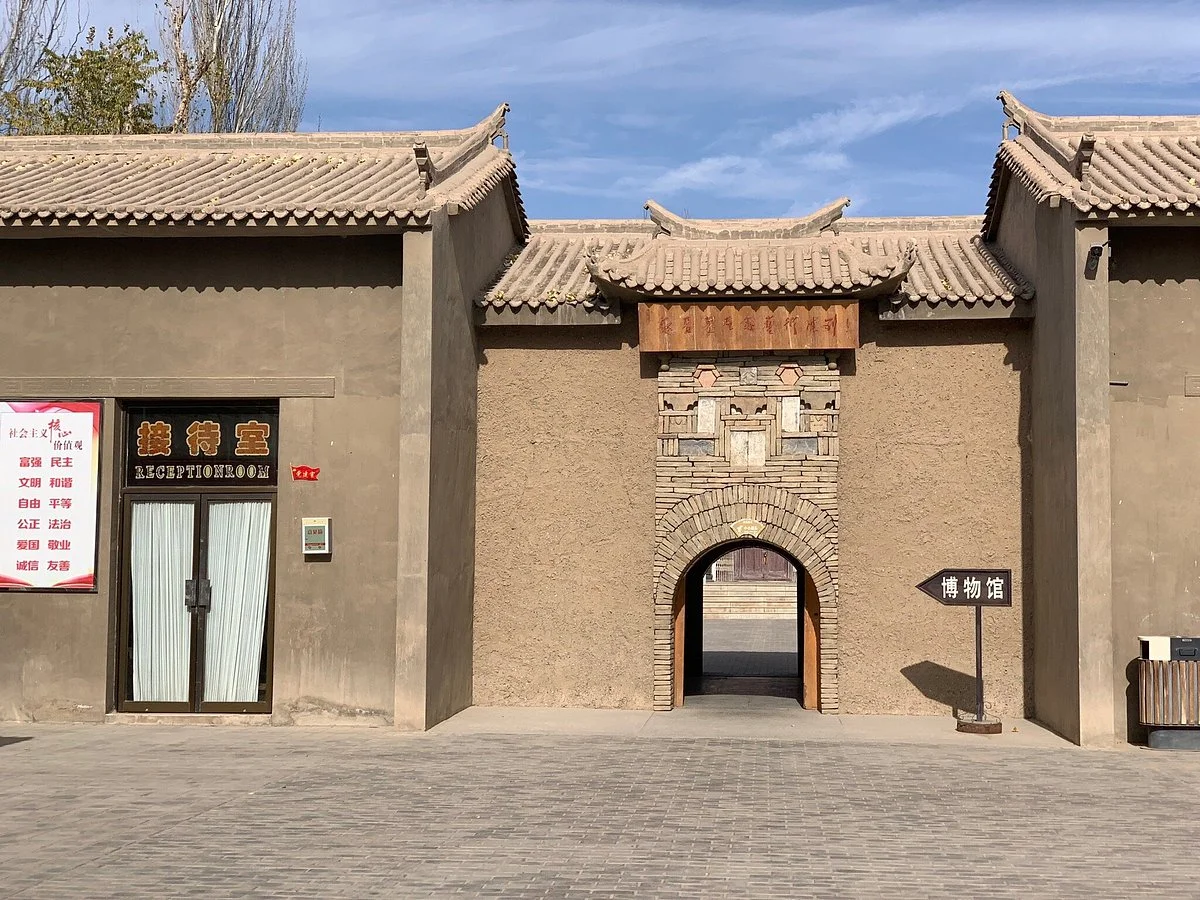
Jiayu guan tourist area Three parts - Pass, Xuanbi Wall and The first Pier, ticket for all parts ¥110 in high season (student half).
Known as the 'mouth of China' because of its position at the end of the Great Wall of China where it guarded the western boundary of Ming Dynasty China. The narrow river passage heading southeast from here is known as the Hexi Corridor and is nicknamed the 'throat of China'.