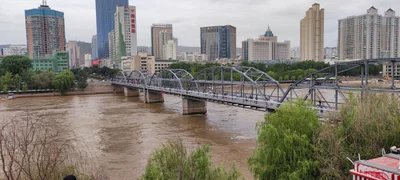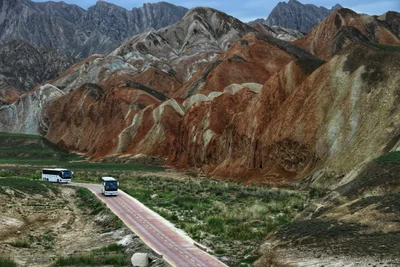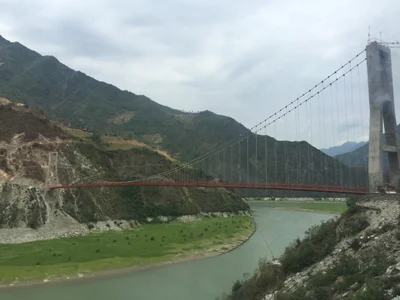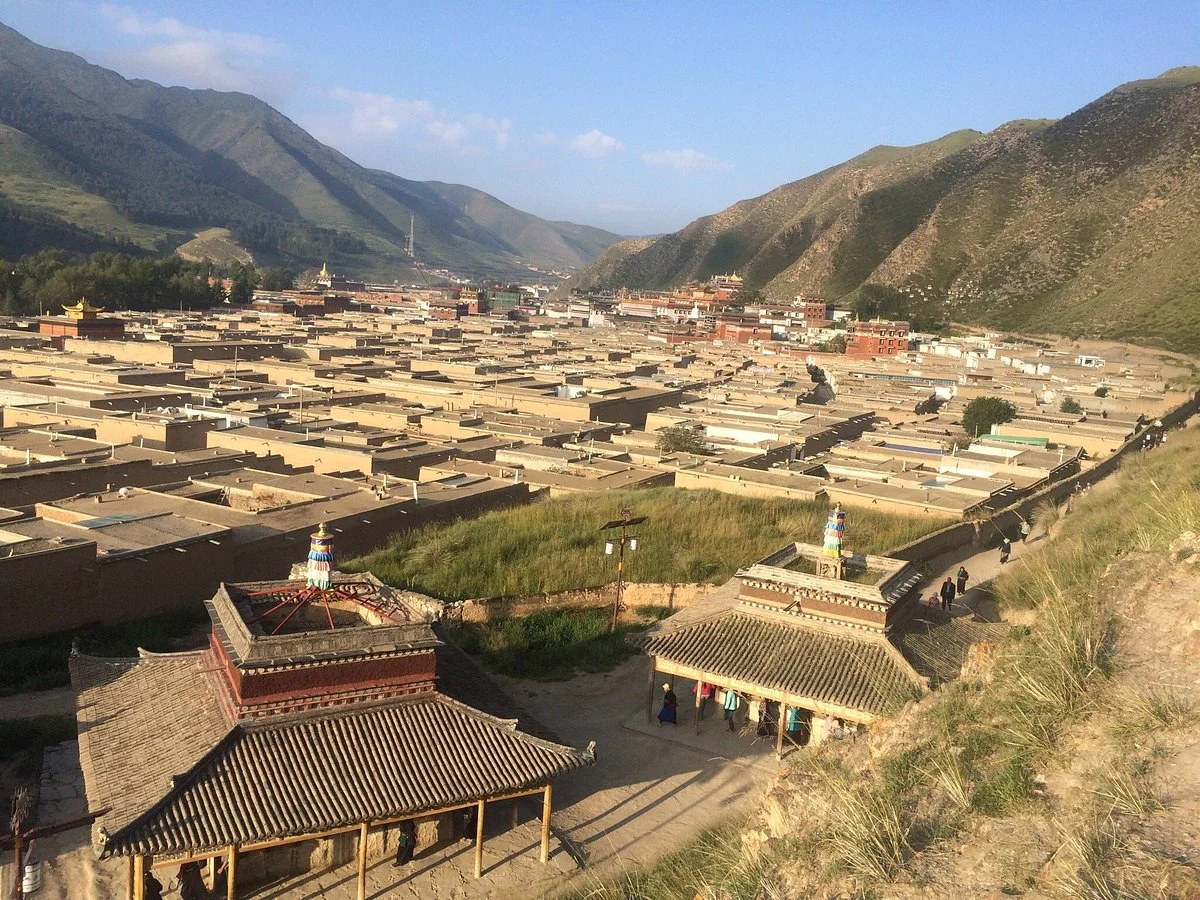
Gansu is a diverse province in China, offering a mix of stunning landscapes and cultural heritage.
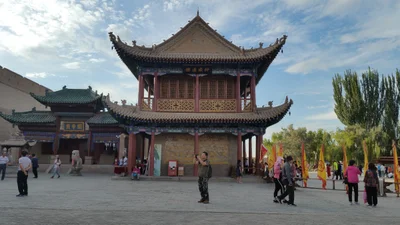
Jiayuguan (simplified Chinese: 嘉峪关市; traditional Chinese: 嘉峪關市; pinyin: Jiāyùguān Shì ) is a prefecture-level city in northwestern Gansu province, with a population of 312,663 as of the 2020 census. Compared with the 231,853 people in the sixth national census in 2010, there was an increase of 80,810 people, with an average annual increase of 3.04%. Its built-up (or metro) area was home to 768,274 inhabitants made of Jiayuguan City and Suzhou urban district of Jiuquan City now being conurbated. It is named after the nearby Jiayu Pass, the largest and most intact pass of the Great Wall of China
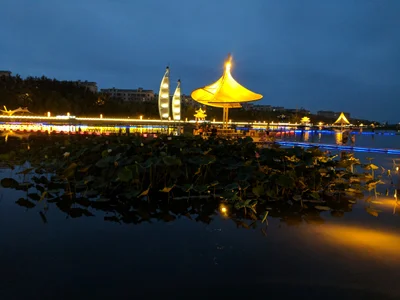
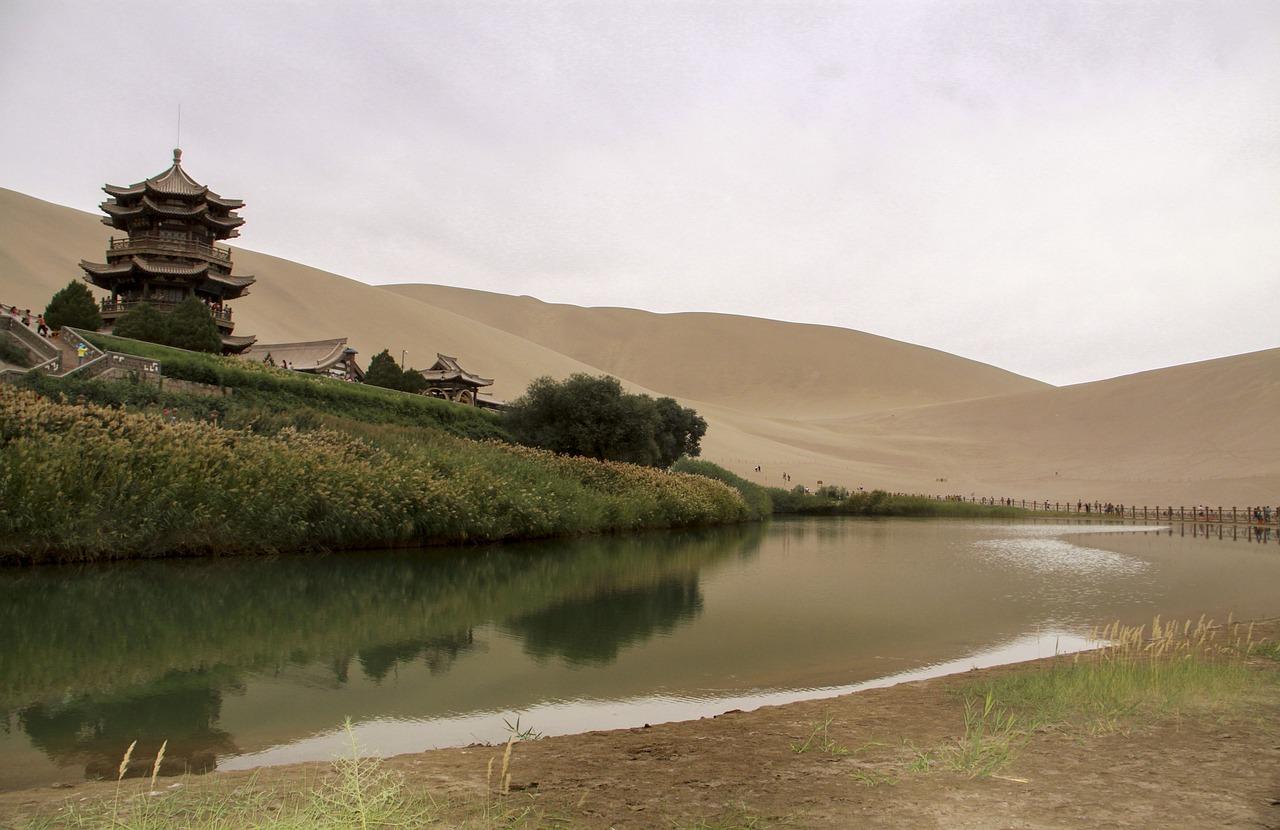
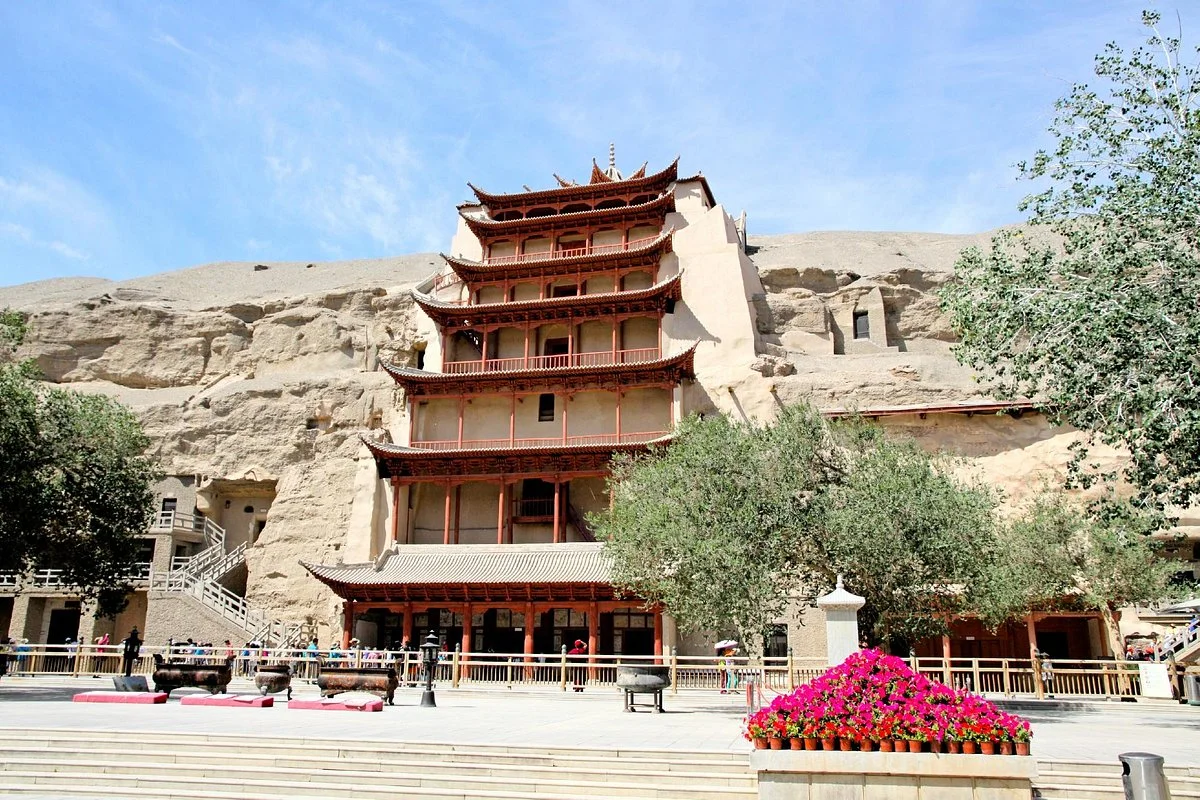
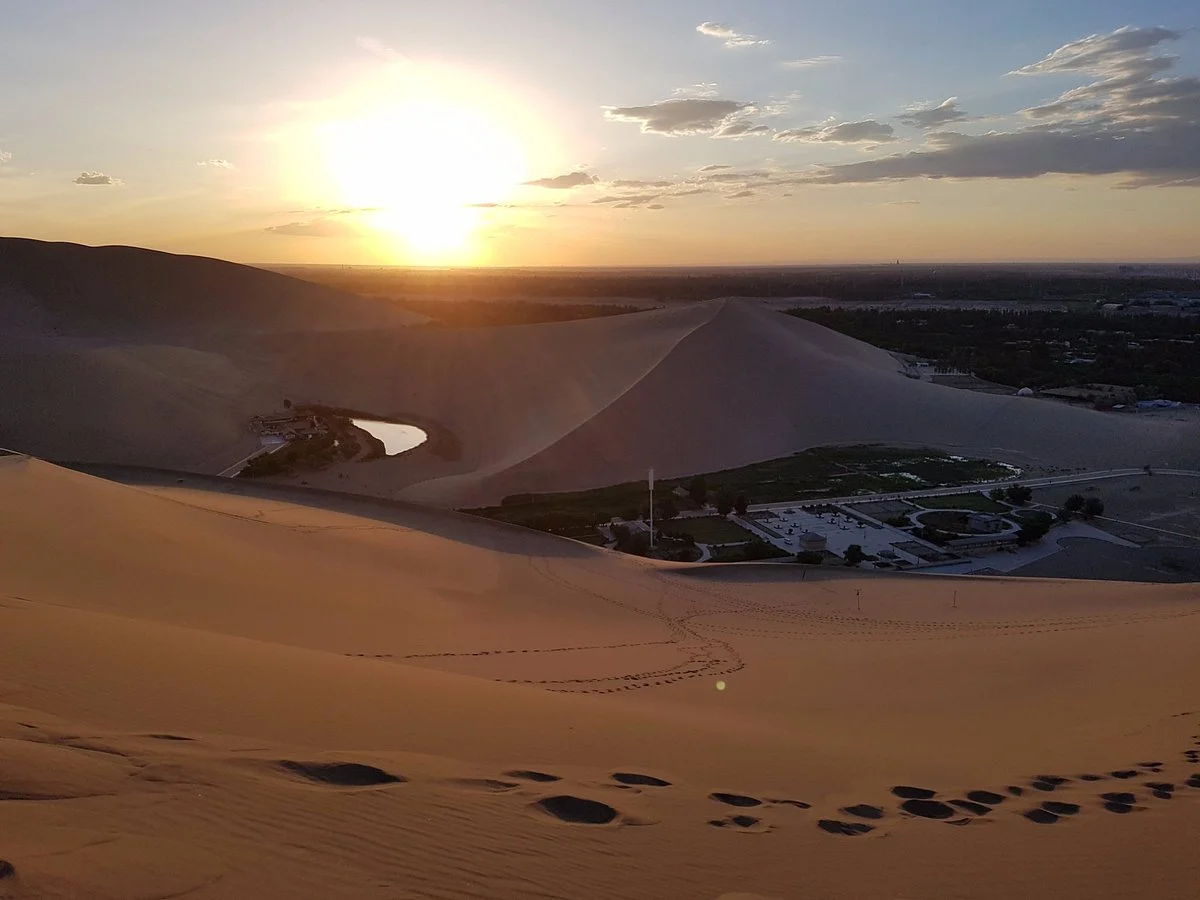
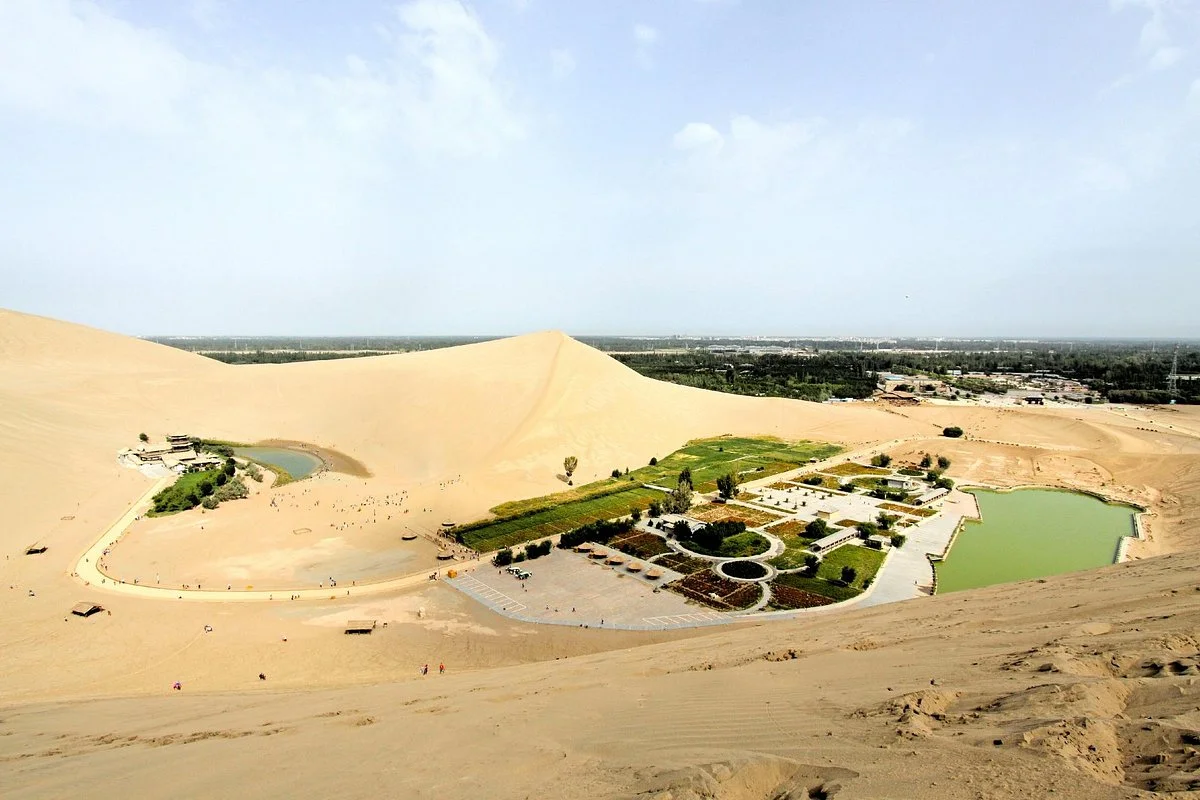
Dunhuang () is a county-level city in northwestern Gansu Province, Western China. According to the 2010 Chinese census, the city has a population of 186,027, though 2019 estimates put the city's population at about 191,800. Sachu (Dunhuang) was a major stop on the ancient Silk Road and is best known for the nearby Mogao Caves. Dunhuang is situated in an oasis containing Crescent Lake and Mingsha Shan (鳴沙山, meaning "Singing-Sand Mountain"), named after the sound of the wind whipping off the dunes, the singing sand phenomenon. Dunhuang commands a strategic position at the crossroads of the ancie
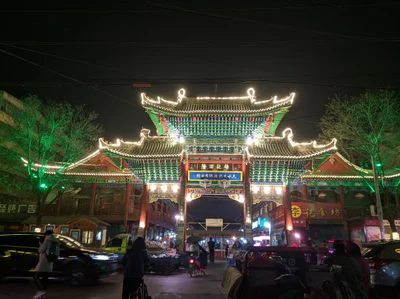
Tianshui is a prefecture-level city in Gansu province, China, and is the province's second-largest city (behind the provincial capital Lanzhou). Located in the southeast of the province, the city strides along the upper reaches of the Wei River and at the boundary of the Loess Plateau and the Qinling Mountains. As of the 2020 census, its population was 2,984,659 inhabitants, of which 1,212,791 lived in the built-up (or metro) area made of the 2 urban districts of Qinzhou and Maiji. The city and its surroundings have played an important role in the early history of China, as still visible in th
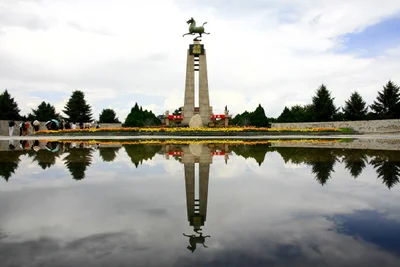
Wuwei (Chinese: 武威; pinyin: Wǔwēi) is a prefecture-level city in northwest central Gansu province. In the north it borders Inner Mongolia, in the southwest, Qinghai. Its central location between three western capitals, Lanzhou, Xining, and Yinchuan makes it an important business and transportation hub for the area. Because of its position along the Hexi Corridor, historically the only route from central China to western China and the rest of Central Asia, many major railroads and national highways pass through Wuwei.