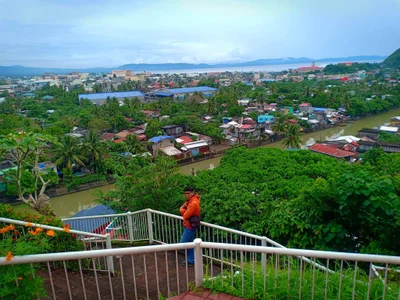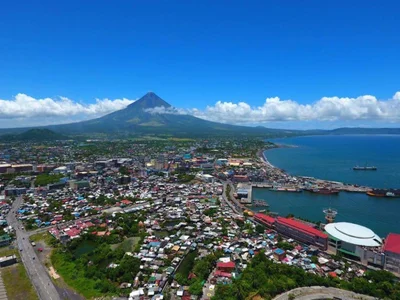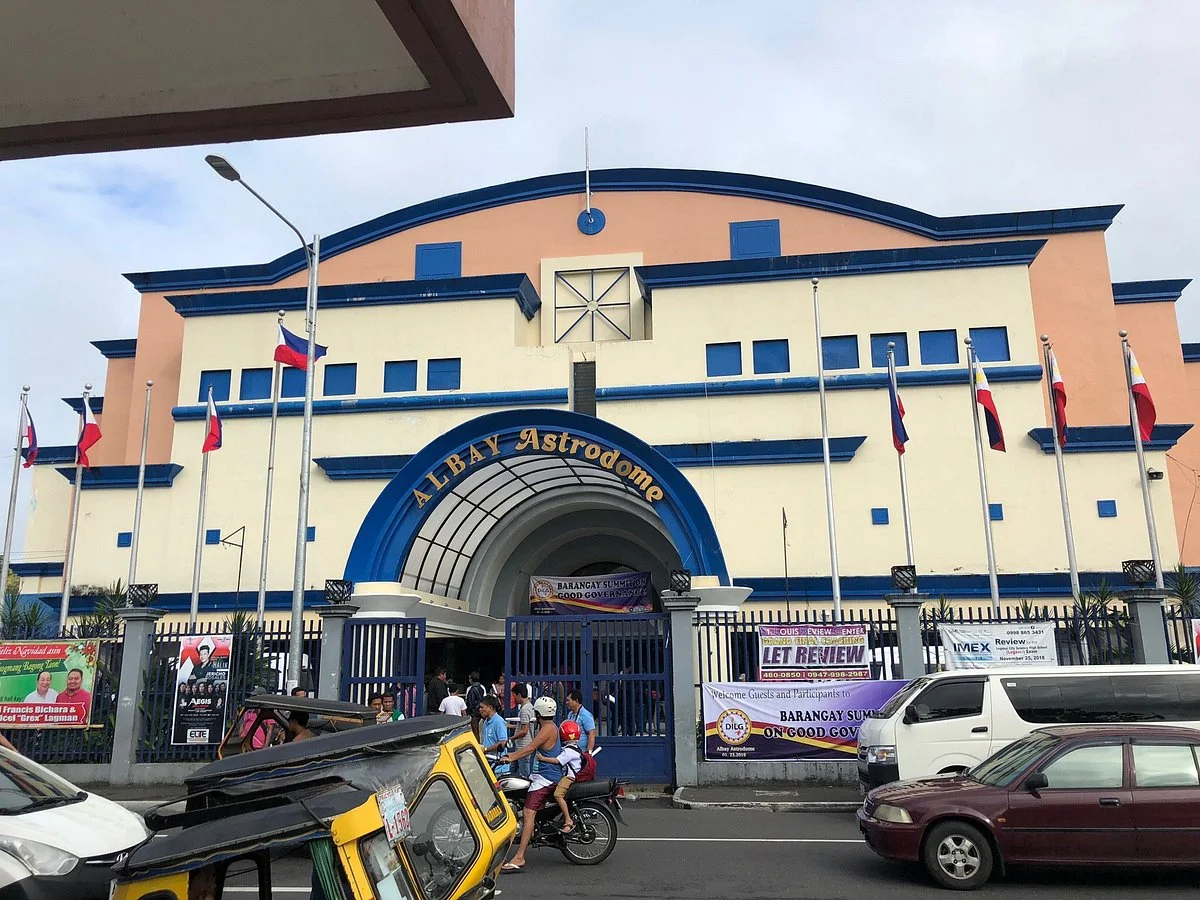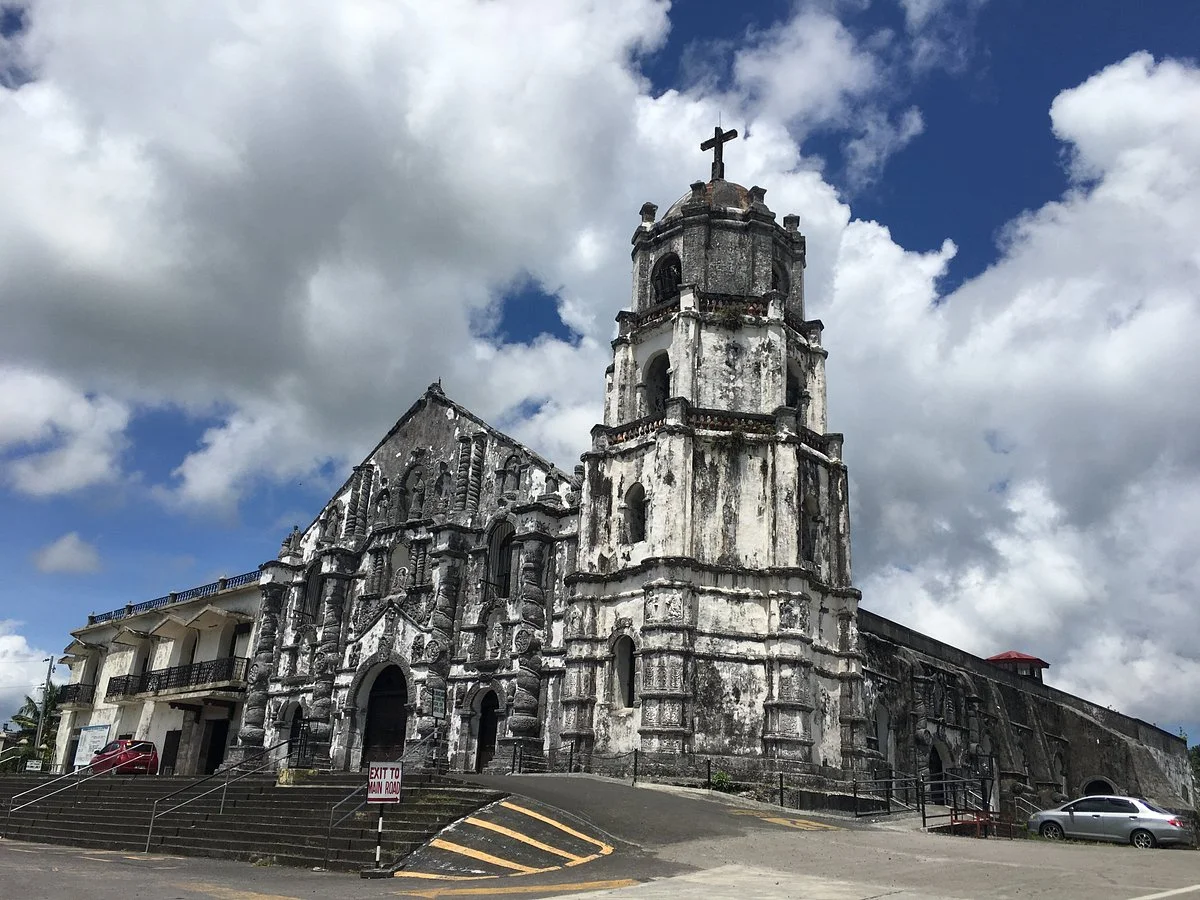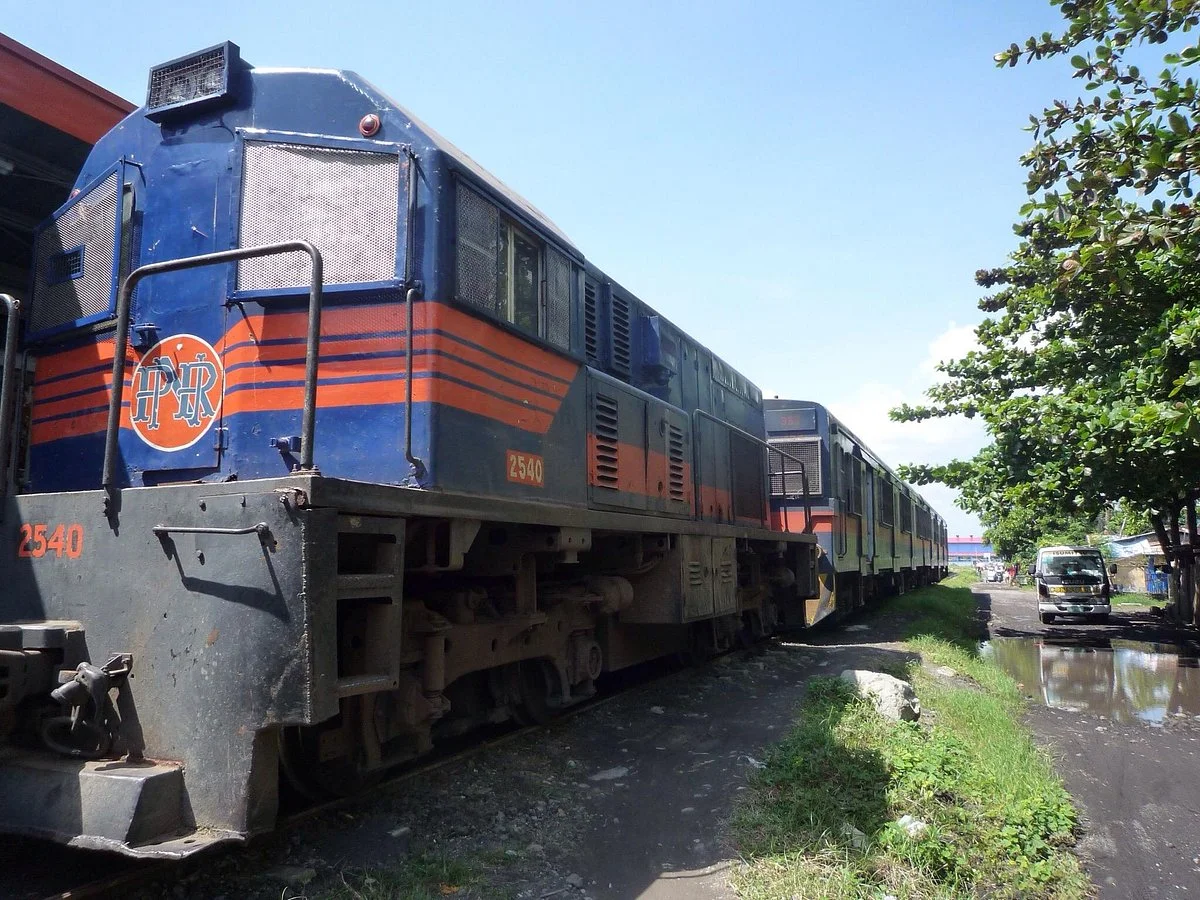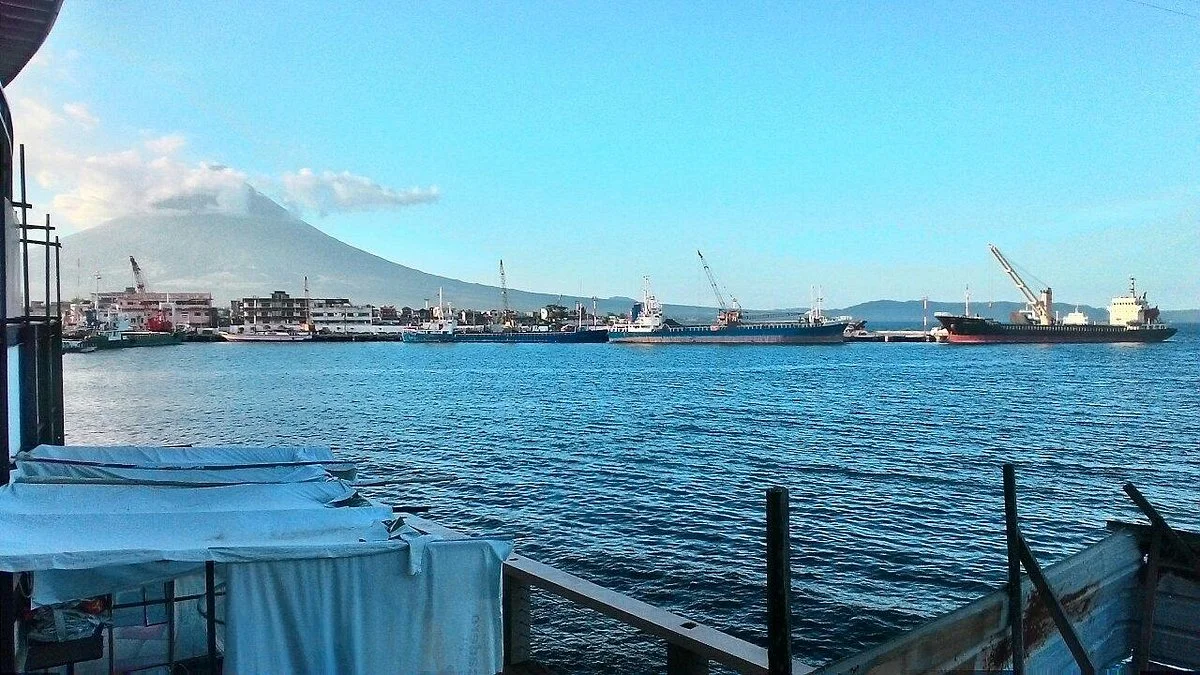
Legazpi, officially the City of Legazpi (Central Bikol: Syudad nin Legazpi; Filipino: Lungsod ng Legazpi), is a 1st class component city and capital of the province of Albay, Philippines. According to the 2020 census, it has a population of 209,533. Legazpi is the regional center and largest city of the Bicol Region, in terms of population. It is the region's center of tourism, education, health services, commerce and transportation in the Bicol Region.
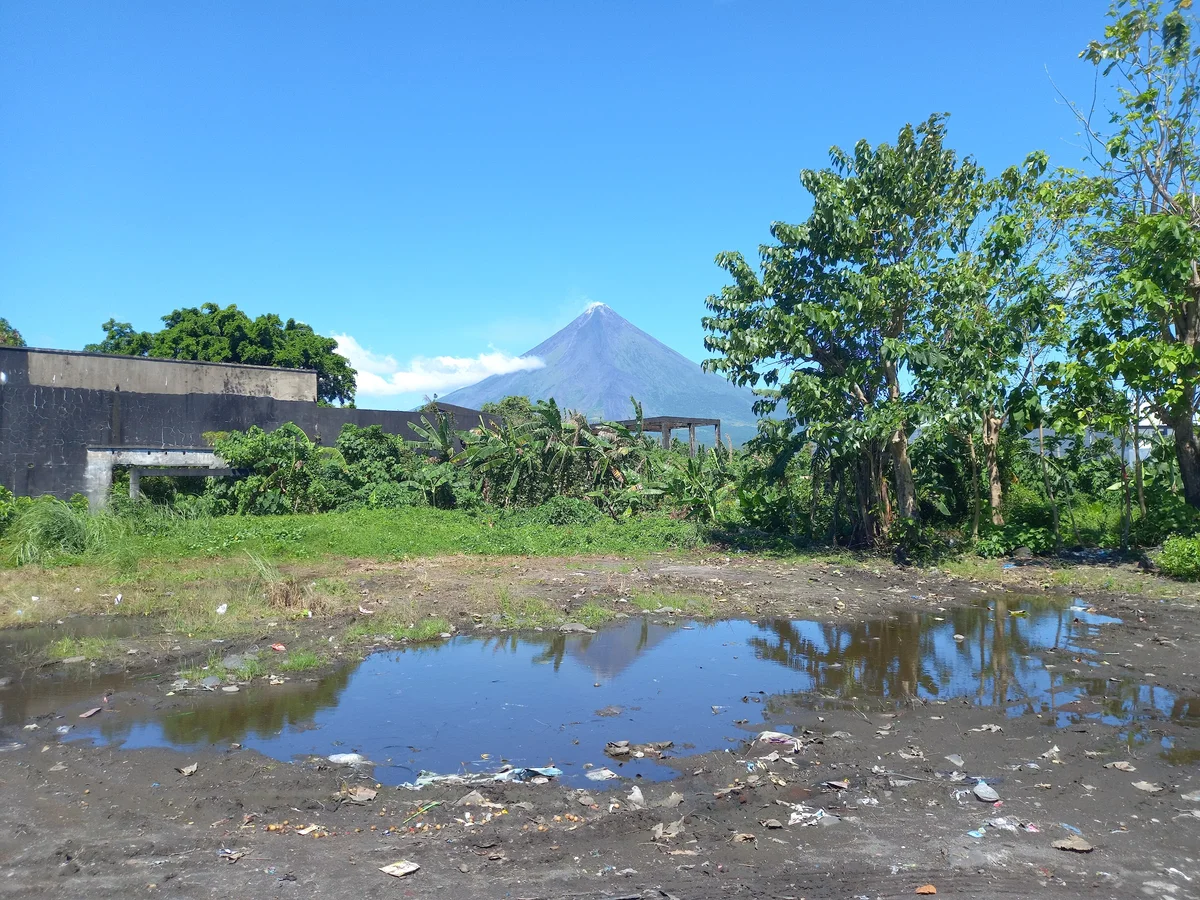
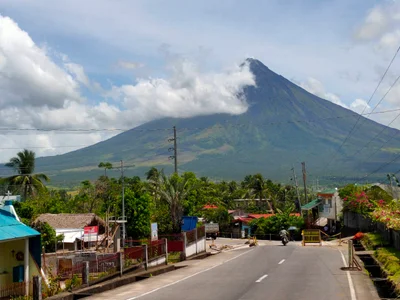
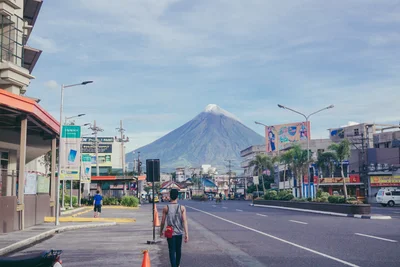
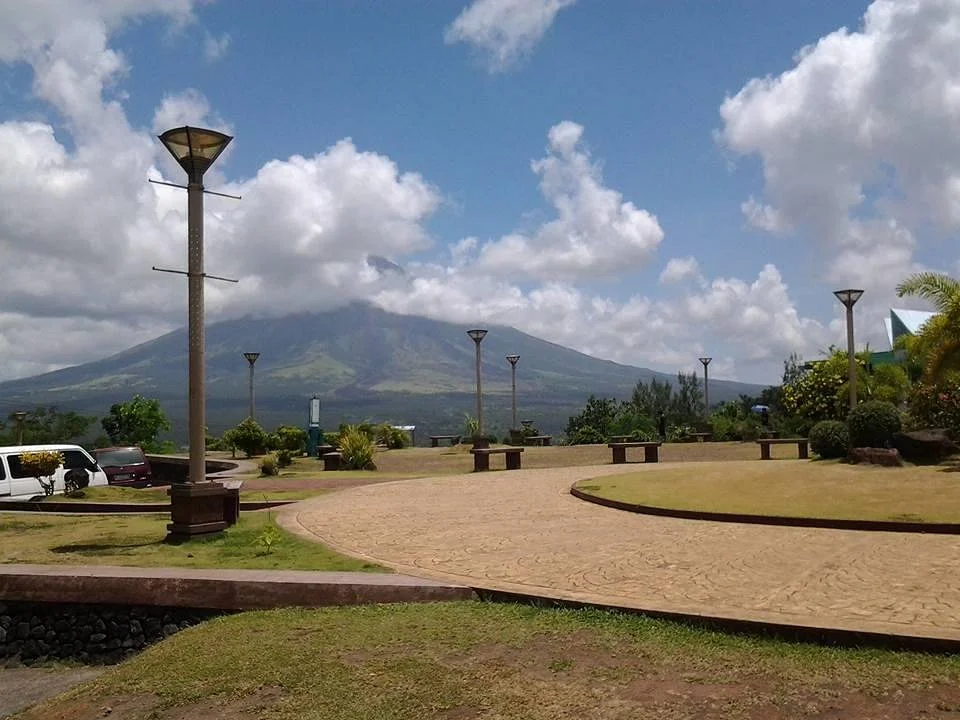
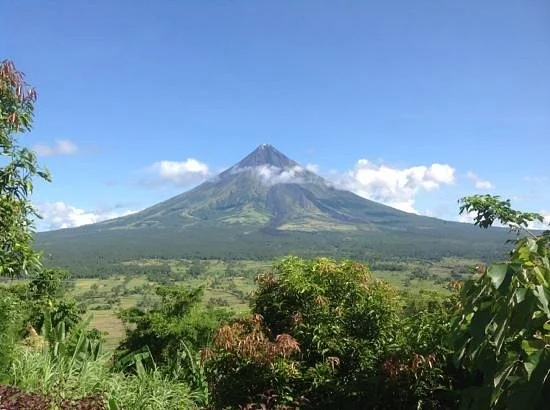
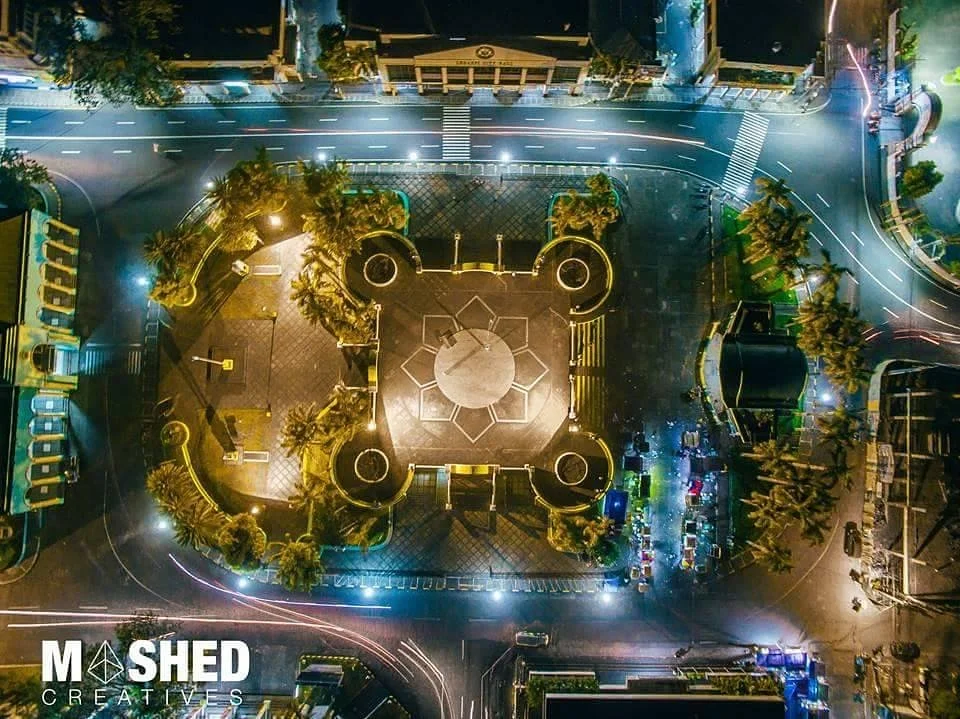
The city is composed of two districts, Legazpi Port and the Old Albay District. Mayon Volcano, one of the Philippines' most popular icons and tourist destinations, is partly within the city's borders.In 2018, Legazpi was ranked first in overall competitiveness among component cities by the National Competitiveness Council. The city also ranked first in infrastructure and second in economic dynamism. In the same year, Legazpi was also named "most business-friendly city" in the component city category by the Philippine Chamber of Commerce and Industry.
=
Jeepneys are frequent. The largest sign on the windshield will be the jeepney's final destination, so you must ask the driver if they serve your intended destination.
Tricycles are useful for short trips. You may share one with other passengers to the same destination. Hail one at the terminal or on the street.
= Legazpi's history trace back to prehistoric times, with Neolithic discoveries dated back to 500-100 BCE. Spanish explorers who first arrived also speak of an ancient pre-Hispanic civilization in the area, practicing rice farming, producing gold jewelry, and trading silk.
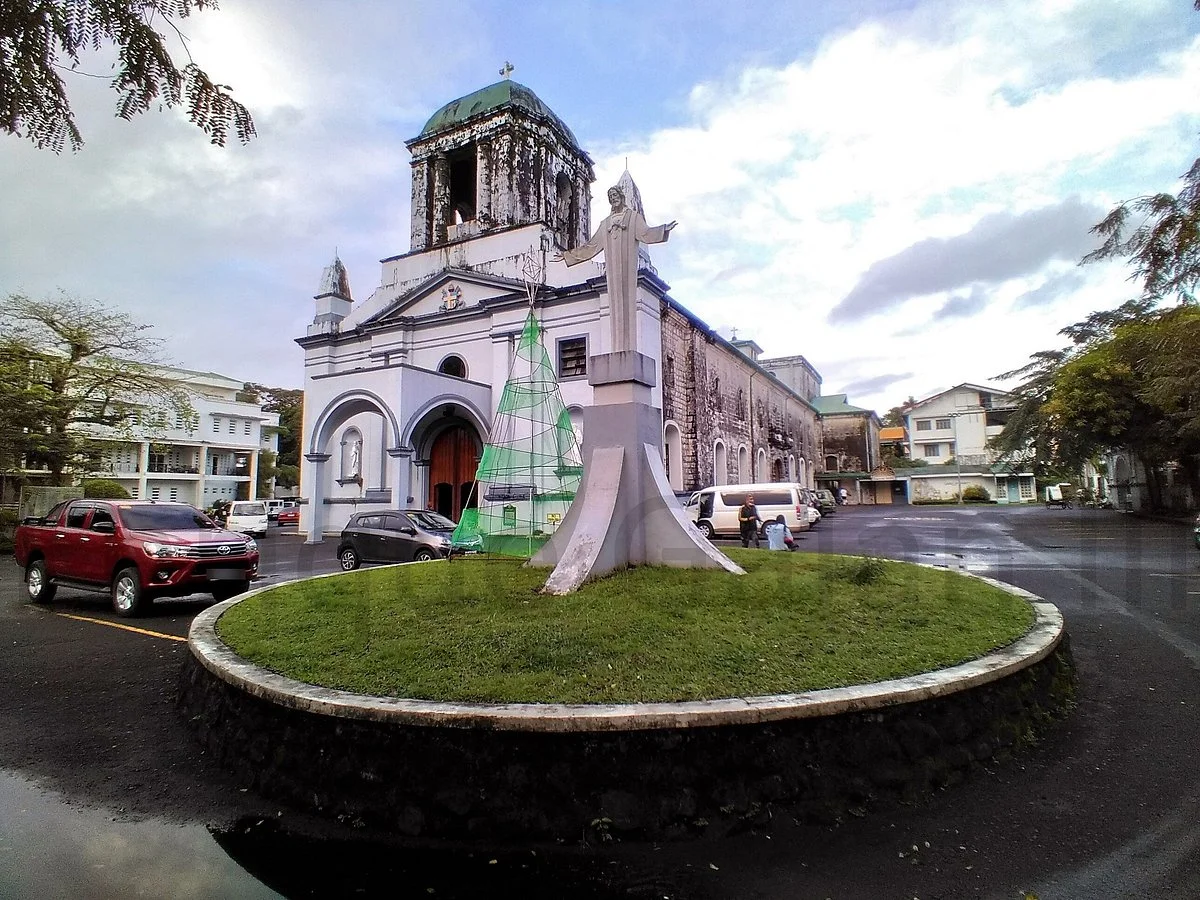
Miguel López de Legazpi led the Spanish expedition that colonized the Philippines in the 1560s, after Magellan's expedition had "discovered" it in the 1520s. Legazpi himself did not visit this region, but one of his officers named the town after him. Before the Spaniards, it was the village of Sawangan, and the first Spanish structures were in a Roman Catholic mission, named Misión San Gregorio Magno de Sawangan. The mission was repeatedly ravaged by raids from pirates, mostly Muslims from Mindanao, during its first years, but the Spaniards kept rebuilding it; it officially became a town in 1616.