Luzon is the largest island in the Philippines. It includes Manila, the Cordillera highlands and the Bicol Peninsula, and spans several administrative regions.

Baler [bɐˈleɾ], officially the Municipality of Baler (Tagalog: Bayan ng Baler; Ilocano: Ili ti Baler), is a 3rd class municipality and capital of the province of Aurora, Philippines. According to the 2020 census, it has a population of 43,785 people.Baler is located 231 kilometres (144 mi) northeast of Manila and is accessible by bus and private vehicles via a mountain pass. It is host to spectacular geographic formations and is situated on a vast plain at the south end of Baler Bay, a contiguous segment of the Philippine Sea. It became the capital of Aurora on June 14, 1951, under Republic Ac

Alaminos, officially the City of Alaminos (Pangasinan: Siyudad na Alaminos; Ilocano: Siudad ti Alaminos; Sambal: Babali nin Alaminos; Filipino: Lungsod ng Alaminos), is a 4th class component city in the province of Pangasinan, Philippines, and is known for being the home of the Hundred Islands National Park, which is composed of 124 islands and is located off the coast of Barangay Lucap. According to the 2020 census, it has a population of 99,397 people. The city is named after Juan Alaminos y de Vivar, a former governor-general of the Philippines. In 2009, it was announced that Alaminos Airpo
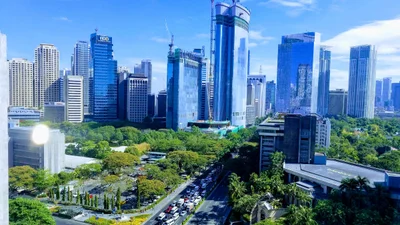
Makati ( mə-KAH-tee; Tagalog pronunciation: [maˈkati]), officially the City of Makati (Filipino: Lungsod ng Makati), is a highly urbanized city in the National Capital Region of the Philippines, known for being one of the leading financial center in the country. As of 2013, the city has the highest concentration of multinational and local corporations in the Philippines. Major banks, corporations, department stores as well as foreign embassies are based in Makati. Makati is also known for being a major cultural and entertainment hub in Metro Manila. According to the 2020 census, it had a popul
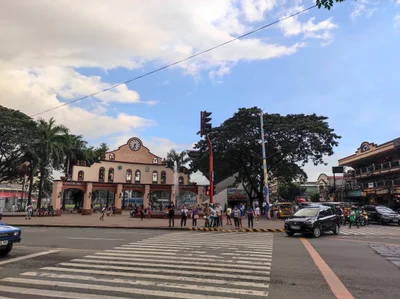
Marikina (), officially the City of Marikina (Filipino: Lungsod ng Marikina), is a 1st class highly urbanized city in the National Capital Region of the Philippines. According to the 2020 census, it has a population of 456,159 people.Located along the eastern border of Metro Manila, Marikina is the main gateway of Metro Manila to Rizal and Quezon provinces through Marikina–Infanta Highway. It is bordered on the west by Quezon City, to the south by Pasig and Cainta, to the north by San Mateo, and to the east by Antipolo, the capital of Rizal province. It was founded by the Jesuits on the fertil
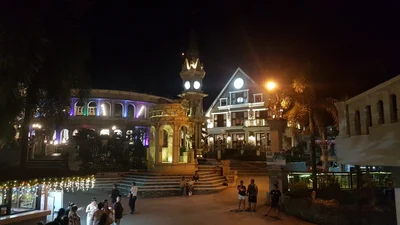
Tarlac City, officially the City of Tarlac (Kapampangan: Lakanbalen ning Tarlac; Pangasinan: Siyudad na Tarlac; Ilocano: Siudad ti Tarlac; Filipino: Lungsod ng Tarlac [tɐɾˈlak]), is a 1st class component city and capital of the province of Tarlac, Philippines. According to the 2020 census, it has a population of 385,398 people.
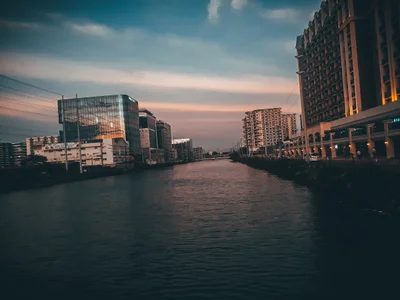
Parañaque, officially the City of Parañaque (Filipino: Lungsod ng Parañaque, Tagalog pronunciation: [paɾaˈɲäke̞]), is a first class highly urbanized city in the National Capital Region of the Philippines. According to the 2020 census, it has a population of 689,992 people.It is bordered to the north by Pasay, to the northeast by Taguig, to the southeast by Muntinlupa, to the southwest by Las Piñas, and to the west by Manila Bay. Like the rest of Metro Manila, Parañaque experiences a tropical climate with only two distinct seasons, wet (July to September) and dry (October to June). The city enj
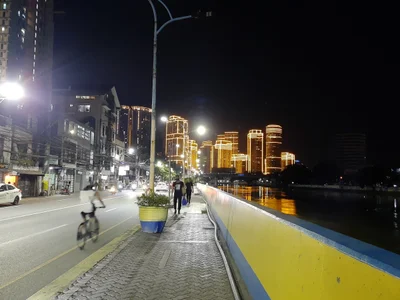
Mandaluyong ( mən-dah-LOO-yong; Tagalog pronunciation: [mɐndɐˈlujoŋ]), officially the City of Mandaluyong (Filipino: Lungsod ng Mandaluyong, [luŋˈsod nɐŋ mɐndɐˈlujoŋ]), is a first class highly urbanized city in the National Capital Region of the Philippines. According to the 2020 census, it has a population of 425,758 people.Located directly east of Manila, Mandaluyong was originally a barrio of Santa Ana de Sapa (now a district of Manila) called San Felipe Neri. It separated and became its own town in 1841, and later acquired the name Mandaluyong in 1931 during the American occupation. In 199
Calamba, officially the City of Calamba (Filipino: Lungsod ng Calamba), is a 1st class component city in the province of Laguna, Philippines. According to the 2020 census, it has a population of 539,671 people.Calamba is the regional center of the Calabarzon region. It is situated 50 kilometers (31 mi) south of Manila and 37 kilometers (23 mi) west of Santa Cruz. The city is known as the "Spring Resort Capital of the Philippines" because of its numerous hot spring resorts, which are mostly located in Barangays Pansol, Bucal, Bagong Kalsada, and Lingga. According to the 2020 census, Calamba has

San Pablo, officially the City of San Pablo (Filipino: Lungsod ng San Pablo), is a 1st class component city in the province of Laguna, Philippines. According to the 2020 census, it has a population of 285,348 people.It is located in the southern portion of Laguna province, it is one of the oldest cities in the Philippines. By land area, it is the largest in the province of Laguna. Its population ranks sixth within the province after the cities of Calamba, Santa Rosa, Biñan, San Pedro, and Cabuyao. The city is also known as the "City of Seven Lakes" (Filipino: Lungsod ng Pitong Lawa), referring
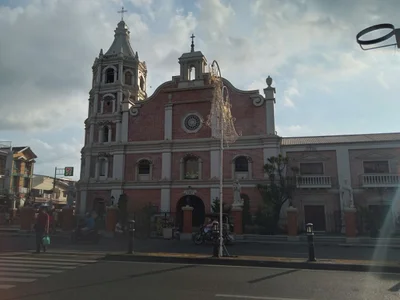
Balanga (pronounced [bɐˈlaŋa]), officially the City of Balanga (Filipino: Lungsod ng Balanga), is a 4th class component city and capital of the province of Bataan, Philippines. According to the 2020 census, it has a population of 104,173 people. It is south of San Fernando, Pampanga (the regional city center) and northwest of Manila. Balanga joined the UNESCO Global Network of Learning Cities in 2015.
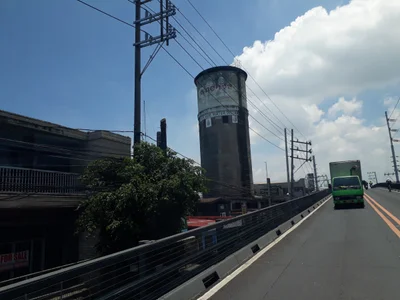
Bocaue ([bɔˈkawɛ]), officially the Municipality of Bocaue (Tagalog: Bayan ng Bocaue), is a 1st class municipality in the province of Bulacan, Philippines. According to the 2020 census, it has a population of 141,412 people.With the continuous expansion of Metro Manila, Bocaue is part of Manila's built-up area which reaches San Ildefonso in its northernmost part. The Bocaue River runs through most of the municipality. Among its tourist attractions are a town museum located near the municipality's center and the town's river festival celebrated on the first Sunday of every July. The river festiv
Malolos [maˈlɔlɔs], officially the City of Malolos (Filipino: Lungsod ng Malolos), is a 3rd class component city and capital of the province of Bulacan, Philippines. According to the 2020 census, it has a population of 261,189 people. It is the capital city of the province of Bulacan as the seat of the provincial government.Malolos is the historical site of the constitutional convention of 1898 that led to the establishment of the First Philippine Republic, led by Emilio Aguinaldo. Malolos was the site of the constitutional convention of 1898, known as the Malolos Convention, that led to the e