Parañaque, officially the City of Parañaque (Filipino: Lungsod ng Parañaque, Tagalog pronunciation: [paɾaˈɲäke̞]), is a first class highly urbanized city in the National Capital Region of the Philippines. According to the 2020 census, it has a population of 689,992 people.It is bordered to the north by Pasay, to the northeast by Taguig, to the southeast by Muntinlupa, to the southwest by Las Piñas, and to the west by Manila Bay.
Like the rest of Metro Manila, Parañaque experiences a tropical climate with only two distinct seasons, wet (July to September) and dry (October to June).
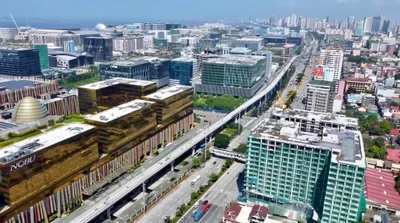
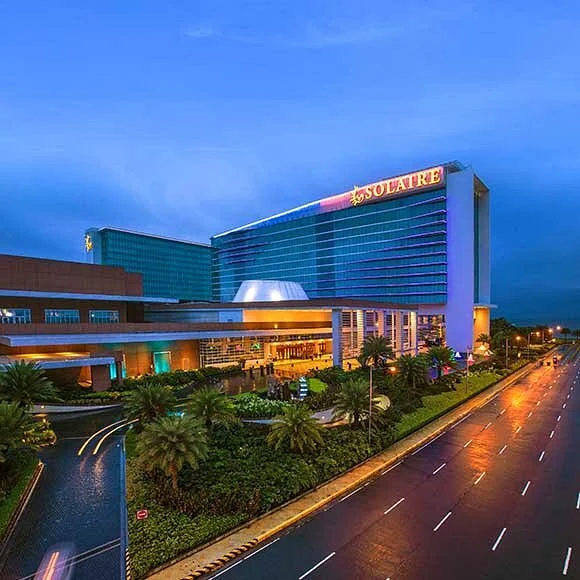
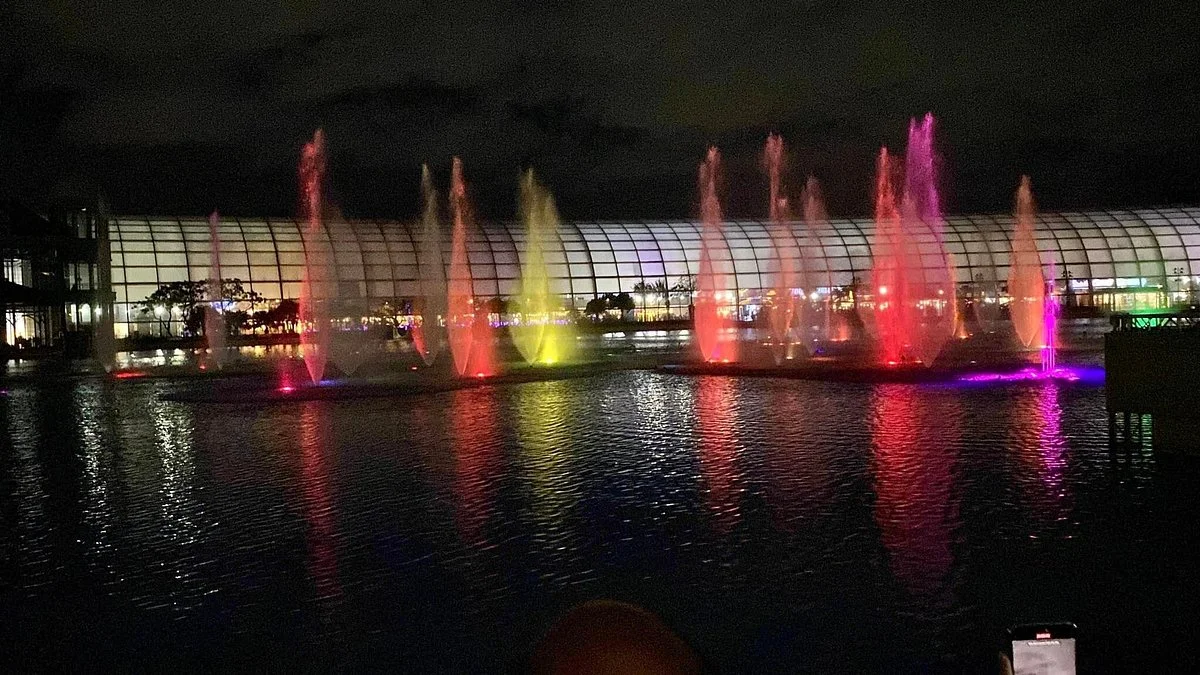
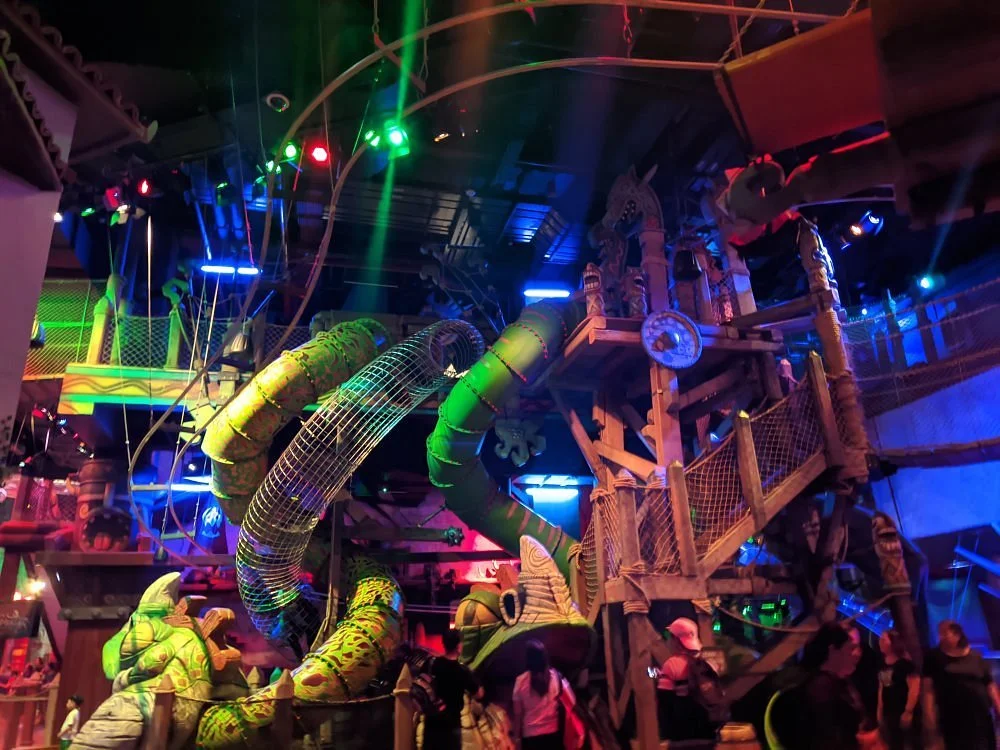
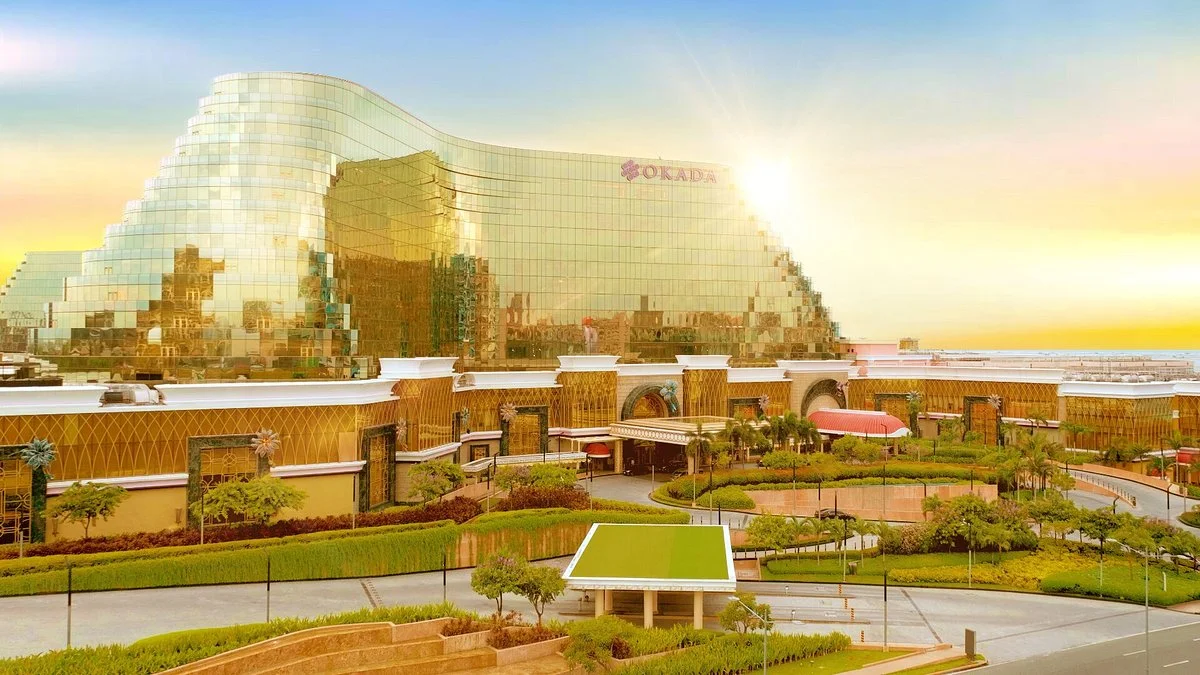
The city enjoys an annual rainfall of 1,822 millimeters (71.7 in) and an average daily maximum temperature of 34.4 °C (93.9 °F).Parañaque is the home of the Entertainment City, a gaming and entertainment complex under development by the state owned Philippine Amusement and Gaming Corporation spanning an area of 8 km2 (3.1 sq mi) in Bay City, where four large integrated resorts are based namely Solaire Resort & Casino, City of Dreams Manila, Okada Manila, and the soon to be completed Westside City Resorts World.
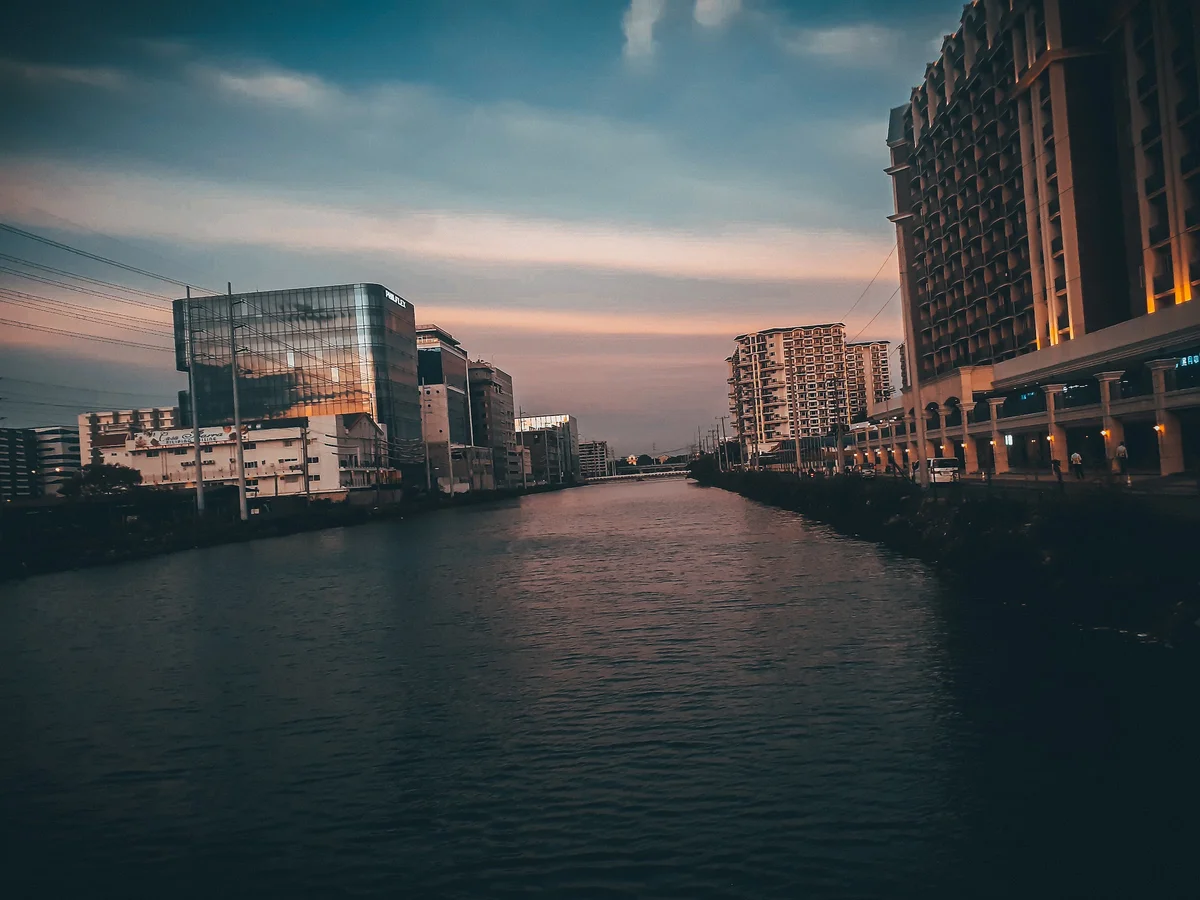
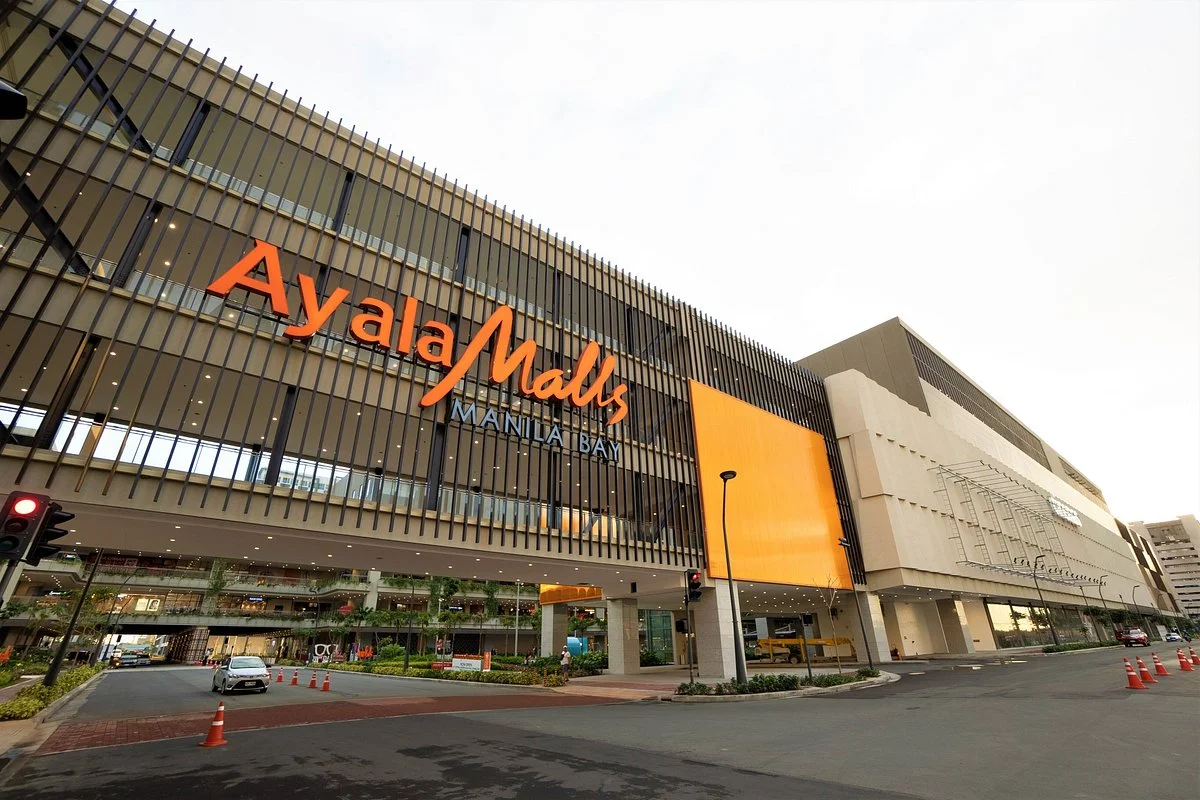
It is also the home of the Parañaque Integrated Terminal Exchange public transport and the Aseana City business district development which includes Ayala Malls Manila Bay.
Despite having good transport conditions, Parañaque is not much a city with a good collection of sights, due to its sprawling and squalid nature. All that said, there are some few scattered sights around.
By plane, one arrives here at Ninoy Aquino International Airport, which straddles the city limits into nearby Pasay. Provincial buses, from southern Luzon come at the new multi-story airport-style bus station near the Entertainment City.
Parañaque has a bad reputation for sprawl, with chronic traffic jams worsened by the dozens of gated communities feeding into them, nevertheless, public transportation is plentiful on the city's main roads. There is one bus route radiating from PITX, the Route 23 PITX-Sucat which plies Ninoy Aquino and Dr. A. Santos avenues, and elsewhere, you get on a jeepney. The crowded shopping district of Baclaran is easily navigable on foot, so do the city proper at Kabihasnan. Shuttle buses connects the casinos in Entertainment City with PITX.
Parañaque lies to the southwest part of Metro Manila, surrounded by Pasay to the north, Manila Bay to the west, Las Piñas and Muntinlupa to the south, and Taguig to the east. It is largely a residential community just south of the Ninoy Aquino International Airport, full of large subdivisions, notably the affluent BF Homes, also a barangay in its own right. BF Homes also includes areas in Las Piñas and part of Muntinlupa.
The Entertainment City area, administratively part of barangay Tambo and Baclaran, houses the large casino complexes in the city, in sharp contrast to the chaotic scenes to the east. The area, developed by the national gambling corporation and regulator, Philippine Amusement and Gaming Corporation (PAGCOR) from 2002, lies on reclaimed areas on Manila Bay created during the Marcos administration through the 1970s and 1980s. The area is flourishing with the ongoing casino construction, which also causes a rise in land prices.
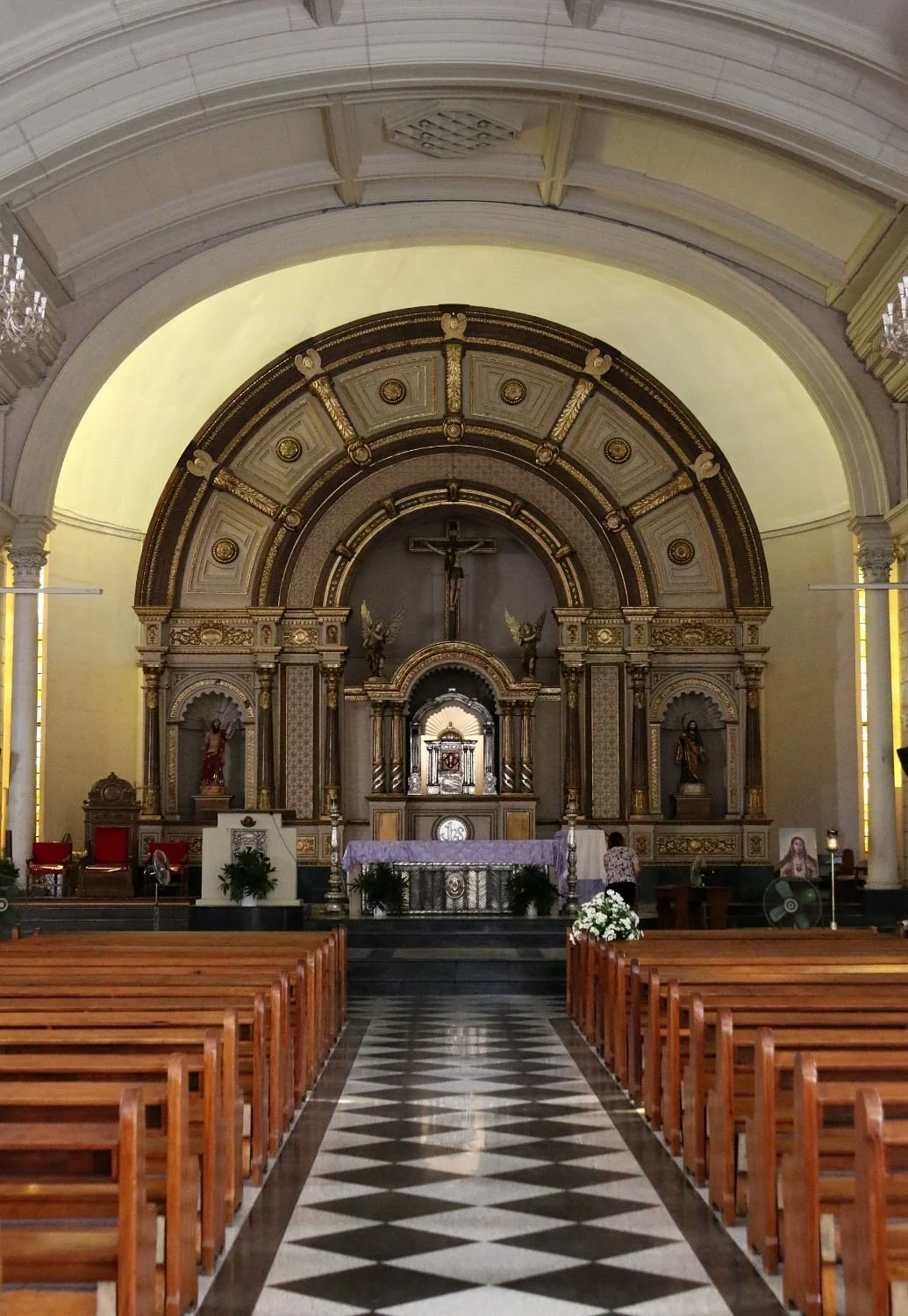
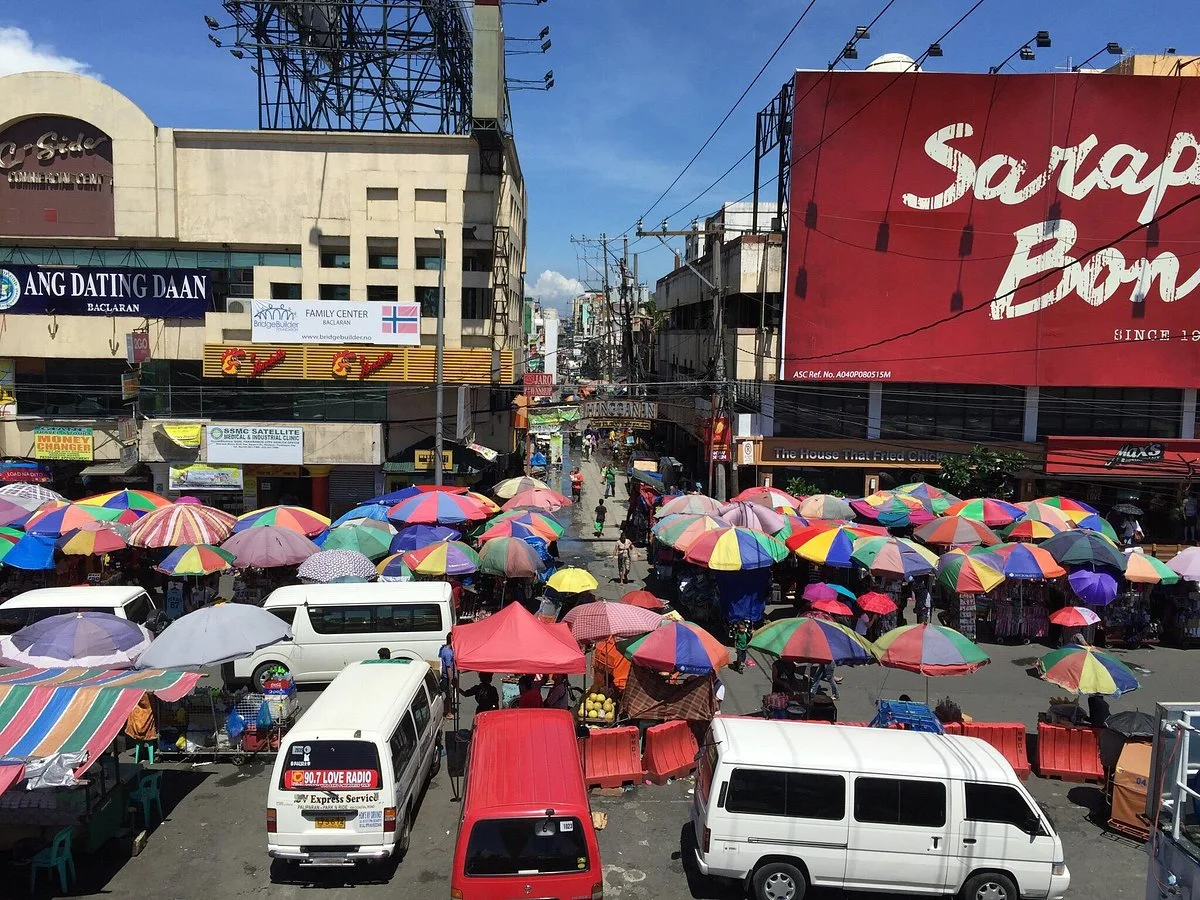
Baclaran, once a peaceful fishing village, has been a bargain hunters' paradise and a congested working-class ghetto south of Manila. It is home to the National Shrine of Our Lady of Perpetual Help (Baclaran Church or Redemptorist Church), a shrine dedicated to the Our Lady of Perpetual Help, and flea markets (tiangges) selling cheap goods at bargain prices. First time visitors, especially those from the airport, are easily overwhelmed by street scenes and the people, with peddlers, beggars, street performers, and vagrants sharing space with slow-moving cars and crowds of shoppers, residents and students, but behind the chaos are a laid-back nightlife scene and some backpacker accommodations.
The Kabihasnan area is the city's historic district, but is largely a congested residential area, with scattered slum areas.
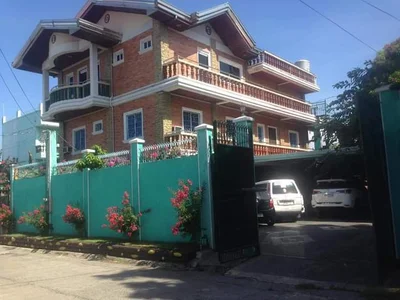
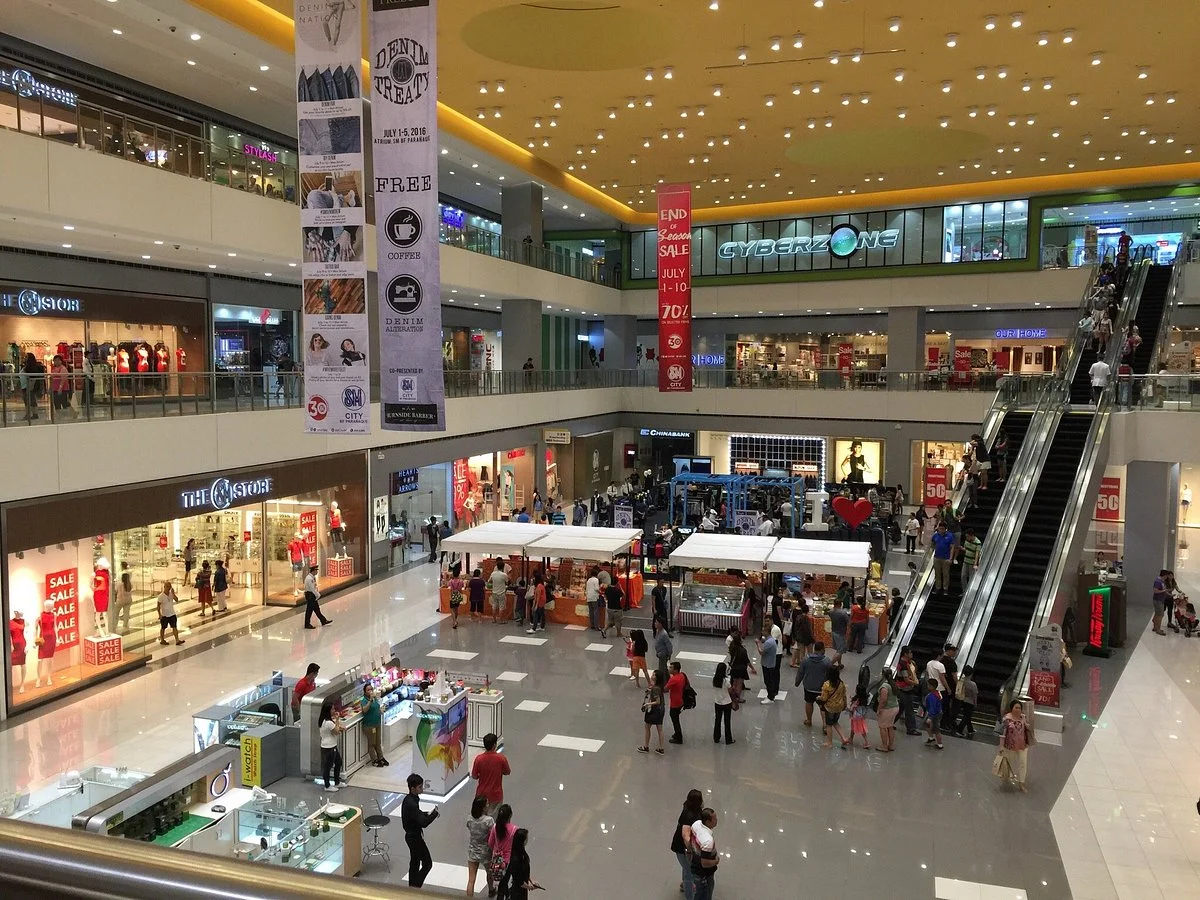
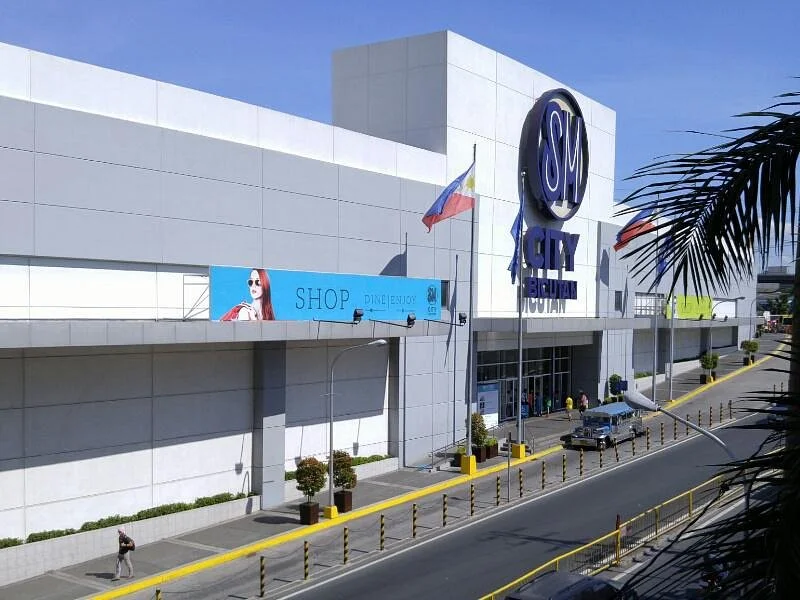
The rest of Parañaque is characterized by large subdivisions, many being barangays on their own, and interspersed slums and family-owned compounds. Sucat Road (Dr. A. Santos Avenue), a tree-lined six-lane avenue, is the area's major thoroughfare. Shopping malls and most food destinations, including those in the subdivisions, lie on this part of the city.
The city has some visible foreign populations, mostly Chinese and some Westerners. White residents, often spouse of locals, often live behind the security of the large, self-contained subdivisions. Chinese migrants, generally workers, gambling operators and land developers, on the other hand, are mostly concentrated near Entertainment City and Baclaran, though their influx is not without negative effects to local businesses and land prices.