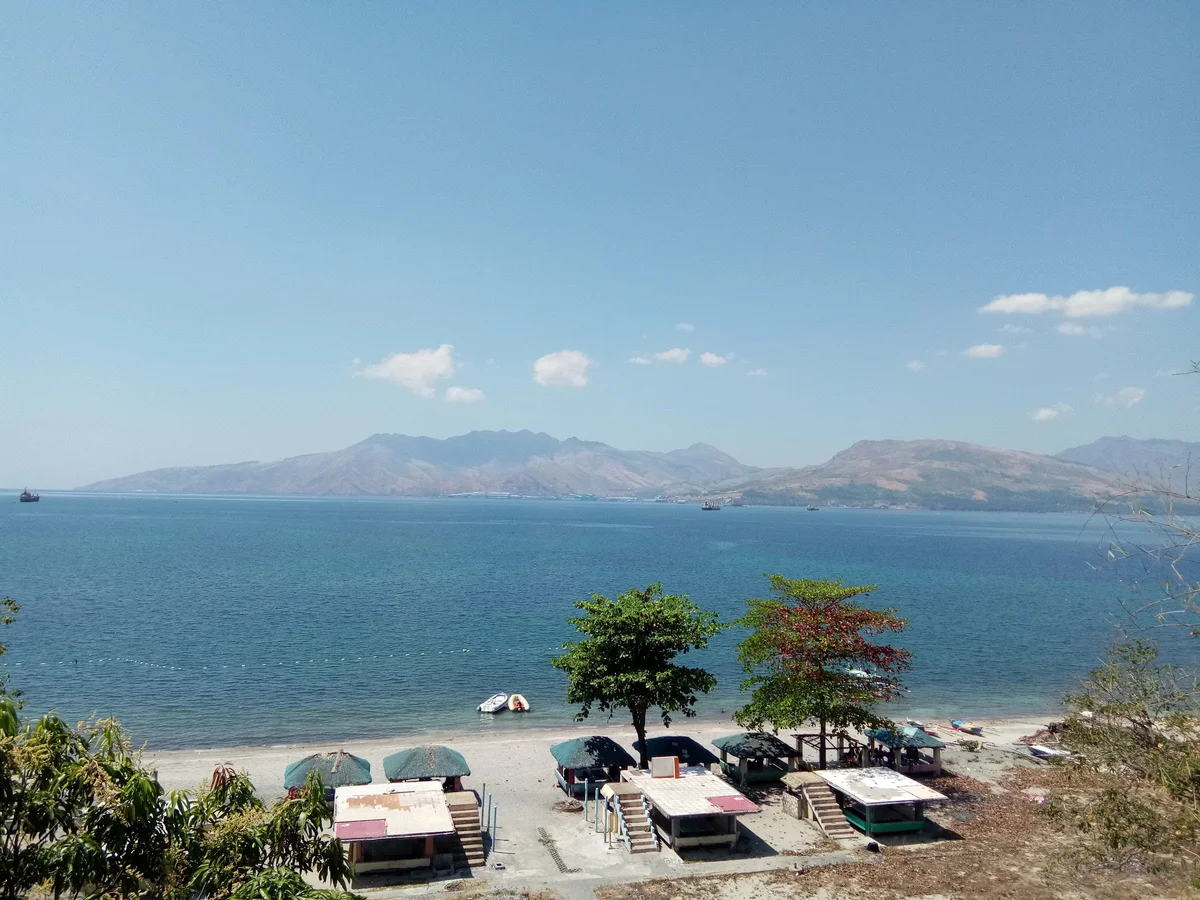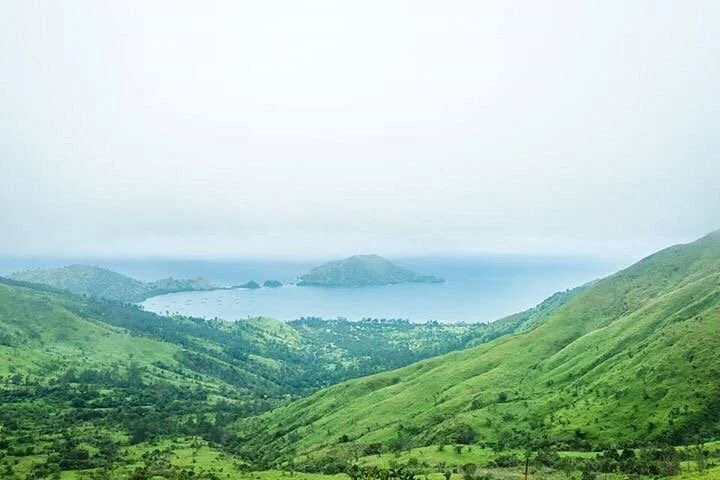
Subic, officially the Municipality of Subic (Ilocano: Ili ti Subic; Tagalog: Bayan ng Subic, Kapampangan: Balen ning Subic), is a 1st class municipality in the province of Zambales, Philippines. According to the 2020 census, it has a population of 111,912 people.It is located along the northern coast of Subic Bay. Portions of the town also form part of the Subic Freeport Zone.
Subic is 66 kilometres (41 mi) from Iba, 12 kilometres (7.5 mi) from Olongapo, and 138 kilometres (86 mi) from Manila.
= The tourism office for the area calls Subic Bay the "Pearl of the Orient" and much like a pearl inside an oyster, its true value is hidden unless you know where to look.
Subic Bay offers some of the world's best shipwrecks, all within recreational diving depths, as well as tranquil coral and artificial reefs that explode with marine life. Unlike Coron, and other wreck diving locations, where you ride for hours to get to a wreck site, the majority of Subic Bay dive sites are a quick 15 minutes trip from the dive centres.
The bay is a unique "wreck heaven" because its sheltered waters allow calm year-round diving (except in the strongest typhoons), with short duration transits to the dive sites and a fantastic collection of exceptionally well-preserved historical wrecks.
Just how many wrecks are there in Subic Bay? That is a difficult question. Unlike Coron or Truk, whose wrecks occurred over a relatively short period, Subic’s World War II wrecks covered almost the entire war period. No fewer than 25 Japanese ships were reported sunk during the war years. Some of these may have been removed in the late 1950s as salvage operations were conducted to open up the bay for shipping. Additional ships were sunk after the war either as targets or victims of mother nature. It is widely believed that an additional ten large ships may lie within the bay. The area is not limited to World War II wrecks. At the entrance to the bay alongside Grande Island are the remains of the Spanish–American War wreck, San Quintin. Outside the bay in deep water lie the remains of a Spanish galleon as well as a 16th-century Chinese junk (beyond diving range).
The eruption of Mount Pinatubo in 1991 did an enormous amount of damage to Luzon and the Zambales/Subic Bay area was hard hit. A meter of ash covered the area, including homes and businesses. Within days, a typhoon entered the area, turning the ash into mud. Many homes and businesses collapsed under the weight. One resident stated that the river looked just like the cement coming out of a cement mixer. A large percentage of coral was killed lying under the ash.
When the navy occupied the naval base at Subic, many of the wrecks were closed to diving. However, divers had the advantage of diving in water that was crystal clear with 40 m or more of visibility on the wrecks that were open. The bay was the home of different varieties of sharks, dolphins, and turtles. While a few turtles still nest on the beaches, sharks and dolphins are no longer here. The visibility is returning slowly and the coral is recovering. Perhaps the turtles, sharks and dolphins will return in abundance also, but this is not likely. Populatios of turtle, rays and sharks just outside the bay seem to be on the rise.
There have been increasingly more common sightings of bull sharks around the deeper wreck sites, along with Eagle Ray around the USS New York, LST, and El Capitan, and black tip reef sharks around the outside of Grande Island.
Underwater photographers have been reporting success with macro critters, such as harlequin ghost pipe fish and many species of nudibranch.
There are more than ten full-time dive operators in the bay area. These dive operators serve a variety of scuba training agencies, including PADI, SSI, ANDI, PSAI, BSAC and DSAT. They provide a collection of entry-level and specialist scuba training courses, including (of course!) basic and advanced/technical wreck diver training.
Public transportation methods such as jeepneys and motorized tricycles plying in areas around the Subic Freeport Zone (SFZ) such as in downtown Olongapo, are not allowed to go inside the SFZ.