Ko Samui (or Koh Samui, also often locally shortened to Samui; Thai: เกาะสมุย, pronounced [kɔ̀ʔ sā.mǔj]) is an island off the east coast of Thailand. Geographically in the Chumphon Archipelago, it is part of Surat Thani Province, though as of 2012, Ko Samui was granted municipal status and thus is now locally self-governing. Ko Samui, with an area of 228.7 square kilometres (88.3 sq mi), is Thailand's second largest island after Phuket. In 2018, it was visited by 2.7 million tourists.
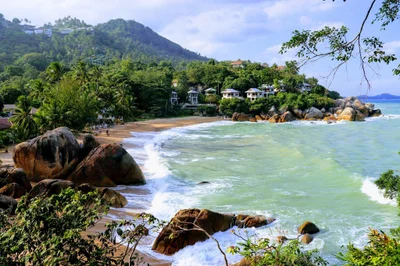
The major reason people come to Samui is, quite simply, to enjoy the beaches. Even though the two main beaches of Chaweng and Lamai have generally suffered due to mass development, they are still relatively impressive. Development has been thwarted slightly because of the island’s building height restriction, but this has caused sprawl.
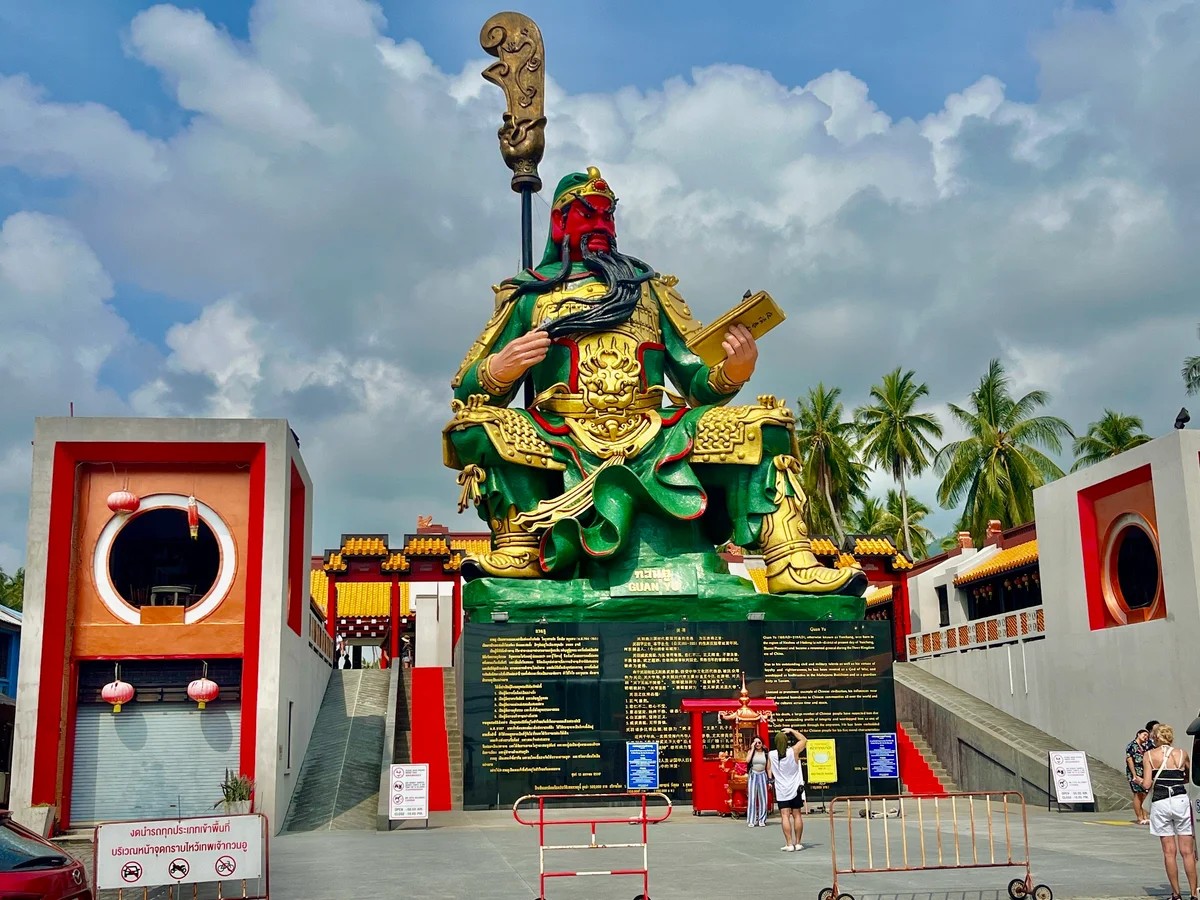
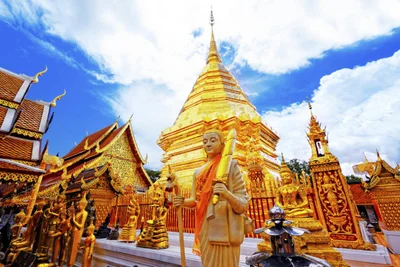
Other than lying on the beach with a cold beer in hand and ogling at the babes and hunks sauntering past, there isn't all that much to see on the island. A certain pair of rocks on Lamai amuses some visitors, Bang Rak has a large but nondescript Buddha statue, and there are some waterfalls (notably Na Muang) of minor interest.
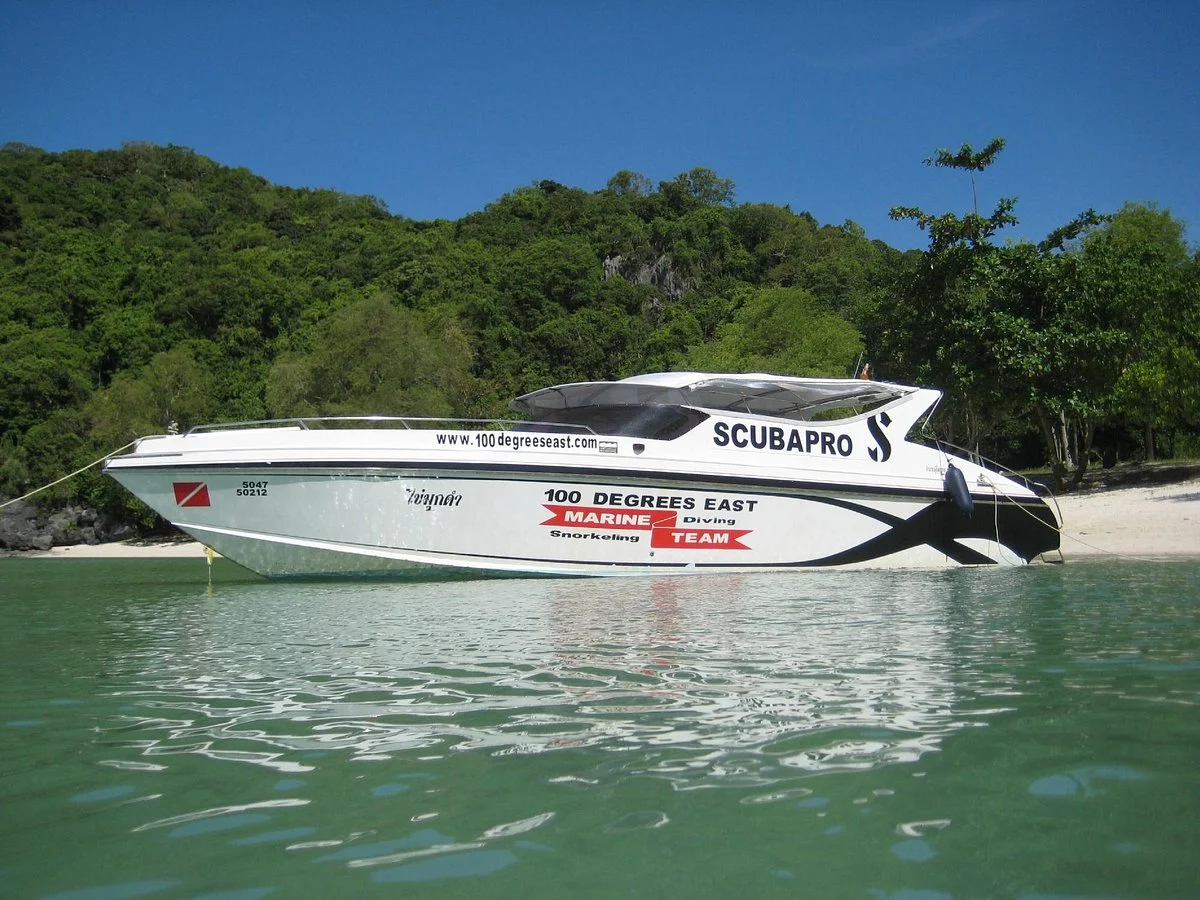
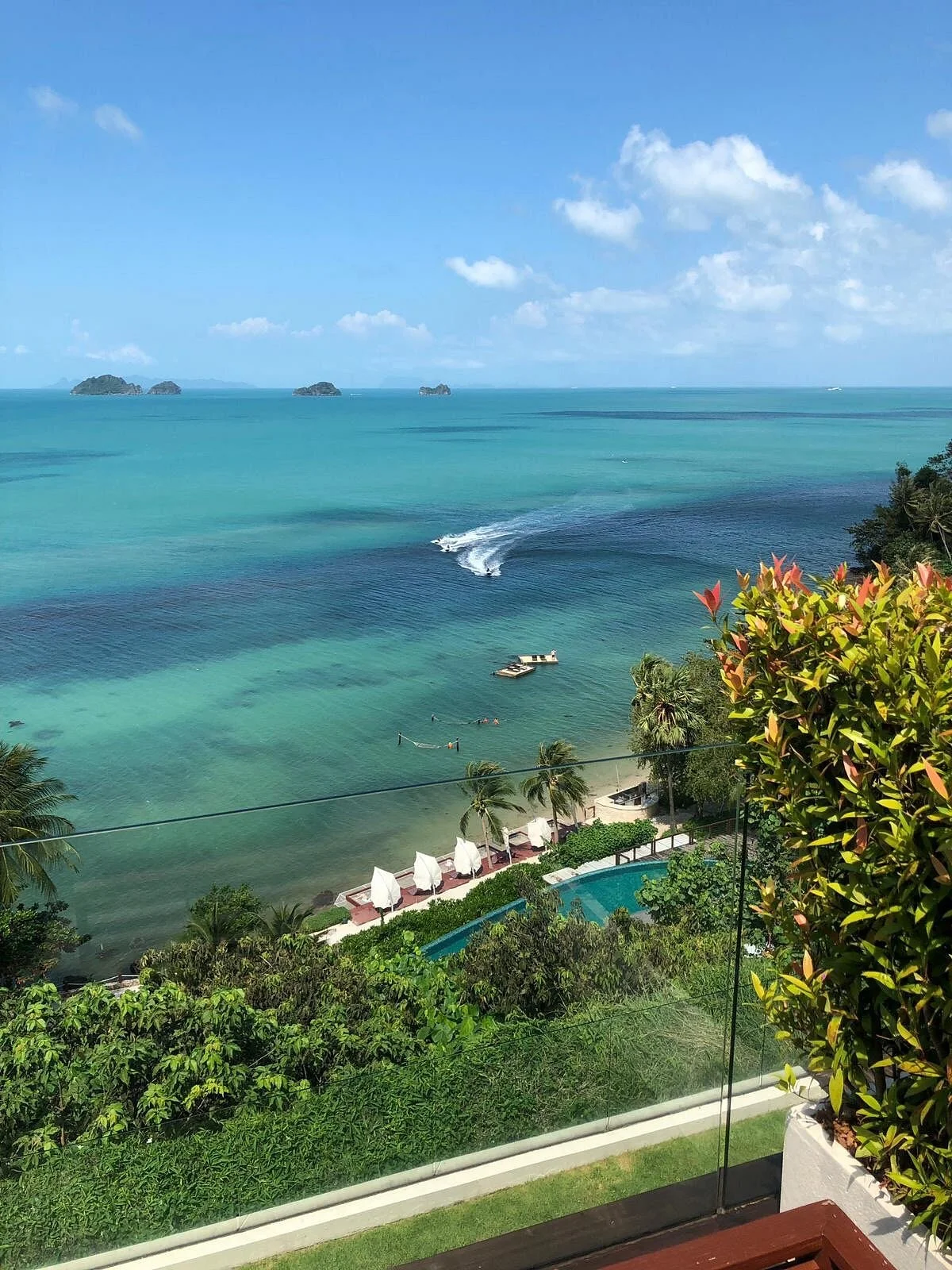
The usual panoply of water sports are available.
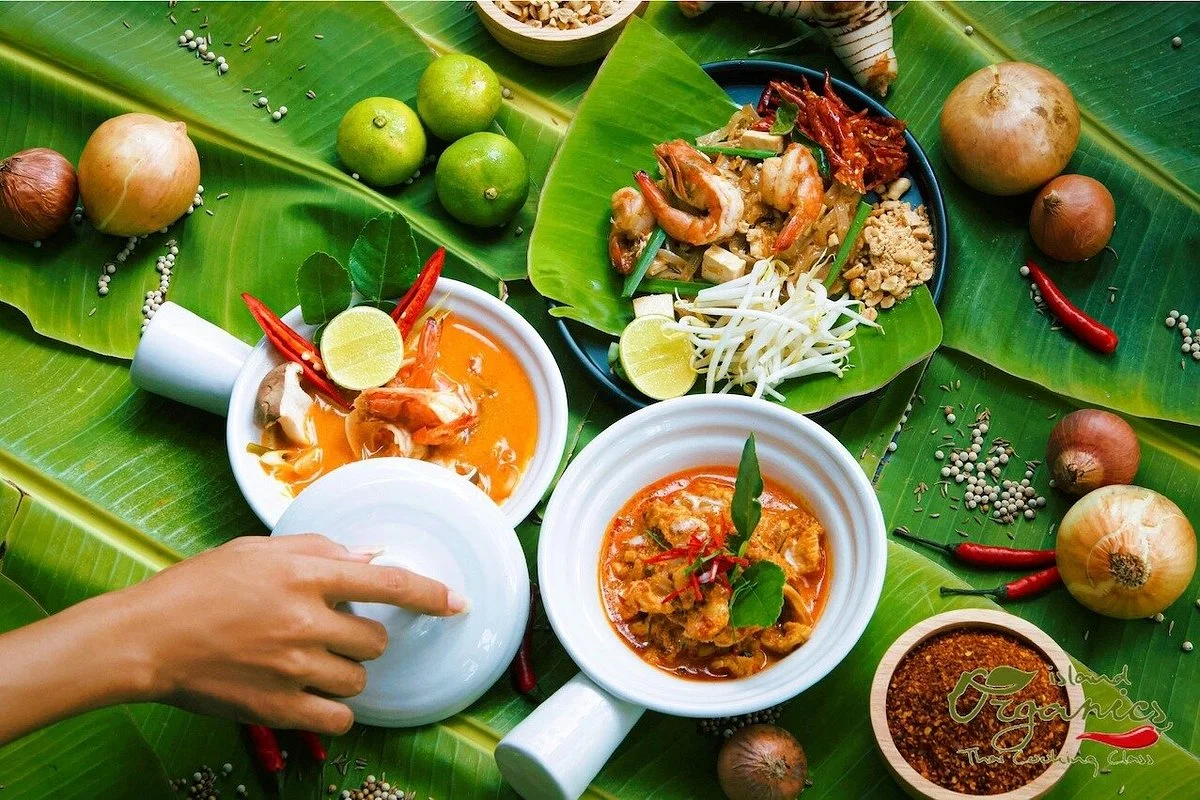
Samui is well known for its coconuts''', which are available everywhere and quite tasty. Being an island, seafood is generally a good choice although in high season demand often exceeds local supply. The larger beaches have a number of international restaurants as well (often run by Thai-farang couples) with Bophut having a particularly good reputation. Southern Thai food in general is renowned for its spiciness. Much of the cuisine has its origins in Malay, Indonesian, and Indian food. Favourite dishes from the south include Indian-style Muslim curry (massaman), rice noodles in fish curry sauce (khanom jeen) and chicken biryani. Popular local foods are salted eggs and rambutan.
Dual pricing is common: some restaurants have two menus, one for tourists and the other for Thai people, at about a quarter of the tourist prices. Main courses in a standard, low-key Thai restaurant should be under 100 baht (except some seafood dishes), so if prices seem unreasonably steep, head elsewhere. Always check prices and menu first so you don't have to argue when the bill is served.
There are innumerable options for a drink, ranging from the loud and brash tourist pubs and girlie bars of Chaweng to the candle-lit romantic bars of Bophut. The local beers of Singha, Tiger, Chang and Leo are around 90 baht, with imported beers up to twice that. Wine is especially expensive and usually costs over 2,000 baht per bottle.
No information available
With only an estimated 25,000 rooms, accommodation may be a problem in high season. If you're into nightlife, Chaweng is definitely the place to be, but also Lamai offers some late entertainment. If you're into a quieter beach experience, try the northern beaches like Mae Nam, Bophut, or Choeng Mon. Also the South Coast and west coast are good compromises. Nathon is in the centre part of the island, and offers reasonably priced accommodation with hotel rooms from around 400 baht.
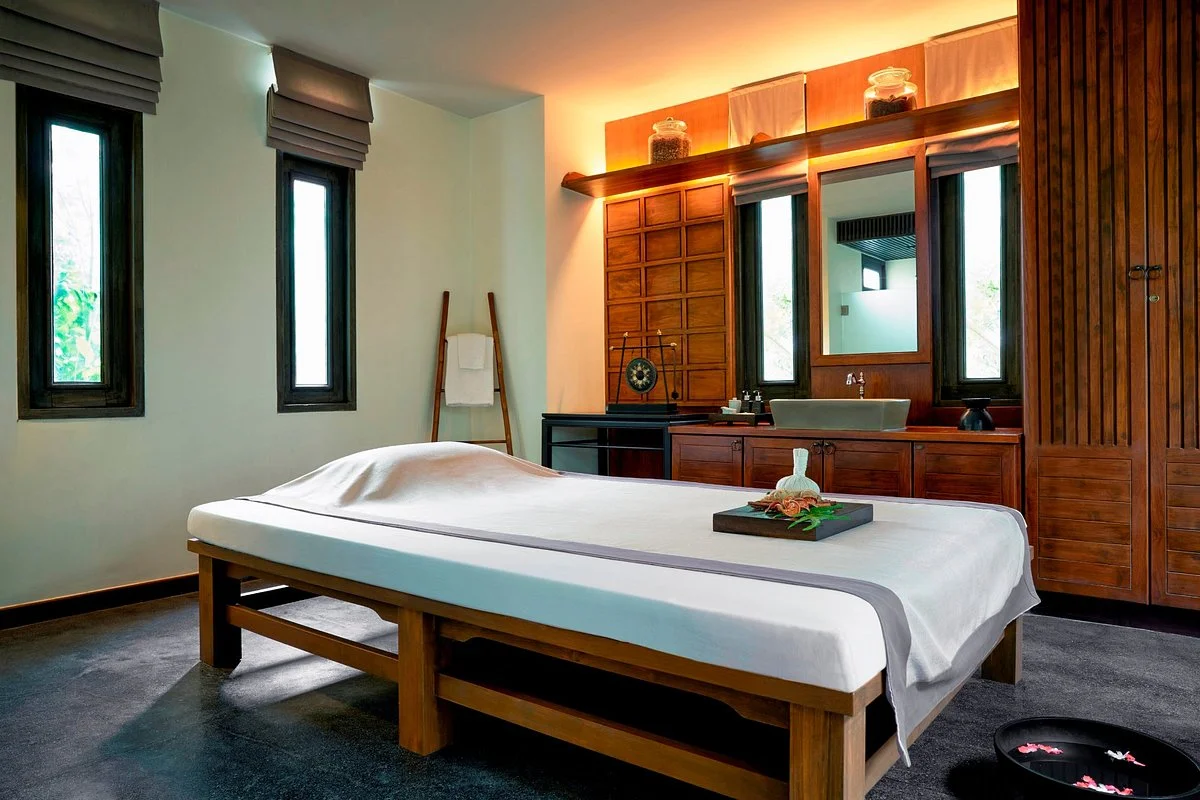
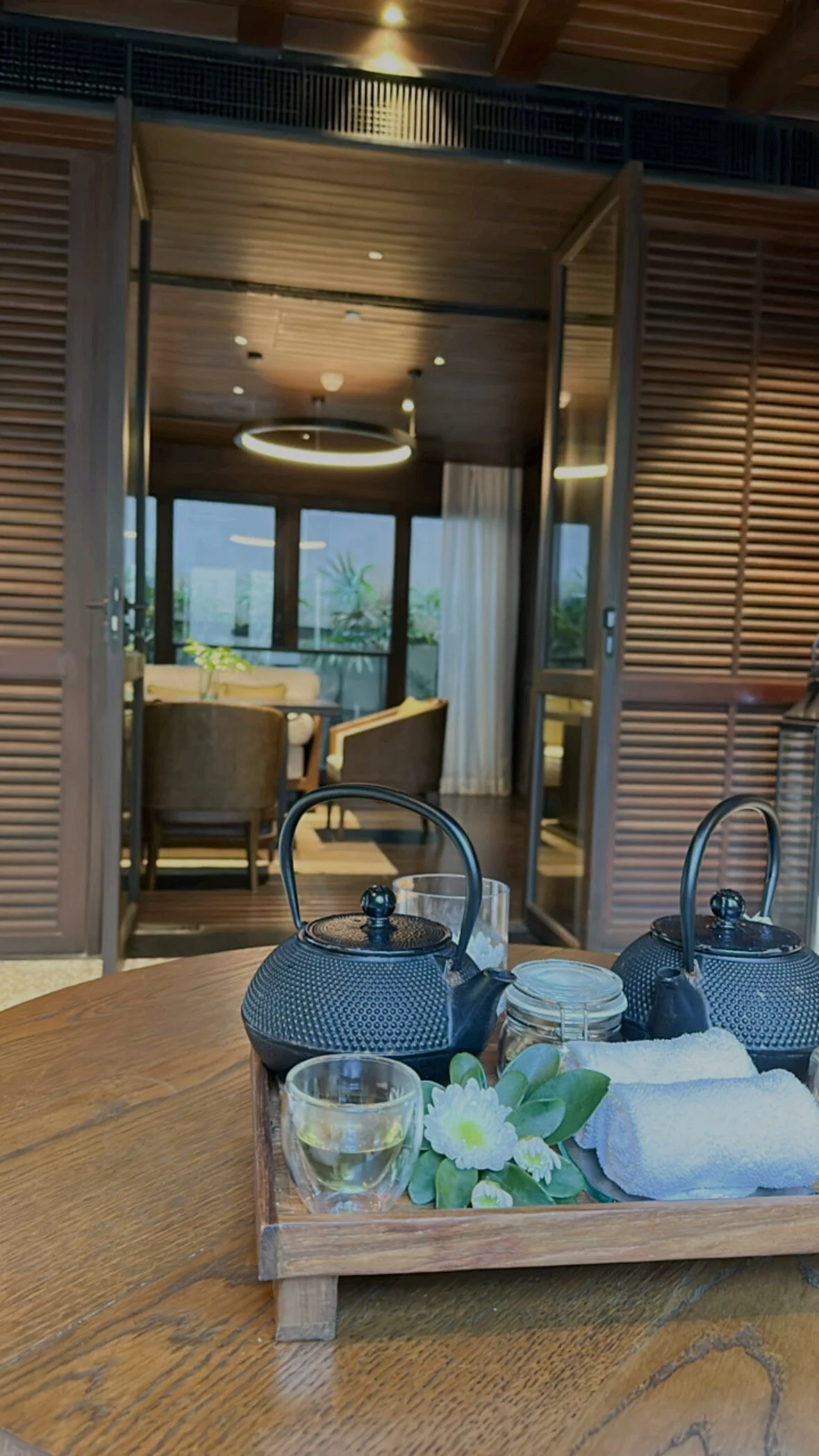
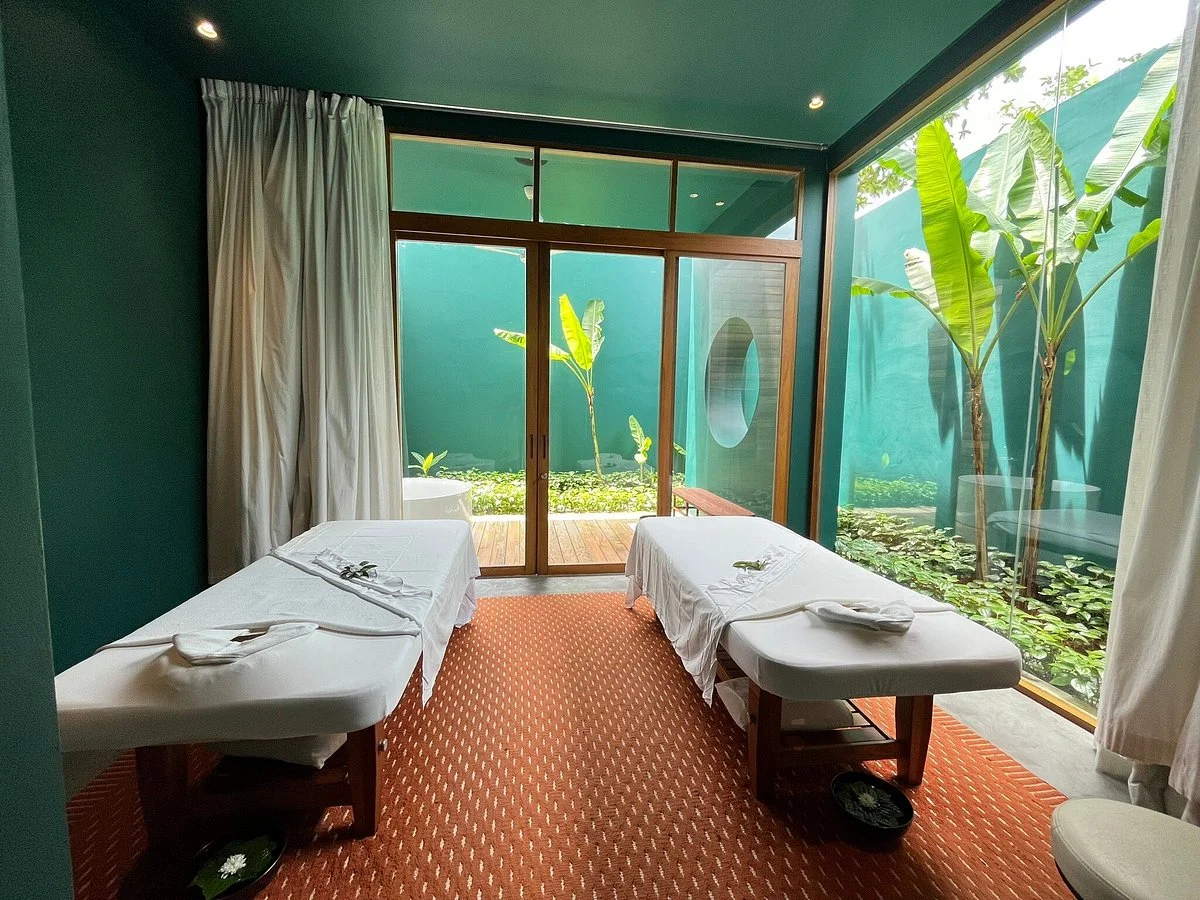
There are plenty of luxury private villas on Ko Samui. The villas usually have dedicated staff on hand to offer customised services such as breakfast, dinner and in-villa spas. You can also arrange for them to pick you up at the airport.
As on many islands in Thailand, small motorbikes are available for rental. Compared to other nearby islands, Samui's road system is very developed and there are plenty of taxis cruising about, although it's a challenge to get them to use their meters.
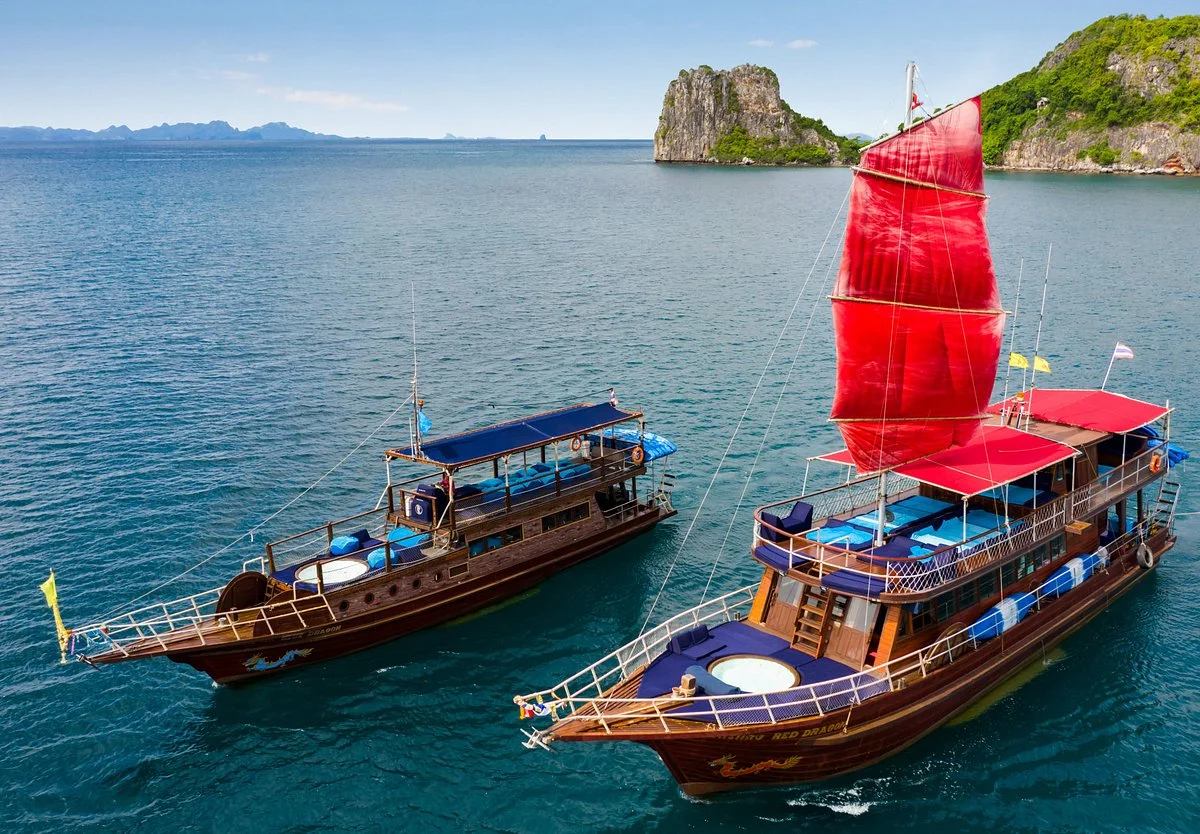
At 247 km², Samui is the second largest island in Thailand and the largest island in an archipelago of over 80 (mostly uninhabited) islands which form the Ang Thong National Marine Park, a kayaking and snorkelling paradise. At long and wide, Samui is big enough for serious exploration by the adventurous and fit, but can be circumnavigated in just a couple of hours by motorbike or car.
Samui is home to some 50,000 full-time inhabitants, 90% of whom are Buddhist. The island was probably first inhabited about 15 centuries ago, settled by fishermen from the Malay Peninsula and south China. The origin of the name Samui is unknown.
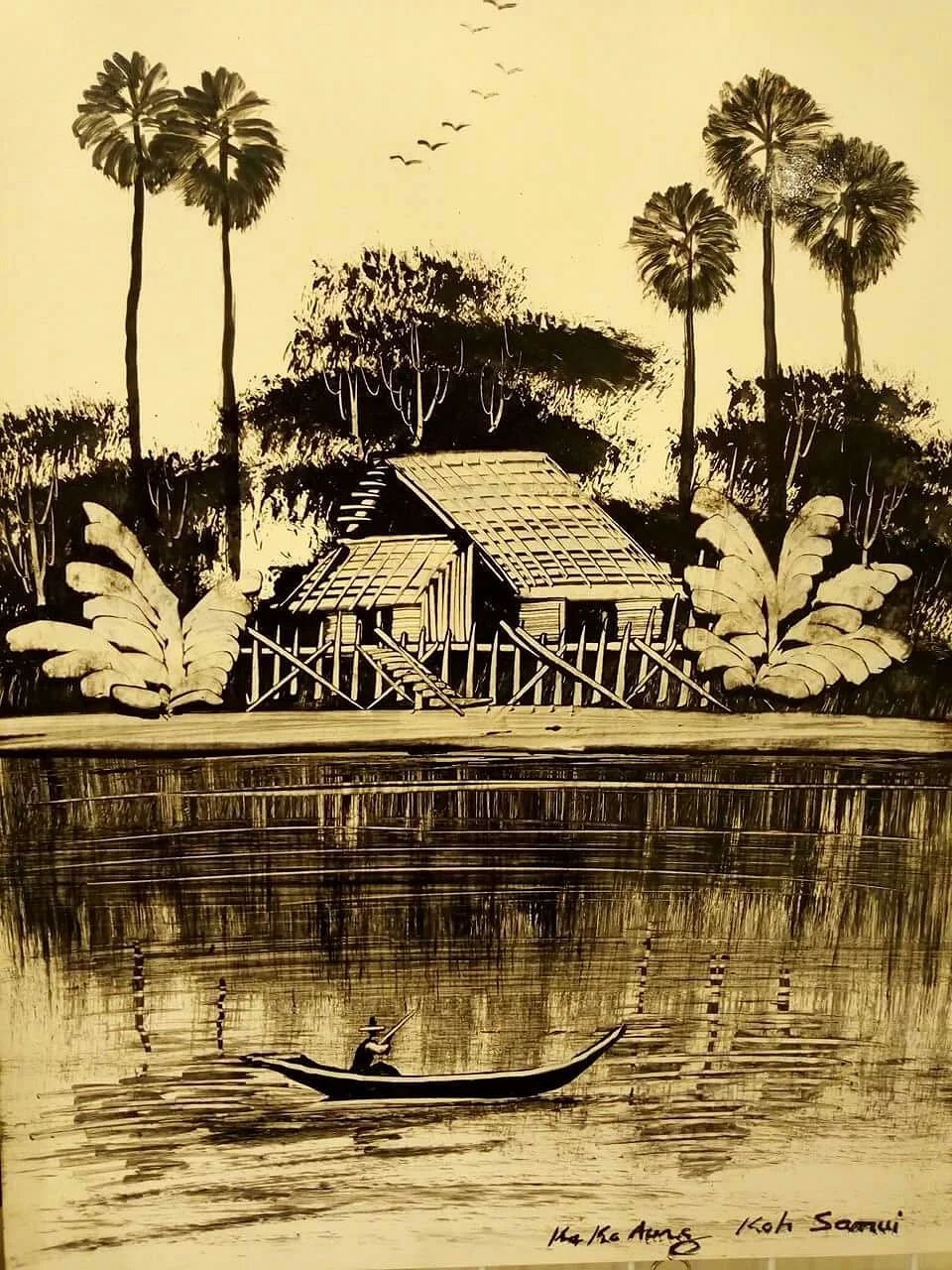
Until the late 20th century, Samui was an isolated self-sufficient community, having little connection with the mainland. The island was even without roads until the early 1970s, and the journey from one side of the island to the other involved a whole-day trek through mountainous jungle.
In the early 1970s the first backpackers travelling on the back of a coconut boat arrived on Ko Samui. For years after that the island just had a few bungalows and a trickle of travelers. Things started to change in the early 1990s when tourists started arriving in full boats and since then the place has grown substantially. Samui is now the second most popular island destination in Thailand (after Phuket). Ko Samui may not be the country’s most beautiful island but it is still an oasis of natural beauty with its white sandy beaches, dazzling coral, luscious lagoons, picturesque waterfalls, swaying coconut trees, and crystal clear water. The water at Bophut Beach, though, is often murky, especially around December.
Development on Ko Samui has taken its toll and, before COVID, the island saw an average of 2.3 million visitors per year and the beaches of Chaweng and Lamai were overcrowded in the high season. However, the pandemic and the resulting border closures hit the local economy hard, with many hotels, restaurants and other businesses closing. If you can navigate the considerable bureaucracy to get to Thailand, the time to visit is now — it's unlikely the island will ever be this quiet again.