
# Jingdezhen, City of Porcelain
A porcelain bowl can hide almost everything required to make it. Its surface is continuous, its foot neat, its glaze apparently inevitable. Jingdezhen tells a different story. Clay is selected and prepared; forms are thrown, moulded or built; surfaces dry; painters work before or after glazing; kilns impose heat and risk. One object may carry several specialists whose names never appear beside the finished price.
Jingdezhen's association with ceramic production spans many centuries and global trade routes. It is recognised within UNESCO's Creative Cities Network for Crafts and Folk Art. That history should not be reduced to a claim that every white-and-blue object is ancient, imperial or locally made. The city includes archaeological sites, state and private institutions, industrial production, family workshops, university-trained artists and international residencies.
Begin with a major museum or kiln-site collection before shopping. Chronology makes visual difference useful: bodies, glazes, firing technology, forms and painted vocabularies changed through patronage, trade and technical exchange. Read labels for period and kiln rather than using colour as proof.
Follow the division of labour
In a working studio, ask who performs each stage. A thrower may form repeated bodies with remarkable speed. A trimmer refines the foot. A painter may specialise in one line, motif or palette. Kiln staff read temperature, atmosphere and placement. Division does not diminish authorship; it reveals the production system that the single word handmade conceals.
Do not touch greenware. An unfired vessel may look solid while remaining vulnerable to fingerprints, pressure and sudden movement. Keep bags away from shelves and obey kiln boundaries. Photography can expose unpublished designs or interrupt concentration, so ask before recording and accept a refusal without negotiation.
Visitor workshops often offer painting on a prepared blank. This is a legitimate introduction when described accurately. Ask where the blank was made, which pigments are used, how it will be fired and whether international shipping is included. A piece that must cross another firing is not guaranteed to survive unchanged.
Clay, glaze and heat
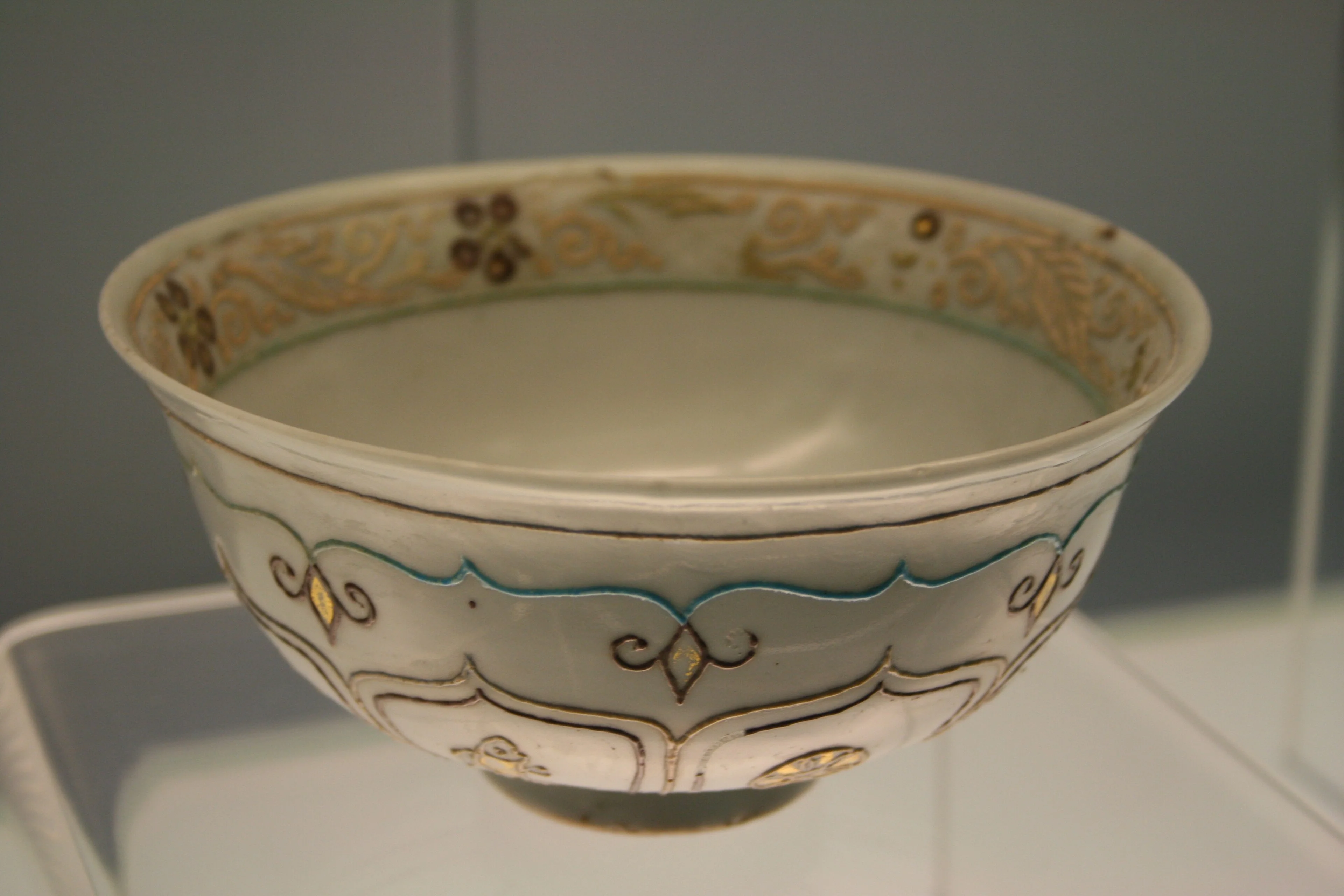
The romance of local clay can become too simple. Ceramic bodies are recipes chosen for working behaviour, colour, strength and firing range. Contemporary studios may use locally sourced, blended or commercially prepared material. Ask what the maker chooses and why rather than demanding a pure origin story.
Kilns consume energy and generate emissions; glaze materials require safe handling; water carries suspended clay and colour. Responsible studios should be able to discuss recycling, ventilation and waste without presenting one technology as a complete solution. A traveller cannot audit production during a short visit, but specific explanations are more credible than a green label without evidence.
Food safety belongs to the purchase. Decorative, sculptural and functional wares have different requirements. Ask whether a vessel is intended for food, dishwasher or microwave use, and whether the glaze has been tested for that purpose. Crazing, metallic lustre and overglaze decoration may require special care. Keep the maker's instructions.
Markets and the problem of age
Ceramic markets can move rapidly from inexpensive production to contemporary art and alleged antiques. Decide which category you are seeking before bargaining. New work should have a named studio or honest production description. Artist pieces should include attribution and, where appropriate, a certificate or invoice.
Treat every archaeological-looking object with caution. Cultural-property and export rules are not solved by a seller's confidence. Do not buy kiln fragments, excavated material or objects represented as old without documentation from competent authorities. A modern reproduction can be a beautiful and lawful choice when it is labelled as such.
Packing is part of the object. Ask a studio to explain double-boxing, insurance and claims. Carrying a piece in hand luggage may reduce handling but airline restrictions apply. Never ask for a false customs value. If shipping costs more than expected, that is information about the real journey of the object, not a reason to transfer risk to the maker.
A city beyond blue and white
Leave time for contemporary work. Young makers and resident artists use porcelain for sculpture, installation, experimental glaze and forms connected to lives far beyond courtly tradition. Innovation is not evidence that heritage has been abandoned. Jingdezhen's continuity lies partly in its ability to attract people who argue with the medium.
Food, housing, traffic and ordinary streets keep the craft district from becoming a theme park. Use licensed transport, verify opening hours and keep studio visits geographically grouped. Production spaces may close around firing schedules or private commissions. An appointment is more reliable than arriving because a social post showed an open door.
Kiln landscapes need the same restraint as studios. Historic deposits and workshop remains can contain fragments that appear abundant but remain archaeological evidence. Follow site rules, stay behind barriers and never pocket a sherd. The absence of a guard does not convert cultural material into a souvenir. Photograph labels as well as surfaces so later captions retain period and context.
Collectors should separate taste from certainty. Marks can be copied, dates misunderstood and restoration concealed. A short visit does not provide expertise in authentication. Buy older work only through reputable, documented channels and seek independent advice for significant value. Contemporary work removes much of that uncertainty while directing payment towards a living maker.
Meals also reward ceramic attention without turning tableware into a hunt. Notice how bowls, spoons and teapots serve particular foods, but ask before photographing a restaurant's service pieces closely. Chipped glaze and repaired wares may remain in use under local practice; visitors should not make food-safety declarations from appearance alone. The host decides what is served, while the diner can ask a simple question if concerned.
If visiting an international studio or residency, learn who funds it and how local artists participate. Exchange is not automatically equitable. Strong programmes credit technicians, translators and host workshops alongside visiting names. A residency exhibition can show Jingdezhen as a place of current debate rather than a supply chain for somebody else's artistic idea.
Turn the bowl over
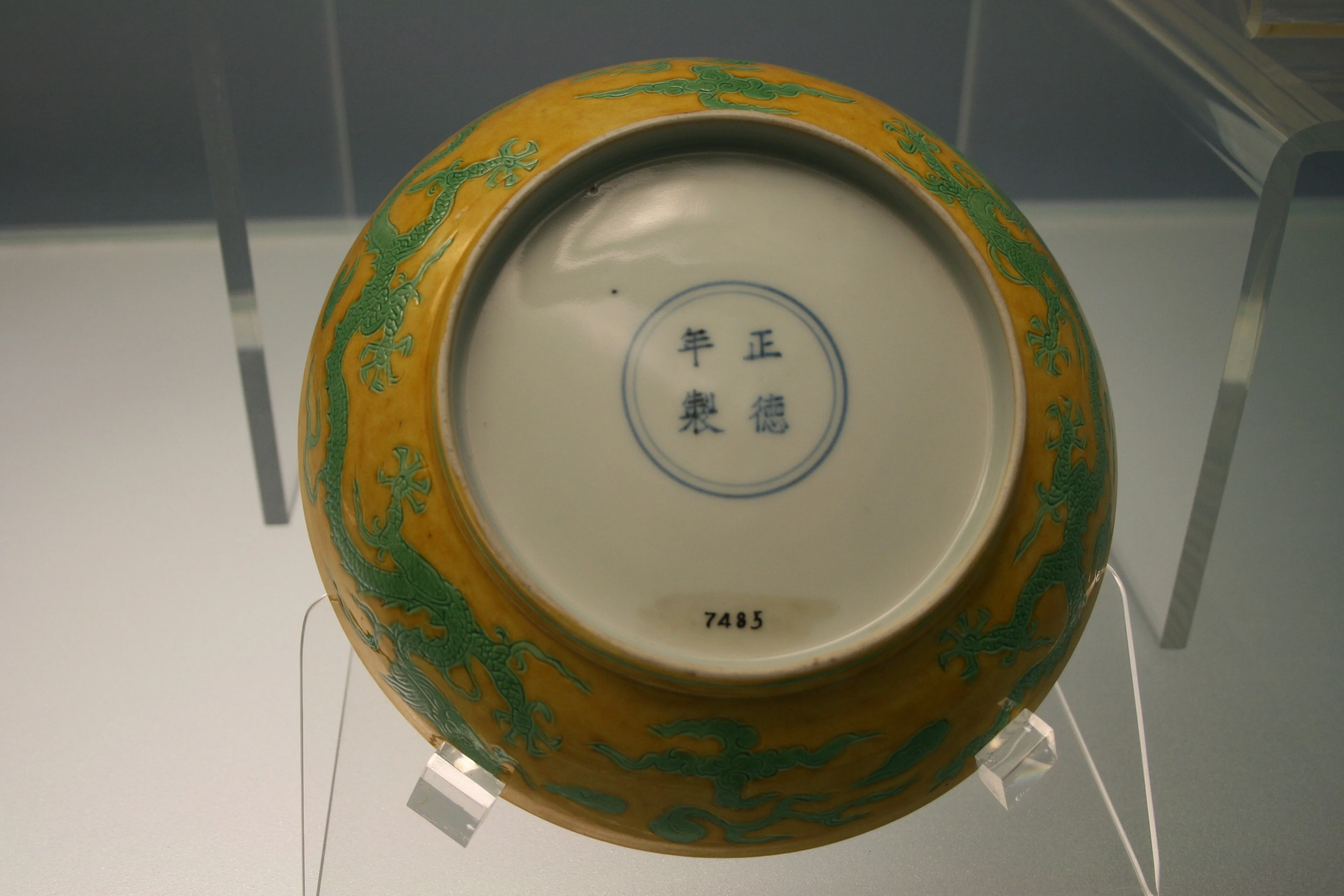
The foot ring may show the clay, the firing support and the final act of trimming. A mark may name a studio, artist or brand; its absence may reflect a distributed workshop. Turn the object over before buying, then turn the story over too. Ask which people and processes sit beneath the seamless surface.
Jingdezhen does not need every visitor to become a collector. Paying for a museum, workshop or guide can support knowledge without moving another fragile object across the world. If a bowl does travel home, let its documentation be as carefully kept as the porcelain. Perfection is more interesting when the risks and many hands inside it remain visible. The most useful purchase begins with context and ends with an accurate name.