Mexico
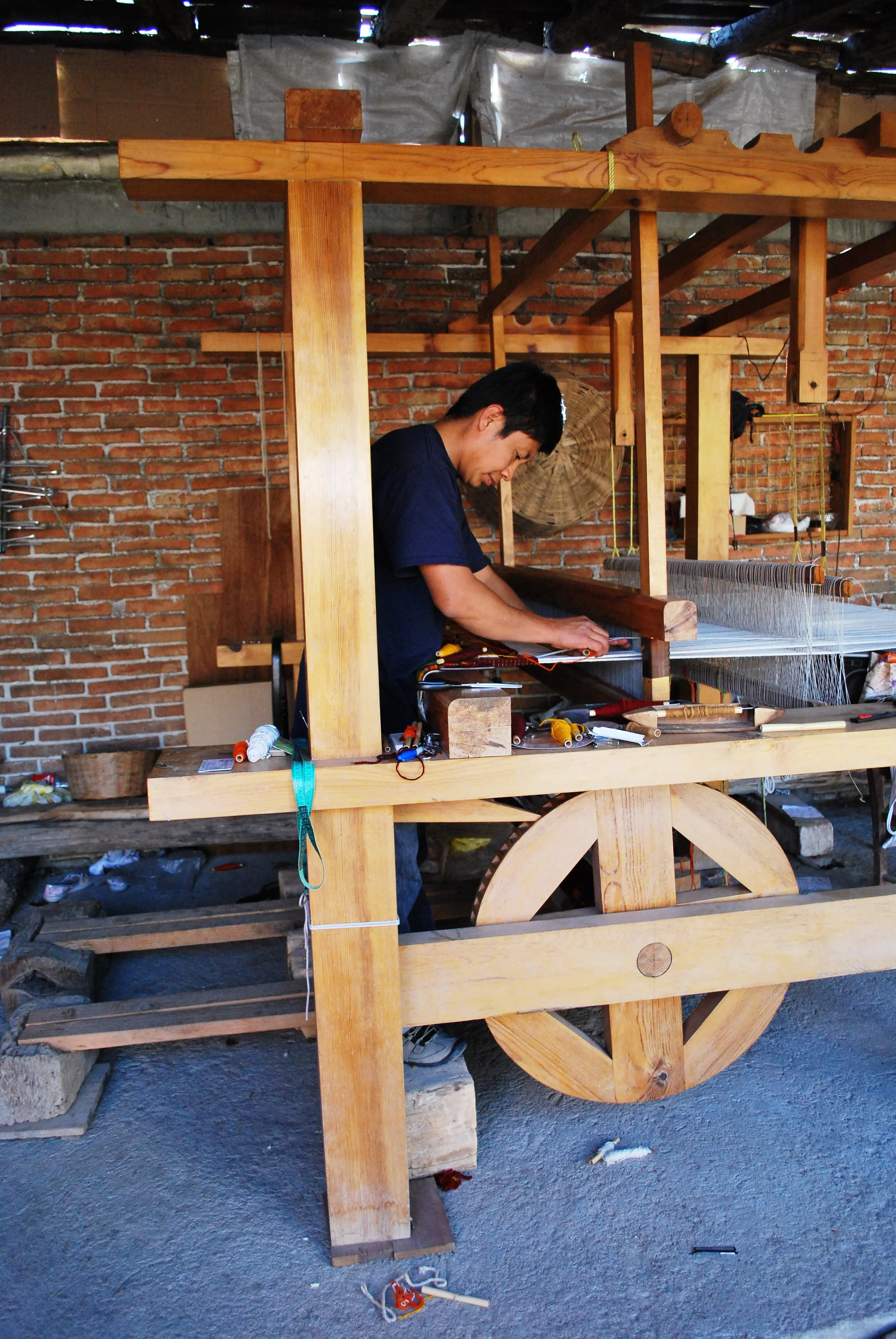
Oaxaca, After the Loom
In Oaxaca, a textile is not a shorthand for tradition. Follow wool, dye, design and payment through the hands that keep weaving contemporary.
7 min read
Issue 004 · 28 September 2026
Twelve journeys into living craft traditions, where material, place and the people who make are never reduced to souvenirs.
Read the cover storyThis issue follows material into the workshop and asks what responsible attention looks like once we arrive. Across textiles, ceramics, metal, paper and wood, the people making are contemporary professionals—not scenery from a vanished world. The best encounter begins with permission, names the labour honestly, pays its price and lets a place remain larger than the object carried home.
In Oaxaca, a textile is not a shorthand for tradition. Follow wool, dye, design and payment through the hands that keep weaving contemporary.
7 min read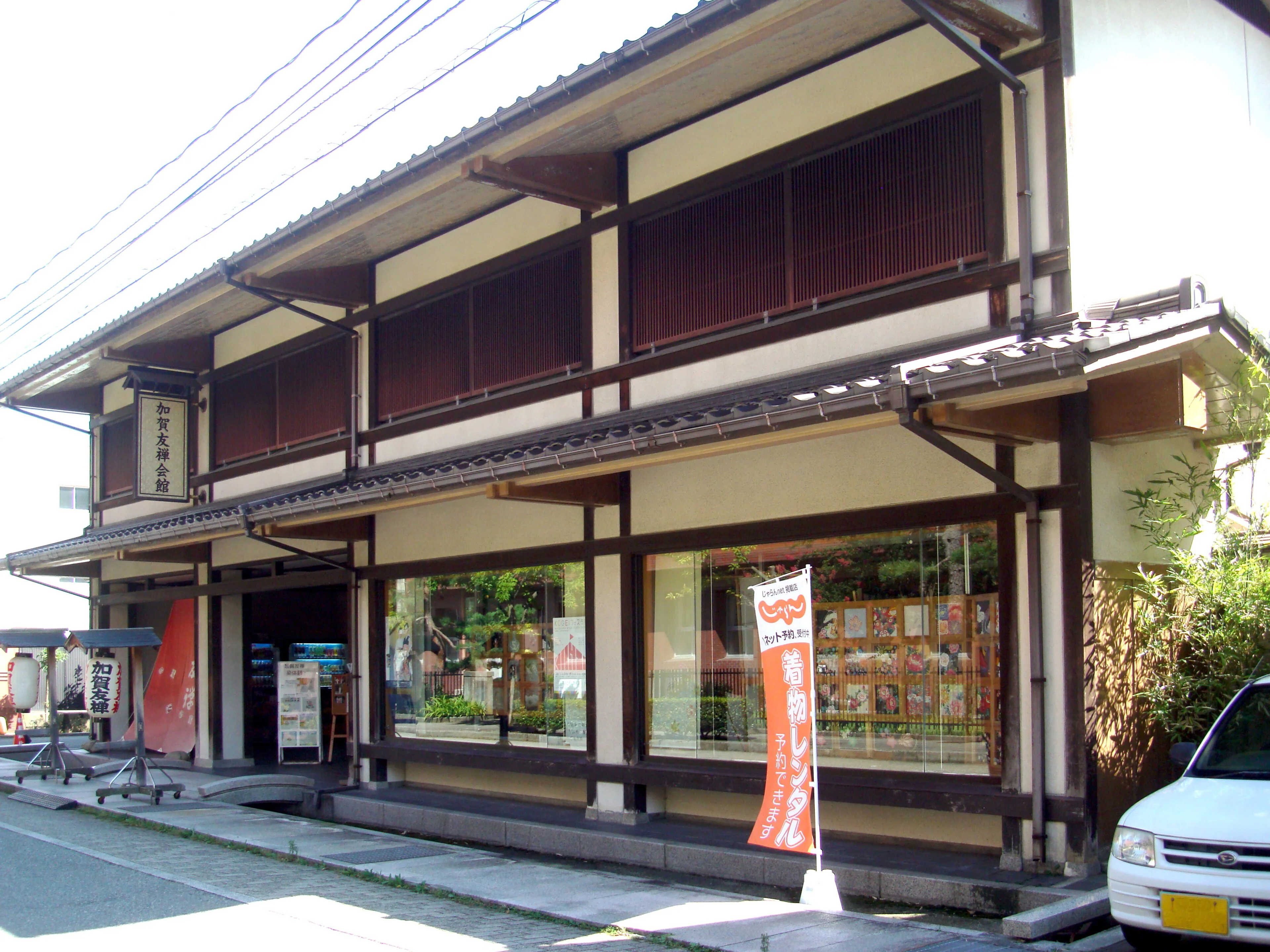
Gold leaf catches the eye, but Kanazawa’s craft ecology is built from quieter continuities: specialist workshops, cultivated patrons and makers free to alter what they inherit.
7 min read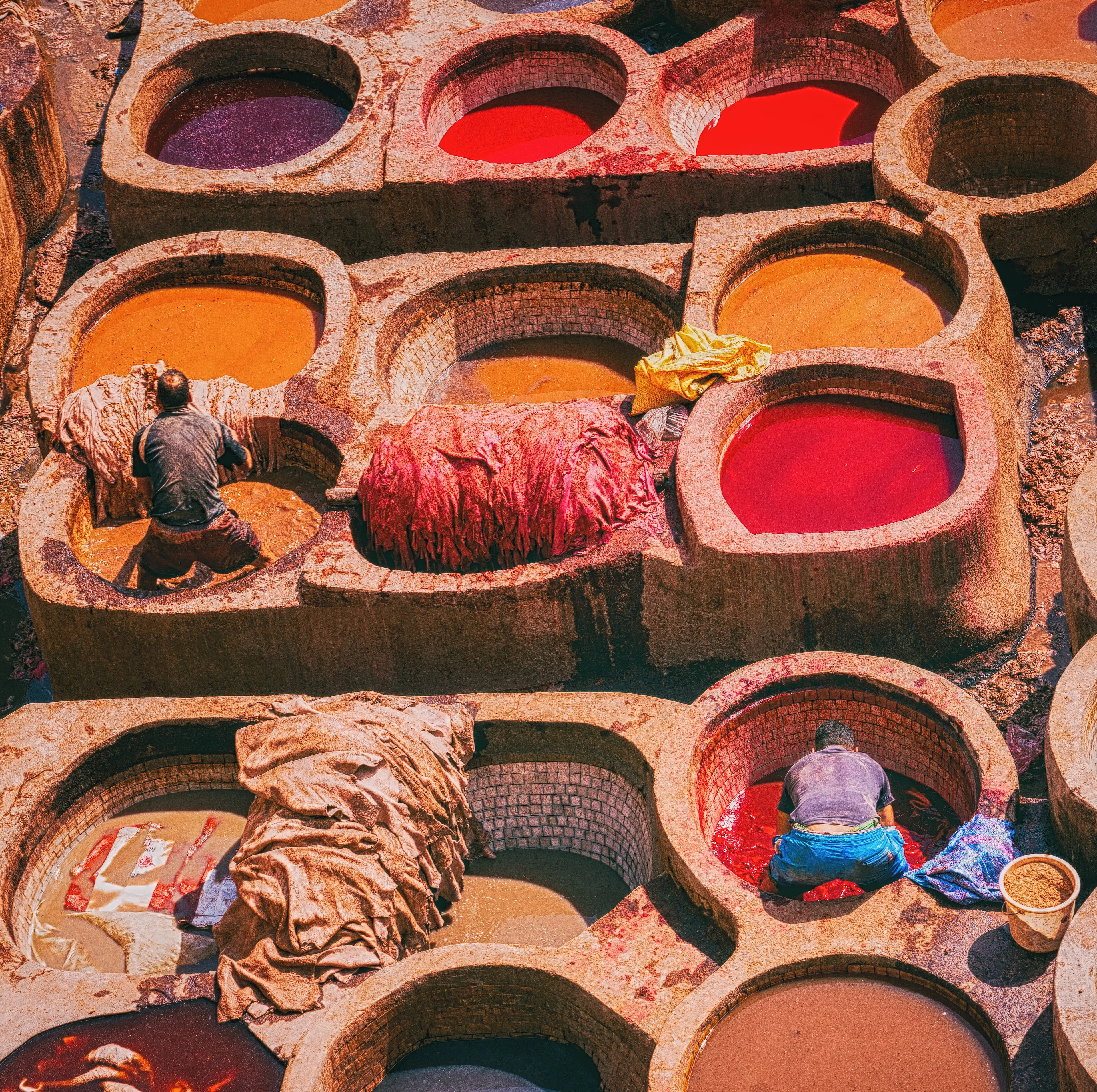
The medina’s colour is inseparable from labour. In Fez, look beyond the rooftop view to leather, cloth and the terms on which skilled work is shown and sold.
7 min read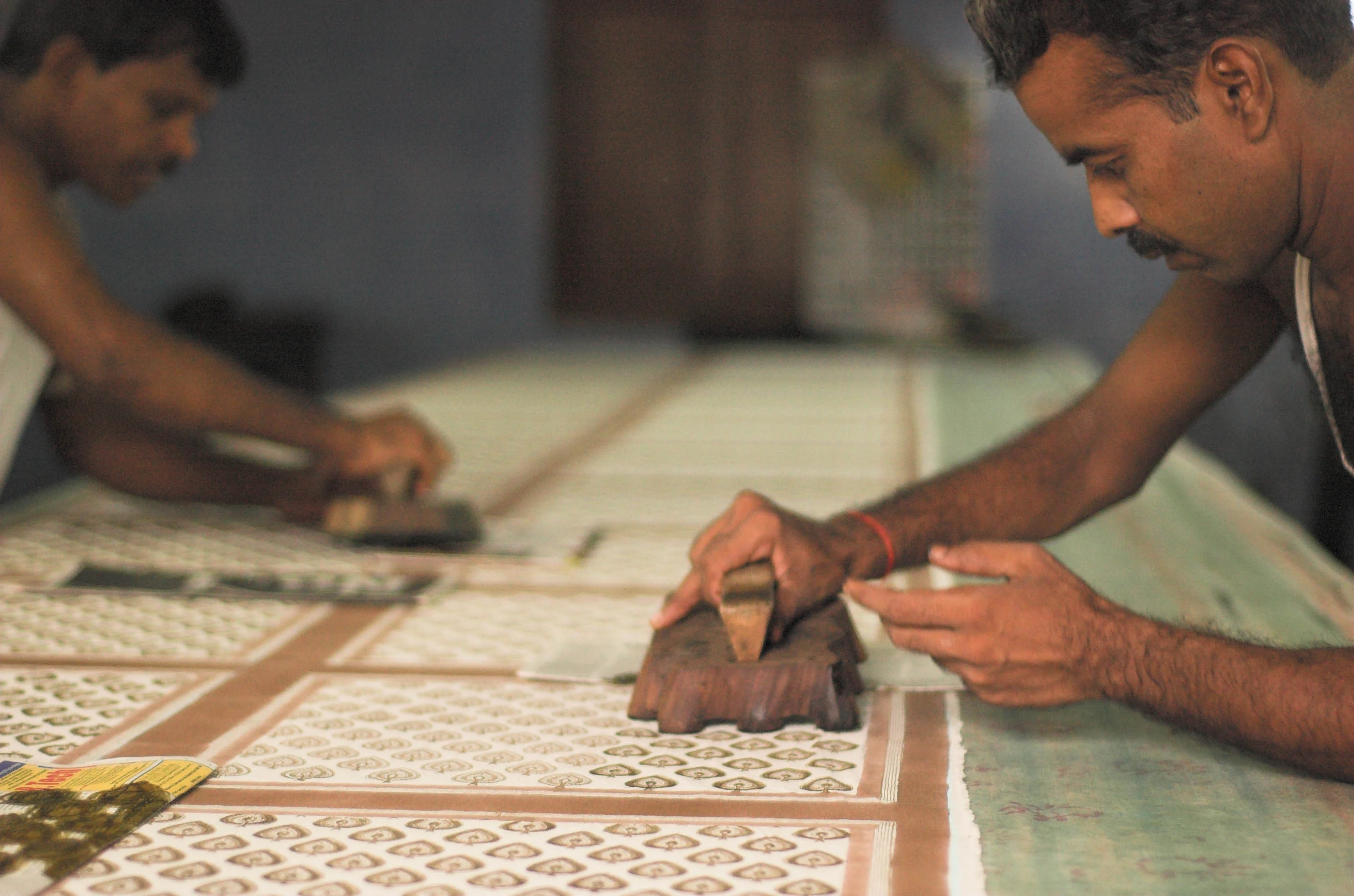
A printed repeat looks effortless only after carving, alignment, colour and washing have agreed. Jaipur offers a route into the patient intelligence behind cloth.
7 min read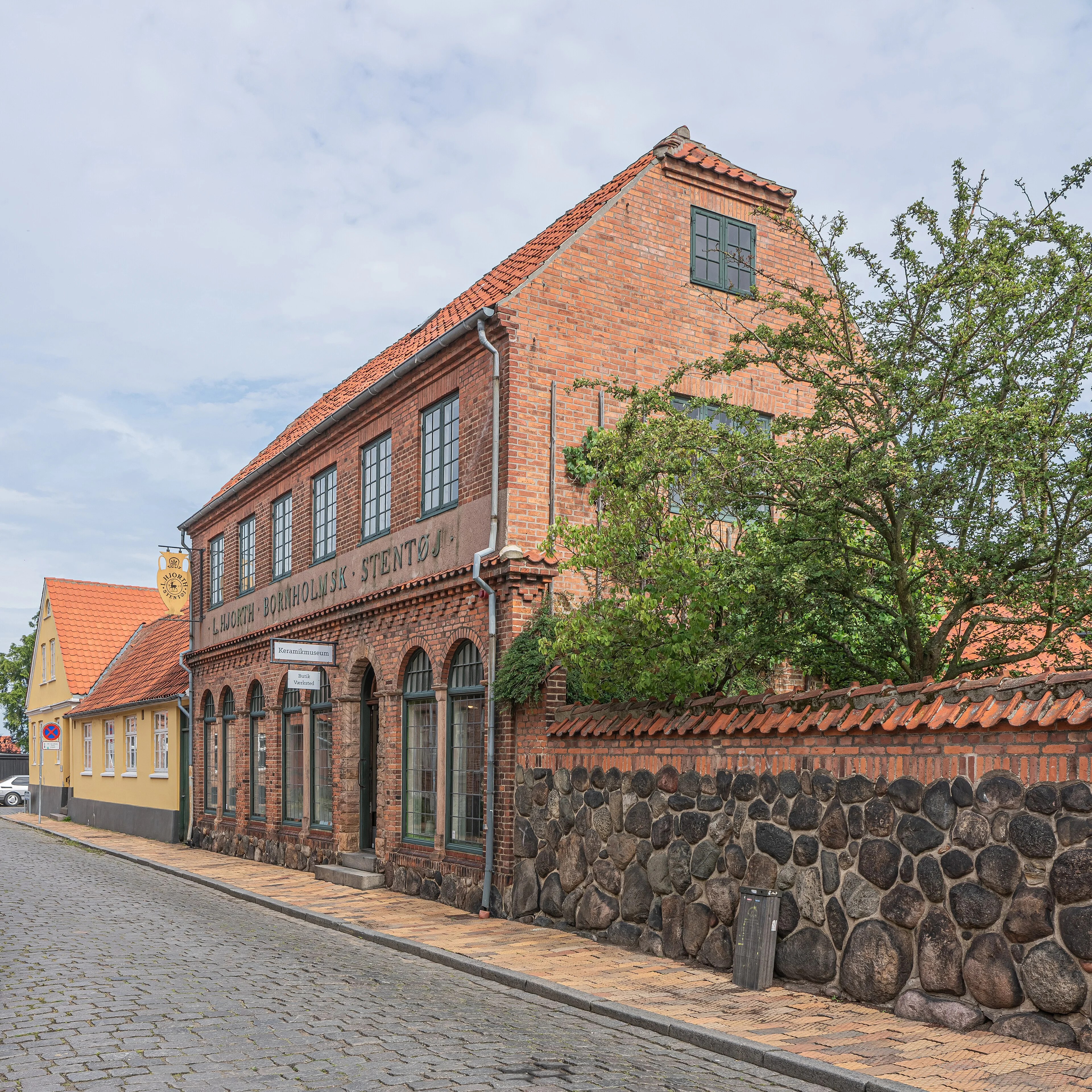
On a Baltic island, ceramics move between geological story, industrial history and contemporary studio practice. The useful route leaves room for kilns, ferries and repair.
7 min read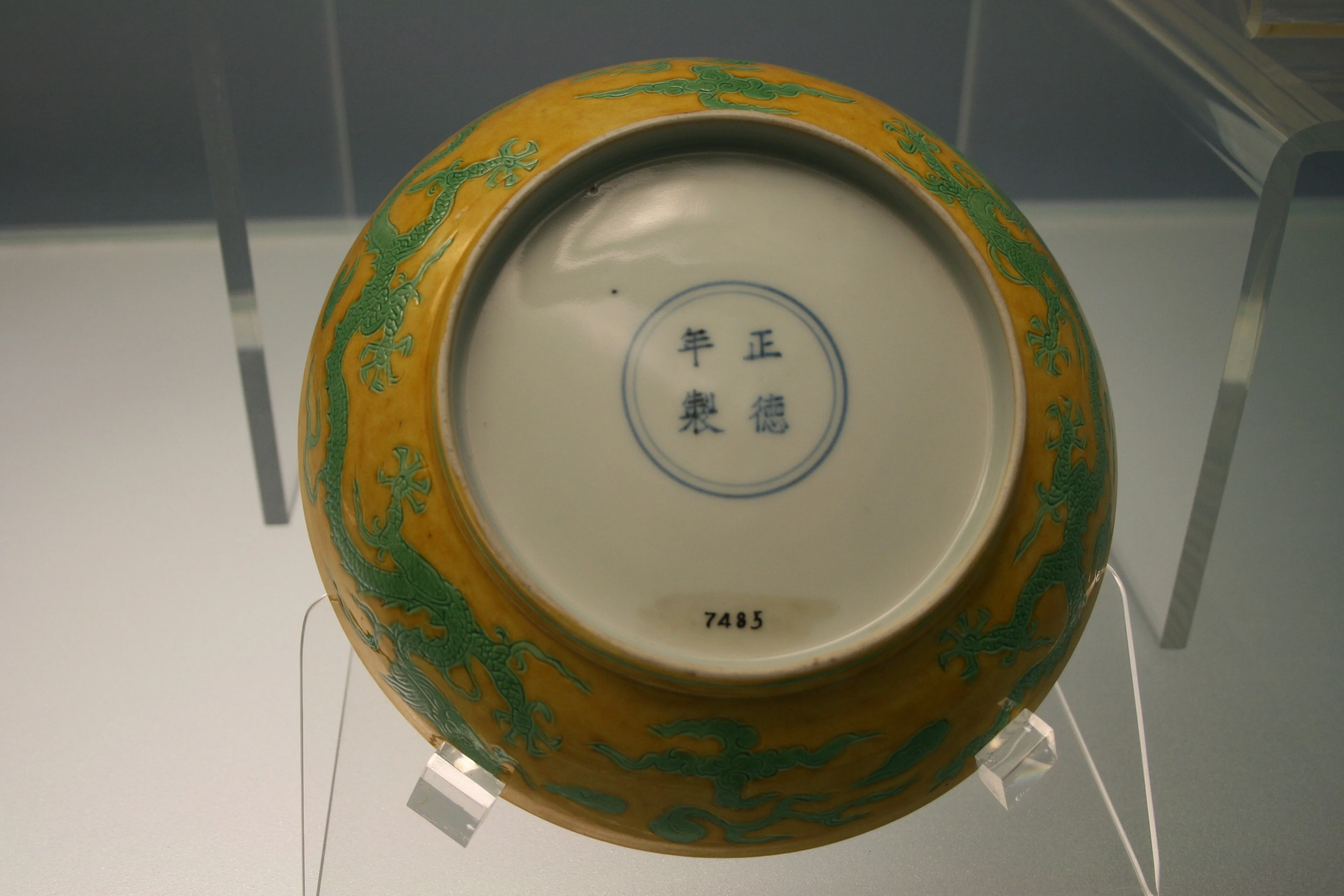
Porcelain made Jingdezhen a global name. The city becomes more legible when a perfect bowl is traced back through kiln, clay, painting and the hands specialised enough to share its making.
7 min read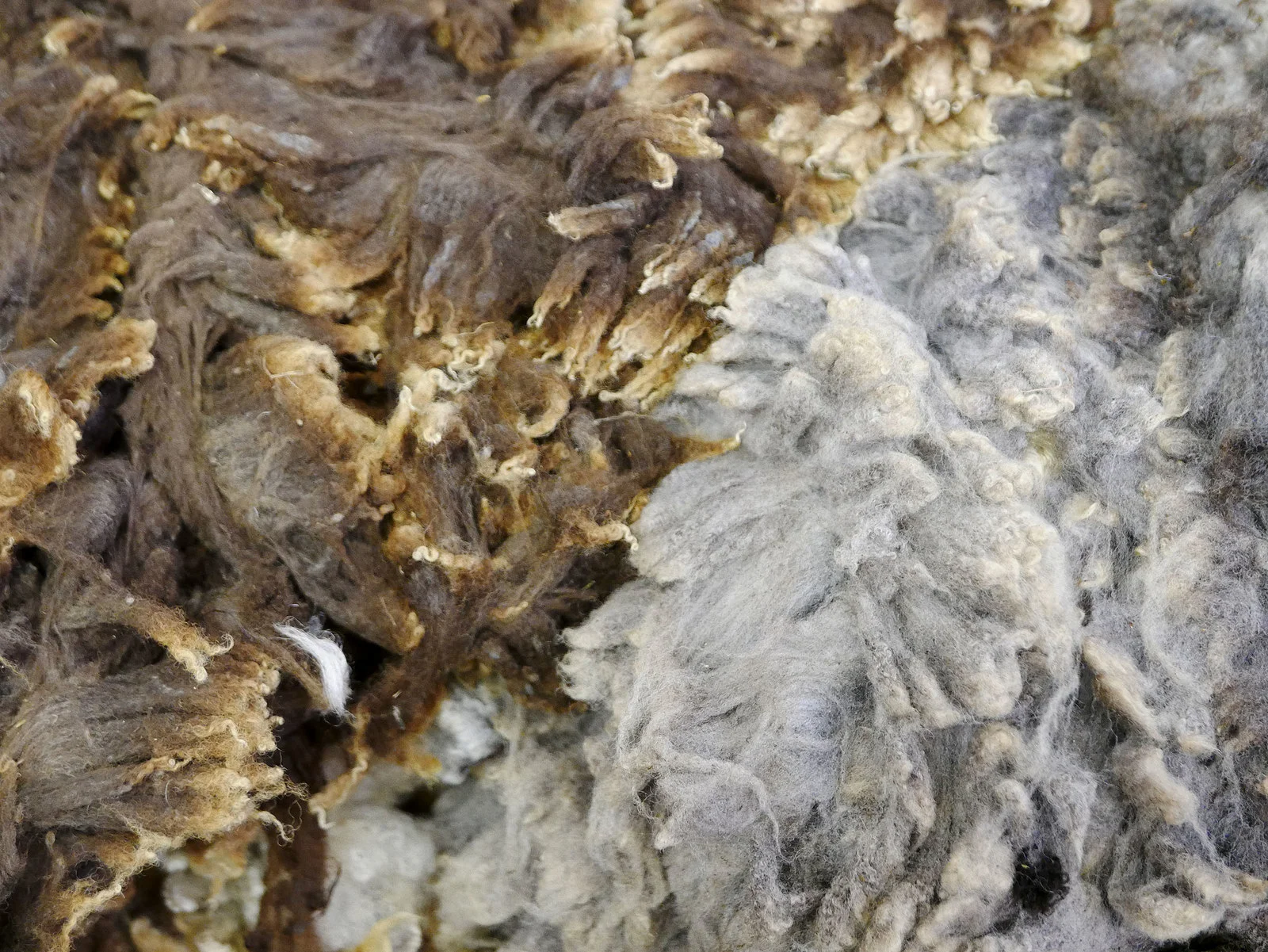
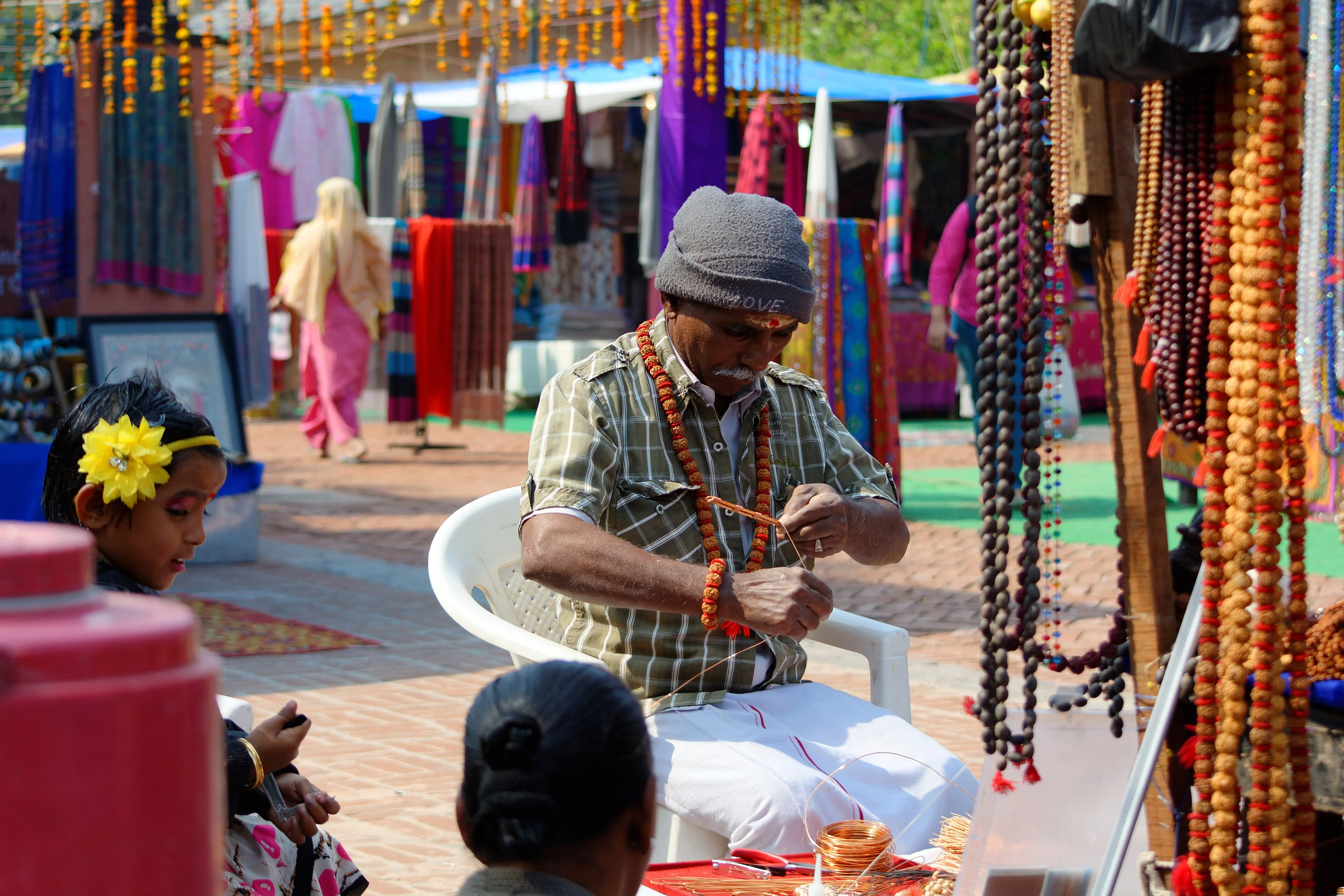
Shetland knitwear begins with more than a pattern. Breed, fleece, washing, spinning, colour, long winter skill and island economics all sit inside the lightest lace.
7 min read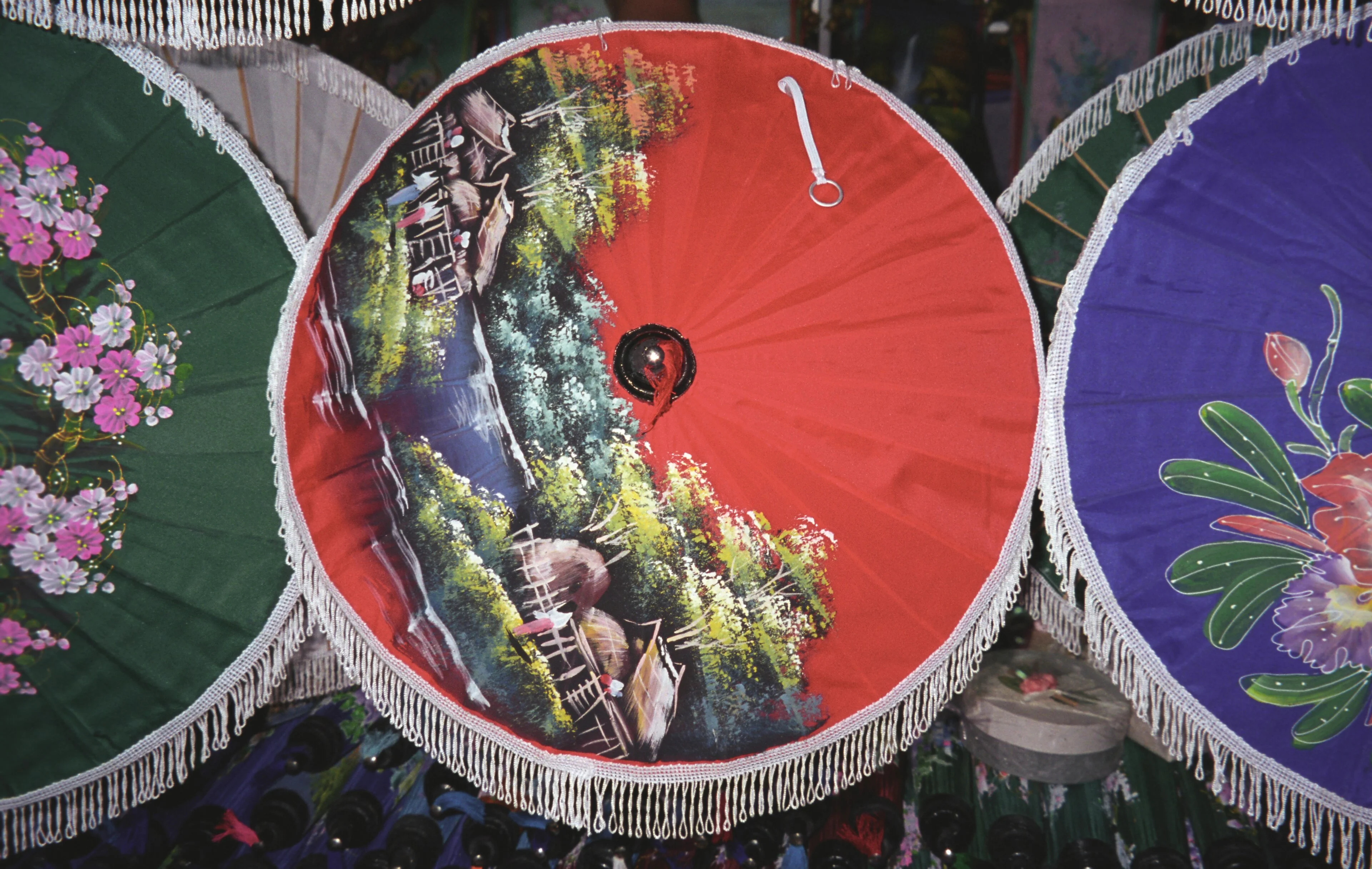
In Chiang Mai, mulberry paper and repoussé silver lead beyond the night market towards neighbourhoods, materials and makers whose work is still changing.
7 min read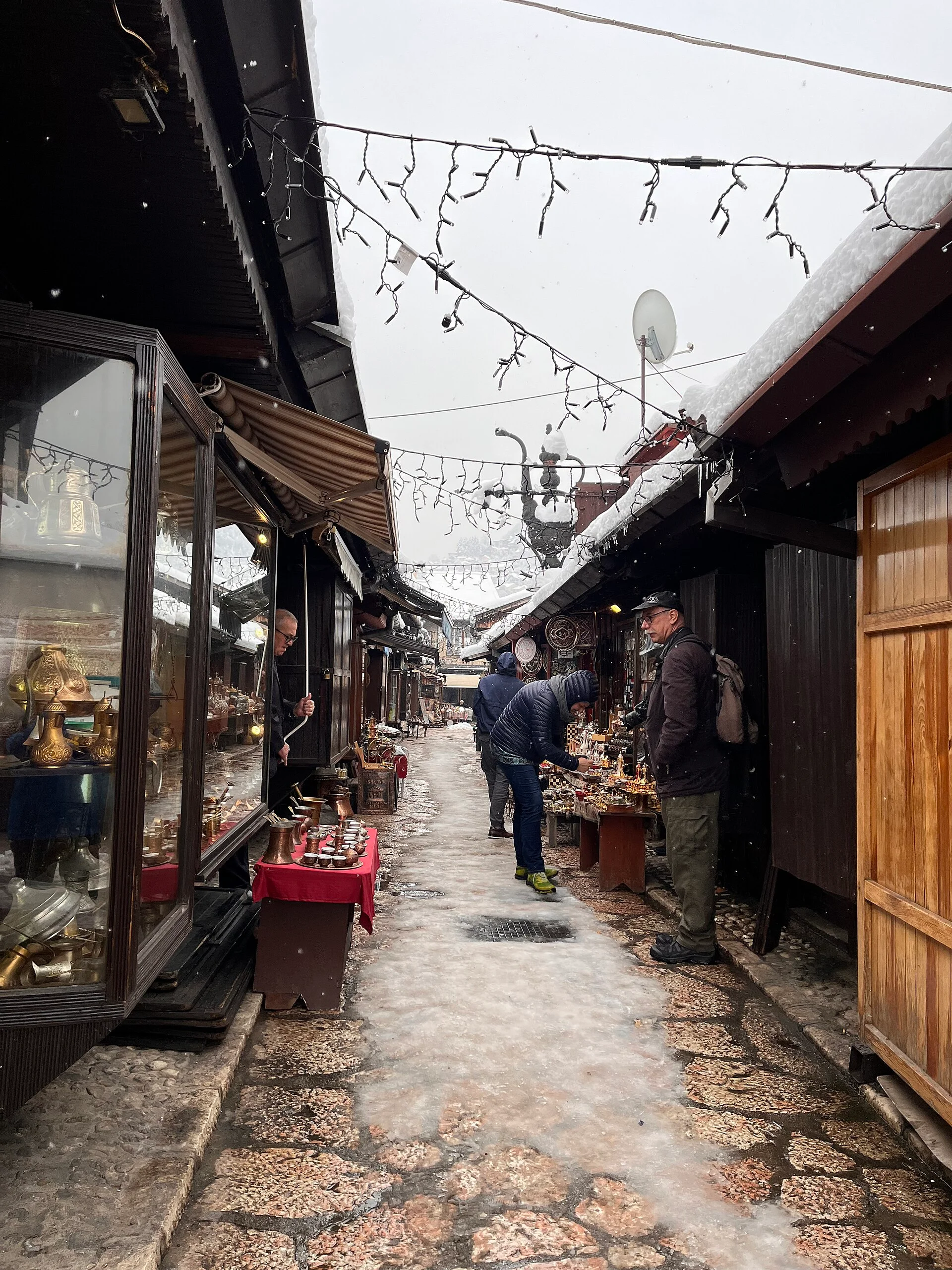
In Kazandžiluk, the ringing of a hammer carries through Sarajevo’s old quarter. Listen long enough to distinguish living work from decorative echo.
7 min read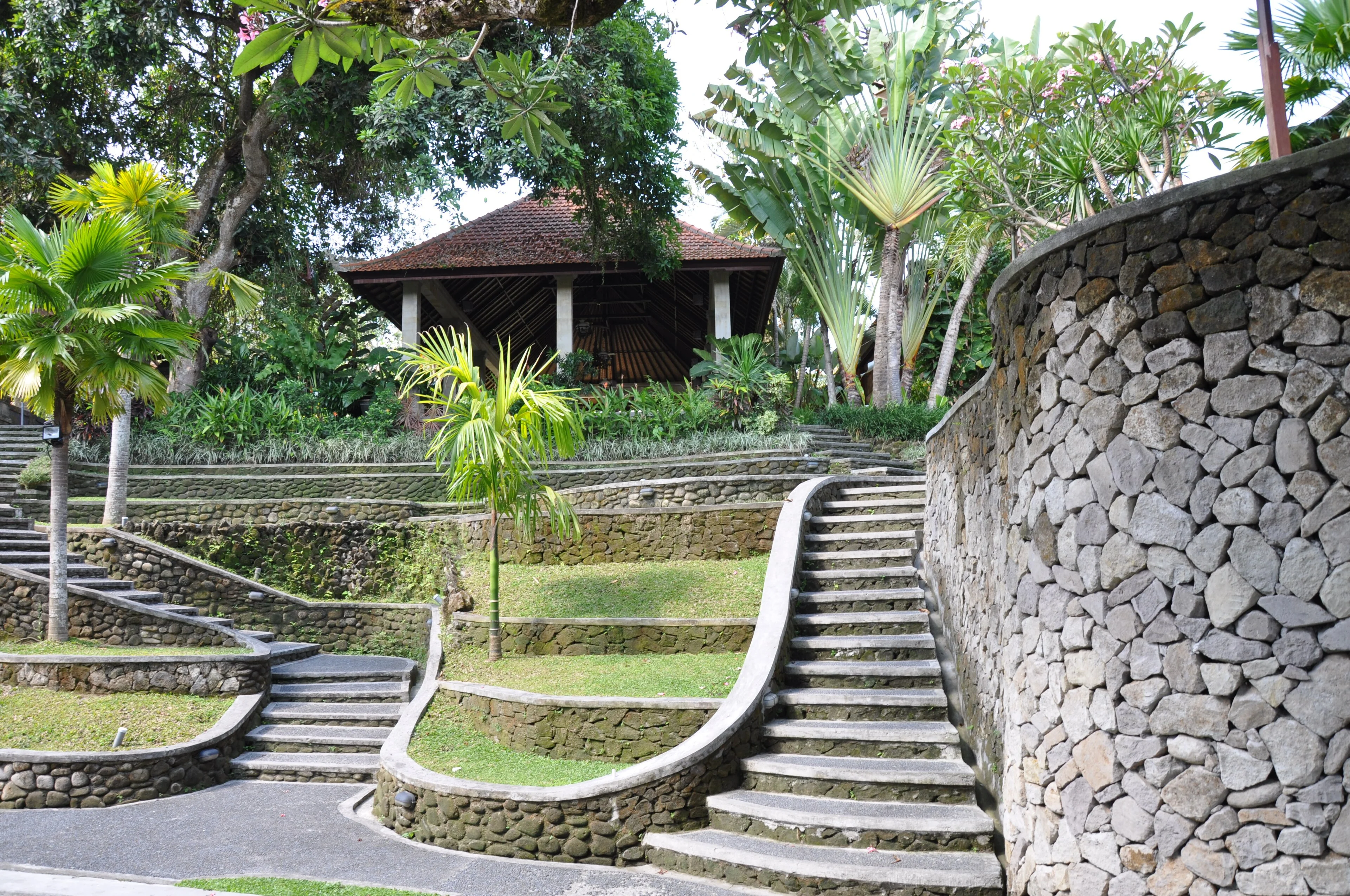
Ubud’s abundance can make every carved figure and painted panel look immediately available. Context begins when the object is returned to artist, material and purpose.
7 min read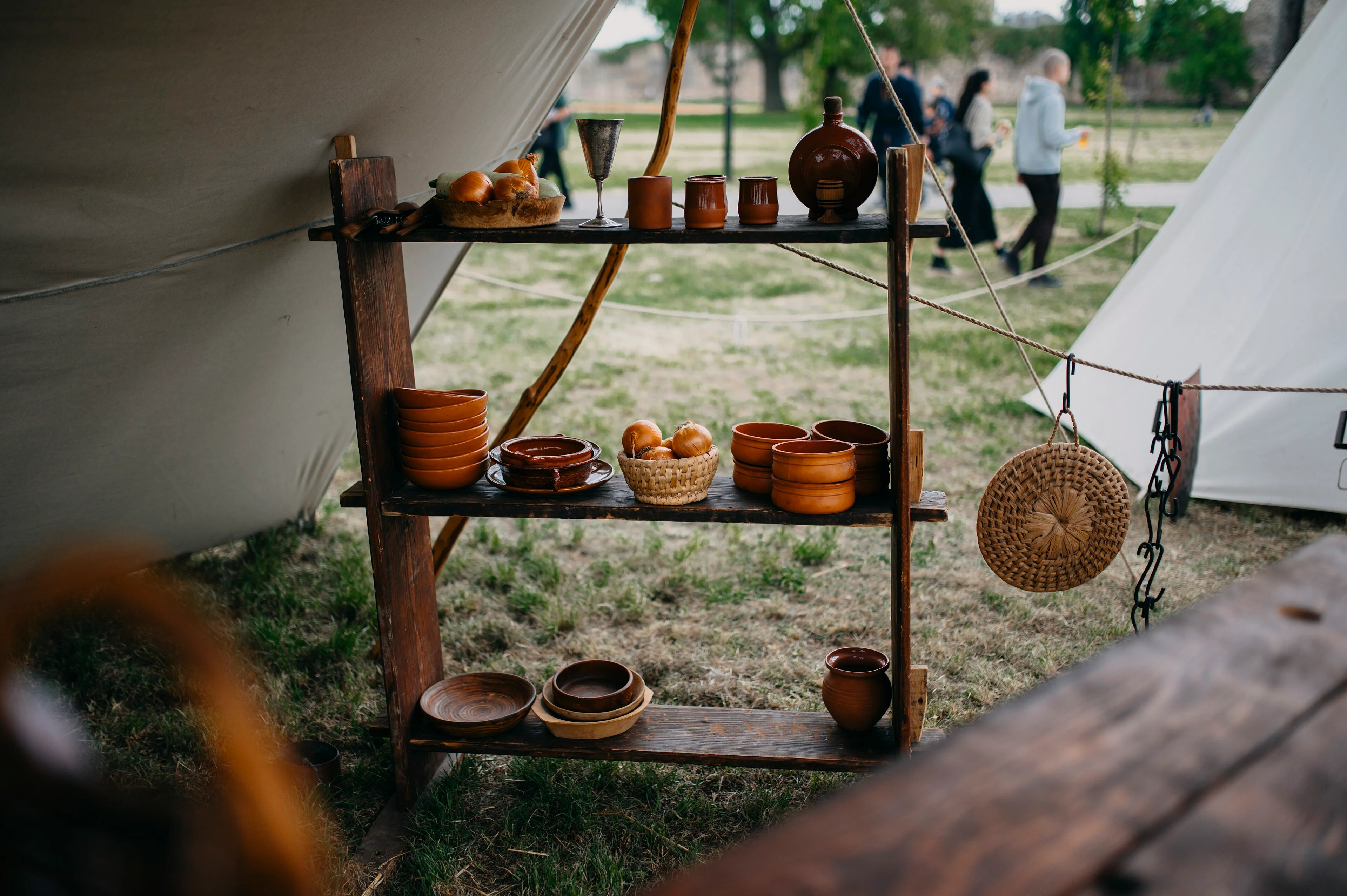
The best object is not the one with the grandest story. It is the one whose maker, material, purpose, price and journey can be understood without invention.
7 min readDownload the complete A4 edition with a cover, contents, page numbers, and photography credits.
Download the PDF edition