
# Shetland, Wool and Weather
The shawl is famous for passing through a wedding ring, but delicacy is only the first fact. The yarn came from fleece with particular qualities; someone sorted, prepared and spun it; a knitter held an intricate structure in mind and hands; washing and dressing opened the lace. The ring trick compresses all of that work into spectacle.
Shetland's textile traditions include fine lace, Fair Isle colourwork, practical garments and contemporary design. The name Shetland can refer to place, breed, wool and styles marketed far beyond the islands, so provenance requires questions. Not every Fair Isle pattern was knitted on Fair Isle, and not every Shetland-style sweater supports an island maker.
Begin in Lerwick at Shetland Museum and Archives, where objects, oral histories and documentation place textiles within crofting, fishing, trade and domestic life. Check current exhibition and opening information. A museum label can supply what a shop tag cannot: date, maker where known, fibre, use and the economic conditions under which knitting entered the market.
Fleece before pattern
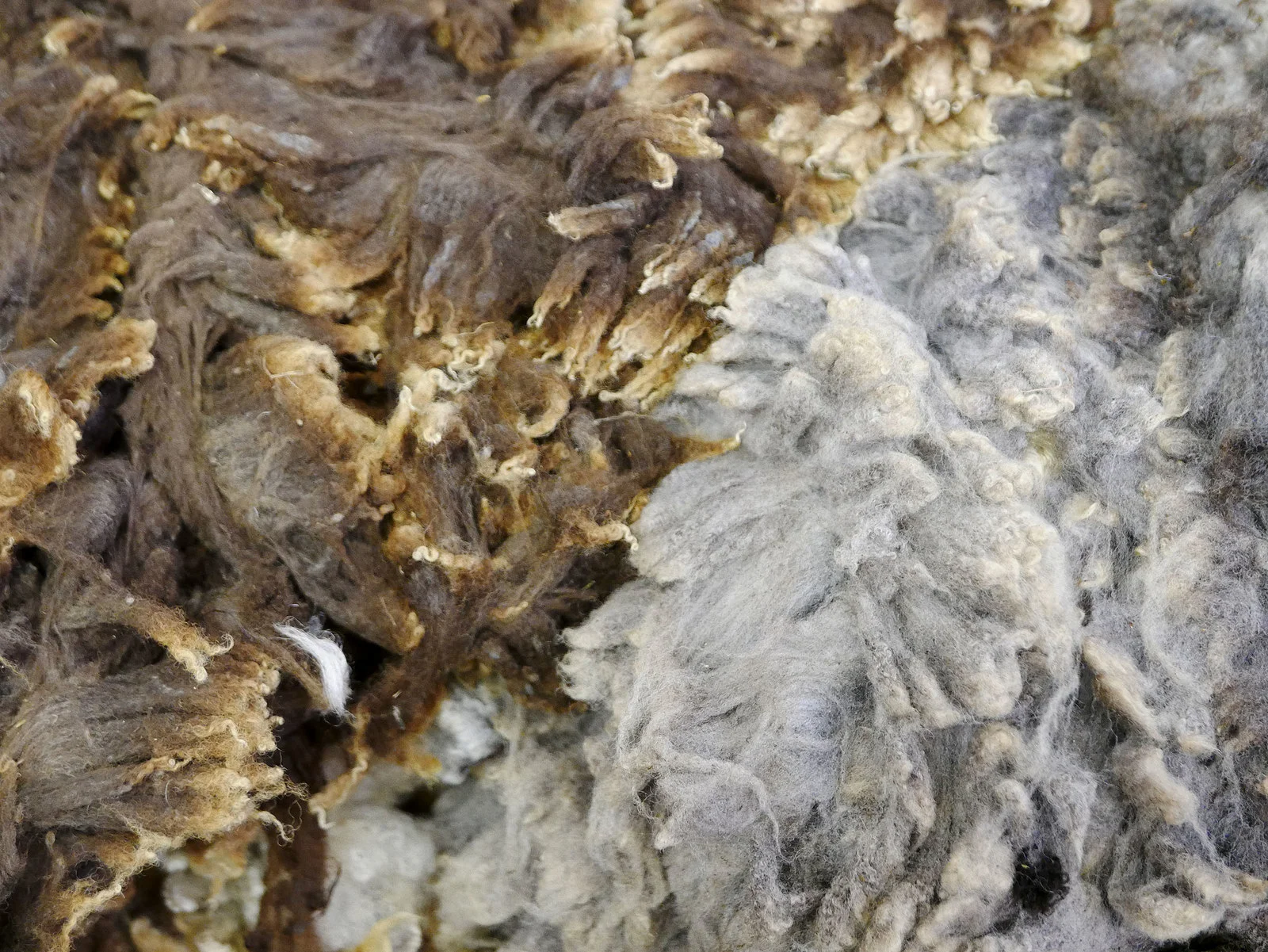
Shetland sheep are a native breed adapted to island conditions and known for varied natural colours and fine wool. Breed identity does not mean every island textile is made only from local fleece. Makers choose yarn for handle, strength, colour, price and availability. Ask where fibre was grown, spun and dyed, and accept a precise mixed answer over a total-local claim.
At a wool broker, mill or farm visit, follow biosecurity and access instructions. Crofts are working land, not open paths. Keep dogs controlled, close gates as directed and never enter fields because sheep make a compelling foreground. Lambing and severe weather impose particular restrictions.
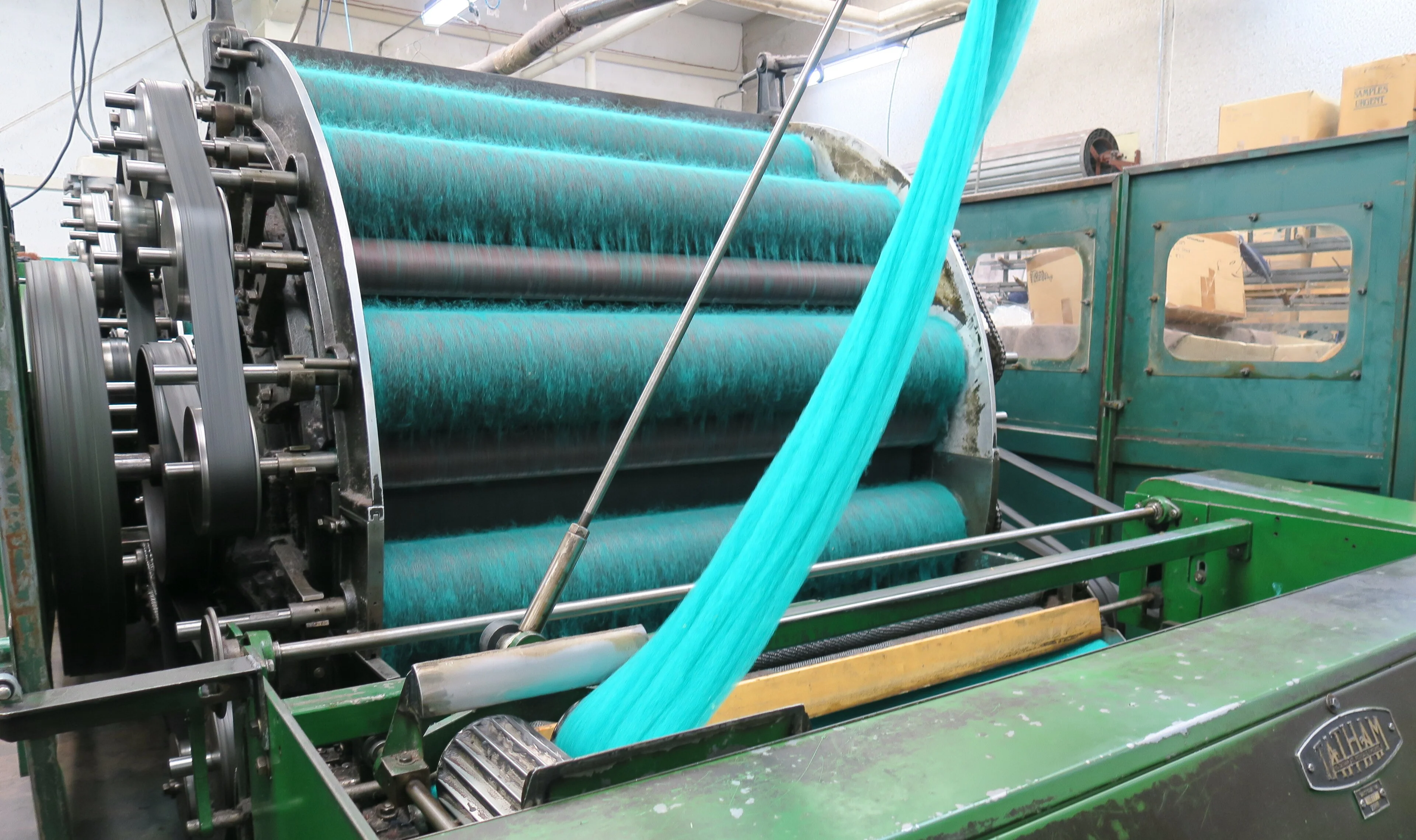
Fleece preparation is part of the craft story: grading, washing, carding or combing and spinning affect the yarn before a stitch is made. Natural colour can reduce dyeing, but it is not impact-free. Washing uses water and energy; transport and processing locations matter. Specific supply information is more useful than the vague word sustainable.
Read the knitting
Fair Isle colourwork typically creates pattern through alternating colours while managing strands across the reverse. Shetland lace builds openness through increases, decreases and carefully dressed structure. Those descriptions are beginnings, not instructions. Skills vary among makers, and patterns may be inherited, published, invented or adapted.
Ask before photographing a chart, work in progress or teaching demonstration. A pattern is intellectual labour even when it draws on shared visual vocabulary. If taking a class, pay the stated fee, arrive with the requested skill level and do not expect private troubleshooting after the session without arrangement.
Turn a garment inside out with permission. Finishing, joins and carried yarn can reveal care, but a neat reverse does not certify geography. Look for maker attribution, fibre content, sizing and care. Handknitting has a price because it contains hours. Machine knitting is not counterfeit when described honestly; it can sustain island design and production at a different scale.
Weather is part of the timetable
Shetland's wind, rain and rapidly changing visibility shape ferries, flights and road travel. Use official forecasts and transport updates, and protect the final connection with margin. An island-hopping plan should not depend on every sailing operating exactly as hoped.
Weather also determines outdoor access. Cliffs, wet grass and exposed paths require suitable clothing and conservative decisions. Do not approach edges for a textile portrait. Stone structures, nesting areas and archaeological sites have local guidance. Leave the landscape as found and use signed parking rather than blocking a passing place.
Build each day around an indoor anchor and an optional outdoor route. A museum or booked studio can pair with a short harbour walk; a mill visit can pair with a viewpoint only if conditions permit. The object of the trip is not to defeat the weather but to let it reveal why warm, light and repairable clothing matters here.
Buying without the ring test
Ask whether an item was handknitted, machine knitted or assembled from locally designed fabric. Ask who made it and where. A retailer representing several makers should be able to preserve their names. If an object uses the term Fair Isle, find out whether this describes technique, design or geographic production.
Sizing needs patience. Knitwear relaxes, layers change fit and handmade stock cannot be replenished instantly. Do not pressure a maker to alter a finished piece on the spot. For commissions, agree measurements, yarn, pattern, price, deposit and delivery time in writing.
Care is part of value. Wool often needs airing more than washing. Obtain specific instructions, use appropriate detergent, support wet garments when drying and protect clean knitwear from moths. Repair small damage early. A visible darn can be practical without turning every repair into a philosophy.
Events such as Shetland Wool Week bring classes, talks, markets and visitors, but dates, tickets and capacity require planning. A festival is not the only authentic time to visit; it is a concentrated programme with pressure on accommodation and transport. Book through official channels and never assume a sold-out class will admit an observer.
Outside an event, private tuition may offer more time. Confirm materials, prerequisites, cancellation terms and whether a pattern is included for personal use. Do not redistribute course notes or record instruction without permission. If language, hearing, mobility or hand strength affects participation, ask what adaptations are possible before paying rather than expecting an improvised solution on arrival.
The islands' famous motifs are vulnerable to careless commercial copying. Purchase patterns from their designers and credit them when sharing a finished piece. A technique can be widely practised while a particular chart remains somebody's work. The same principle applies to a maker's colour combination, photography and teaching method.
Posting purchases online can direct welcome business or create unmanageable demand. Ask which link the maker prefers and whether commissions are open. Do not publish a home address, private workshop location or casual promise that the maker ships worldwide. Useful credit is accurate, current and bounded by consent.
A garment returns to weather
The most convincing Shetland knitwear is not fragile heritage. It is clothing capable of entering ordinary life. A hat takes rain at a bus stop; a jumper is repaired at the cuff; a shawl moves between ceremony and warmth. Use gives the work a future beyond the display shelf.
The islands' textile economy depends on makers being paid for design, material, skill and time. Travel can support that economy when it preserves names and accepts real prices. Let the weather slow the route. Let the reverse of the knitting complicate the front. The lightness of the finished piece should never make its labour disappear. Let weather remain part of the garment’s honest story.