
# The Useful Object: A Field Note for Buying Well
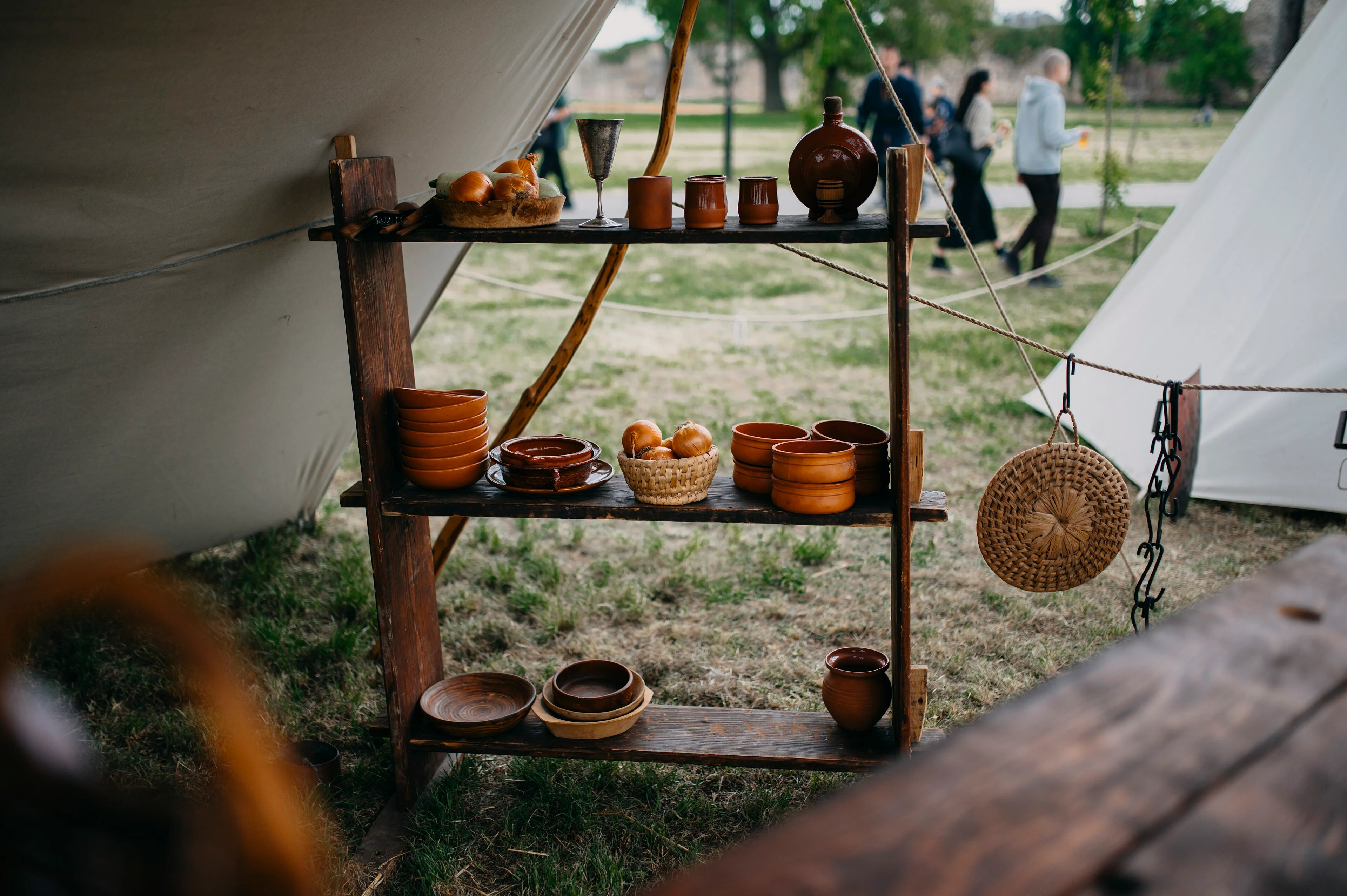
A market table can collapse distance. Bowls, cloth, baskets, knives, jewellery and carved figures sit close enough to compare, while the farms, mines, workshops and hours inside them remain out of sight. The buyer fills that gap with atmosphere: handmade, local, ancient, natural. Buying well begins by replacing those large words with small verifiable facts.
This is not a test of purity. An object can be made collaboratively, use imported material, pass through a retailer and still carry excellent work. Another can be made by hand under poor conditions or sold with a false cultural story. The aim is to understand enough to make a proportionate choice and to preserve the maker’s identity after money changes hands.
Use this field note slowly. No shop owes a full supply-chain audit during casual browsing, and no traveller becomes an expert through a checklist. Questions are tools for conversation and for recognising when uncertainty should end a purchase.
1. Name the object plainly
Begin with what it is, not what it symbolises. What material? Which technique? Decorative or functional? New, vintage or antique? Who made it, and where? If the seller cannot answer, decide whether the object is still worth buying under the honest label “maker unknown.” Do not upgrade uncertainty into folklore.
Ask what handmade means in this workshop. Which stages are done by hand, which use machinery and which happen elsewhere? Tools and collaboration do not diminish value; vague claims do. Record the workshop, artist, cooperative or brand name exactly as offered.
If a motif is said to hold a meaning, ask whose interpretation it is and whether that meaning may be shared publicly. Designs can belong to families, communities or ceremonial contexts. Visibility is not permission to reproduce.
2. Follow the material backwards
Material names should become more specific as value or risk rises. Wood needs a species and source; metal needs an alloy or purity claim; textile needs fibre content; jewellery needs stone and treatment; ceramics need body, glaze and intended use. “Natural” and “eco” require an explanation.
Check wildlife and plant rules before buying shells, coral, feathers, skins, horn, bone, rare timber, seeds or unprocessed plant material. CITES regulates international trade in listed species, while national rules can be stricter. A seller’s assurance that an item is common or old is not a permit.
Cultural property requires equal caution. Archaeological fragments, religious objects and alleged antiquities need lawful provenance and export documentation. UNESCO’s 1970 Convention frames international cooperation, but domestic law determines what may leave. A contemporary reproduction clearly identified as such is often the better object.
3. Read the work
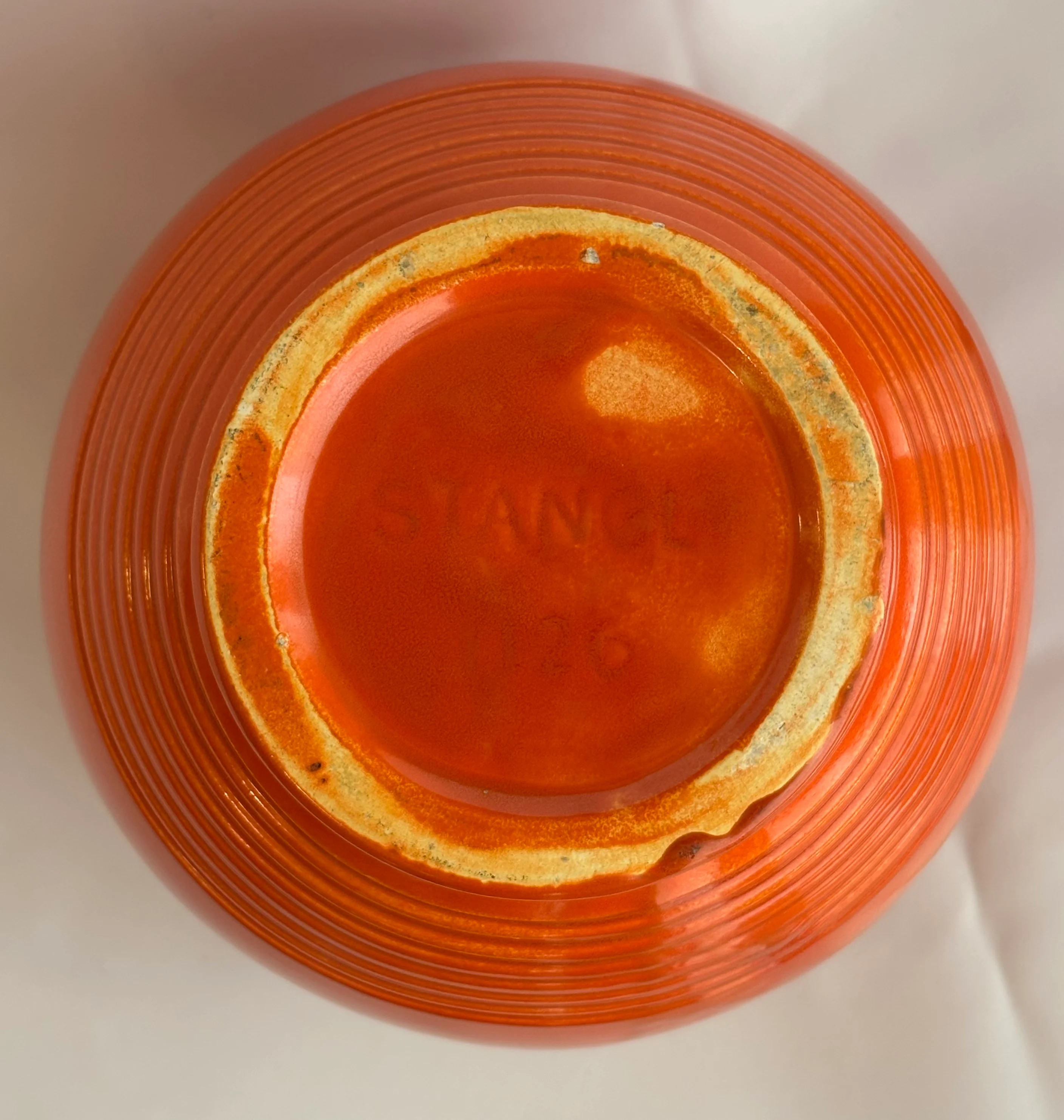
Look beyond the front. Inspect the base, reverse, edges, seams, joins, lining, hardware and finish with permission. Ask why a variation appears instead of treating irregularity as proof of handwork. A maker can explain whether it reflects material, process, repair or error.
For useful objects, request useful information. Can the bowl hold food? Can the cloth be washed? Will the dye bleed? Is the knife intended for cooking? Can the basket carry weight? Is the jewellery suitable for skin contact? A beautiful object poorly matched to its task will become waste or display by accident.
Care instructions are part of design. Obtain them in writing where possible. Ask about light, moisture, heat, detergents, sharpening, polishing, storage and repair. If the seller recommends only replacement, reconsider whether the object is built for the life being promised.
4. Understand the price
Price can include design, materials, preparation, failed work, tools, rent, teaching, retail, taxes and commission. Direct purchase does not automatically mean fair purchase; a good retailer may provide steady orders, quality control and payment infrastructure. Ask how the maker is credited and, where appropriate, how a cooperative sets prices.
Follow local bargaining practice without making the lowest possible price the objective. A small reduction can be ordinary; a prolonged contest over skilled work can be demeaning. If the budget does not fit, buy a smaller piece, pay for a class or leave with respect.
For commissions, put dimensions, material, finish, acceptable variation, price, deposit, deadline, shipping and failure terms in writing. Handmade work involves uncertainty, but uncertainty should be allocated openly rather than left with the maker.
5. Preserve provenance
Keep the receipt, maker or workshop name, place, date, material, technique and care information together. Photograph labels with permission. For higher-value work, request condition, edition, certificate and shipping records. Documentation does not need to be grand; it needs to remain attached.
When sharing online, use the maker’s preferred name and link. Do not reveal a private home workshop, misidentify a community or claim personal discovery. If a guide translated or arranged the visit, credit that role too.
Traditional cultural expressions do not always fit ordinary individual copyright. WIPO’s work in the field highlights questions of collective custodianship, attribution and authorised use. Buying an object is not buying a pattern library. Seek permission before commercial reproduction.
6. Plan the border before the box
Check both departure and arrival rules. Customs allowances, duties, VAT, quarantine, cultural property and species controls can all apply. The United Kingdom, for example, publishes rules for goods brought in for personal use; other destinations have their own thresholds and declarations.
Never ask for a false value, vague material name or “gift” declaration. Misdescription transfers legal and financial risk to the maker or shipper. Agree who pays duties, what insurance covers and what happens if customs delays or inspects the parcel.
Packing is part of the purchase. Ceramics need room against impact; paintings need dry archival protection; textiles need clean breathable wrapping; wood needs stable moisture conditions. Airline cabin limits and oversized baggage fees may make professional shipping safer.
7. Give the object a job
Before paying, name where the object will go and what it will do. A cup used each morning, a shawl worn for years or a basket repaired at the handle can justify the material and journey. An object bought only to prove that a place was visited may lose meaning as soon as it reaches home.
Use does not mean ignoring ceremonial or display purposes. Ask what the maker intends. Some objects should not be placed on the floor, worn casually or used with food. Respect follows the specific object, not a universal rule invented after purchase.
If no real use appears, let admiration remain non-owning. Pay museum admission, join a workshop, commission later through a verified channel or simply remember. Travel does not require extraction.
8. Repair the relationship
Ask about repair before damage. Can the workshop replace a handle, reline copper, darn a textile, reglaze nothing but advise safe use, or recommend a specialist? Keep spare thread, finish names or sharpening angles where offered.
When damage occurs, document it and contact the maker before applying glue, bleach, polish or heat. Some interventions are irreversible; some make foodware unsafe. A visible repair can be beautiful, but it should follow material knowledge rather than a borrowed aesthetic.
If the maker is unreachable, find a conservator or repairer suited to the object’s value and use. Keep the repair record with the original provenance. An object’s story is allowed to continue after the market.
The receipt as a small archive
At home, the most useful souvenir may be the folded receipt. It restores a name when memory has reduced the encounter to colour. Beside it sit the care note, a photograph of the label and the story narrow enough to be true.
Buying well does not make consumption virtuous. It makes responsibility visible. The object should arrive with lawful material, fairer terms, a real purpose and enough information to be cared for. Everything else can remain with the place that made it meaningful.