
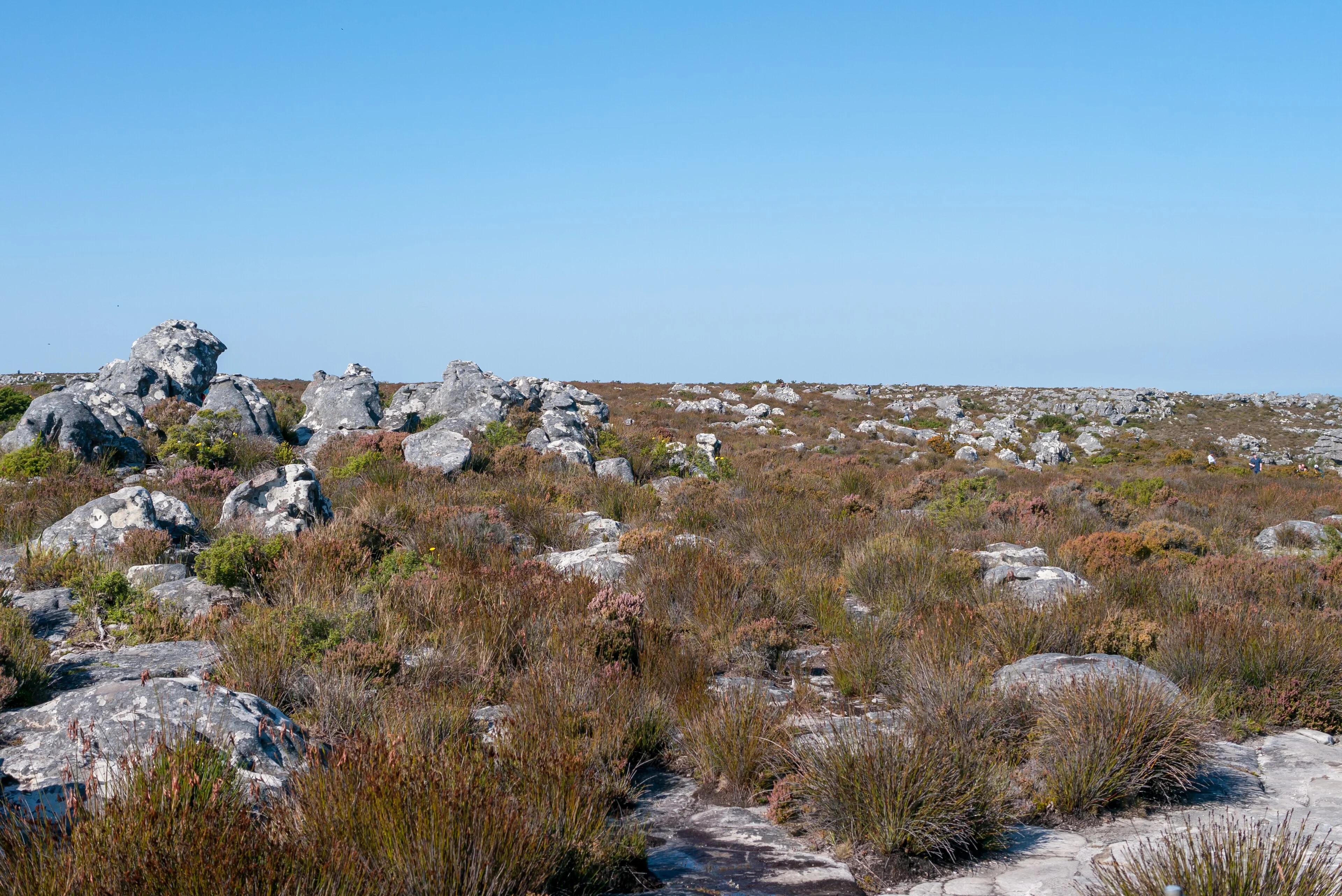
A season arriving from the ground
Cape Town's spring is easy to narrate as flowers against mountain and sea, but the season is more complex than a colour card. Rain, wind and clear light can pass through the same day. Fynbos species answer different soils, fire histories and microclimates. The traveller who arrives expecting a guaranteed bloom or an always-open cableway has mistaken a living system for a booking category. Begin instead with current conditions and let the day's safe possibilities determine the route.
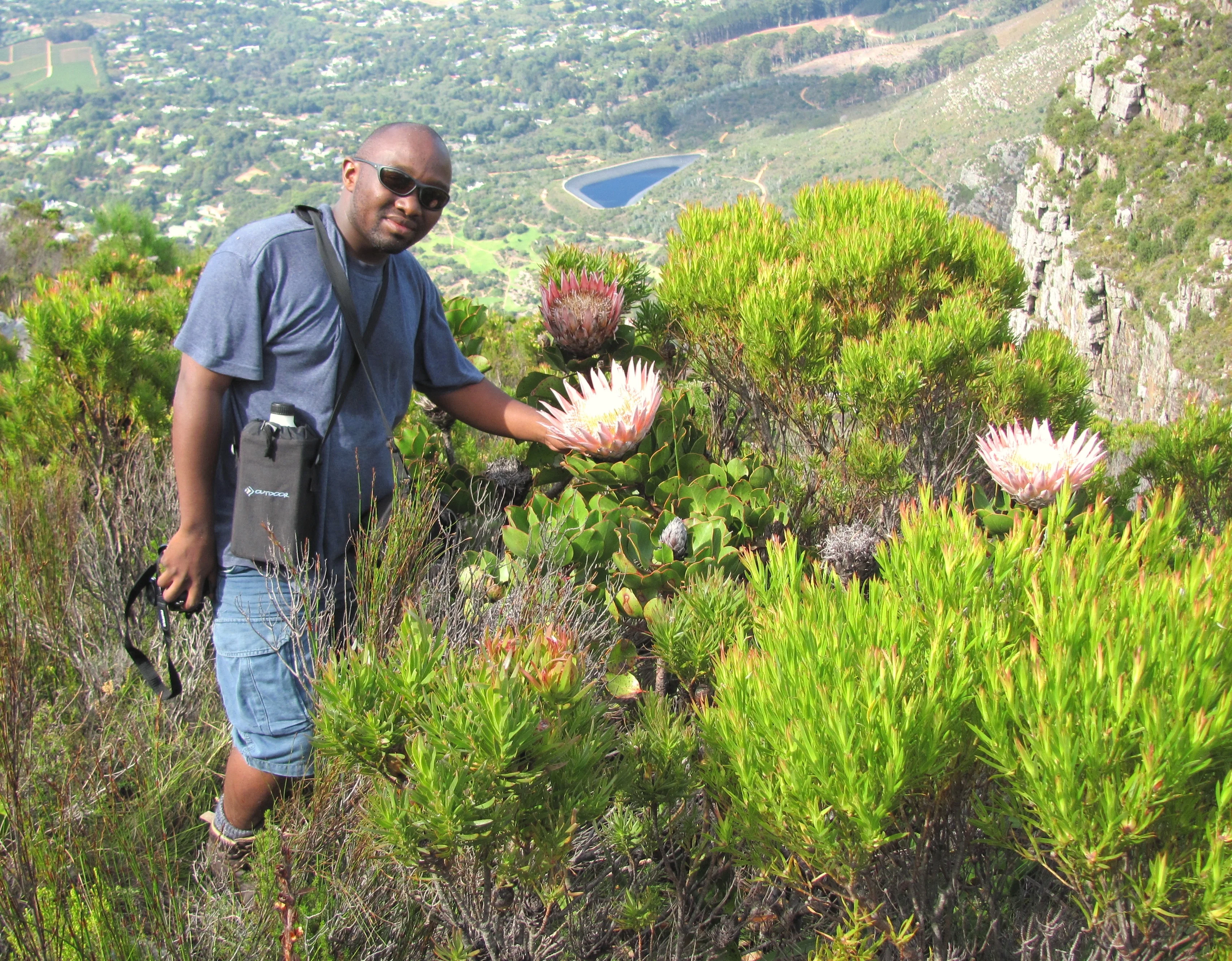
The city sits within the Cape Floristic Region, a globally significant area of plant diversity. That fact should increase care, not create a scavenger hunt. Stay on marked routes, clean footwear where guidance asks, never pick plants and avoid sharing precise locations for vulnerable species. A botanical garden or guided walk can provide names and ecological context without requiring access to fragile ground.
The mountain makes the rules
Table Mountain is visible from across the city, which can make it seem straightforward. It is not. Weather changes quickly, cloud removes orientation and routes vary greatly in exposure and difficulty. Use SANParks information, check cableway operations separately and choose a trail within the whole group's ability. Carry water, warmth, sun protection and a charged phone, but do not let equipment justify continuing into unsafe conditions.
A guided route can add geology, botany and history while improving judgement, provided the guide is reputable and the scope is clear. Start early enough to avoid being caught by darkness, stay together and set a turnaround time. If wind closes the cableway, descending on foot is not an automatic alternative. The mountain has not ruined the day; it has supplied the decision.
A city seen at street height
Cape Town's beauty can obscure the structures beneath it: colonial dispossession, slavery, apartheid spatial planning and present inequality. A meaningful visit needs city history at street height, through museums, archives and guides able to connect neighbourhoods without turning hardship into spectacle. District Six is not simply a story of colourful memory; it is a history of forced removal with continuing claims and consequences.
Choose tours that disclose who leads them and where the fee goes. In residential communities, invitation and consent matter more than curiosity. Do not photograph children, homes or informal work without permission. A guide should not be asked to make inequality picturesque or reassuring. Listen for complexity, including the parts that unsettle the holiday narrative.
“The mountain has not ruined the day; it has supplied the decision.”
Rivileo Journal
Coast, garden and wind
Kirstenbosch offers an accessible way into the region's plant life, though slopes, path surfaces and distances still deserve checking. Give the garden a half-day rather than treating it as a waiting room for the mountain. Labels and seasonal displays make the landscape legible; shaded benches make it possible to travel at different energy levels. Follow garden rules and leave flowers where they grow.
On the Atlantic side, wind and cold water complicate the apparent ease of a beach. Swim only where and when local safety information supports it. At penguin sites and other wildlife areas, barriers and distances protect animals from cumulative pressure. A quieter month is not permission to move closer. Conservation rules are part of the experience, not an obstacle around it.
Spring with a contingency
Build each day around one weather-dependent anchor and one city alternative. If the mountain is clear and official conditions are good, take the planned route. If cloud or wind closes it, move to a museum, garden, market or neighbourhood walk that was researched with equal care. This avoids the frantic search for a substitute and respects closures before they become emergencies.
Cape Town at spring's edge is generous to travellers who refuse to rank the view above the place. The fynbos, harbour, food, archives and streets form one city, held inside unequal histories and extraordinary ecology. Let the mountain be a presence rather than a prize, and the season becomes a way to see connections that a clear summit alone cannot show.
A peninsula governed by conditions
Cape Town’s spring can place bright sun, cold water, strong wind and rain inside the same day. Table Mountain and the peninsula magnify those differences. Check official forecasts and attraction notices, but also look at the specific side of the mountain or coast you intend to use. A cableway closure is not an invitation to hike in unsuitable conditions. Routes require navigation, water and judgement even when the city appears close beneath them; use a qualified guide when experience or local knowledge is limited.
Wildflower season rewards a wider view than the single perfect bloom. Protected landscapes have rules about paths, picking and access for good reason, while exact timing varies with rain and temperature. Walk on durable surfaces, avoid geotagging sensitive sites and ask a reserve or local conservation organisation where visitors can be accommodated. A flower is not more valuable because the photograph required leaving the path. The stronger image may show the plant within fynbos, weather and the scale of the habitat that sustains it.
The Atlantic seaboard and False Bay offer very different water conditions. Cold-water swimming, surfing and boat trips need operators who are candid about weather and safety. Wildlife viewing should follow distance guidance and avoid crowding animals on land or at sea. At penguin colonies, barriers are part of conservation rather than an obstacle to the photograph. If wind cancels the water plan, accept the decision early and shift inland instead of shopping for an operator willing to take a poorer risk.
No account of the city is complete if scenery floats free of history. Apartheid’s spatial legacy remains visible in housing, transport and access to opportunity. Choose museums, guides and cultural experiences that centre local expertise and pay it fairly; avoid tours that make communities into spectacles of hardship. Plan transfers carefully, seek current local safety advice and do not ask one neighbourhood to represent a vast, unequal metropolis. Spring at the Cape is a season of renewal, but honest travel keeps the past and present in the same frame.
Make water use part of accommodation planning even when reservoirs are healthy. Follow current local guidance, keep showers brief and do not request fresh linen without need. Fire risk deserves the same present-tense attention: obey restrictions and report smoke through official channels. These actions are small beside the city’s structural challenges, but they replace the fiction that a visitor’s comfort exists outside the environmental system sustaining it.
A thoughtful route
- Clear morningLet the mountain decide
Take a suitable official route or cableway only when current conditions support it.
- Cloud dayRead the city's history
Use a museum, archive or accountable guided walk as a complete plan, not a consolation.
- Spring afternoonKirstenbosch in depth
Follow labelled paths slowly and leave time for rest, access needs and seasonal detail.
- Coast dayRespect wind and wildlife
Check local safety, keep designated distances and abandon swimming when conditions change.